
The intercepted missile is believed to be part of Iran’s ongoing military exercises, which have drawn international scrutiny due to their proximity to NATO member states. For more on the implications of such military movements, see Understanding The Global Story.
This development comes amid heightened tensions in the Middle East, where Iran’s missile capabilities have increasingly become a focal point of concern for both NATO and regional allies. The alliance’s proactive measures reflect a commitment to collective defense, particularly as Iran’s military activities are perceived as a direct threat to neighboring countries.
As diplomatic efforts to address regional conflicts continue, the recent missile interceptions underscore the delicate balance of power in the area. NATO’s response not only demonstrates its readiness to act but also signals the importance of maintaining stability in a volatile environment.
Understanding the background of Iran’s missile activities and NATO’s role
The geopolitical landscape of the Middle East has been shaped by a myriad of factors, including historical rivalries, economic interests, and the quest for regional dominance. Iran’s missile program, which has been a focal point of international concern, is rooted in its desire to assert power and deter perceived threats, particularly from the United States and its allies. The program has evolved significantly since the 1980s, particularly in the aftermath of the Iran-Iraq War, when Iran sought to develop its military capabilities to prevent future conflicts.
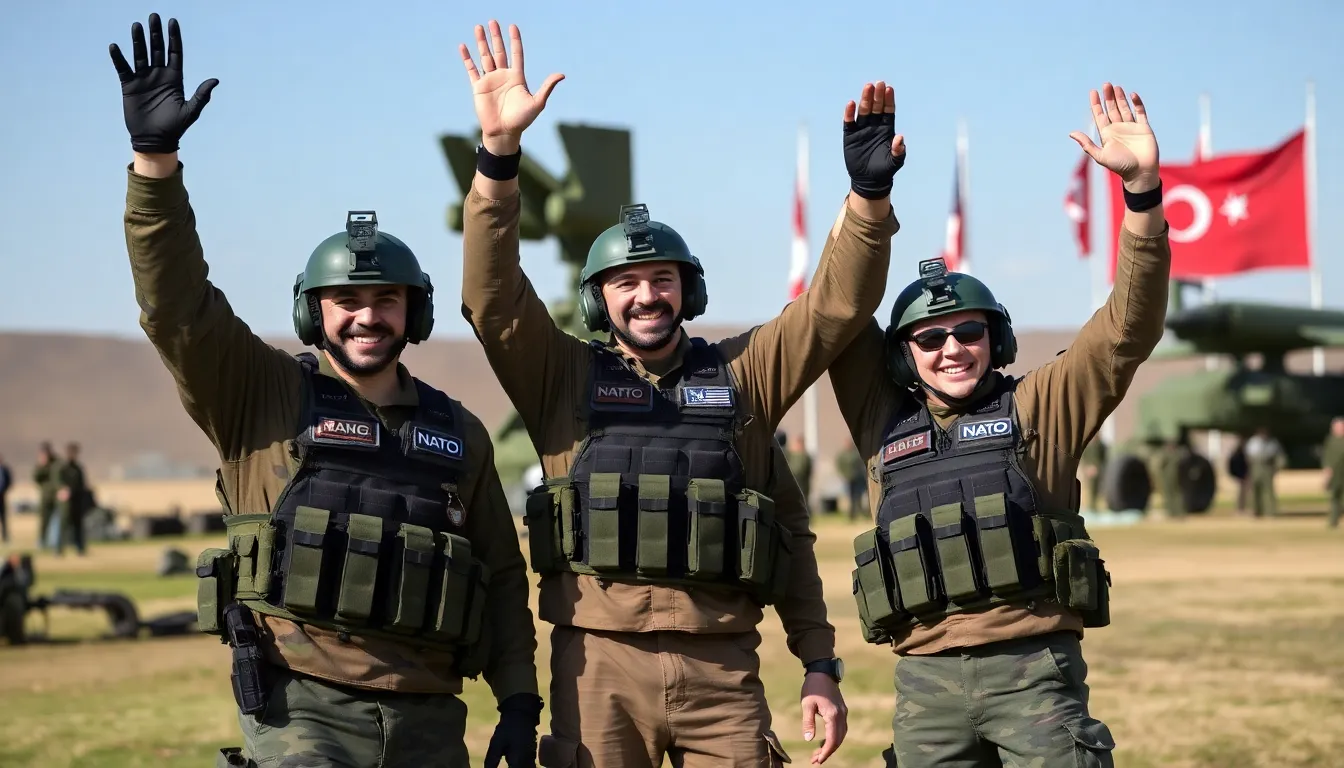
NATO’s involvement in the region, particularly through its member state Turkey, has added another layer of complexity. This incident underscores the ongoing tensions between NATO and Iran, which have been exacerbated by Iran’s nuclear ambitions and its support for proxy groups across the Middle East; a topic explored in detail in related coverage.
The evolution of missile technology in Iran
Over the past two decades, Iran has made significant advancements in its missile technology, developing a range of ballistic missiles capable of reaching targets across the region. This development has been viewed with alarm by NATO and other Western powers, leading to a series of sanctions and diplomatic efforts aimed at curbing Iran’s military capabilities. Key milestones in this evolution include the successful test launches of various missile systems, which have demonstrated Iran’s growing technological prowess and its ability to project power beyond its borders.
The interception of Iranian missiles entering Turkish airspace is not just a technical achievement; it reflects broader strategic concerns about Iran’s intentions and the potential for conflict in the region. As tensions rise, NATO’s role in monitoring and responding to Iranian missile activities becomes increasingly critical, highlighting the delicate balance of power in the Middle East and the implications for global security.
Analyzing the implications for NATO member states and regional stability
The recent interception of an Iranian missile by NATO forces as it entered Turkish airspace underscores the complex dynamics at play in the region. This incident highlights the strategic interests of multiple stakeholders, including NATO, Turkey, and Iran, each with their own objectives and concerns.
NATO, as a military alliance, is primarily focused on ensuring the security of its member states. The interception of the missile serves to reaffirm NATO’s commitment to collective defense, particularly in the face of perceived threats from Iran. Turkey, a key NATO member, is particularly sensitive to security issues along its borders, especially given its historical tensions with Iran and the ongoing conflict in Syria.
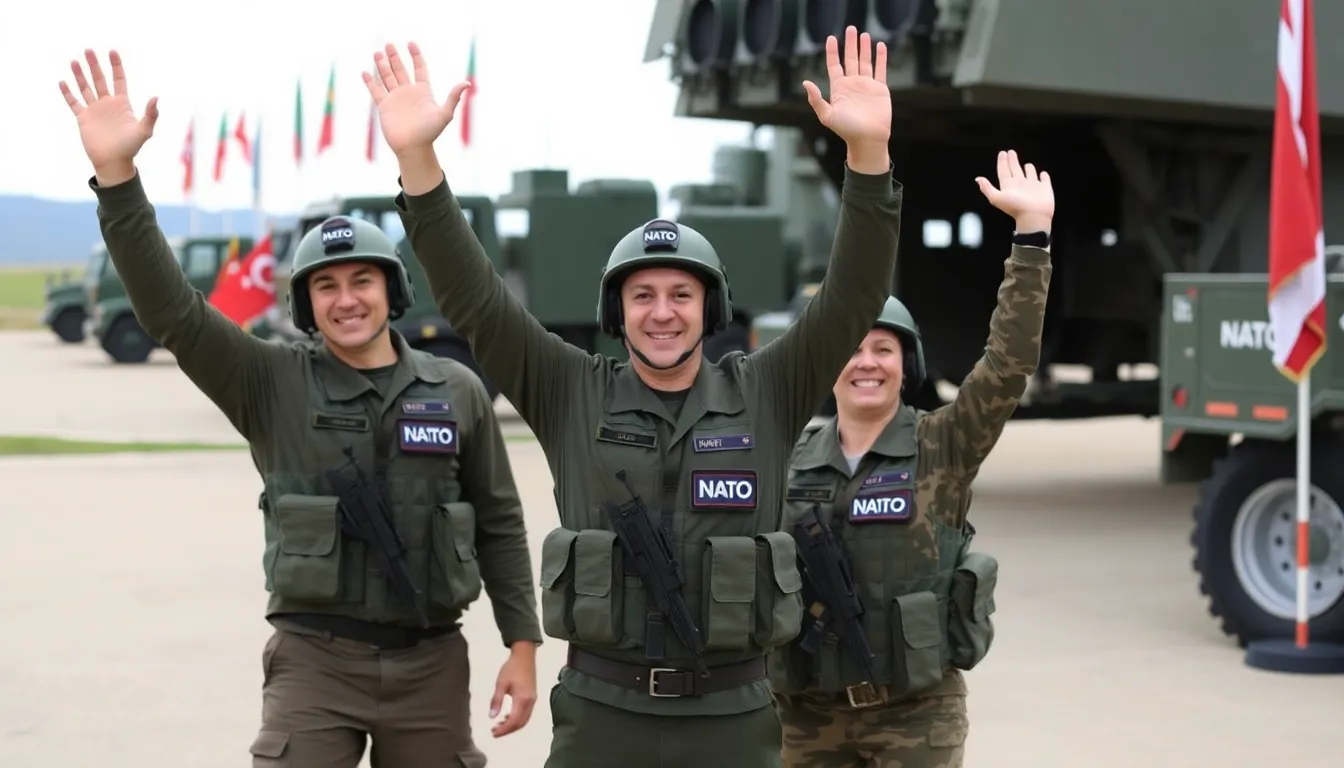
On the other hand, Iran’s missile activities are often framed within the context of its national defense strategy and regional influence. The Iranian government views its missile program as essential to its deterrence capabilities, particularly in light of sanctions and military threats from other nations. This creates a scenario where Iran’s actions may be interpreted as aggressive by its neighbors and NATO, leading to increased military readiness and potential escalation.
- Regional Security: The interception raises concerns about the security landscape in the Middle East and the potential for military confrontations.
- Legal Implications: Questions arise regarding the legality of military actions taken in foreign airspace and the rules of engagement for NATO forces.
- Economic Consequences: Heightened military tensions could disrupt trade routes and impact energy markets, particularly in Europe.
- Diplomatic Relations: This incident may strain diplomatic relations between NATO members and Iran, complicating efforts for dialogue and negotiation.
- Internal NATO Dynamics: Different perspectives among NATO members on how to engage with Iran could lead to divisions within the alliance.
As these dynamics unfold, the potential for miscalculation or misunderstanding increases, emphasizing the need for clear communication and diplomatic engagement among all parties involved. For broader context on international tensions, refer to Concerns Over Emperor Penguins and Their Annual Moult.
Potential impacts on Turkey, NATO, and international relations
The recent interception of an Iranian missile by NATO forces as it entered Turkish airspace has significant implications for various groups and regions. Primarily, Turkey, NATO member states, and the broader international community are directly affected by this incident. The heightened military activity raises concerns about regional stability and security, particularly in the context of ongoing tensions between Iran and Western nations.
In the short term, residents in border regions of Turkey may experience increased military presence and heightened security measures, which could disrupt daily life. Businesses in these areas, particularly those reliant on tourism or cross-border trade, may face immediate challenges due to fears of escalation. Additionally, the Turkish government may feel pressured to reassess its defense policies and diplomatic strategies in relation to Iran and NATO allies.
From a mid-term perspective, the ongoing situation could lead to shifts in defense spending and military alliances. Turkey may seek to bolster its air defense systems, potentially opening opportunities for defense contractors both domestically and internationally. Furthermore, NATO’s role in the region could be re-evaluated, leading to increased collaboration or tensions among member states regarding collective security strategies.
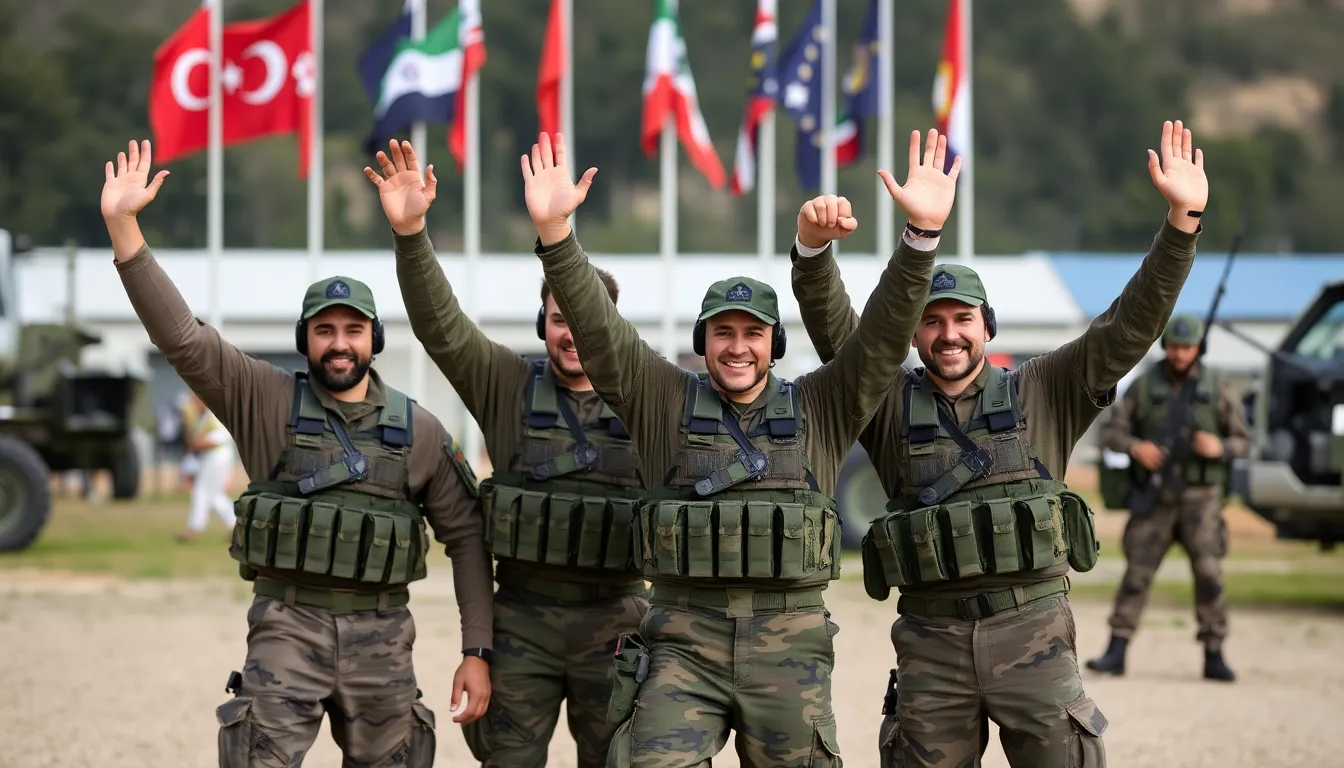
- Increased military presence: Potential disruption to daily life in border areas.
- Defense spending shifts: Opportunities for defense contractors and military technology firms.
- Reevaluation of NATO strategies: Possible changes in alliances and international relations.
Moreover, the incident may influence public opinion regarding defense policies in Turkey and among NATO allies. Citizens may demand stronger action or clearer communication from their governments about how such threats are being managed. This could lead to a more engaged public discourse on national security and foreign policy, potentially impacting future elections and governmental priorities.
A: NATO intercepted the missile due to concerns over its trajectory towards Turkey, which is a NATO member. The interception was part of a broader strategy to ensure the safety of allied nations. A: This incident further strains NATO’s relationship with Iran, as it demonstrates NATO’s readiness to respond to perceived threats. It may lead to increased diplomatic tensions and military posturing. A: The interception underscores Turkey’s vulnerability to missile threats and may prompt a reassessment of its defense strategies. It could lead to increased military cooperation with NATO. A: Yes, this is the second interception in a short time frame, indicating a pattern of missile activity from Iran that raises alarms for NATO and its allies. A: NATO may enhance its missile defense systems in the region, conduct joint military exercises, and engage in diplomatic efforts to address the underlying tensions.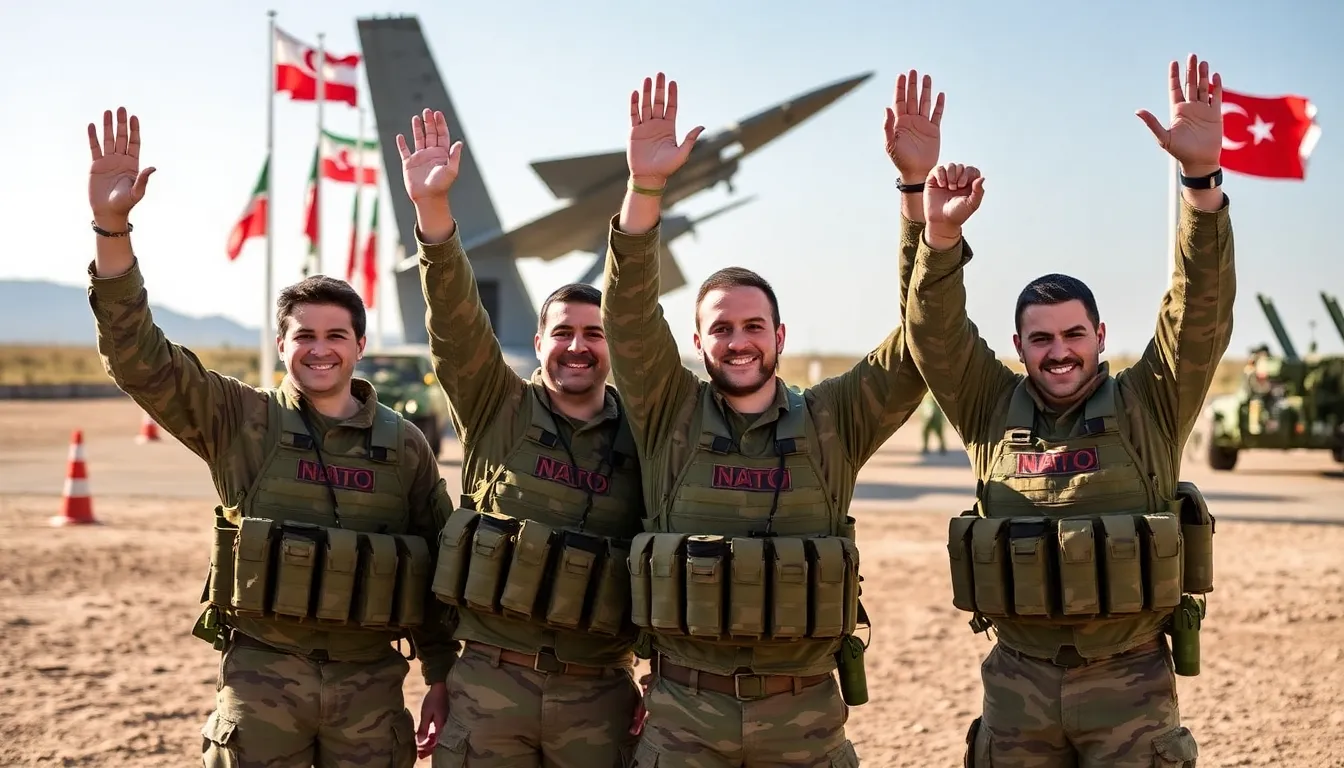
Frequently Asked Questions about the missile interception
Key takeaways and future outlook on NATO-Iran relations
The recent interception of an Iranian missile by NATO as it entered Turkish airspace underscores the ongoing tensions in the region and the complexities of NATO’s role in European security. This incident not only highlights the capabilities of NATO’s missile defense systems but also raises questions about the broader implications for Iran’s military activities and its relationships with neighboring countries. As NATO continues to navigate its strategic priorities, the focus will likely shift towards enhancing cooperative defense measures and addressing the challenges posed by regional threats.
Monitoring the evolving dynamics between NATO and Iran will be crucial, particularly in light of potential diplomatic efforts or military escalations. The international community should remain vigilant as the situation develops, considering both the security implications for NATO member states and the potential for broader geopolitical shifts.
- Increased NATO Readiness: Expect heightened military readiness and surveillance in the region as NATO reassesses its defense posture in response to Iranian missile activities.
- Regional Alliances: Watch for potential strengthening of alliances among NATO members and regional partners to counteract perceived threats from Iran.
- Diplomatic Engagement: Diplomatic channels may be tested as nations seek to balance deterrence with dialogue to mitigate tensions.
- Impact on Defense Spending: Member states might reconsider their defense budgets and strategies in light of emerging threats from Iran.
- Public Sentiment: Monitor public opinion in NATO countries regarding military engagement and defense strategies in response to Iranian provocations.