
The crew for Artemis II has been selected, featuring a diverse group of astronauts, including mission commander Reid Wiseman, pilot Victor Glover, and mission specialists Christina Koch and Jeremy Hansen. This team will be the first to fly aboard the Orion spacecraft, which is designed to support deep-space missions and is a key component of NASA’s Artemis program.
As preparations intensify, NASA is conducting a series of tests and evaluations to ensure the spacecraft and its systems are ready for the challenges of space travel. The Artemis II mission is not only a precursor to landing astronauts on the Moon during Artemis III but also serves as a vital step towards future crewed missions to Mars.
The significance of Artemis II extends beyond its immediate objectives; it represents a renewed commitment to human space exploration and international collaboration. The mission is part of a broader strategy to establish a sustainable presence on the Moon, which could pave the way for scientific discoveries and technological advancements that benefit life on Earth.
Understanding the significance of Artemis II in lunar exploration
The Artemis II mission marks a pivotal moment in the history of lunar exploration, representing NASA’s commitment to returning humans to the Moon for the first time since the Apollo program. Scheduled for early April 2024, this mission aims to build upon the legacy of Apollo by not only sending astronauts to lunar orbit but also paving the way for future sustainable exploration. The Artemis program, initiated in 2019, reflects a renewed interest in lunar science and the potential for human habitation beyond Earth.
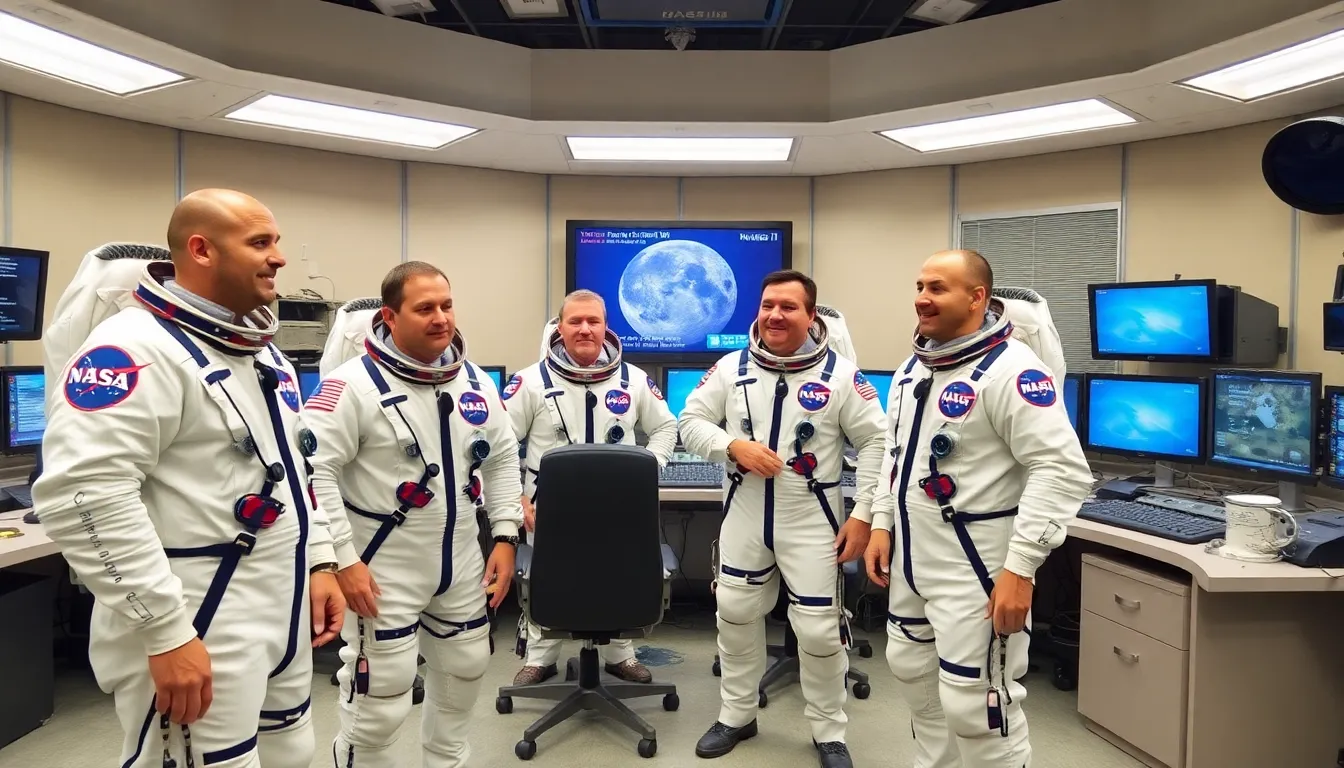
Historically, the Apollo missions of the 1960s and 1970s set the stage for human exploration of the Moon, achieving significant milestones, including the first manned Moon landing in 1969. However, after Apollo 17 in 1972, human missions to the Moon ceased, leading to a long hiatus in lunar exploration. The Artemis program seeks to reignite this exploration spirit, with a focus on technological advancements and international collaboration that were less emphasized during the Apollo era.
The Geopolitical Landscape of Space Exploration
In the current geopolitical climate, space exploration has become a focal point for international competition and collaboration. Countries like China and Russia are advancing their own lunar missions, prompting the United States to reaffirm its leadership in space. The Artemis program not only aims to establish a sustainable human presence on the Moon but also emphasizes partnerships with other nations and private industries, fostering a collaborative approach to space exploration that can enhance scientific research and economic opportunities.
Economically, the Artemis II mission is expected to stimulate technological innovation and job creation within the aerospace sector. As NASA collaborates with private companies, the mission will drive advancements in space technology and infrastructure, potentially leading to new markets in space tourism and resource utilization. The implications of this mission extend beyond mere exploration; they have the potential to reshape the global economy and establish a new era of space commerce.
As we approach the launch of Artemis II, it is essential to recognize the historical context and the multifaceted motivations driving this mission. From its roots in the Apollo program to its implications for international relations and economic growth, Artemis II stands as a testament to humanity’s enduring quest to explore the cosmos.
Key stakeholders and challenges facing the Artemis II mission
The Artemis II mission represents a significant step in NASA’s broader goal of returning humans to the Moon and eventually sending astronauts to Mars. Several key stakeholders are involved in this ambitious endeavor, each with distinct interests and concerns. These include NASA, international space agencies, private aerospace companies, and various governmental bodies.
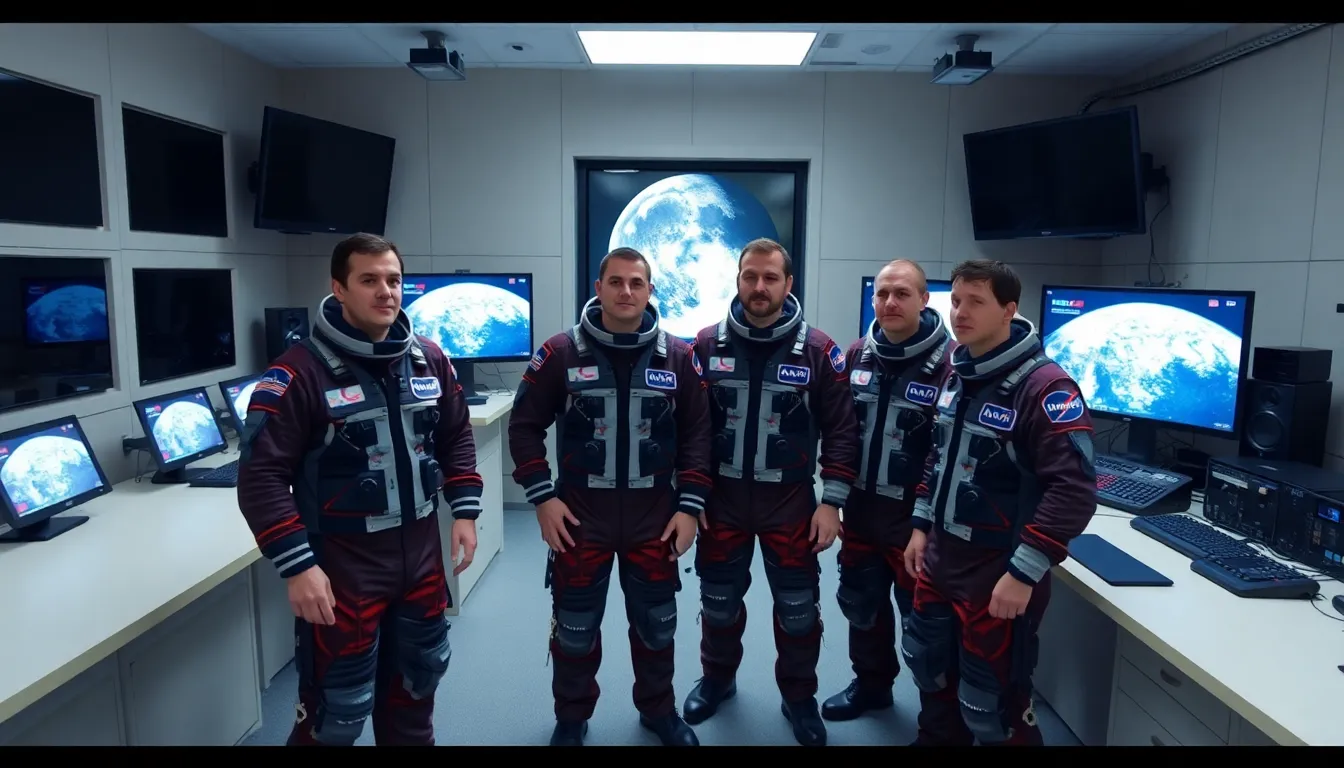
NASA, as the primary agency leading the mission, is focused on demonstrating the capabilities of its Space Launch System (SLS) and Orion spacecraft. The success of Artemis II is crucial for securing future funding and support for subsequent missions. Additionally, NASA aims to establish a sustainable human presence on the Moon, which is integral to its long-term vision of deep space exploration.
International partners, including the European Space Agency (ESA) and others, have a vested interest in the mission as they contribute technology and expertise. Their involvement not only enhances the mission’s capabilities but also strengthens international collaboration in space exploration. However, differing priorities and resource allocations can lead to tensions among these partners.
- Economic implications: The Artemis program is expected to stimulate the aerospace industry, creating jobs and driving innovation. However, budget constraints and competition for funding among various governmental projects may pose challenges.
- Legal considerations: The mission raises questions about space governance, including compliance with international treaties and the potential for resource extraction on the Moon.
- Public interest: As public enthusiasm for space exploration fluctuates, maintaining support for Artemis II is essential. Stakeholders must communicate the mission’s benefits effectively to engage the public and secure ongoing investment.
Private aerospace companies are also critical players, as they provide launch services and technology. Their involvement can accelerate innovation but may also lead to conflicts over contracts and intellectual property. Balancing the interests of private entities with public objectives presents an ongoing challenge.
Potential impacts of Artemis II on space exploration and technology
The Artemis II mission, set to launch in early April, is poised to influence various groups and industries, particularly those involved in aerospace, technology, and education. The mission will not only engage governmental space agencies but also private space companies, universities, and research institutions, all of which will feel the ripple effects of this ambitious lunar endeavor.
In the short term, the Artemis II mission is expected to create a surge in job opportunities within the aerospace sector. Companies involved in spacecraft manufacturing, launch services, and support technologies will likely see increased demand for skilled labor. Additionally, educational institutions may experience a boost in enrollment in aerospace engineering and related fields as students seek to participate in the burgeoning space industry.
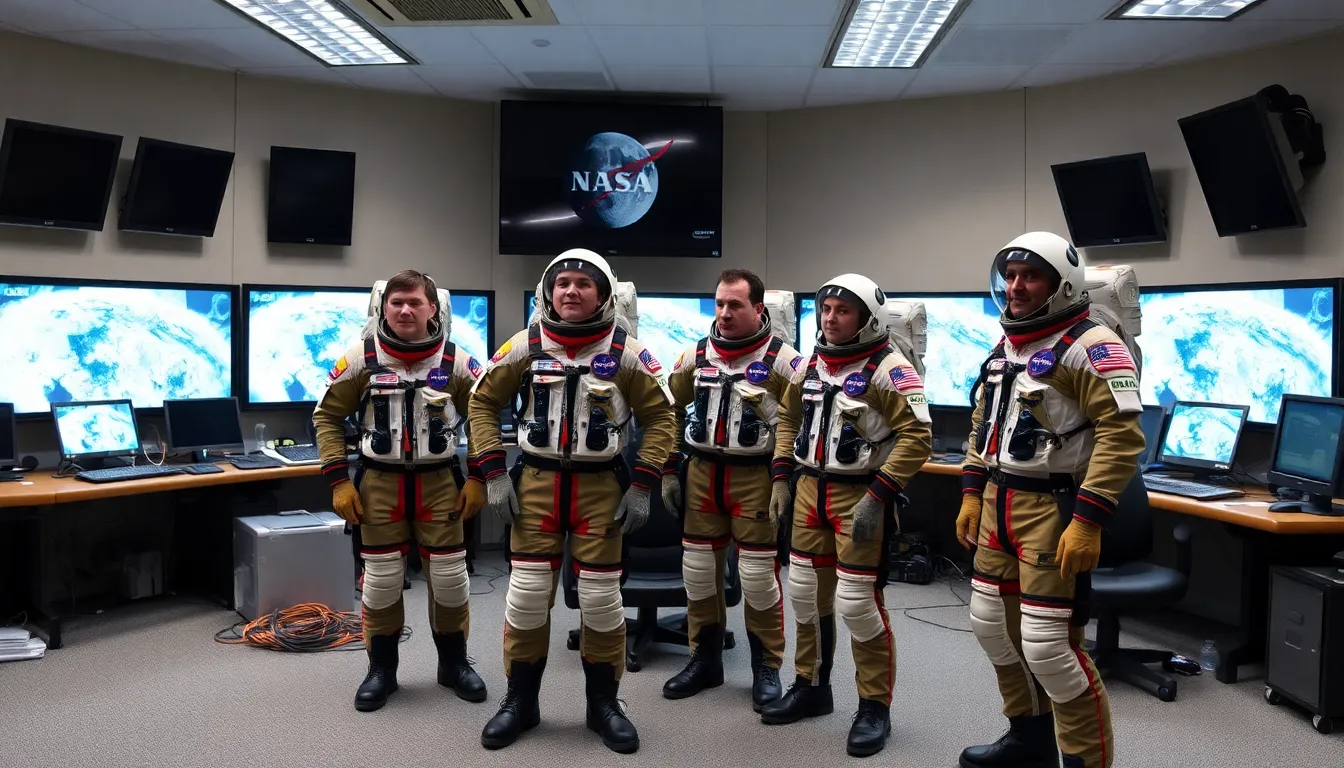
Mid-term impacts could include advancements in technology as new innovations are developed for the mission. This may lead to improved satellite communications, enhanced materials for spacecraft, and breakthroughs in robotics and artificial intelligence. Regions with a strong aerospace presence, such as Florida and Texas, may experience economic growth as they become central hubs for lunar exploration.
- Job Creation: Increased employment opportunities in aerospace and technology sectors.
- Technological Advancements: Innovations that could benefit various industries beyond space exploration.
- Educational Growth: Rise in student interest and enrollment in STEM fields.
- Regional Economic Boost: Growth in areas with significant aerospace infrastructure.
However, there are risks associated with the Artemis II mission, including potential delays and budget overruns that could impact funding for other scientific endeavors. Furthermore, the focus on lunar missions might divert resources from pressing issues on Earth, such as climate change and poverty alleviation. Balancing these priorities will be crucial for policymakers and stakeholders involved in the mission.
Ultimately, the Artemis II mission presents both challenges and opportunities, with the potential to reshape the landscape of space exploration and inspire future generations to pursue careers in science and technology.
A: Artemis II is NASA’s upcoming crewed mission to the Moon, aiming to test systems and operations for future lunar exploration. A: NASA is targeting early April for the launch of Artemis II, marking a significant step in its lunar exploration program. A: The specific crew members for Artemis II have not been announced yet, but they will be selected from a diverse pool of astronauts. A: The primary objectives include testing the Orion spacecraft’s systems and preparing for future missions that will land astronauts on the Moon. A: Artemis II is a crucial step in the Artemis program, which aims to establish a sustainable human presence on the Moon by the end of the decade.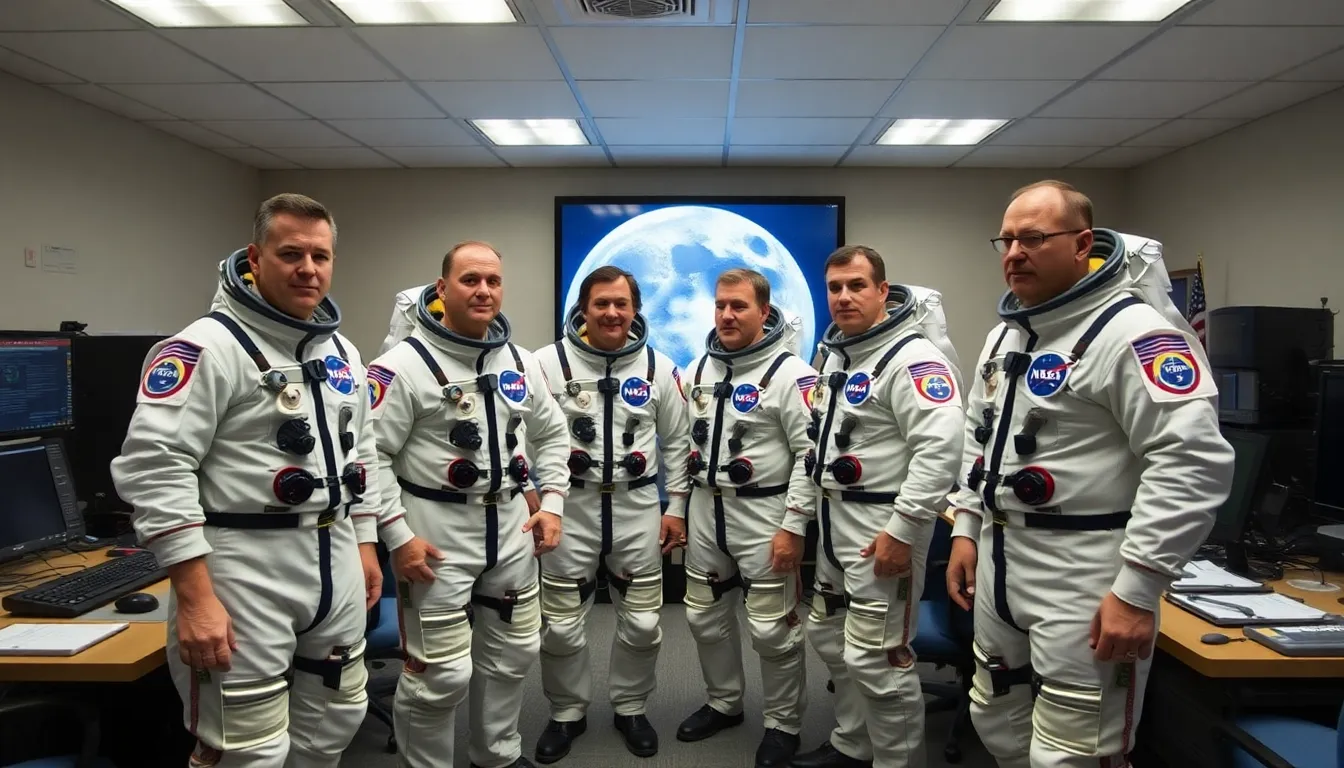
Frequently asked questions about Artemis II
Looking ahead: key takeaways from the Artemis II mission plans
The Artemis II mission marks a significant step forward in NASA’s ambitious lunar exploration program, aiming to establish a sustainable human presence on the Moon. With a targeted launch in early April, this mission not only serves as a precursor to future lunar landings but also lays the groundwork for eventual missions to Mars. As the space community watches closely, several implications emerge from this upcoming mission.
First, the success of Artemis II will be crucial in validating the technologies and systems developed for deep space exploration. This mission will test the capabilities of the Space Launch System (SLS) and the Orion spacecraft, providing valuable data that will inform subsequent missions. Additionally, the international collaboration involved in Artemis II could pave the way for a more unified approach to space exploration, fostering partnerships that extend beyond national interests.
- Watch for advancements in spacecraft technology that may influence future missions, particularly regarding safety and reliability.
- Observe the potential for international partnerships to evolve, as countries collaborate on lunar exploration and research.
- Consider the implications of Artemis II for commercial space ventures, as private companies may play an increasingly vital role in supporting NASA’s goals.
- Monitor public interest and investment in space exploration, which could be spurred by the success of Artemis II and subsequent missions.