
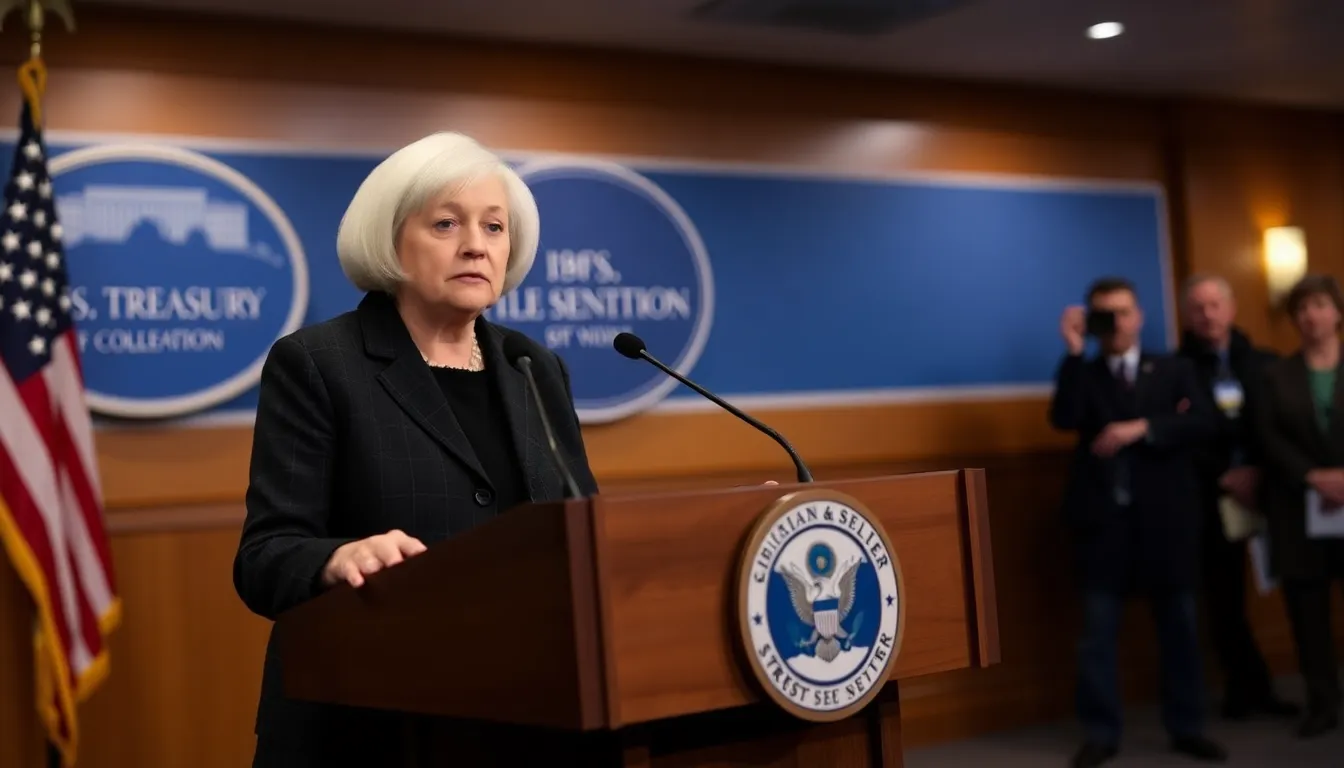
Key figures in the separatism movement include Alberta Premier Danielle Smith, who has publicly supported discussions around independence. On October 18, 2023, U.S. Treasury Secretary Janet Yellen commented on the situation, describing Alberta as a “natural partner” for the United States, highlighting the economic ties that could be affected by Alberta’s potential separation. This topic resonates with ongoing discussions around U.S. refiners and their interests in energy supplies.
The separatist sentiment has been fueled by rising energy prices and perceived federal overreach in provincial matters, particularly concerning environmental regulations. Events such as the Alberta Independence Conference, held in September 2023, showcased growing public support for the cause, with thousands attending to discuss strategies for achieving independence. Similar discussions around autonomy are also seen in other regions.
As the situation evolves, the implications of Alberta’s potential separation extend beyond provincial boundaries, raising questions about the future of Canadian unity and the economic repercussions for both Canada and the United States. The international community, particularly neighboring states, is closely monitoring developments, as they could reshape regional dynamics and economic partnerships.
Historical context of Alberta’s desire for independence
Alberta’s quest for autonomy can be traced back to its unique economic and cultural identity within Canada. Since its entry into the Confederation in 1905, Alberta has often felt marginalized by federal policies that prioritize the interests of larger provinces, particularly Ontario and Quebec. This perception of neglect has fueled sentiments of separatism, especially during economic downturns when provincial revenues are heavily reliant on fluctuating oil prices.
The roots of Alberta’s discontent can also be linked to the province’s rich natural resources, particularly oil and gas. The discovery of oil at Leduc in 1947 marked a turning point for Alberta, leading to a boom that transformed its economy. However, as the federal government implemented policies that centralized resource management and taxation, many Albertans began to feel that they were not receiving a fair share of the wealth generated by their own resources.
Key milestones in the separatist movement
Several key events have highlighted Alberta’s separatist sentiments over the years. The 1980 National Energy Program (NEP) is often cited as a pivotal moment, as it imposed federal controls on oil prices and revenues, leading to widespread resentment. In more recent years, the rise of the Wildrose Party, which advocated for greater provincial autonomy, and the 2019 provincial election, where separatist rhetoric gained traction, have reignited discussions about Alberta’s place within Canada.
Moreover, the COVID-19 pandemic further exacerbated tensions, as many Albertans felt that federal responses disproportionately affected their economy. This has led to increased calls for a referendum on independence, with proponents arguing that Alberta could thrive as an independent nation, leveraging its resources without federal interference.
As Alberta’s political landscape continues to evolve, the discussions surrounding independence are increasingly influenced by broader geopolitical factors, including the United States’ interest in Alberta’s resources. The recent comments by the U.S. Treasury Secretary underscore the complex dynamics at play, as Alberta navigates its identity and future within the Canadian federation.
Key stakeholders and their positions on separatism
The debate surrounding Alberta separatism involves a complex web of stakeholders, each with distinct interests and perspectives. At the forefront is the Alberta provincial government, which has been advocating for greater autonomy and control over local resources. Premier Danielle Smith has expressed a desire to explore the possibility of independence, citing frustrations with federal policies that she believes undermine Alberta’s economic potential.
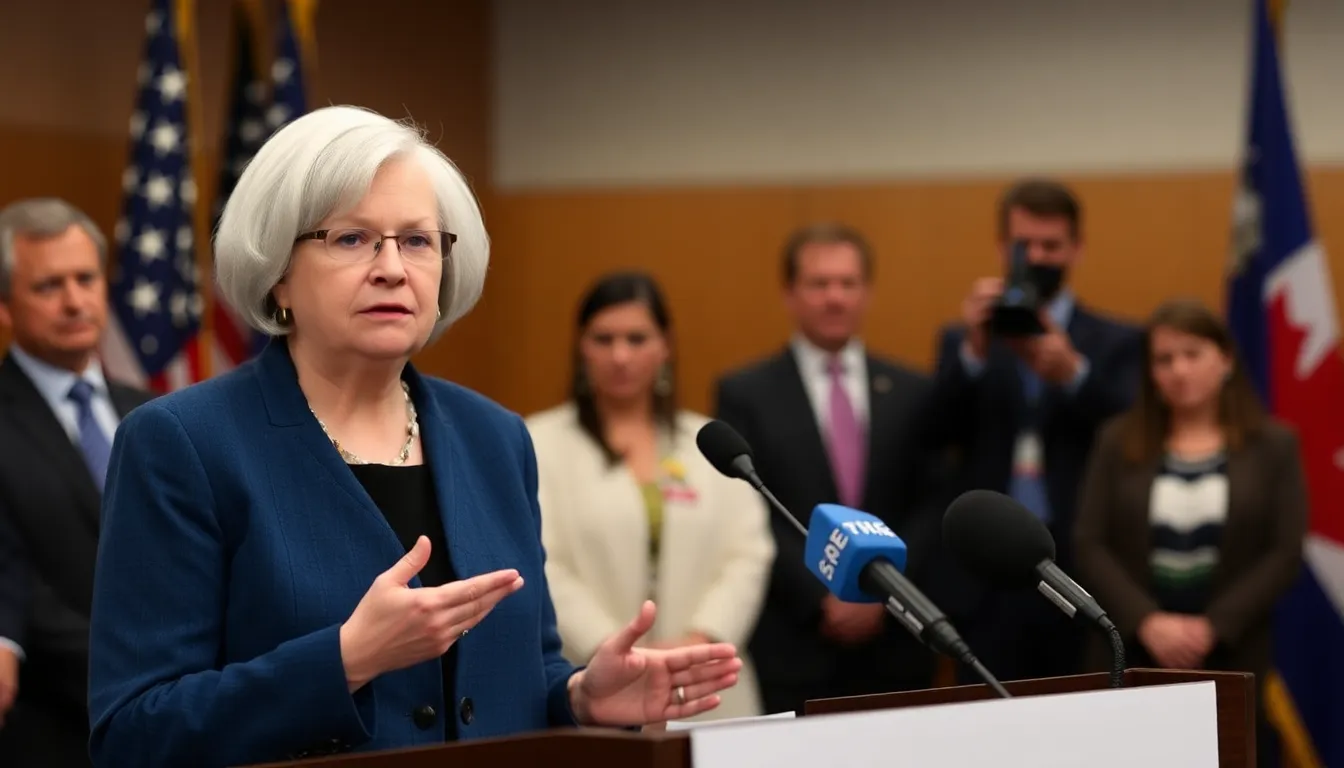
On the federal level, the Canadian government, led by Prime Minister Justin Trudeau, views Alberta’s separatist sentiments as a threat to national unity. The federal administration is concerned about the potential economic repercussions of a fragmented Canada, particularly in terms of resource management and interprovincial trade. The government’s position is focused on maintaining a cohesive national framework that supports all provinces while addressing regional grievances.
In addition to government actors, various organizations play significant roles in the separatism discourse. The Alberta Independence Party champions the separatist cause, advocating for a formal referendum on independence. Conversely, organizations such as the Canadian Federation of Independent Business and the Alberta Chambers of Commerce argue against separation, emphasizing the economic risks and uncertainties that could arise from such a move.
- Economic Interests: Alberta’s economy heavily relies on oil and gas, with separatism potentially impacting trade agreements and market access.
- Legal Considerations: The constitutional implications of Alberta’s potential separation raise questions about governance and jurisdiction.
- Public Sentiment: The views of Alberta’s citizens are divided, with some supporting independence while others fear the consequences of separation.
- International Relations: Separatism could affect Alberta’s relationships with foreign investors and trade partners, complicating international economic dynamics.
As U.S. Treasury Secretary Janet Yellen weighs in on Alberta’s separatism, her comments reflect the broader international implications of such movements. The U.S. has vested interests in Canadian stability, particularly regarding energy supplies and economic cooperation. Yellen’s perspective adds another layer to the ongoing analysis of Alberta’s aspirations, highlighting the interconnectedness of regional issues with global economic stability, including how that may affect entities like the Alberta Independence Party.
Potential impacts on Canada-US relations and local economies
The discussion surrounding Alberta’s separatism has far-reaching implications for various groups and industries across Canada and the United States. Key stakeholders include provincial governments, local businesses, and residents of Alberta, as well as federal authorities in both countries. The sentiment around independence could reshape economic interactions, trade agreements, and political alliances.
In the short term, the uncertainty surrounding Alberta’s political future may lead to increased volatility in local economies. Businesses that rely on stable governance and predictable regulations could face challenges, impacting their operations and investment decisions. Residents might experience changes in public services and infrastructure funding as provincial priorities shift in response to separatist sentiments.
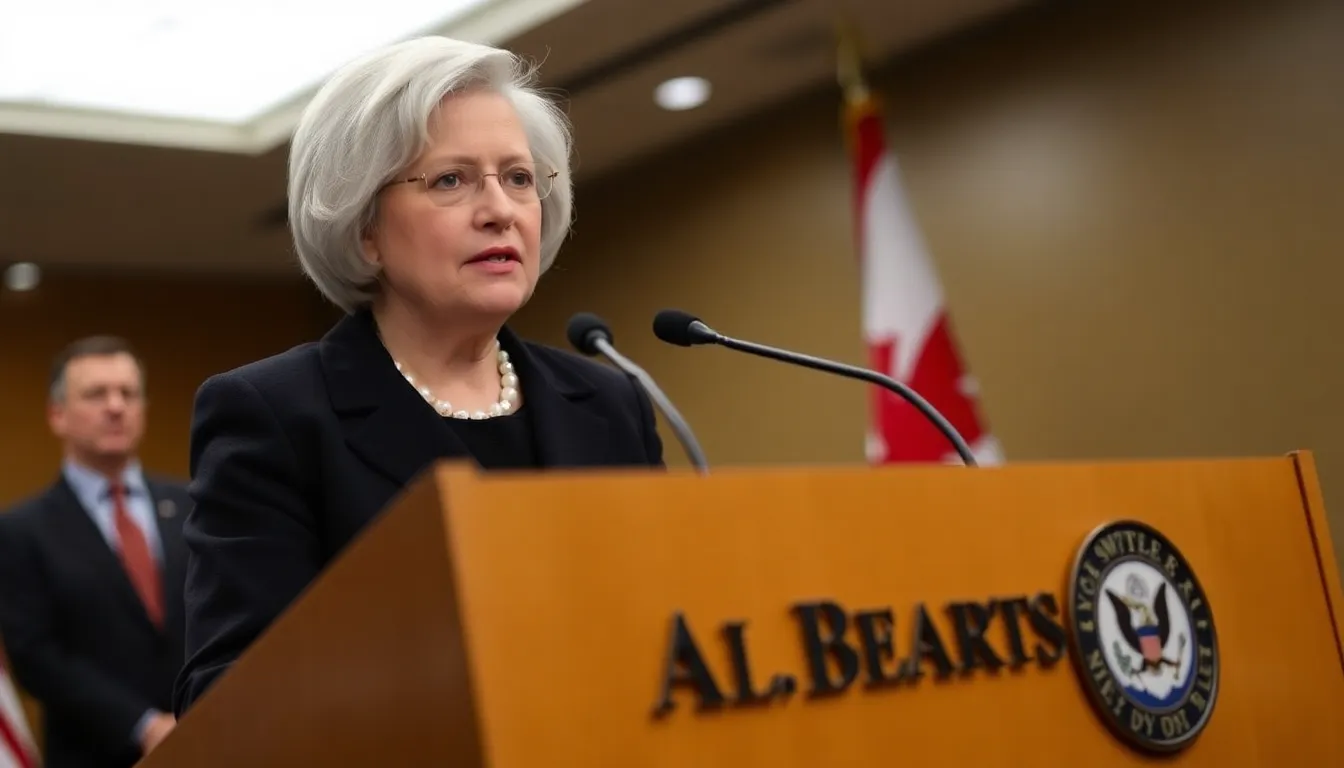
Mid-term impacts could include alterations in trade relations, particularly in the energy sector, which is crucial to Alberta’s economy. Should Alberta pursue independence, it may seek to renegotiate its trade agreements, affecting cross-border energy exports to the US. This could create both risks and opportunities for energy producers and consumers, as new markets may open while existing agreements could be jeopardized.
- Increased regulatory uncertainty for businesses operating in Alberta.
- Potential shifts in energy trade with the US, impacting prices and supply chains.
- Changes in public service funding as priorities adjust to new political landscapes.
- Opportunities for new partnerships as Alberta explores independent economic strategies.
- Heightened regional tensions that could affect overall stability in Canada-US relations.
The potential for Alberta’s independence raises questions about the balance of power within Canada and the implications for federal policy. As local sentiments evolve, the response from the Canadian government and federal authorities will be crucial in managing the situation and mitigating risks while exploring new opportunities for collaboration and growth.
A: Alberta separatism refers to the movement advocating for Alberta to become an independent nation, driven by perceived economic and political grievances with the federal government. A: The US treasury secretary’s involvement underscores the international implications of regional movements, particularly regarding economic partnerships and trade. A: Proponents argue for greater autonomy and resource control, while opponents warn of economic instability and loss of federal support. A: Separatism could lead to significant changes in trade relationships, investment flows, and resource management, impacting Alberta’s overall economic stability. A: The Canadian government has reiterated its commitment to national unity while addressing regional concerns through dialogue and policy adjustments.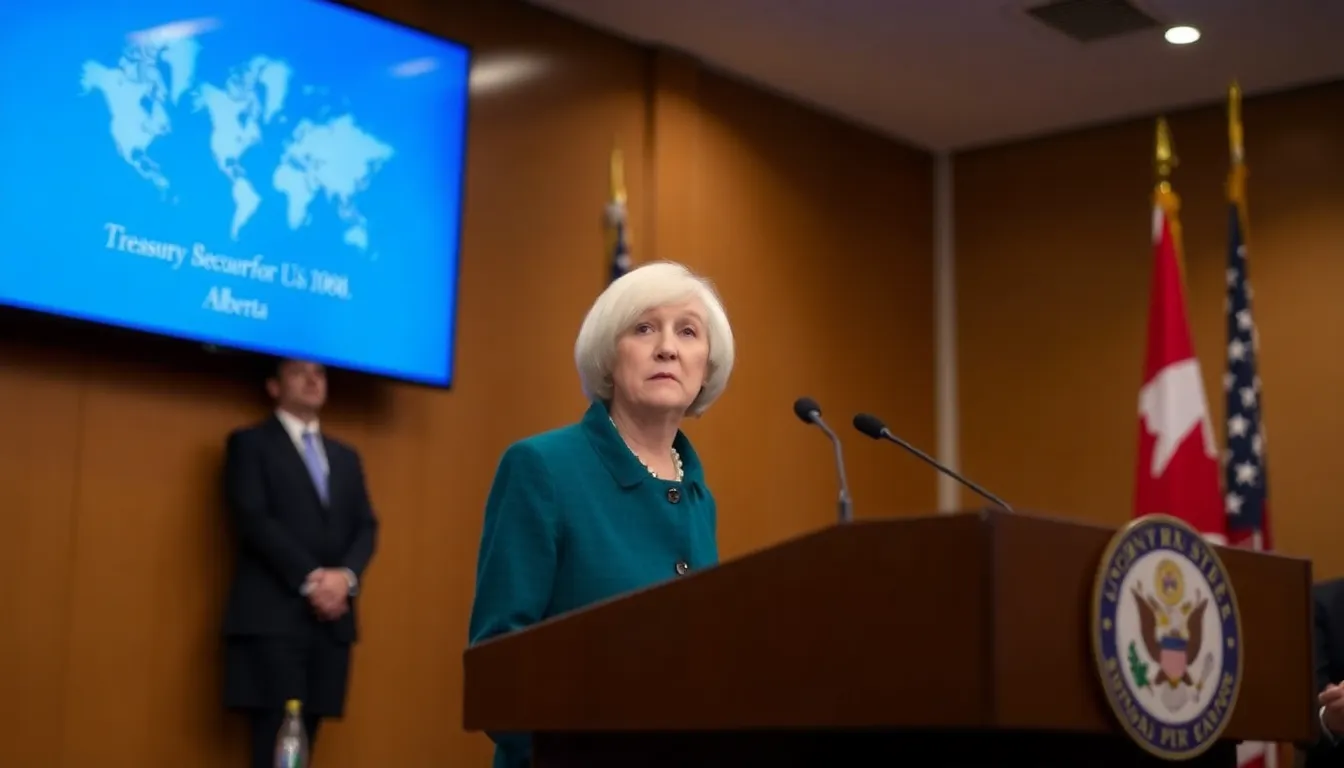
Frequently asked questions about Alberta separatism
Future outlook on Alberta’s separatism and its implications
The recent comments from the US Treasury Secretary regarding Alberta’s separatism highlight the growing complexities surrounding provincial autonomy and economic interdependence. As Alberta continues to grapple with its identity and relationship with the federal government, the potential for increased separatist sentiment could reshape political and economic landscapes not just within Canada, but also in its international relations, particularly with the United States.
Monitoring the evolving dynamics will be crucial. The implications of Alberta’s separatism could extend beyond local governance, influencing energy policies, trade agreements, and bilateral relations. Stakeholders should prepare for various scenarios that could emerge from this situation, as Alberta’s actions may prompt responses from both the Canadian federal government and international partners.
- Watch for shifts in Alberta’s economic policies that may prioritize independence over collaboration with the federal government.
- Observe potential changes in public sentiment towards separatism, which could affect provincial elections and party platforms.
- Consider the impact on energy markets, particularly as Alberta seeks to assert control over its natural resources.
- Evaluate how the US-Canada relationship may be influenced by Alberta’s moves, especially in terms of trade and investment.
- Stay informed about the responses from other provinces, as Alberta’s actions could inspire similar sentiments elsewhere in Canada.