
Witnesses reported that Kumar fell into the pit, which had been left uncovered and unmarked, while attempting to navigate through a construction area in his neighborhood. Despite his desperate cries for assistance, it took emergency services an alarming amount of time to respond. This delay has prompted calls for accountability from both the local government and the construction companies involved.
The incident has not only highlighted the immediate dangers posed by such hazardous conditions but also reflects broader systemic issues regarding urban infrastructure and public safety in India. Activists and community leaders are demanding stricter regulations and better oversight to prevent similar tragedies in the future. The public outcry has led to protests, with citizens calling for a thorough investigation into the circumstances surrounding the drowning.
As the investigation unfolds, the case has drawn attention to the need for improved emergency response systems and better communication between local authorities and the public. Many are urging the government to prioritize safety measures in construction zones and to ensure that adequate resources are allocated to protect vulnerable populations. The tragic loss of Rajesh Kumar serves as a stark reminder of the urgent need for change in policy and practice to safeguard lives.
Understanding the circumstances surrounding the incident
The tragic drowning of an Indian man in an open pit after pleading for help for hours has sparked widespread outrage and highlighted the persistent issues of infrastructure neglect and inadequate emergency response systems in many parts of India. This incident is not an isolated case but rather a reflection of systemic failures that have plagued the country’s urban and rural areas for decades.
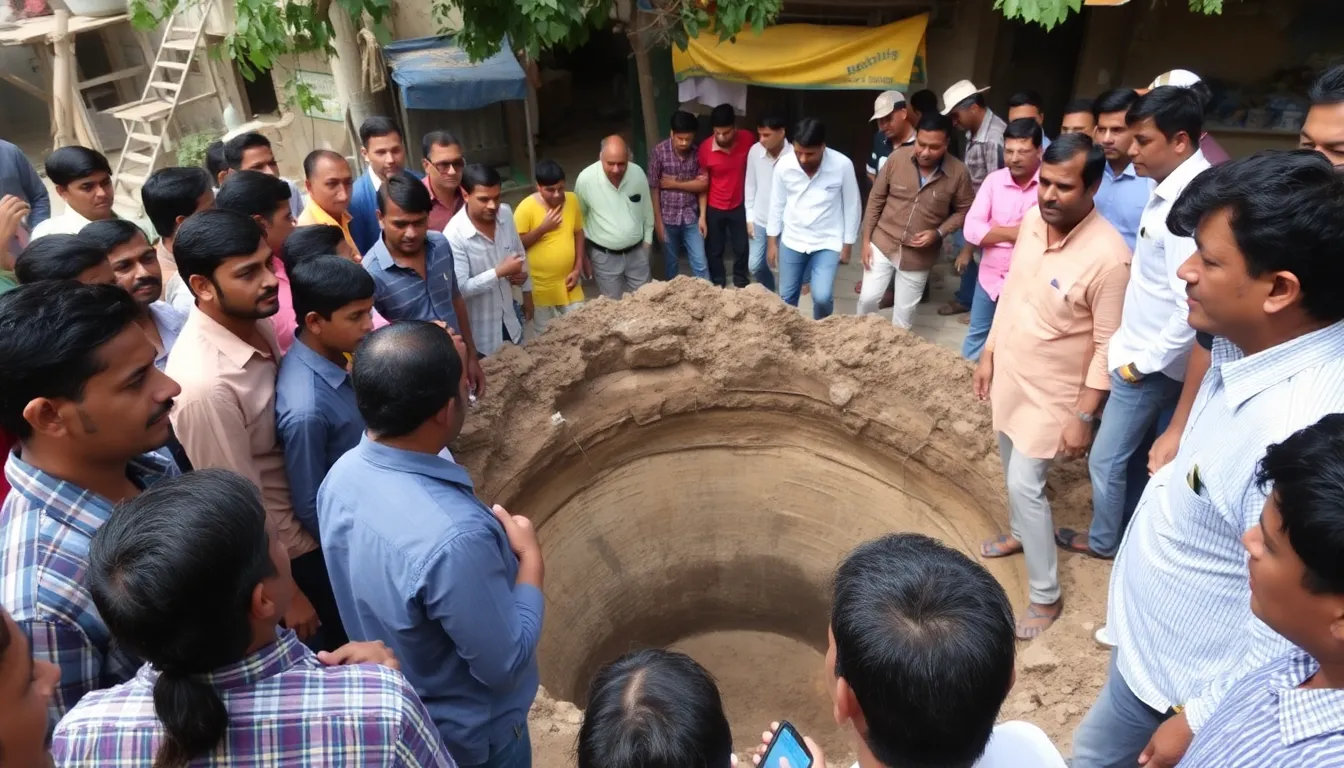
Historically, India has faced significant challenges in managing its urbanization and infrastructure development. Rapid population growth, especially in cities, has outpaced the government’s ability to provide essential services, leading to poorly maintained public spaces and hazardous conditions. Open pits, often left unattended for construction or maintenance work, are common in both urban and rural settings, posing serious risks to public safety.
Moreover, the socio-economic landscape plays a critical role in such incidents. Many individuals from marginalized communities often find themselves in vulnerable positions, lacking access to timely assistance or emergency services. The man’s desperate calls for help, which went unanswered for hours, underscore the broader societal issues of indifference and neglect towards those in need, particularly among the less privileged.
The Role of Governance and Accountability
This incident also raises questions about governance and accountability. Past events, such as similar drownings and accidents, have often resulted in public outcry but little change. Government agencies frequently face criticism for their slow response to emergencies and failure to implement safety measures. The lack of stringent regulations and enforcement regarding public safety further exacerbates the situation, leaving citizens to navigate dangerous environments without adequate protection.
Examining the key stakeholders and issues involved
The tragic incident of an Indian man drowning in an open pit after pleading for help has sparked widespread outrage, highlighting various stakeholders and the complex issues surrounding public safety and accountability. The main actors in this situation include the local government, community members, and advocacy groups, each with distinct interests and perspectives.
The local government is primarily responsible for maintaining public safety and infrastructure. Their interest lies in addressing the public outcry while also managing the implications of potential negligence. Residents of the area, particularly those who witnessed the incident, are advocating for immediate action to prevent similar occurrences in the future. They seek accountability and assurance that safety measures will be implemented to protect the community.
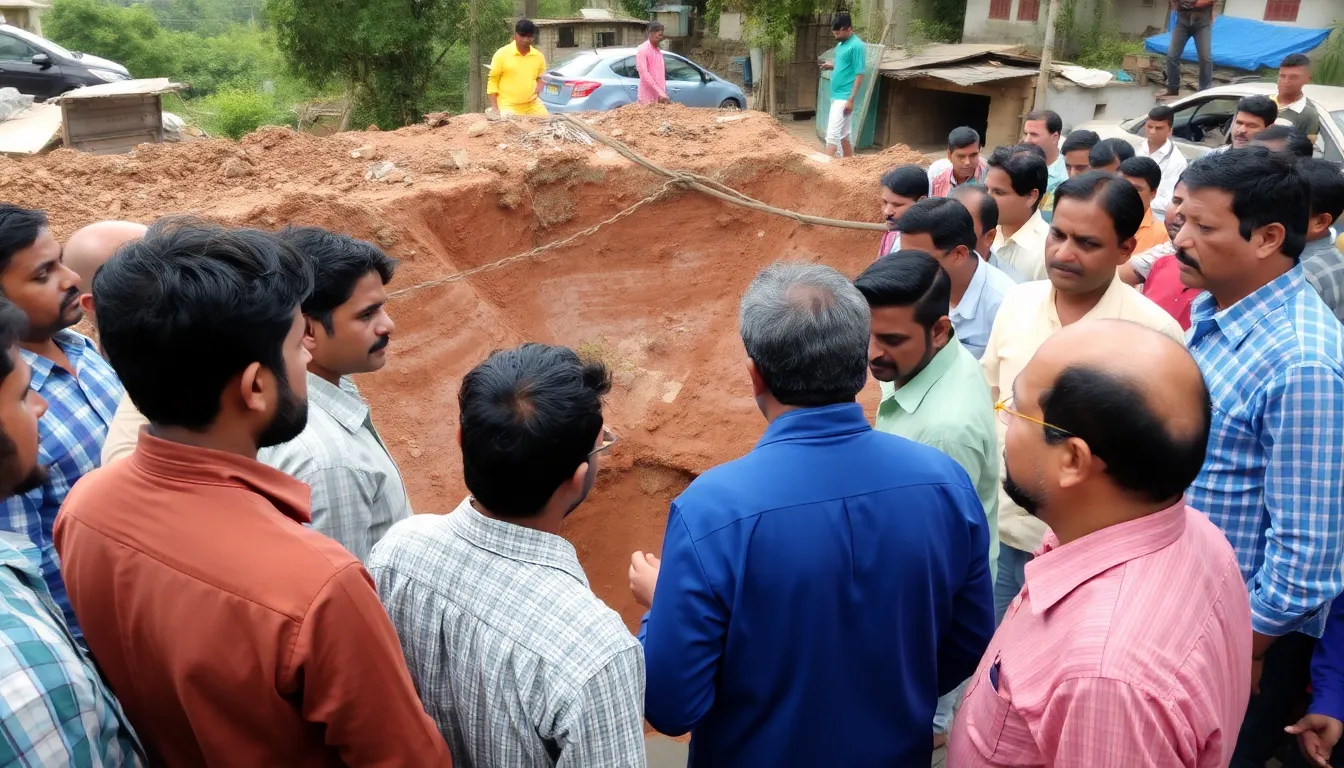
Advocacy groups focused on human rights and public safety are also key stakeholders. They are likely to leverage this incident to push for stronger regulations regarding open pits and other hazardous conditions. This situation raises significant legal issues, particularly concerning liability and the duty of care owed by local authorities to residents. The potential for litigation may influence how the government responds to demands for change.
- Public Safety Concerns: The need for immediate measures to secure open pits and prevent future accidents.
- Legal Accountability: The question of who is responsible for the man’s death and the implications for local governance.
- Community Advocacy: The role of residents and activists in demanding transparency and reforms.
- Government Response: Balancing public outrage with the need for a measured, effective response.
This incident serves as a poignant reminder of the ongoing struggles between community safety, governmental responsibility, and the need for systemic change in infrastructure management. The interplay of these interests will shape the discourse surrounding this tragedy and influence future policy decisions.
The broader implications for community safety and emergency services
The tragic drowning of an Indian man in an open pit after pleading for help has raised significant concerns among various communities and sectors. Primarily, local residents and families are deeply affected, grappling with the emotional fallout of the incident. This event has sparked outrage and calls for improved safety measures, highlighting the vulnerabilities faced by individuals in similar situations.
Emergency services, particularly in urban areas, are under scrutiny as the incident questions their responsiveness and effectiveness. The public’s trust in these services may waver, leading to a demand for reforms and better training for first responders. Additionally, local governments may face pressure to implement stricter safety regulations for construction sites and public spaces to prevent similar tragedies.
In the short term, businesses operating near the site of the incident may experience a decline in foot traffic as community members express their discontent. Local industries, particularly those related to construction and public safety, might see a shift in public perception, with increased scrutiny on their practices. This could lead to a temporary downturn in business as consumers prioritize safety over convenience.
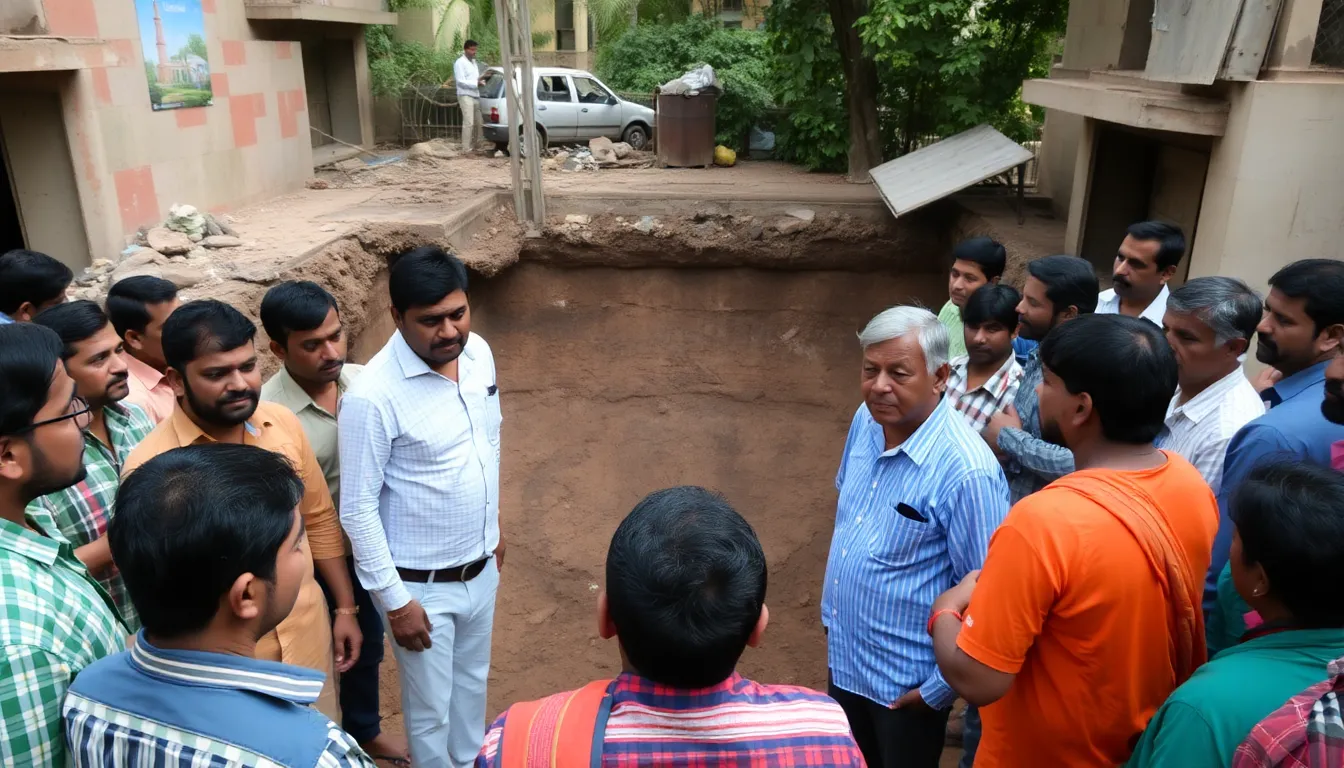
- Increased demand for safety audits and inspections in public spaces.
- Potential rise in community advocacy groups focused on emergency response improvements.
- Short-term financial impact on local businesses due to decreased customer confidence.
In the mid-term, this incident may catalyze policy changes at both local and national levels. Authorities may be compelled to invest in better infrastructure and emergency response training, creating opportunities for companies specializing in safety equipment and training services. Moreover, community engagement initiatives could emerge, fostering collaboration between residents and local governments to enhance public safety measures.
While the immediate aftermath is fraught with risk, including public unrest and potential legal repercussions for responsible parties, there exists an opportunity for positive change. By addressing the root causes of such incidents, communities can work towards a safer environment, ultimately benefiting both residents and local businesses through improved public trust and safety standards.
A: An Indian man drowned in an open pit after reportedly begging for help for several hours, highlighting serious issues with emergency response. A: The man was unable to escape the pit and did not receive timely assistance despite his pleas for help. A: Authorities are investigating the incident and reviewing emergency response protocols to prevent similar tragedies in the future. A: The community has expressed outrage and demands accountability for the lack of assistance provided to the man. A: Open pits pose significant safety hazards, especially if they are not properly marked or secured, leading to potential accidents.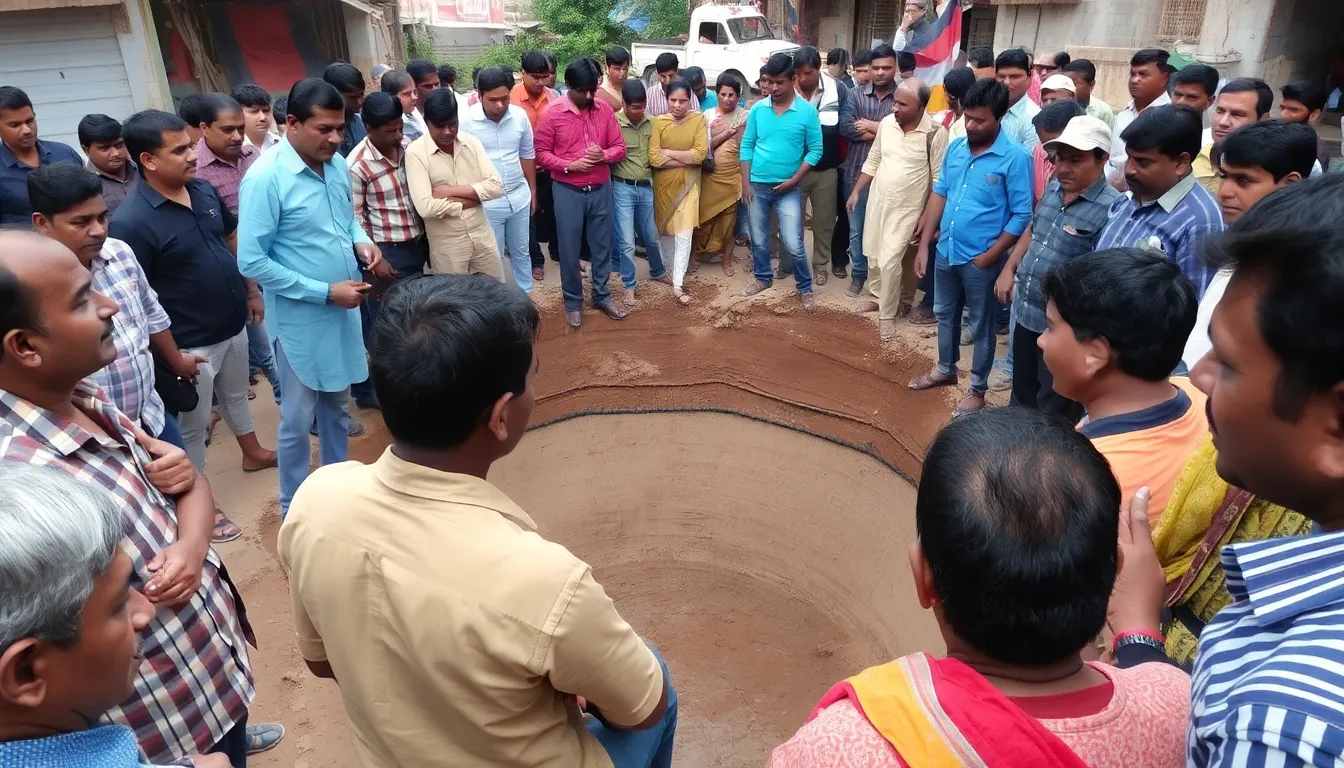
Frequently asked questions about the incident
Key takeaways and future implications of the incident
The tragic drowning of an Indian man in an open pit while pleading for help highlights significant gaps in emergency response systems and community support mechanisms. This incident not only raises concerns about public safety but also reflects on the societal attitudes towards those in distress. It serves as a stark reminder of the need for improved infrastructure and community awareness to prevent similar tragedies in the future.
As discussions continue around this incident, it is essential to consider the broader implications for policy changes and community engagement. Ensuring that vulnerable individuals receive timely assistance and that public spaces are adequately monitored could be pivotal in preventing future occurrences.
- Increased advocacy for better emergency response training among bystanders and local authorities.
- Potential for policy reforms focusing on public safety and infrastructure improvements in urban areas.
- Encouragement of community programs aimed at fostering empathy and support for individuals in crisis.
- Need for regular assessments of public spaces to identify and mitigate hazards like open pits.
- Promotion of awareness campaigns to educate the public on how to respond effectively to emergencies.