
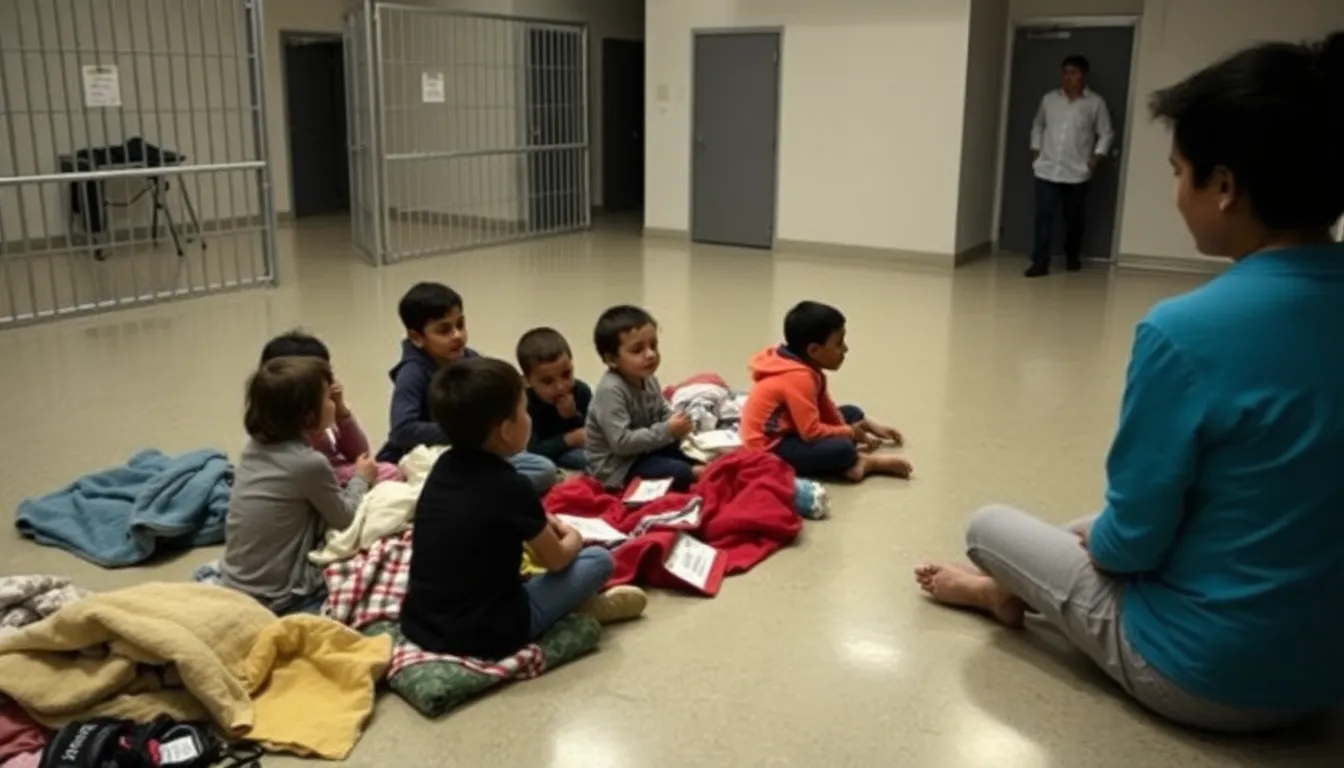
Reports indicate that thousands of children are currently held in detention centers across the country, causing significant concern for their well-being and development. Many organizations, including the American Civil Liberties Union (ACLU), have criticized these conditions, highlighting the emotional and psychological distress experienced by the minors.
In recent months, the administration has defended its policies by citing national security concerns and the need to enforce immigration laws. However, critics argue that the detention of children violates their rights and can have long-lasting negative impacts on their development. The debate over these practices has intensified, with various advocacy groups calling for policy reforms.
As the situation evolves, attention is also being directed towards the legal processes that follow detention. Many children are placed in lengthy immigration proceedings, with uncertain outcomes regarding their future in the United States. The administration’s handling of these cases raises significant questions about the rights of immigrant children and the responsibilities of the U.S. government.
Background on immigration policies under the Trump administration
Understanding the context of this policy requires examining the historical landscape of immigration in the United States, particularly through the lens of political motivations that underpinned these decisions.
Historically, the U.S. has grappled with immigration issues, often oscillating between periods of openness and restrictive policies. The 1990s and early 2000s saw a rise in immigration, leading to various legislative attempts to reform the system. However, it was the surge of unaccompanied minors from Central America in the early 2010s that set the stage for the Trump administration’s policies. This influx raised concerns over border security and the welfare of children, which were amplified by political rhetoric that framed immigration as a national crisis.
Key milestones in immigration policy
One of the most significant milestones was the implementation of the “zero tolerance” policy in 2018, which mandated the prosecution of all individuals crossing the border illegally. This policy led to the separation of thousands of children from their parents, resulting in widespread public outcry and legal challenges. Additionally, the administration sought to expedite the detention process, often placing children in facilities that critics described as inadequate and harmful.
Economic factors also played a role, as the administration argued that strict immigration enforcement would protect American jobs and reduce costs associated with social services for undocumented immigrants. However, this perspective often overlooked the contributions of immigrant families to the economy and the complexities of their situations. As a result, the policies not only affected the children detained but also sparked broader debates about immigration reform and human rights in the U.S.
Overall, the Trump administration’s immigration policies were shaped by a confluence of historical precedents, political agendas, and socio-economic concerns, leading to a controversial legacy that continues to influence discussions on immigration in America today.
Key stakeholders and issues surrounding child detention
The issue of immigrant child detention in the United States involves a complex web of stakeholders, including various federal and state agencies and non-governmental organizations (NGOs), each reflecting broader political ideologies regarding immigration and border security.
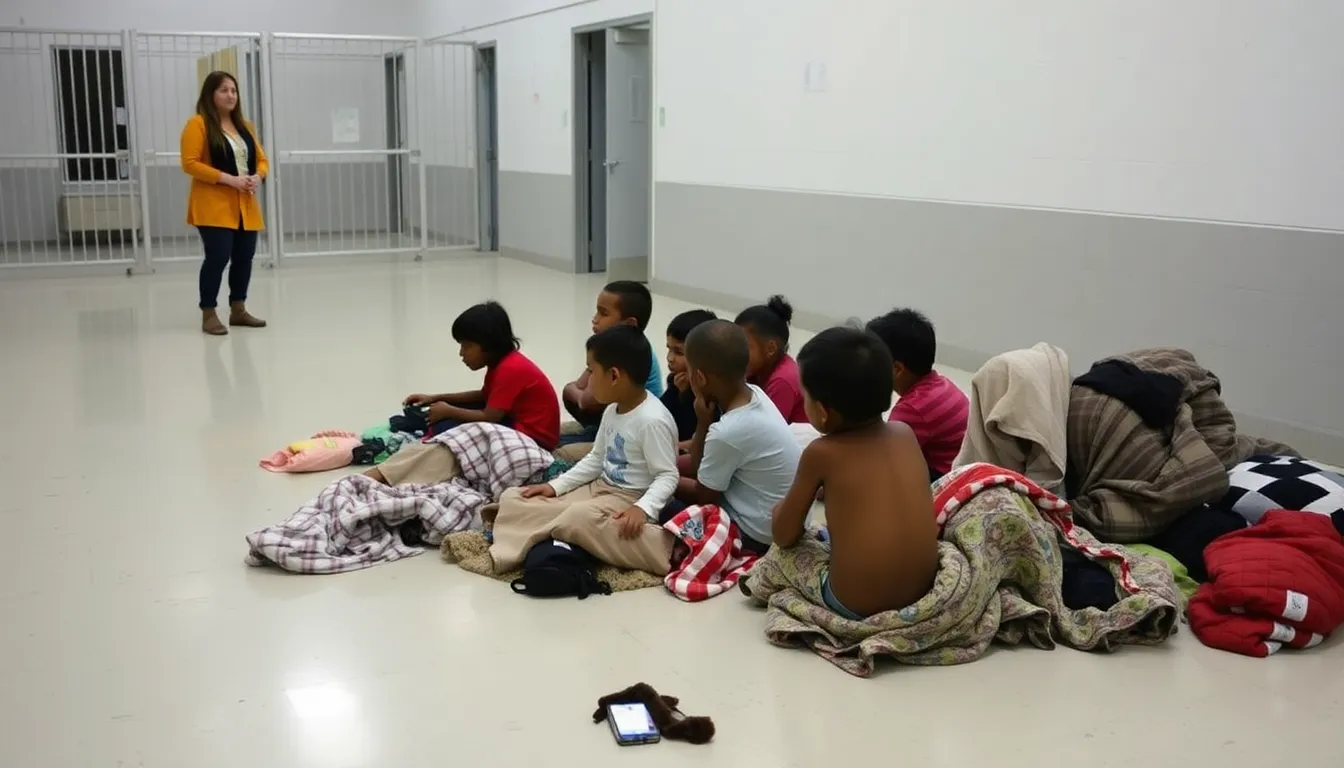
One of the primary stakeholders is the Trump administration, which has prioritized strict immigration enforcement. Their interest lies in deterring illegal immigration through policies that include the detention of minors. This approach is often justified by the administration as a necessary measure to ensure national security and uphold the rule of law.
On the other hand, NGOs and advocacy groups, such as the American Civil Liberties Union (ACLU) and UNICEF, argue that detaining children is inhumane and detrimental to their well-being. They emphasize the psychological and emotional impact of detention on minors, advocating for alternatives to incarceration that prioritize family unity and the best interests of the child.
- Legal Issues: The detention of children raises significant legal questions, including compliance with the Flores Settlement Agreement, which mandates that minors must be held in the least restrictive setting possible.
- Economic Considerations: The financial burden of maintaining detention facilities and the potential costs associated with legal challenges present economic trade-offs for the government.
- Public Opinion: The public’s reaction to child detention policies can influence political decisions, creating pressure on lawmakers to reconsider current practices.
- Health and Safety: Concerns about the health and safety of detained children highlight the need for humane treatment and adequate care within detention facilities.
Ultimately, the intersection of these interests and issues creates a challenging landscape for policymakers, as they navigate the competing demands of security, humanitarian concerns, and legal obligations. Understanding these dynamics is crucial for comprehending the broader implications of child detention in the context of U.S. immigration policy.
Effects on detained children and their families
The Trump administration’s policy of detaining immigrant children has far-reaching implications for various groups, particularly the children themselves and their families. These children often come from vulnerable backgrounds, fleeing violence or poverty in their home countries. The impact of their detention extends beyond their immediate circumstances, affecting their families and communities both in the U.S. and abroad.
In the short term, families face emotional and financial distress as they navigate the complexities of the immigration system. Many parents are left without their children, leading to increased anxiety and uncertainty about their futures. This separation can cause long-lasting psychological effects on both the children and their families.
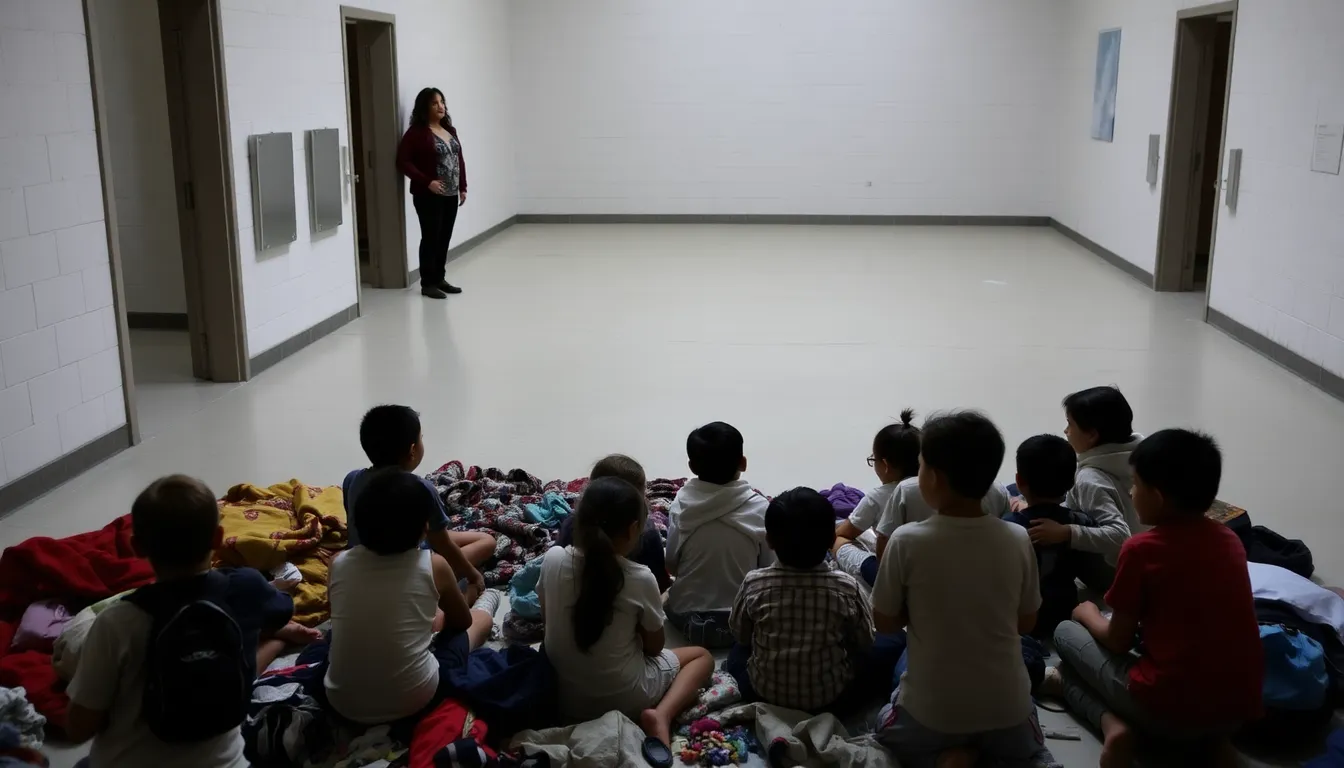
In the mid-term, the detention of immigrant children can lead to broader societal implications. Communities may experience heightened tensions as debates over immigration policy intensify. Local businesses may also feel the impact, particularly those that rely on immigrant labor or serve immigrant communities. The uncertainty surrounding immigration policies can deter investment and economic growth in regions with high immigrant populations.
- Emotional toll: Increased anxiety and trauma among detained children and their families.
- Community impact: Strain on local resources and services as families seek support.
- Economic consequences: Potential decrease in local business revenues due to reduced immigrant workforce.
- Policy shifts: Ongoing debates may lead to changes in local and national immigration policies.
While the risks are significant, there are also potential opportunities for advocacy and reform. Organizations focused on immigrant rights may gain momentum, fostering community solidarity and pushing for policy changes that prioritize the well-being of children and families. This could lead to a renewed focus on humane immigration practices and support systems for those affected.
A: Immigrant children are being detained as part of the Trump administration’s broader immigration enforcement strategy, which aims to deter illegal immigration. A: After detention, children may be placed in shelters or foster care while their immigration cases are processed, which can take months or years. A: Yes, detained children have certain legal protections under U.S. law, including the right to legal representation and humane treatment. A: Detention can have severe psychological impacts on children, leading to anxiety, depression, and trauma due to separation from their families. A: The public response has been largely critical, with protests and advocacy efforts aimed at ending the practice and improving conditions for detained children.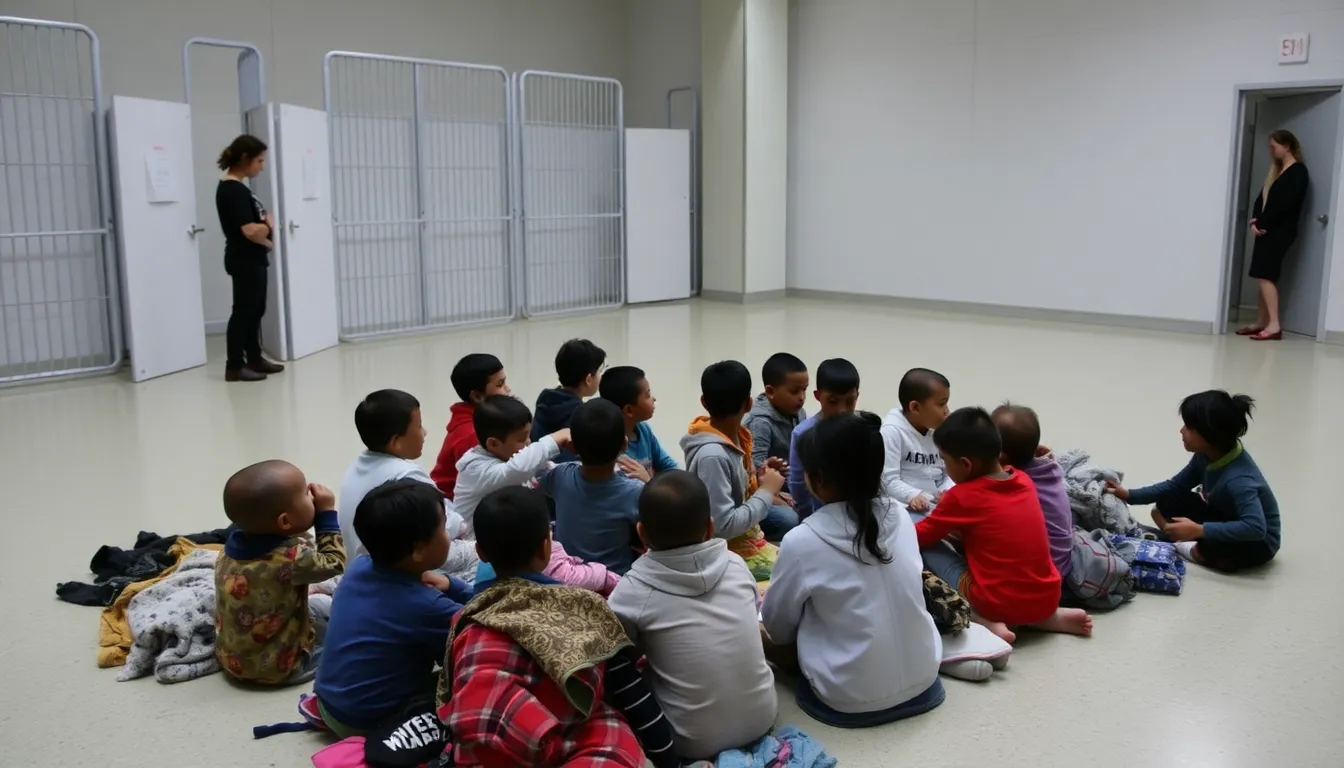
Frequently asked questions about immigrant child detention
Key takeaways and future outlook on immigrant child detention
The ongoing situation surrounding the detention of immigrant children under the Trump administration raises significant concerns about the welfare of these vulnerable populations. As policies evolve, understanding the implications for both the children and the broader immigration system is essential. The future of these children remains uncertain, with potential long-term effects on their mental and emotional health, as well as their integration into society.
Looking ahead, it is crucial to monitor how legal challenges, public opinion, and policy changes will shape the landscape of immigrant child detention. The outcomes of these factors will not only impact the children currently in detention but also influence future immigration practices and the treatment of minors seeking refuge.
- Legal Developments: Keep an eye on ongoing court cases that challenge the legality of current detention practices.
- Policy Changes: Watch for shifts in immigration policy that could alter the approach to detaining minors.
- Public Sentiment: Public opinion plays a critical role; changes in societal attitudes may drive reform efforts.
- Support Services: The availability and effectiveness of support services for detained children will be crucial for their well-being.
- Long-term Effects: Consider the potential long-term psychological impacts on children who have experienced detention.