
The Pakistani military has stated that the strikes aim to eliminate threats posed by groups such as the Tehrik-i-Taliban Pakistan (TTP), which has carried out numerous attacks within Pakistan. For more on regional security issues, see the article on genocide in Sudan. Afghan officials have condemned the strikes, asserting that they violate Afghanistan’s sovereignty and could exacerbate existing tensions between the two countries. This situation underscores the fragile security dynamics in a region still recovering from decades of conflict.
Analysts suggest that these military actions reflect Pakistan’s growing impatience with the Afghan Taliban’s inability or unwillingness to control militant groups that threaten Pakistan’s security. The strikes have reportedly resulted in numerous casualties, although exact figures remain disputed, highlighting the challenges of obtaining reliable information in conflict zones.
The international community is closely monitoring the developments, with calls for restraint from both sides. The situation is further complicated by the humanitarian crisis in Afghanistan, where millions are already facing food insecurity and displacement. As military actions escalate, the potential for civilian casualties raises urgent ethical and humanitarian concerns.
Understanding the historical tensions between Pakistan and Afghanistan
The relationship between Pakistan and Afghanistan has been fraught with tension since the partition of British India in 1947. The creation of Pakistan as a separate nation led to disputes over territory, particularly concerning the Pashtun-dominated areas that straddle the border. The Durand Line, drawn in 1893, has been a significant point of contention, with Afghanistan historically rejecting its legitimacy and claiming the territories on its side as part of its own national identity.
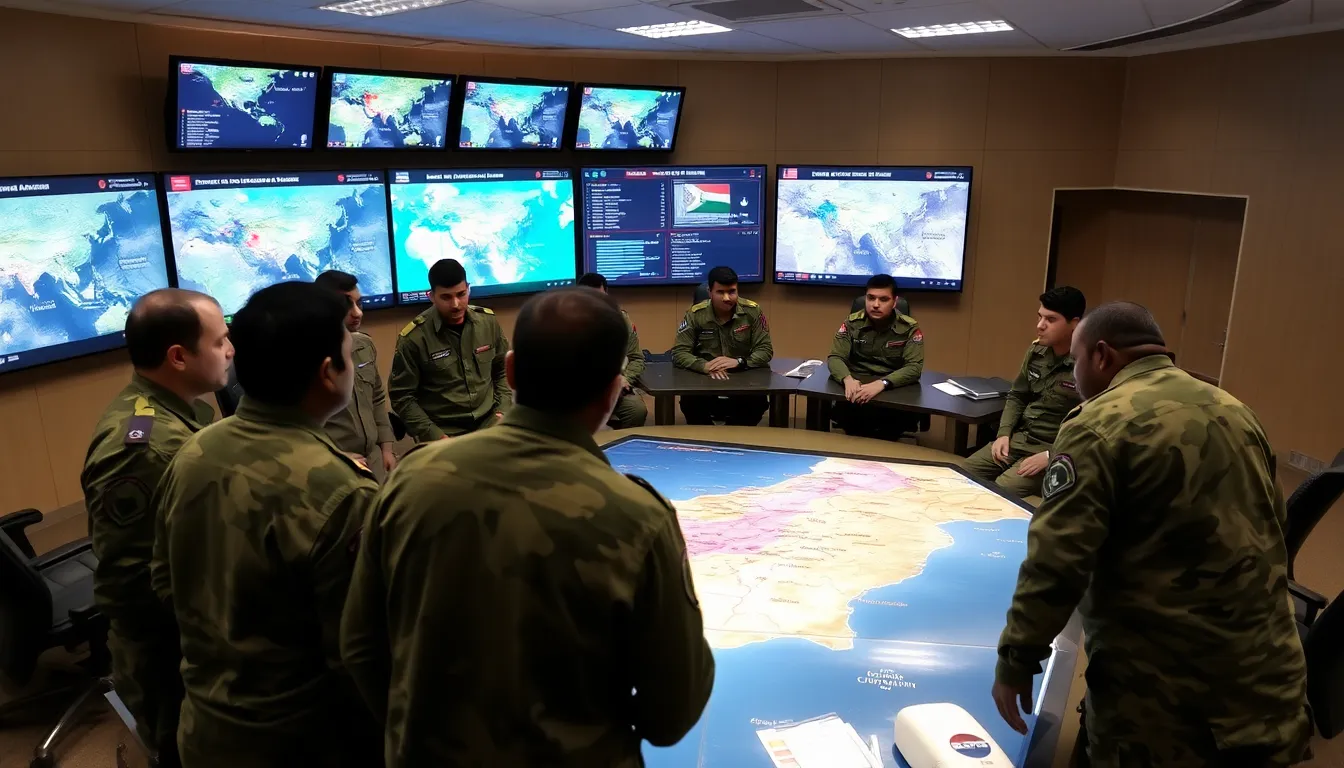
In the decades that followed, various geopolitical factors exacerbated the tensions. The Soviet invasion of Afghanistan in 1979 prompted Pakistan to support the Mujahideen resistance, further entrenching its influence in Afghan affairs. This involvement laid the groundwork for future conflicts, as Pakistan’s backing of certain factions often clashed with the interests of other groups within Afghanistan, leading to a cycle of violence and instability.
The Rise of the Taliban
The emergence of the Taliban in the 1990s marked a pivotal moment in Pakistan-Afghanistan relations. Pakistan was instrumental in the Taliban’s rise to power, viewing the group as a means to establish a friendly regime in Kabul. However, the Taliban’s strict interpretation of Islam and their harboring of terrorist groups, including Al-Qaeda, eventually led to international condemnation and military intervention by the United States after the September 11 attacks in 2001. This intervention not only dismantled the Taliban regime but also complicated Pakistan’s role in the region, as it found itself caught between supporting U.S. interests and managing its own security concerns. If you’re interested in the consequences of military interventions, read about military valor in Russia.
In recent years, the resurgence of the Taliban and the withdrawal of U.S. troops from Afghanistan have reignited tensions. Pakistan’s military operations against militant groups within its borders have often been met with accusations of harboring Afghan insurgents, leading to a cycle of retaliatory strikes. The recent deadly strikes by Pakistan on Afghan territory can be seen as a continuation of this long-standing conflict, fueled by a complex mix of historical grievances, political maneuvering, and ongoing security challenges.
Key stakeholders and issues surrounding the conflict
The recent escalation of violence between Pakistan and Afghanistan has drawn attention to a complex web of stakeholders and issues. The primary actors in this conflict include the governments of Pakistan and Afghanistan, various militant groups, and regional powers that influence the dynamics between these two nations.
Pakistan, represented by its military and government, is primarily concerned with national security and territorial integrity. The Pakistani government aims to eliminate militant threats that it perceives as emanating from Afghan territory. Conversely, Afghanistan, under its current administration, seeks to assert sovereignty and maintain stability within its borders while managing the ongoing influence of the Taliban and other insurgent groups.
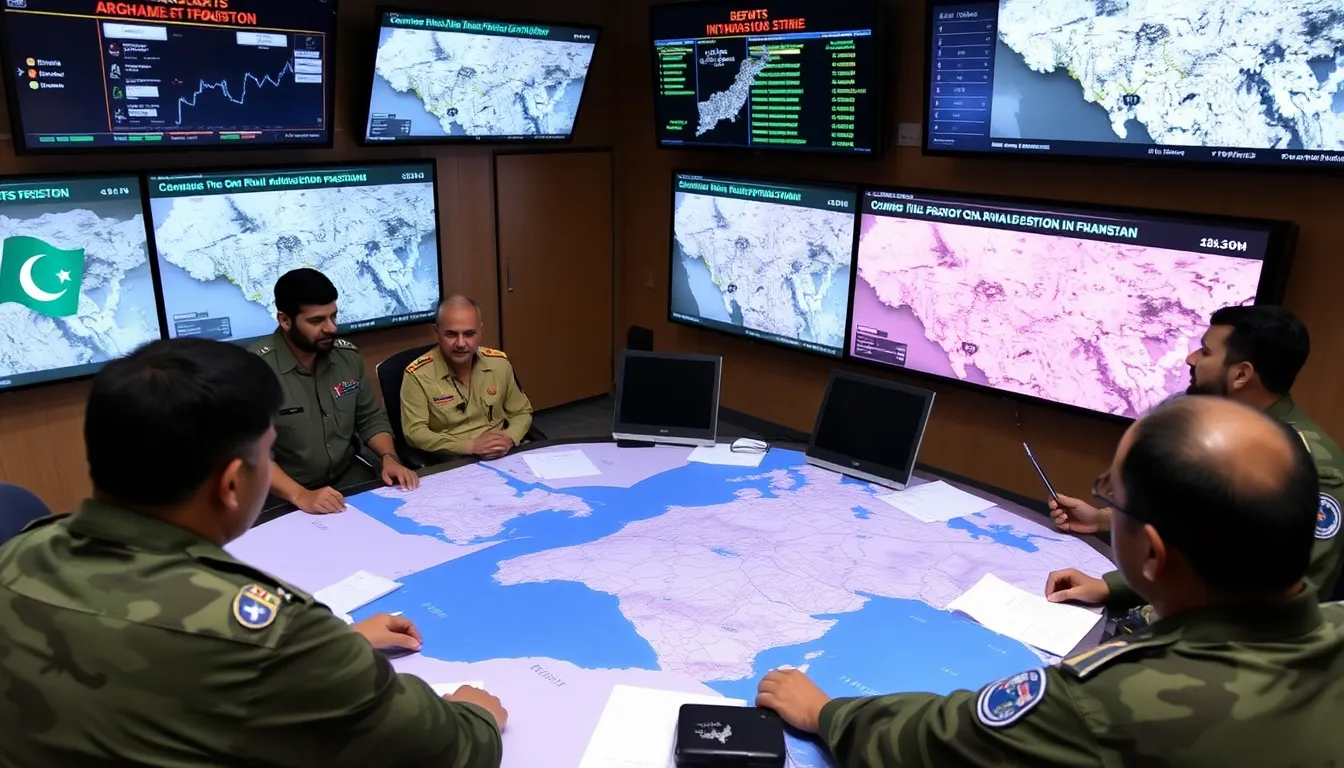
Key issues at play include cross-border militancy, refugee crises, and economic sanctions. The conflict has led to significant humanitarian concerns, particularly regarding displaced populations and their impact on both countries’ resources. Additionally, the legal ramifications of military actions, including potential violations of international law, complicate the situation further.
- Militant Groups: Various factions, including the Tehrik-i-Taliban Pakistan (TTP) and the Afghan Taliban, play a crucial role in exacerbating tensions.
- Regional Powers: Countries like India and China have vested interests in the stability of the region, often influencing Pakistan and Afghanistan’s policies.
- International Community: The role of organizations such as the United Nations and NATO is critical in mediating peace efforts and providing humanitarian aid.
- Economic Impact: The conflict affects trade routes and economic stability, limiting opportunities for both nations.
- Legal Issues: Questions of sovereignty and international law arise from military actions taken by both sides.
The humanitarian and geopolitical impact of the strikes
The recent military strikes by Pakistan on Afghanistan have significant implications for various groups and regions. The immediate impact is felt most acutely by civilians in the border areas, particularly in Afghanistan, where families may be displaced or face casualties. The humanitarian crisis is exacerbated by the already precarious situation in Afghanistan, where many communities struggle with basic needs. To understand more about international humanitarian issues, refer to the article on restrictions on vaping and its social implications.
Industries such as agriculture and trade in both Pakistan and Afghanistan are also affected. The strikes may disrupt supply chains, leading to shortages of essential goods and increased prices. Farmers in border regions may find their livelihoods threatened as conflict escalates, and cross-border trade becomes more hazardous.
In the short term, the strikes could lead to heightened tensions between the two nations, impacting diplomatic relations and potentially leading to retaliatory actions. This could result in a cycle of violence that disrupts daily life for residents in border regions and affects policy decisions regarding security and military presence.
- Increased humanitarian needs and displacement of civilians.
- Disruption of trade and agricultural activities.
- Heightened security measures affecting daily life.
- Potential for escalated military engagement in the region.
In the mid-term, there may be opportunities for international organizations to intervene and provide humanitarian aid, which could foster cooperation between nations. However, the risks of prolonged conflict remain, potentially leading to further destabilization and a humanitarian crisis that could spill over into neighboring regions.
A: The strikes were reportedly in response to cross-border attacks attributed to militant groups operating from Afghanistan. This has been a long-standing issue affecting bilateral relations. A: Various nations and organizations have expressed concern over the escalation of violence, urging both sides to engage in dialogue to prevent further conflict. A: Civilians are at significant risk due to military actions, facing displacement and loss of life. Humanitarian organizations are calling for urgent aid and protection measures. A: Yes, some countries are facilitating discussions between Pakistan and Afghanistan to address underlying issues and promote peace. A: The long-term effects may include increased instability in the region, potential retaliatory actions, and a humanitarian crisis if the conflict escalates further.
Frequently asked questions about the situation
Looking ahead: potential outcomes and implications
The recent military actions taken by Pakistan against targets in Afghanistan underscore the complexities of regional security dynamics. As tensions escalate, the ramifications are likely to extend beyond immediate borders, influencing diplomatic relations and internal stability in both nations. Observers should monitor how these developments may shift alliances and impact ongoing peace efforts in Afghanistan.
Furthermore, the response from international stakeholders, including neighboring countries and global powers, will be crucial in shaping the next steps. The potential for increased conflict or diplomatic negotiations hinges on the reactions of both governments and the international community.
- Increased regional tensions: The strikes may lead to retaliatory actions, heightening instability in border areas.
- Impact on Afghan governance: Continued military pressure could undermine efforts for a cohesive Afghan government and peace process.
- International diplomatic responses: Watch for statements and actions from major powers that could influence Pakistan and Afghanistan’s strategic decisions.
- Humanitarian implications: Civilian casualties and displacement may rise, prompting a humanitarian crisis that requires international attention.
- Potential shifts in alliances: Countries in the region may reassess their alliances based on the evolving security landscape.