
China has also weighed in on the situation, emphasizing its interest in maintaining stability in the Strait. On October 10, Chinese officials stated that they would support efforts to ensure safe passage for commercial vessels, while urging dialogue to resolve tensions. This stance reflects China’s broader strategy to assert its influence in the region while balancing relations with both the U.S. and Iran, as highlighted in China’s Influence in Latin America and the US Response.
In response to the evolving security landscape, several U.S. allies, including the United Kingdom and France, have indicated a willingness to contribute naval assets to a coalition aimed at safeguarding shipping lanes. Discussions among these nations were reportedly held in early October, with plans for a coordinated presence in the Strait to deter potential aggression from Iranian forces.
The situation remains fluid, with the potential for escalation as military deployments are considered. Analysts note that the involvement of multiple nations could either enhance security or complicate diplomatic efforts in the region. As tensions continue, the international community is closely monitoring developments, recognizing the strategic importance of the Strait of Hormuz for global energy supplies.
Historical Context of Maritime Security in the Region
The Strait of Hormuz has long been a critical chokepoint for global oil transportation, with approximately 20% of the world’s oil passing through its waters. Its strategic importance has made it a focal point for international maritime security discussions, particularly among U.S. allies and regional powers like Iran. The historical tensions in this area can be traced back to the 1979 Iranian Revolution, which led to a significant shift in power dynamics in the Middle East and increased U.S. military presence in the region to safeguard shipping routes.
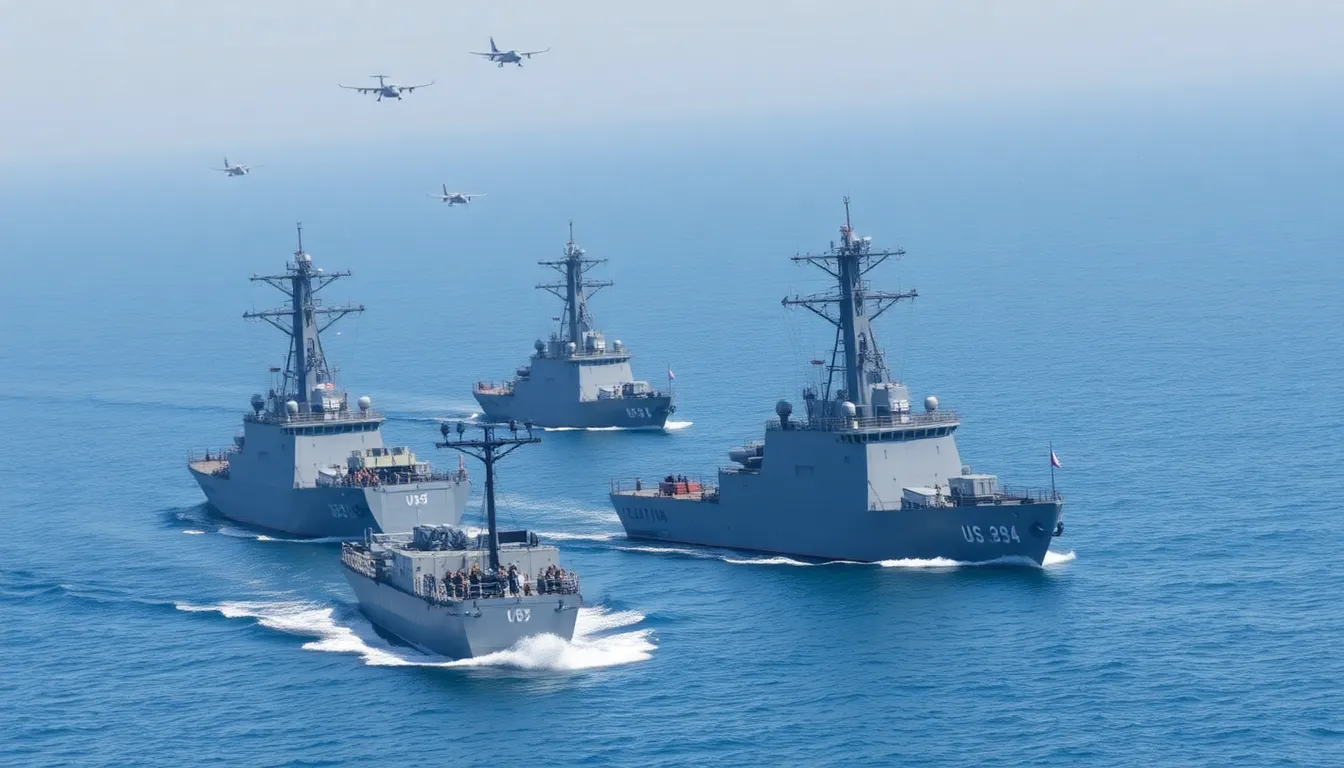
In the years following the revolution, incidents such as the Iran-Iraq War (1980-1988) further destabilized the region, prompting the U.S. to implement Operation Earnest Will in the late 1980s. This operation aimed to protect Kuwaiti oil tankers from Iranian attacks, marking a notable U.S. military engagement in the Gulf. The subsequent Gulf War in 1990-1991 reinforced the U.S. commitment to maintaining maritime security in the Strait, as coalition forces sought to ensure the free flow of oil and protect allied interests, a topic further explored in Iran’s Hormuz Stranglehold Upends Markets and Geopolitics.
Recent Developments and International Responses
In recent years, tensions have escalated again, particularly with the U.S. withdrawal from the Iran nuclear deal in 2018 and the subsequent re-imposition of sanctions on Iran. These actions have led to increased Iranian hostility towards U.S. allies in the region, resulting in incidents such as the seizure of oil tankers and attacks on shipping vessels. In response, the U.S. has sought to build coalitions with allies, including the United Kingdom and Australia, to enhance maritime security in the Strait of Hormuz.
The involvement of U.S. allies has been crucial, as nations like the UK have expressed their commitment to ensuring safe passage through the Strait. This collaborative approach highlights the importance of international partnerships in addressing maritime security challenges. However, China’s growing influence in the region complicates the situation, as it has expressed a desire to protect its own shipping interests, leading to potential friction with U.S. strategies.
Overall, the historical context of the Strait of Hormuz is marked by a complex interplay of regional conflicts, international alliances, and economic interests, all of which continue to shape the current discourse surrounding maritime security and the involvement of global powers in the area.
Key Stakeholders and Their Positions on the Issue
The Strait of Hormuz is a critical maritime chokepoint for global oil shipments, making it a focal point for international relations, particularly among U.S. allies and China. Several key stakeholders have emerged in the discourse surrounding the deployment of naval ships to this region.
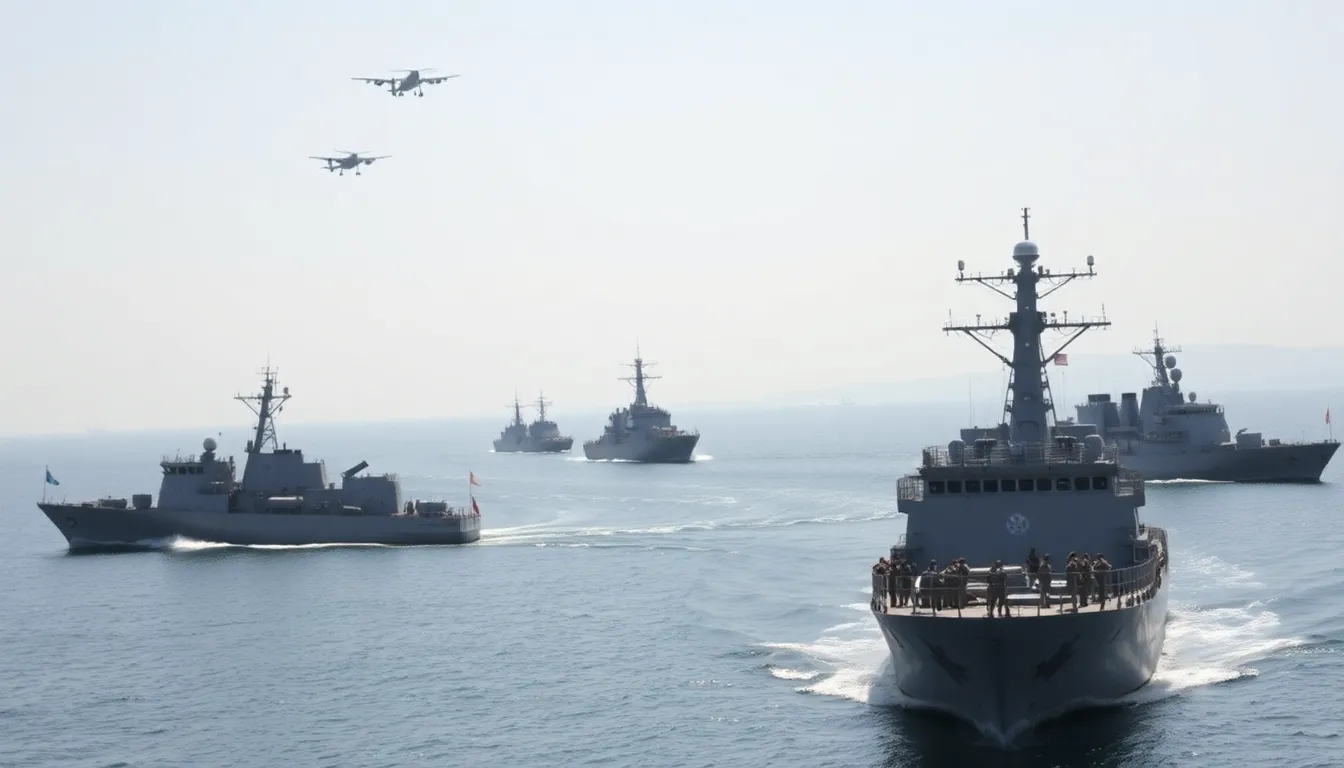
First, the United States, under the Biden administration, has expressed a strong interest in maintaining freedom of navigation in the Strait. The U.S. aims to deter any aggressive actions by Iran, which has threatened to disrupt shipping lanes. The U.S. military presence in the region is seen as a stabilizing force, ensuring that oil supplies remain uninterrupted for both domestic and global markets.
Allied nations, including the United Kingdom, France, and Japan, have shown varying degrees of support for U.S. initiatives in the Strait of Hormuz. These countries have economic interests tied to oil imports and are concerned about the potential for conflict that could arise from Iranian provocations. Their involvement may also be influenced by commitments to collective security agreements, such as NATO, which emphasize the importance of safeguarding international trade routes.
China presents a contrasting perspective. As a major importer of oil from the Middle East, China advocates for diplomatic solutions to tensions in the Strait. Beijing has expressed concerns that increased military presence from the U.S. and its allies could escalate conflicts rather than resolve them. Additionally, China has been expanding its naval capabilities and interests in the region, which complicates the dynamics of international shipping security, especially in the context of Is the UK government prepared for rising oil prices?
- The U.S. aims to ensure freedom of navigation and deter Iranian aggression.
- Allies like the UK and Japan are motivated by economic interests and collective security commitments.
- China seeks diplomatic resolutions and is wary of military escalations in the Strait.
- Potential conflicts arise over differing approaches to security and trade in the region.
- The balance of power in the Strait is influenced by both military presence and economic dependencies.
Potential Impacts on Global Trade and Regional Stability
The decision by the United States and its allies, along with China, to send naval ships to the Strait of Hormuz is poised to affect a variety of groups and industries. Key stakeholders include shipping companies, oil producers, and regional governments. The Strait of Hormuz is a critical chokepoint for global oil transportation, with approximately 20% of the world’s oil passing through this narrow waterway. Any disruptions or escalations in military presence could lead to significant implications for these sectors.
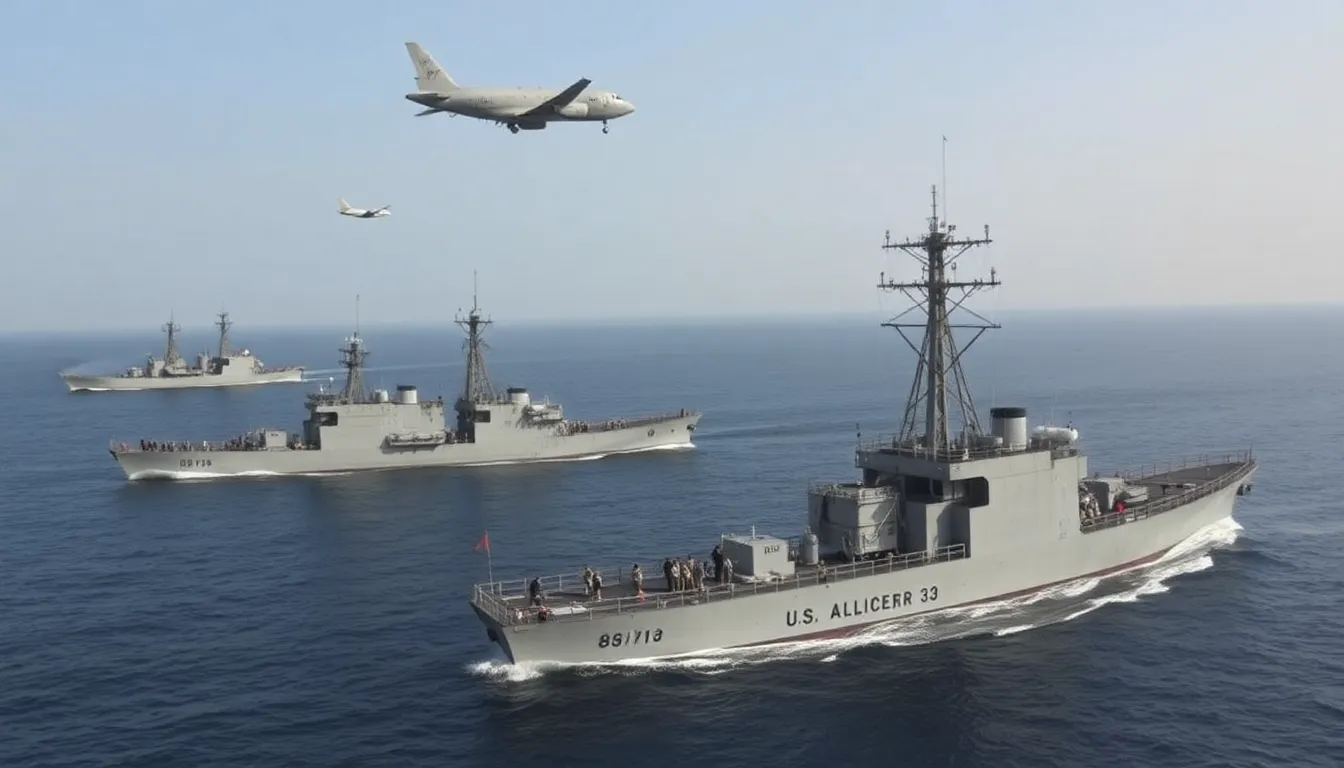
In the short term, businesses involved in international shipping may experience increased insurance costs and shipping delays. The heightened military presence could lead to heightened tensions in the region, prompting shipping companies to reroute vessels or implement additional safety measures. This could result in increased operational costs, which may be passed on to consumers, affecting prices of goods globally.
In the mid-term, the geopolitical landscape could shift, influencing energy policies and trade agreements. Countries reliant on oil imports may seek alternative routes or sources, potentially leading to increased investments in renewable energy or alternative energy supplies. Additionally, regional governments may respond by enhancing their own military capabilities, leading to an arms race that could further destabilize the area.
- Shipping Industry: Increased costs and potential delays.
- Oil Markets: Fluctuations in oil prices due to perceived risks.
- Regional Security: Heightened military tensions and potential for conflict.
- Policy Changes: Shift in energy policies and trade agreements.
While risks abound, there are potential opportunities for businesses to innovate. Companies may invest in new technologies for safer shipping practices or explore alternative energy sources. Additionally, nations may strengthen alliances and partnerships, leading to collaborative efforts in ensuring maritime security, which could enhance trade stability in the long run.
A: Increased tensions in the region, particularly related to oil shipping routes and geopolitical conflicts, have led to calls for enhanced naval presence. A: US allies have expressed varying degrees of support, with some countries indicating readiness to participate while others remain cautious due to potential escalation. A: China has criticized the idea, emphasizing the need for diplomatic solutions and warning against military escalation in the region. A: Any military presence in the Strait could disrupt oil shipping, potentially leading to increased prices and volatility in global markets. A: Yes, there have been previous instances where military forces were deployed to protect shipping lanes, particularly during periods of heightened tensions.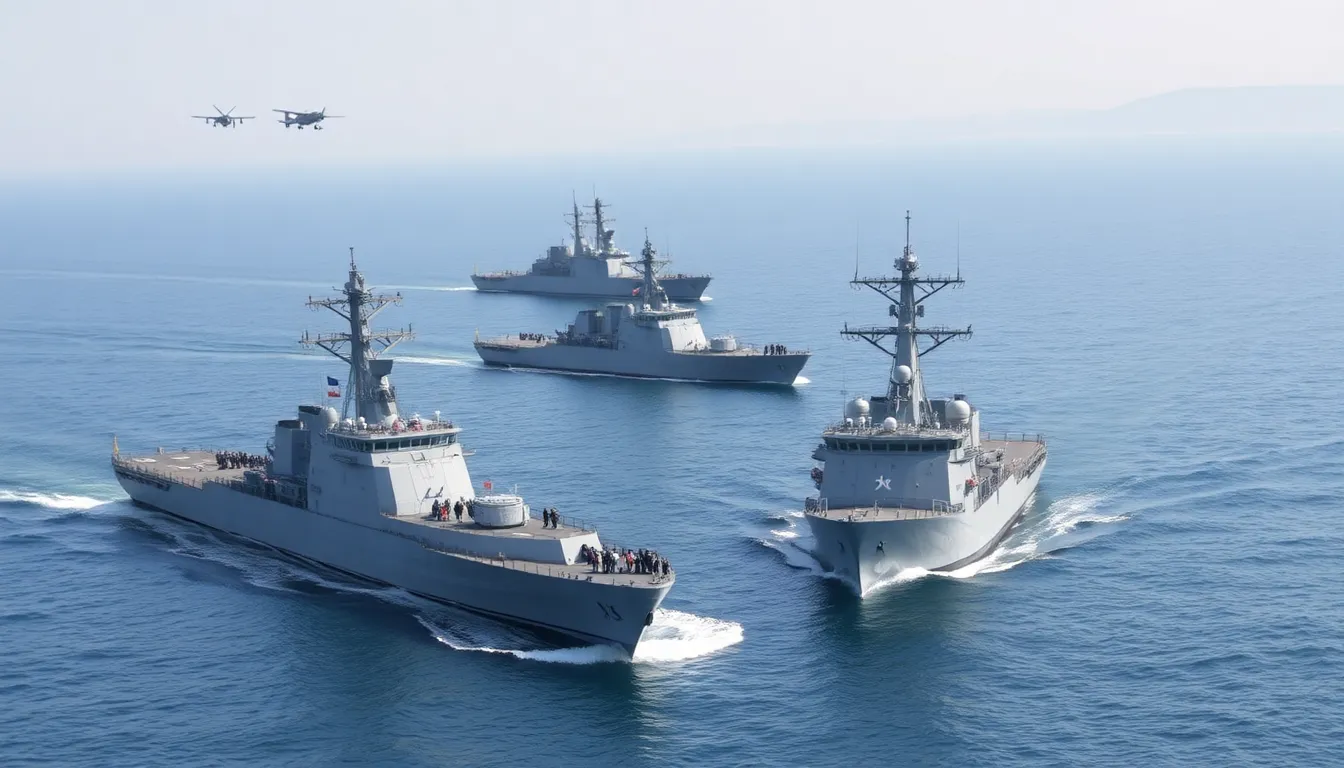
Frequently Asked Questions About the Situation
Key Takeaways and Future Outlook on Naval Activities
The ongoing discussions and actions regarding naval deployments to the Strait of Hormuz reflect a complex interplay of geopolitical interests among US allies and China. As tensions in the region continue to rise, the strategic implications of these naval movements warrant close attention. The decisions made by various nations will not only influence regional security but also shape global trade dynamics and the balance of power in maritime operations.
Monitoring the responses from both US allies and China will be crucial in understanding the evolving security landscape. The potential for increased military presence in the Strait could lead to heightened tensions, necessitating diplomatic efforts to prevent escalation and ensure freedom of navigation in this vital waterway.
- Increased Naval Presence: Expect a potential uptick in joint exercises and patrols by US allies, aimed at reinforcing collective security in the region.
- China’s Strategic Interests: Watch for China’s responses, which may include bolstering its naval capabilities or seeking to expand its influence in the region.
- Impact on Global Trade: Any escalation in military activities could disrupt shipping routes, affecting oil prices and global supply chains.
- Diplomatic Efforts: Observe the diplomatic initiatives that may arise as nations seek to balance military readiness with dialogue to mitigate conflict.
- Regional Alliances: The situation may lead to new alliances or partnerships among nations in the region, reshaping security dynamics.