
In early September, reports emerged of Iranian forces seizing commercial vessels, further heightening fears of potential disruptions to oil supplies. The U.S. and its allies have responded by increasing naval patrols in the area, aiming to ensure the safe passage of ships through the strait. This military buildup underscores the precarious balance of power in the region and the potential for conflict to impact global markets, as explored in our article on the impact of the Iran war on global oil and gas reliance.
The implications of these developments extend beyond immediate regional security. The Strait of Hormuz is responsible for approximately 20% of the world’s oil supply, making any disruption a significant concern for global economies. Analysts warn that sustained tensions could lead to spikes in oil prices, affecting everything from consumer costs to inflation rates in major economies, akin to the challenges discussed in our analysis of G7 measures to support energy supplies.
Moreover, the situation has drawn in various international actors, with countries like the United States, the United Kingdom, and regional powers such as Saudi Arabia closely monitoring Iran’s actions. Diplomatic efforts to de-escalate the situation have been complicated by longstanding geopolitical rivalries, leaving the international community on edge as it navigates the complexities of Iran’s maritime strategy.
Historical significance of the Strait of Hormuz in global trade
The Strait of Hormuz, a narrow waterway connecting the Persian Gulf to the Gulf of Oman, has long been a critical chokepoint in global trade. Approximately 20% of the world’s oil supply passes through this strait, making it a vital artery for energy transportation. Its strategic importance dates back to ancient times when it served as a key route for maritime trade between the East and the West.
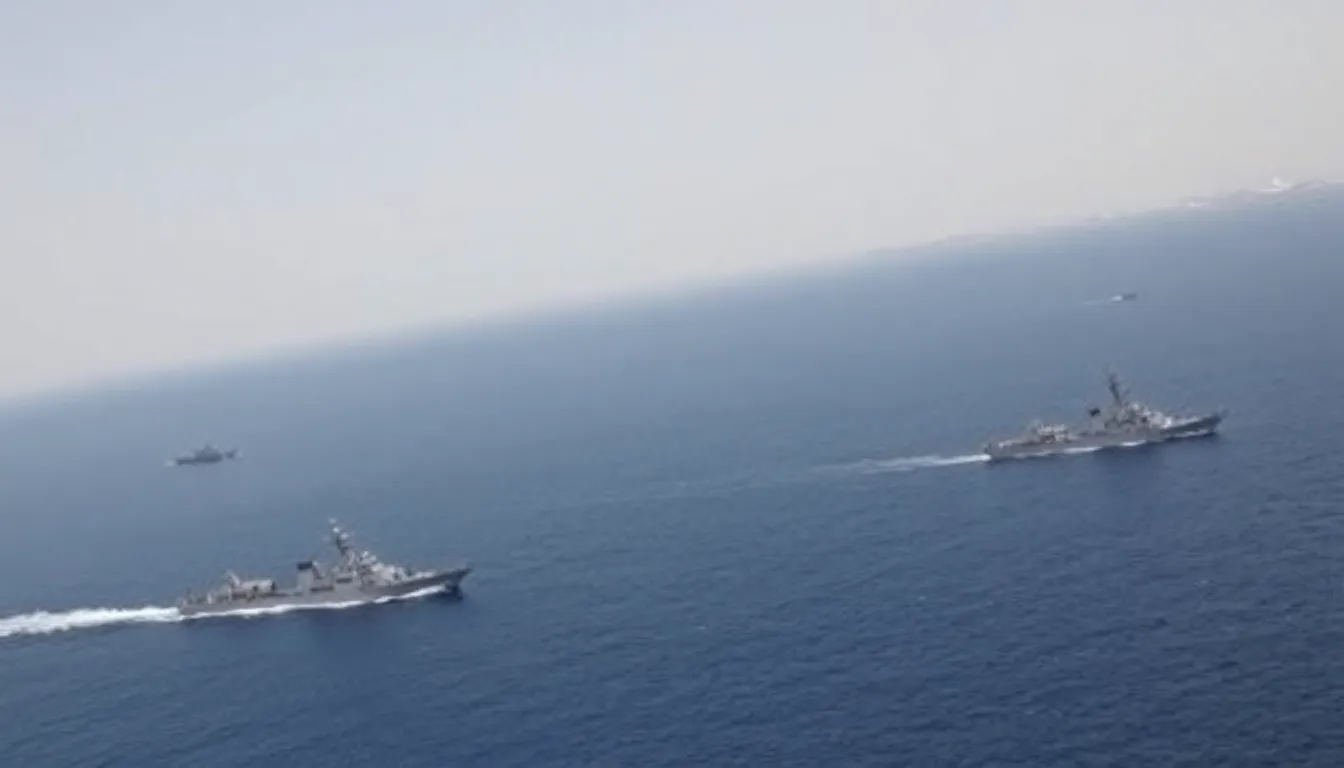
In the 20th century, the discovery of vast oil reserves in the Persian Gulf region further amplified the strait’s significance. Countries like Iran, Iraq, Saudi Arabia, and the UAE emerged as major oil producers, leading to increased global reliance on this narrow passage for energy supplies. The geopolitical landscape began to shift as Western nations sought to secure their energy interests, often leading to tensions in the region.
Key milestones in the geopolitics of the Strait
Several pivotal events have shaped the current geopolitical dynamics surrounding the Strait of Hormuz. The 1979 Iranian Revolution marked a turning point, as the new regime’s hostility towards the West heightened tensions and led to the Iran-Iraq War in the 1980s. Control over the strait became a focal point in this conflict, with both sides recognizing its importance for oil exports, which aligns with the growing concerns about operational costs in steelworks due to fluctuations in energy supply.
In the years that followed, international military presence in the region increased, particularly after the Gulf War in the early 1990s. The United States and its allies established a naval presence to ensure the free flow of oil, leading to a complex relationship with Iran, which viewed this as a direct threat to its sovereignty. The ongoing disputes over nuclear programs and regional influence have further complicated the situation, making the strait a flashpoint for potential conflict.
As global energy markets continue to evolve, the significance of the Strait of Hormuz remains paramount. Recent developments, such as the rise of alternative energy sources and geopolitical shifts, have led to new challenges and opportunities for the nations surrounding this critical waterway. Understanding the historical context of the Strait of Hormuz is essential for grasping the current dynamics that shape global trade and geopolitics.
Key stakeholders and their interests in the region
The strategic Strait of Hormuz is a critical chokepoint in global oil transportation, making it a focal point for various stakeholders with differing interests. The primary actors include the Iranian government, Gulf Cooperation Council (GCC) countries, major oil-importing nations, and international shipping companies. Each of these stakeholders has unique motivations that shape their actions and responses to developments in the region.
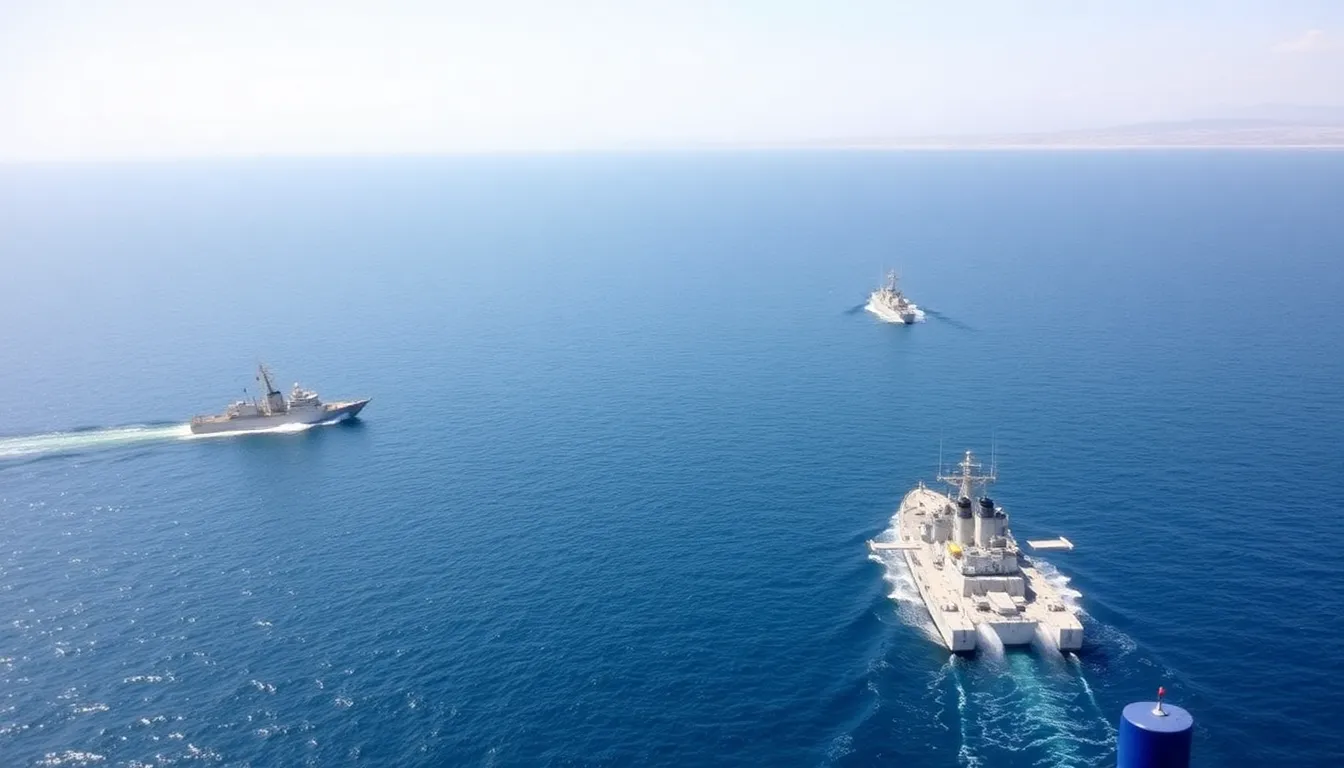
Iran views its control over the Strait as a means of asserting its influence in the region and as a tool for leveraging political power against adversaries. By threatening to block the strait, Iran aims to deter military action from the United States and its allies while also reinforcing its position within OPEC. This strategy is fueled by the desire to maintain economic stability amid sanctions and to project strength in the face of perceived external threats.
On the other hand, GCC countries, particularly Saudi Arabia and the United Arab Emirates, are deeply concerned about Iran’s aggressive posturing. These nations rely heavily on the Strait for the export of their oil, and any disruption could have catastrophic economic consequences. Consequently, they have sought to bolster military alliances with the United States and other Western powers to ensure the security of maritime routes, while also exploring alternative shipping routes to mitigate risks.
Major oil-importing nations, including China, India, and Japan, have a vested interest in maintaining open and secure shipping lanes through the Strait. For these countries, disruptions can lead to significant increases in oil prices and economic instability. As such, they advocate for diplomatic solutions and may engage in economic partnerships with Gulf states to support regional stability.
- Iran’s potential to disrupt oil flow as a geopolitical tool.
- GCC nations’ military alliances aimed at countering Iranian influence.
- Economic repercussions for global oil-importing countries due to potential supply disruptions.
- International shipping companies’ need for secure maritime operations.
- The role of global powers in mediating tensions in the region.
Economic impact on global oil markets and regional stability
The ongoing tensions surrounding Iran’s control over the Strait of Hormuz have significant implications for various groups, industries, and regions worldwide. As one of the most crucial maritime chokepoints for oil transportation, any disruption in this area can lead to immediate and far-reaching consequences for global oil markets, impacting everything from fuel prices to geopolitical alliances.
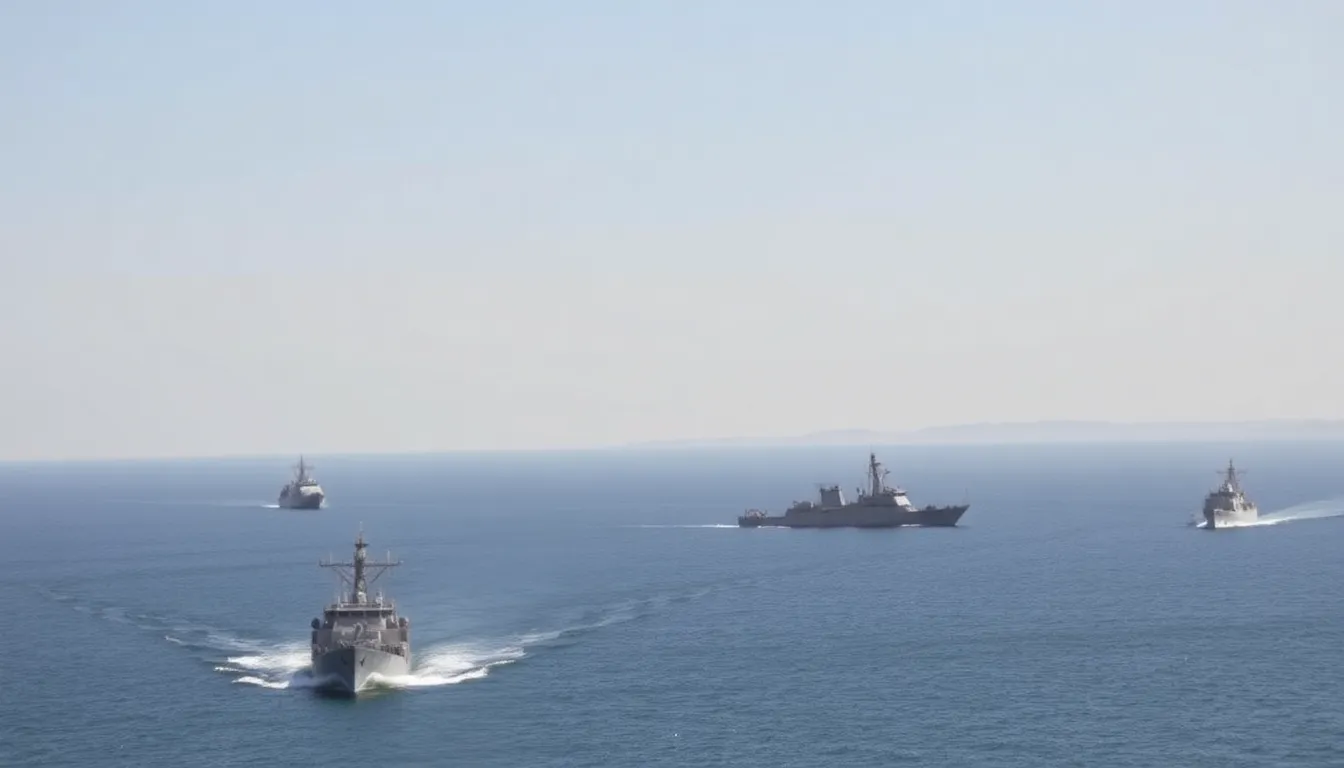
Countries that rely heavily on oil imports, particularly those in Europe and Asia, are directly affected by fluctuations in oil prices resulting from instability in the region. In the short term, businesses that depend on stable energy prices may face increased operational costs, leading to higher prices for consumers. Industries such as transportation, manufacturing, and logistics are particularly vulnerable.
In addition to immediate economic repercussions, there are mid-term risks associated with shifting alliances and trade policies. Nations may seek to diversify their energy sources to mitigate reliance on Iranian oil, potentially leading to increased investments in alternative energy and infrastructure. This shift could benefit renewable energy sectors but may also strain relationships with traditional oil-exporting countries.
- Short-term impacts: Increased oil prices, higher consumer costs, and potential supply chain disruptions.
- Mid-term impacts: Shift towards alternative energy sources, changes in trade policies, and realignment of geopolitical alliances.
- Opportunities: Growth in renewable energy sectors, investment in energy infrastructure, and technological advancements in energy efficiency.
As the situation evolves, businesses and governments must navigate the complexities of this geopolitical landscape. While risks abound, there are also opportunities for innovation and adaptation that could reshape the energy market and contribute to long-term stability in the region.
A: The Strait of Hormuz is a crucial chokepoint for global oil shipments, with approximately 20% of the world’s oil passing through it. Its strategic importance makes it a focal point for geopolitical tensions. A: Iran maintains a significant military presence in the region and has previously threatened to block the Strait in response to sanctions or military actions against it. This control allows Iran to influence oil prices and global supply. A: A conflict in the Strait could lead to a spike in oil prices, disruptions in global supply chains, and heightened military tensions in the region, affecting economies worldwide. A: Countries heavily reliant on oil imports, such as Japan, South Korea, and various European nations, are particularly vulnerable to disruptions in the Strait of Hormuz. A: Various nations, including the United States and European allies, have increased naval patrols and established coalitions to ensure the security of shipping routes through the Strait.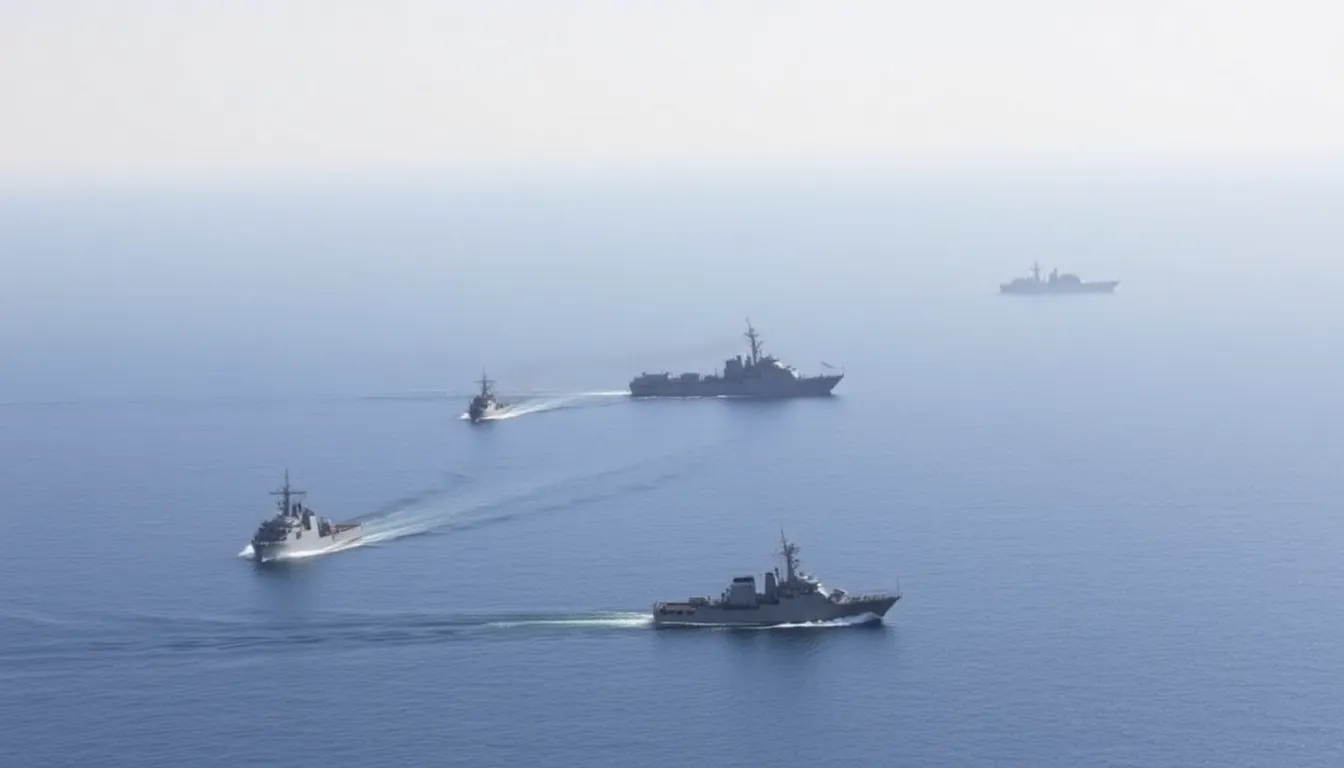
Frequently asked questions about Iran’s influence in the Strait
Future outlook on geopolitical tensions and market responses
The ongoing tensions surrounding Iran’s control over the Strait of Hormuz are likely to have lasting implications for global markets and geopolitical relationships. As one of the world’s most critical chokepoints for oil transportation, any disruption in this region can lead to significant fluctuations in oil prices and broader economic instability. Stakeholders, including governments and corporations, must remain vigilant and adaptive to the evolving landscape.
In the coming months, monitoring Iran’s strategic maneuvers and the international community’s responses will be crucial. The interplay between military posturing, diplomatic negotiations, and market reactions will shape not only energy markets but also global geopolitical alliances.
- Watch for potential military escalations that could disrupt shipping routes, impacting global oil supply and prices.
- Monitor diplomatic efforts, particularly between the U.S. and Iran, which may influence sanctions and trade policies.
- Keep an eye on alternative energy strategies as countries seek to reduce dependence on oil from the region.
- Observe how regional players, such as Saudi Arabia and the UAE, adjust their strategies in response to Iran’s actions.
- Assess the impact of technological advancements in energy production and transportation that could mitigate risks associated with Hormuz.