
The economic situation in Iran has deteriorated significantly, with inflation rates soaring to over 40% and unemployment affecting a large portion of the population. Many Iranians are struggling to afford basic necessities, leading to widespread frustration. The government’s failure to implement effective economic reforms has exacerbated these issues, resulting in a loss of faith among the populace. This situation resembles other crises, such as the decline in organ donations, where societal factors contribute to an urgent need for change.
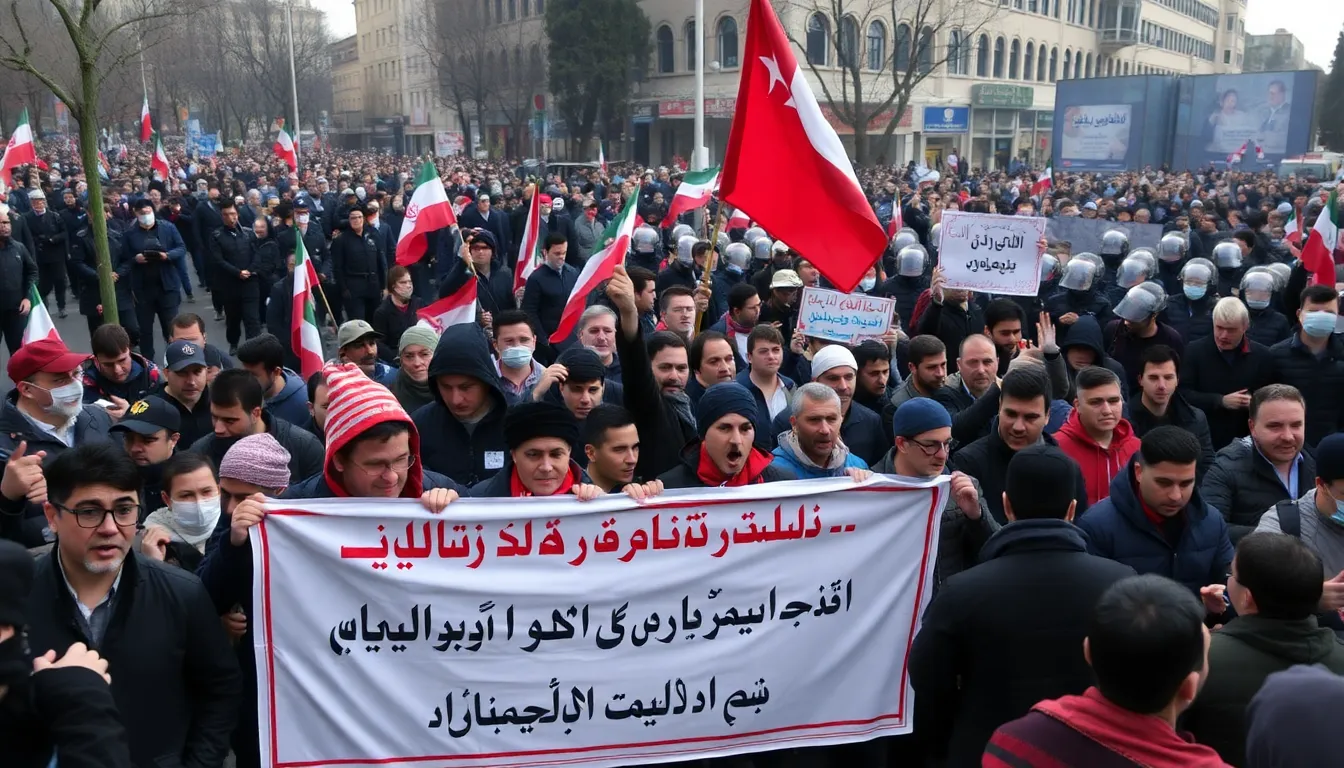
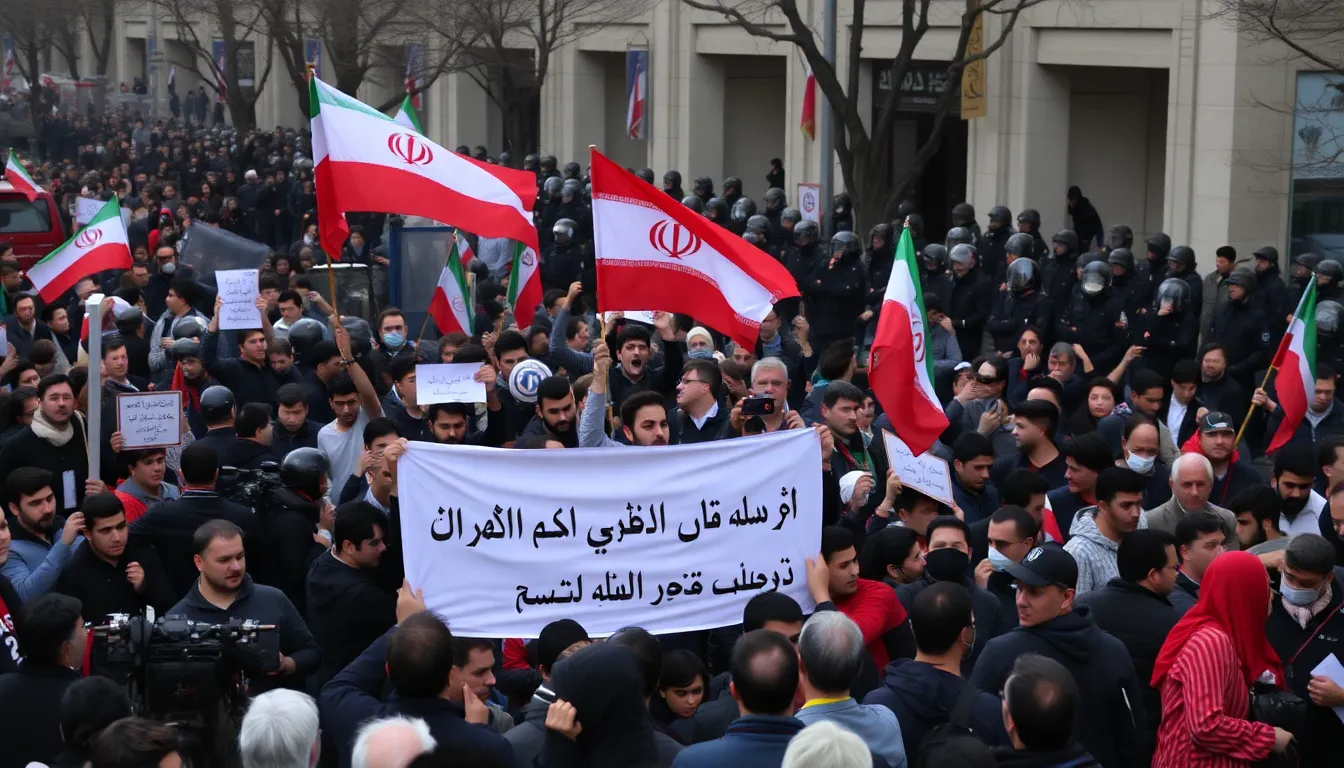
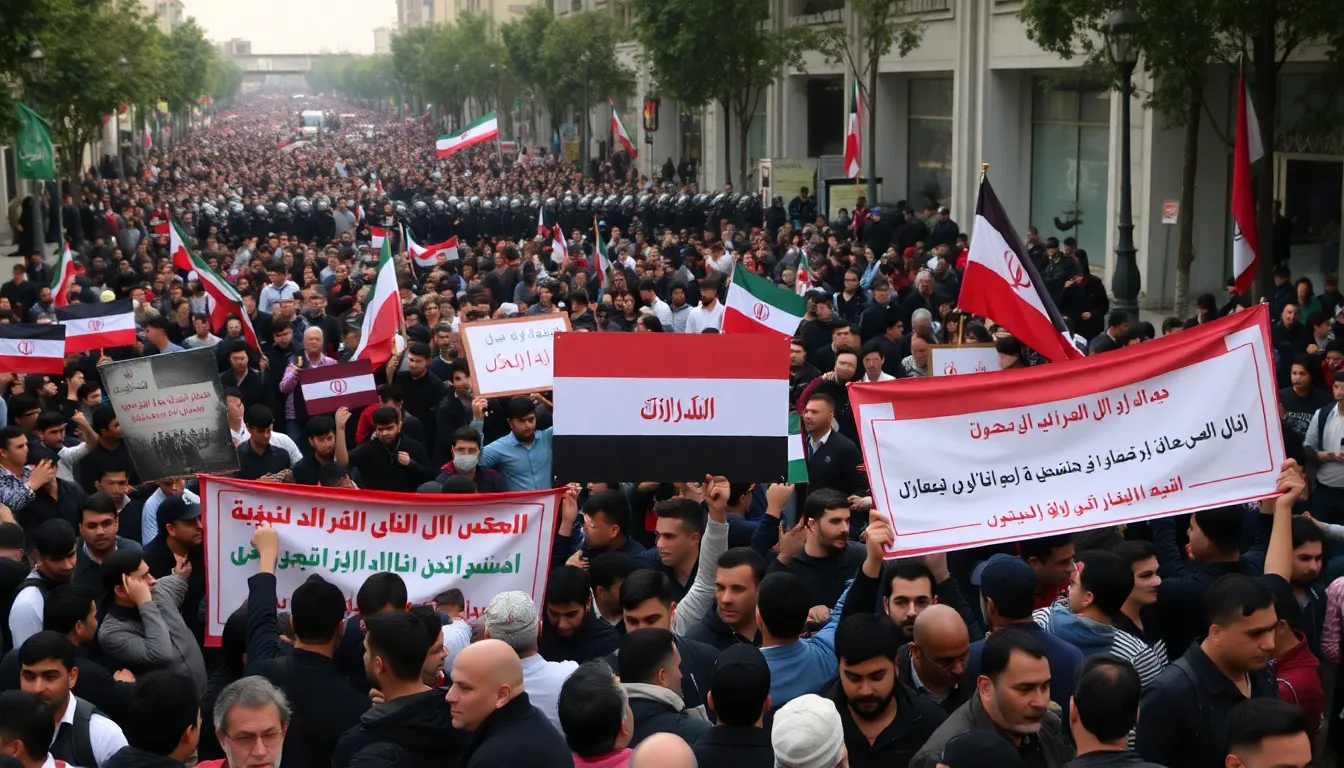
In response to the unrest, the Iranian authorities have intensified their crackdown on dissent, employing measures such as internet blackouts and mass arrests. Human rights organizations have reported thousands of detentions since the protests began, highlighting the regime’s attempt to suppress opposition. However, these actions have only fueled further resentment and galvanized protesters, many of whom are calling for fundamental changes to the political system.
Internationally, the situation has drawn attention, with various countries expressing concern over Iran’s human rights record and the ongoing violence against protestors. Diplomatic relations have been strained, particularly following Iran’s controversial nuclear program developments. As the regime grapples with these internal and external pressures, the potential for a breakdown in civil order looms, raising questions about the future stability of the country. Such geopolitical tensions can be compared to Nvidia’s impact on the market, where global events shape local economic realities.
Historical factors contributing to current tensions in Iran
Iran has a rich and complex history that has significantly shaped its current political landscape. The 1979 Islamic Revolution marked a pivotal moment, overthrowing the Western-backed Shah and establishing a theocratic regime led by Ayatollah Khomeini. This shift was rooted in widespread discontent with the Shah’s autocratic rule, corruption, and the perceived Western influence on Iranian sovereignty. The revolution not only transformed the political structure but also instilled a deep-seated animosity towards the United States and its allies, which continues to affect Iran’s foreign relations.
In the decades following the revolution, Iran faced numerous challenges, including the devastating Iran-Iraq War from 1980 to 1988, which further entrenched a militaristic and defensive posture within the regime. The war resulted in significant loss of life and economic hardship, fostering a culture of resilience but also deepening societal divisions. Post-war reconstruction efforts were often marred by mismanagement and corruption, leading to widespread disillusionment among the populace.
Economically, Iran has long struggled with the volatility of oil prices and international sanctions, particularly since the early 2000s. The nuclear program, which Iran insists is for peaceful purposes, has drawn severe sanctions from the West, crippling the economy and exacerbating public frustration. The 2015 Joint Comprehensive Plan of Action (JCPOA) initially offered a glimmer of hope for economic relief, but the U.S. withdrawal from the agreement in 2018 and the subsequent re-imposition of sanctions have led to further economic decline and social unrest.
The Role of Social Movements
Social movements in Iran have played a crucial role in shaping public sentiment and challenging the regime. The Green Movement of 2009, sparked by allegations of electoral fraud, saw millions take to the streets demanding reform and greater freedoms. Although it was ultimately suppressed, the movement demonstrated the populace’s desire for change and highlighted the regime’s vulnerabilities. More recently, protests in 2019 over fuel price hikes and the 2022 demonstrations following the death of Mahsa Amini have underscored the growing discontent with the government’s policies and human rights abuses, signaling a potential tipping point for civil order in Iran. Such unrest is not unlike the sentiments expressed in determined efforts for social change across various contexts.
Key stakeholders and their roles in Iran’s civil unrest
The ongoing civil unrest in Iran has drawn attention to a complex web of stakeholders, each with distinct interests and motivations. At the forefront is the Iranian government, led by Supreme Leader Ali Khamenei, which seeks to maintain its grip on power amid growing discontent. The regime’s primary interest lies in preserving its authority and suppressing dissent, which it perceives as a direct threat to its legitimacy.
Opposition groups, both inside and outside Iran, represent another critical stakeholder. These include political activists, exiled organizations, and various ethnic and religious minorities who have voiced their grievances against the regime. Their common goal is to push for democratic reforms and greater human rights, often clashing with the government’s narrative of stability and security.
International stakeholders, including foreign governments and human rights organizations, play a significant role in shaping the discourse around Iran’s civil unrest. The United States and European Union, for instance, have imposed sanctions aimed at pressuring the regime to change its behavior, while also supporting the Iranian people’s aspirations for freedom. However, these actions can have unintended consequences, such as exacerbating economic hardships for ordinary citizens.
- Government’s Interest: Maintaining power and suppressing dissent.
- Opposition’s Goals: Advocating for democratic reforms and human rights.
- International Pressure: Sanctions and diplomatic efforts to influence regime behavior.
- Economic Factors: Struggling economy leading to increased public discontent.
- Social Issues: Ethnic and religious tensions contributing to unrest.
As these stakeholders navigate their conflicting interests, the potential for a breakdown in civil order looms large. The Iranian regime’s reliance on force to quell protests may further alienate the populace, while the opposition’s fragmented nature could hinder its ability to present a united front. The interplay of these dynamics creates a precarious situation that could lead to significant changes in Iran’s political landscape.
The implications of civil disorder on Iranian society and economy
The ongoing civil unrest in Iran affects a wide array of groups, including everyday citizens, business owners, and various sectors of the economy. The youth, who are increasingly vocal about their demands for change, are particularly impacted, as they face both social and economic challenges. Additionally, women and marginalized communities are bearing the brunt of the regime’s repressive measures, which further exacerbates existing inequalities.
In the short term, civil disorder disrupts daily life significantly. Businesses, particularly in urban areas, are experiencing closures and reduced consumer activity due to protests and government crackdowns. This has led to a decline in sales for retailers and a slowdown in the service industry, impacting livelihoods and contributing to rising unemployment rates.
Mid-term implications could see a more profound transformation in the Iranian economy. The instability may deter foreign investment and lead to sanctions being tightened, negatively affecting industries such as oil and gas, which are crucial to Iran’s economy. On the flip side, local businesses may pivot towards self-sufficiency and innovation, potentially creating new economic opportunities in the domestic market.
- Increased unemployment: Many businesses are forced to close, leading to job losses.
- Disruption of essential services: Healthcare and education sectors may face operational challenges.
- Decline in foreign investment: Investors may withdraw or avoid entering the Iranian market.
- Opportunities for local entrepreneurship: A shift towards domestic production could emerge.
The social fabric of Iran is also at risk, as divisions deepen among various demographic groups. The potential for increased violence or repression could further alienate the populace, leading to a cycle of unrest. However, the desire for change may also galvanize new movements advocating for reform, potentially fostering a more engaged civil society in the long run.
A: The unrest in Iran is primarily driven by economic hardship, political repression, and social injustice. These factors have led to widespread dissatisfaction among the populace. A: The international community is closely monitoring the situation, with many countries expressing concern over human rights violations and the potential for increased instability in the region. A: If the regime fails to implement reforms, it risks escalating protests that could lead to a complete breakdown of civil order, potentially resulting in widespread chaos. A: While there have been calls for reform from various factions within Iran, significant changes have yet to materialize, leaving many skeptical about the regime’s willingness to adapt. A: Ordinary Iranians are facing increased economic challenges, limited freedoms, and a growing sense of insecurity, which exacerbates the urgency for change.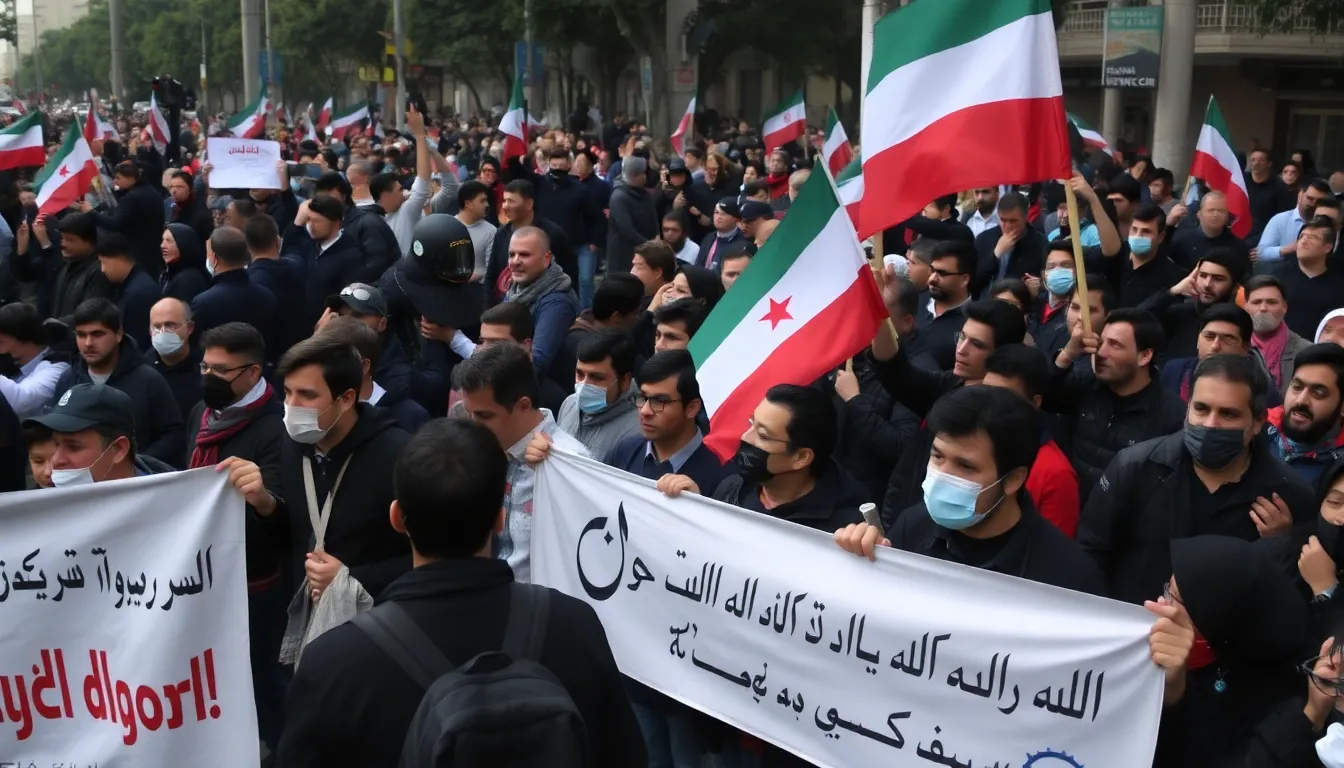
Frequently asked questions about Iran’s civil situation
Future outlook for Iran amidst rising tensions
The current trajectory of Iran’s regime suggests a precarious balance between maintaining control and addressing the growing discontent among its populace. As economic pressures mount and calls for reform intensify, the government’s ability to navigate these challenges will be critical in determining the stability of civil order in the country. Without significant changes in policy and approach, the risk of widespread unrest could escalate, leading to potential shifts in the political landscape.
Observers should closely monitor the regime’s responses to both domestic and international pressures, as these will likely shape the future of governance in Iran. The interplay between public sentiment and governmental action will be crucial in either mitigating tensions or exacerbating the current crisis.
- Watch for potential policy reforms aimed at addressing economic grievances, which could either quell dissent or be viewed as insufficient.
- Monitor the role of civil society and grassroots movements, as they may become increasingly influential in shaping public discourse.
- Pay attention to international responses, particularly from neighboring countries and global powers, as they may impact Iran’s internal stability.
- Observe the regime’s security measures; an increase in repression could lead to further unrest and international condemnation.
- Consider the implications of any leadership changes within the regime, as new figures may bring different priorities and strategies to the forefront.