
One pivotal moment occurred in 2020 when the Trump administration sought to downplay the severity of the COVID-19 pandemic, leading to conflicts with health officials and scientists. This politicization of science not only affected the response to the pandemic but also instilled a sense of uncertainty and fear among researchers about the integrity of their work. For further insights, see Understanding Hantavirus and Its Connection to Recent Cruise Ship Deaths.
Moreover, Trump’s administration implemented policies that favored industry interests over scientific integrity, such as restricting funding for certain research projects and promoting deregulation. This shift has prompted many scientists to question the future of their fields and the potential long-term implications for scientific advancement in the United States.
The ongoing effects of this politicization are evident as a new generation of researchers navigates an increasingly complex landscape. Many young scientists express concerns about the credibility of their work and the potential for political interference in their findings, which could ultimately hinder innovation and progress in various scientific disciplines. This struggle for credibility echoes the challenges faced in discussions surrounding political narratives and scientific integrity.
Exploring the historical context of science and politics in the US
The relationship between science and politics in the United States has been complex and often fraught with tension. Historically, scientific inquiry has played a crucial role in shaping public policy and advancing societal well-being. However, this relationship has been challenged at various points, particularly during periods of political upheaval and ideological conflict. The politicization of science can be traced back to the early 20th century, when debates over evolution and public health began to surface, setting the stage for ongoing conflicts between scientific consensus and political agendas.
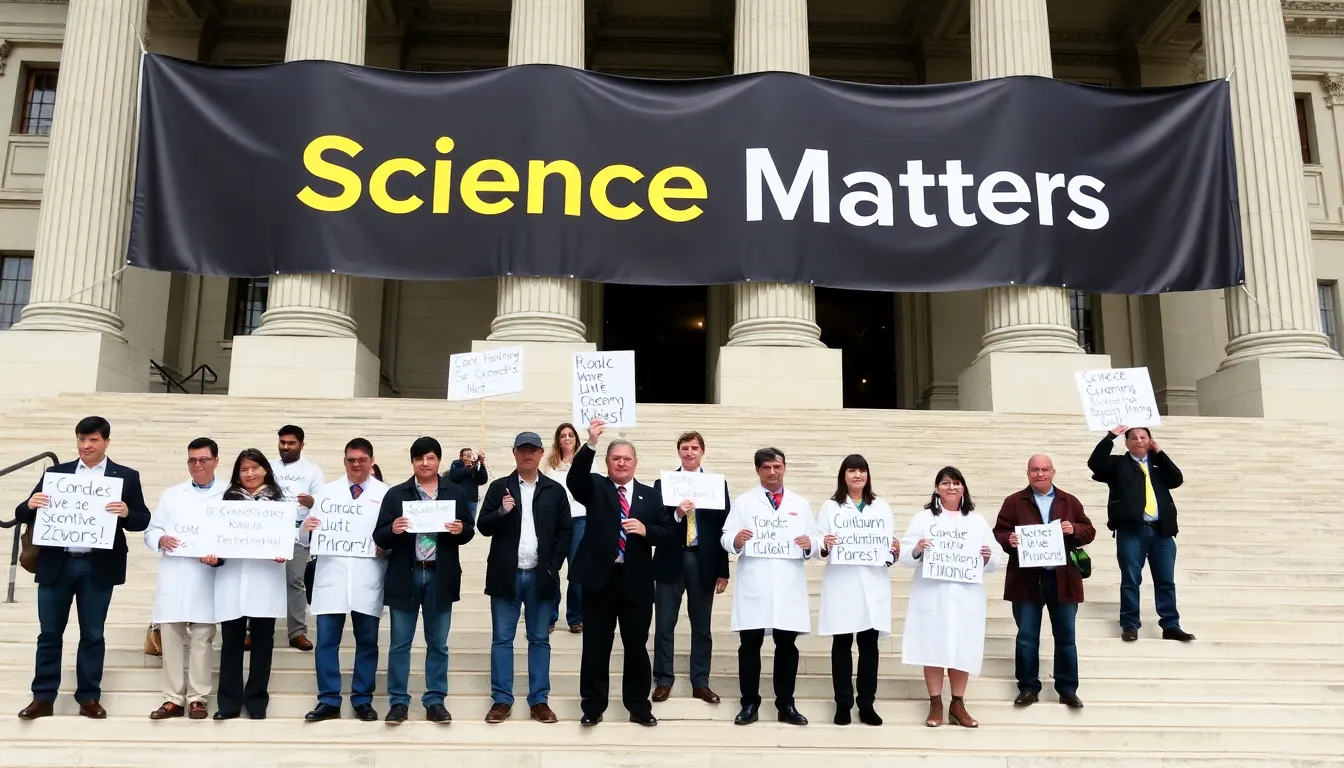
In the latter half of the 20th century, the space race and the Cold War further intertwined science with national interests, as government funding and public support for scientific research surged. This era saw significant advancements in technology and medicine, yet it also laid the groundwork for skepticism towards scientific institutions, particularly when scientific findings conflicted with political narratives. The emergence of environmental movements in the 1960s and 1970s highlighted the role of science in addressing societal issues, but it also sparked backlash from political groups resistant to regulatory measures based on scientific evidence. This tension continues today, affecting ongoing debates about public health and environmental issues.
The rise of anti-science sentiment
In recent decades, the rise of anti-science sentiment has been fueled by a combination of political polarization and the spread of misinformation. The advent of the internet and social media has allowed for the rapid dissemination of unverified claims, creating an environment where scientific facts are often pitted against personal beliefs or political ideologies. This trend has been particularly pronounced in discussions surrounding climate change, public health, and education, where scientific consensus is frequently challenged by political leaders and groups seeking to further their agendas.
Donald Trump’s presidency marked a significant turning point in the relationship between science and politics in the US. His administration’s approach to issues such as climate change, healthcare, and the COVID-19 pandemic exemplified a broader trend of undermining scientific authority and prioritizing political expediency. This has not only led to a crisis of trust in scientific institutions but has also created a generation of researchers who find their work increasingly politicized, raising concerns about the future of scientific inquiry and its role in informing public policy.
Analyzing the key stakeholders and issues at play in this conflict
The ongoing conflict surrounding the politicization of science, particularly in the context of former President Donald Trump’s administration, involves multiple stakeholders with divergent interests. Key actors include government officials, scientific organizations, researchers, and the general public. Each of these groups has a unique perspective on the implications of science being influenced by political agendas.
Government officials, particularly those aligned with the Trump administration, have shown a tendency to prioritize political narratives over scientific consensus. This has led to significant conflicts with scientific organizations and researchers who advocate for evidence-based policies. The interests of these officials often revolve around maintaining political power and appealing to their voter base, which can lead to the undermining of scientific integrity.
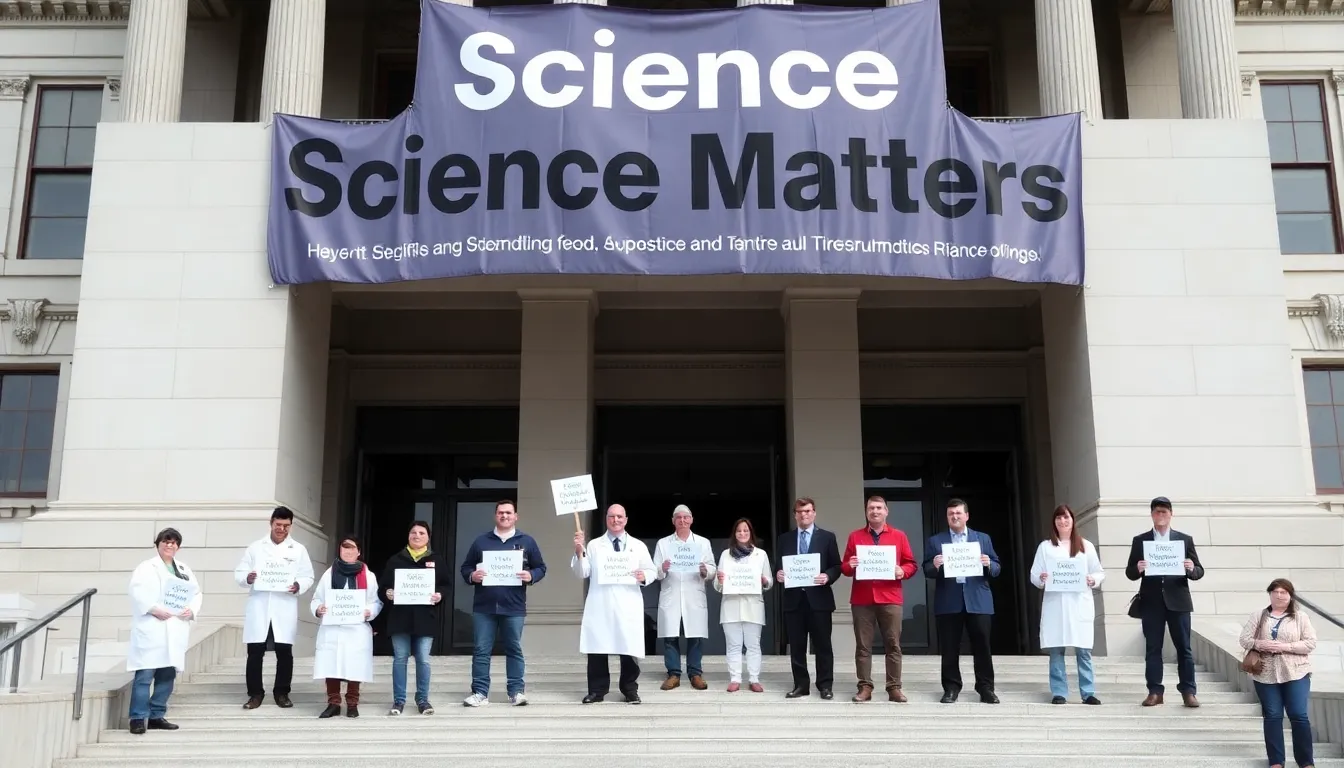
Scientific organizations, such as the American Association for the Advancement of Science (AAAS) and various research institutions, play a crucial role in advocating for the independence of science from political influence. Their interests lie in ensuring that research funding and scientific findings are not manipulated for political gain. This creates a tension between the need for public funding and the desire for scientific autonomy.
Researchers themselves are caught in a challenging position. Many are concerned that the politicization of science could deter young scientists from entering the field, fearing that their work may be subjected to scrutiny based on political affiliations rather than scientific validity. This could lead to a generation of researchers who are hesitant to engage with public policy, ultimately stifling innovation and progress.
- Conflict of Interest: The clash between political agendas and scientific integrity can lead to mistrust in research outcomes.
- Funding Challenges: Political influence may affect the allocation of research grants, prioritizing certain studies over others.
- Public Perception: The politicization of science can skew public understanding and support for scientific endeavors.
- Future of Research: Concerns about the long-term impact on recruitment and retention of talent in scientific fields.
Assessing the impact on researchers and the scientific community
The ongoing politicisation of science under the Trump administration has significant ramifications for various groups, particularly researchers, academic institutions, and the broader scientific community. This environment fosters uncertainty, which can stifle innovation and deter young scientists from pursuing careers in research.
In the short term, researchers may face challenges in securing funding as government agencies become more selective, prioritising projects that align with political agendas. This could lead to a decrease in the diversity of scientific inquiry, affecting industries reliant on research, such as healthcare, environmental science, and technology.
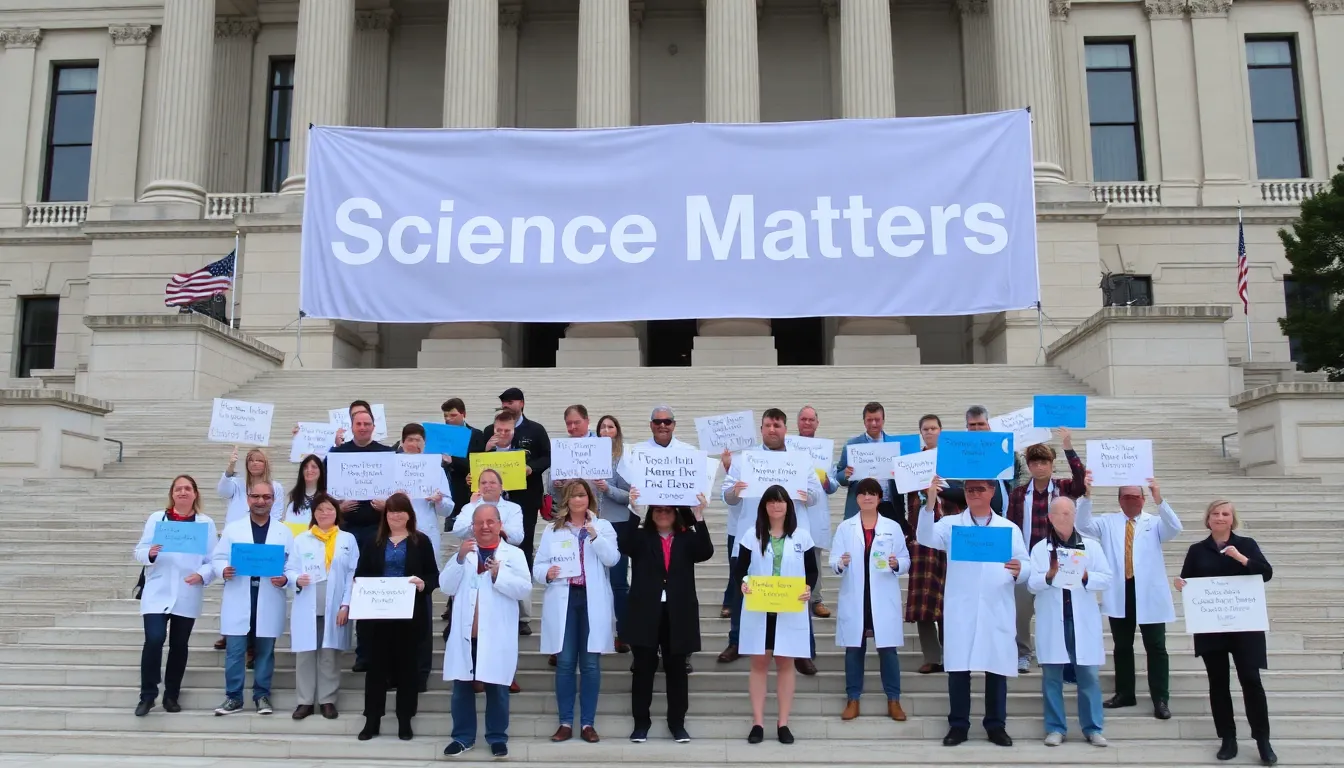
Mid-term impacts could manifest in a brain drain, where talented scientists seek opportunities in countries with more supportive research environments. This shift could diminish the United States’ position as a global leader in scientific research and innovation, potentially leading to economic repercussions in regions dependent on high-tech industries.
- Risks: Reduced funding for independent research, potential loss of talent, and diminished public trust in scientific findings.
- Opportunities: Increased collaboration among researchers and institutions, potential for grassroots movements advocating for science-based policies, and a renewed focus on public engagement with science.
As researchers navigate this complex landscape, the need for advocacy and a commitment to scientific integrity becomes paramount. The future of research will depend on the ability of the scientific community to adapt and respond to these challenges while also seizing opportunities for collaboration and innovation.
A: Trump has implemented policies that undermine scientific integrity, such as restricting funding for certain research areas and promoting misinformation about climate change. A: Young researchers face increased challenges in securing funding and publishing their work, leading to a potential brain drain from the scientific community. A: The long-term implications may include a decline in scientific innovation and a loss of global leadership in research and development. A: Yes, many scientists and organizations are advocating for the independence of research from political influence and promoting evidence-based policy.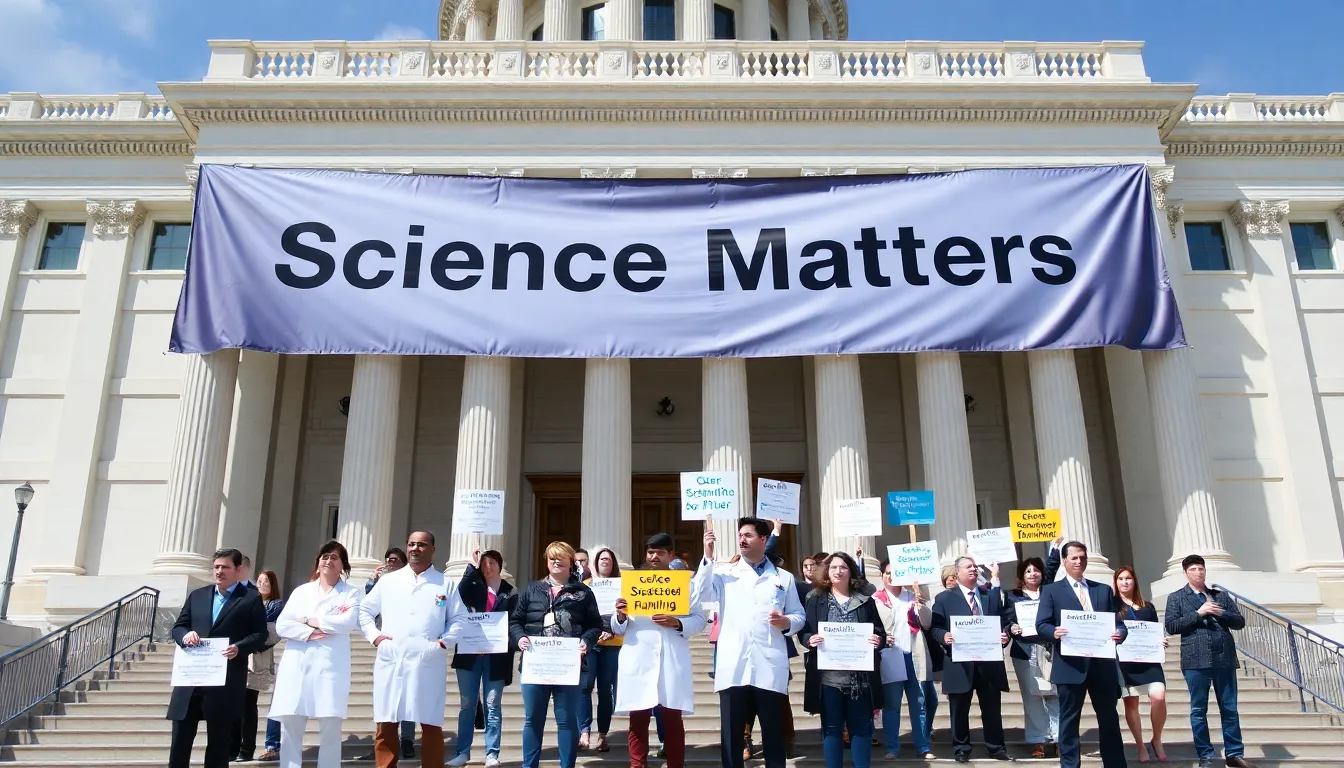
Frequently asked questions about Trump’s war on science
Summarizing the key points and future outlook on science and politics
The intersection of science and politics has become increasingly contentious, particularly in the context of the Trump administration’s approach to scientific inquiry and research. This ongoing conflict not only threatens the integrity of scientific work but also risks alienating a generation of researchers who may feel compelled to navigate a politicized landscape. The implications of this dynamic extend beyond immediate policy changes, potentially shaping the future of scientific discourse and public trust in research.
As researchers grapple with the challenges posed by political pressures, the resilience of scientific integrity will be tested. Observing how institutions adapt and respond to these pressures will be crucial in understanding the evolving relationship between science and governance. The future landscape will likely depend on the actions taken by both the scientific community and policymakers in addressing these challenges.
- Monitor the responses of academic institutions to political pressures in research funding and publication.
- Watch for shifts in public perception of science as a result of politicization, particularly among younger generations.
- Consider the implications of potential policy changes on scientific collaboration and international research efforts.
- Evaluate the role of advocacy groups in supporting scientific integrity and promoting unbiased research.