
Lucrecia Martel, a prominent Argentine filmmaker, has responded to this tragedy by directing a documentary that focuses on the implications of the killing. Her work seeks to shed light on the broader systemic issues faced by indigenous populations, including violence, discrimination, and the struggle for recognition of their land rights. For more insights on societal impacts, read our article on The Legacy of a Tree Planted by My Ancestor.
The film has garnered attention not only for its artistic merit but also for its timely commentary on a critical social issue. As protests and calls for justice continue, Martel’s documentary serves as a powerful reminder of the urgent need for dialogue and action regarding the rights of indigenous people in Argentina.
With the release of the documentary, discussions surrounding the killing and its aftermath have gained traction in both local and international media. This has led to increased pressure on the government to address the grievances of indigenous communities and to implement policies that protect their rights and lands. Indeed, the political implications outlined also resonate with the ongoing debates highlighted in New Movies Our Critics Are Discussing This Week.
Exploring the historical context of violence in the region
The region depicted in Lucrecia Martel’s film ‘Our Land’ has a complex history marked by cycles of violence, political upheaval, and social strife. For decades, it has been a battleground for various interests, including landowners, indigenous communities, and state authorities. This backdrop of conflict has roots in colonial times when land was seized from indigenous populations, leading to long-standing grievances that continue to resonate today.
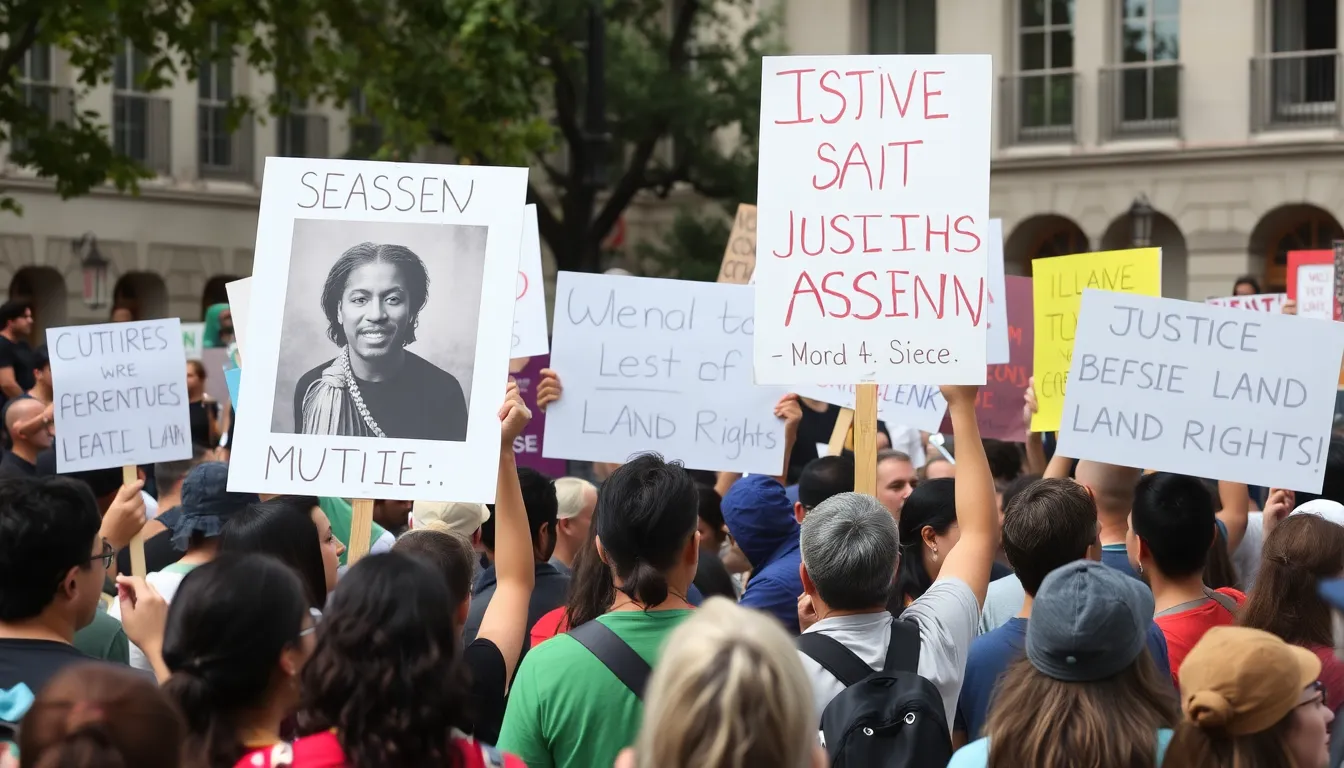
In the late 20th century, Argentina experienced a military dictatorship that further exacerbated tensions. The Dirty War, which lasted from 1976 to 1983, saw the government engage in widespread human rights abuses, including forced disappearances and killings of perceived political opponents. This dark period left a lasting impact on the societal fabric, instilling fear and mistrust among communities.
Land Rights and Economic Disparities
Economic disparities have also played a crucial role in the ongoing violence. Large agribusinesses often dominate the land, pushing small farmers and indigenous groups to the margins. The struggle for land rights has led to violent confrontations, as marginalized communities seek to reclaim their ancestral territories. These conflicts are not merely about land but are deeply intertwined with issues of identity, culture, and survival.
Recent years have seen a resurgence of activism among indigenous groups advocating for their rights. However, these movements often face violent backlash from both state forces and private interests, creating a cycle of retaliation that perpetuates the violence depicted in Martel’s film. The historical context of these events is crucial for understanding the current landscape of conflict and the urgent need for dialogue and resolution, which is echoed in similar conversations regarding justice and advocacy here.
Analyzing the stakeholders involved in the narrative
In ‘Our Land,’ Lucrecia Martel presents a complex tapestry of stakeholders, each with distinct interests and motivations. The primary actors include local communities, governmental bodies, environmental organizations, and the media. Each of these stakeholders plays a critical role in shaping the narrative surrounding the killing depicted in the film.
Local communities, particularly those directly affected by the violence, are at the forefront of this narrative. Their interests often revolve around seeking justice, preserving their way of life, and protecting their land from exploitation. The trauma experienced by these communities highlights the deep-rooted socio-economic issues that contribute to ongoing conflicts.
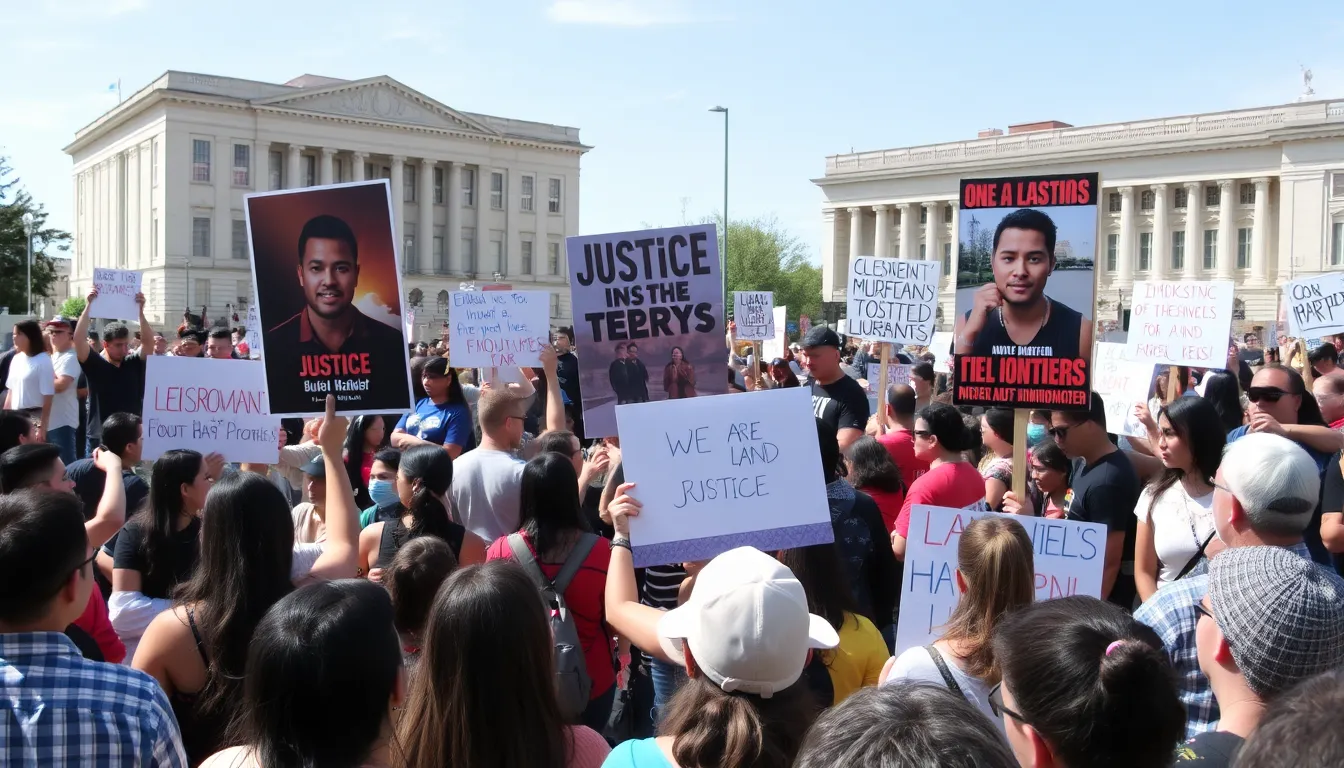
Governmental bodies, including local and national authorities, have a vested interest in maintaining order and addressing public safety concerns. However, their responses to incidents of violence can be influenced by political agendas and pressures from various interest groups. This creates a complex dynamic where governmental actions may not always align with the needs of the affected communities.
Environmental organizations also emerge as significant stakeholders in the narrative. Their focus on land preservation and ecological sustainability often intersects with the interests of local communities. However, tensions can arise when the goals of these organizations conflict with the economic interests of government and corporate entities involved in land use and resource extraction.
- Local Communities: Seek justice and protection of their land.
- Governmental Bodies: Aim to maintain order and respond to public safety concerns.
- Environmental Organizations: Advocate for land preservation and sustainability.
- Media: Plays a crucial role in shaping public perception and raising awareness of the issues.
- Corporate Entities: Often prioritize economic gain, which can lead to conflicts with community interests.
Assessing the impact on the local community and society
The release of Lucrecia Martel’s film ‘Our Land’ brings to light the harrowing realities faced by indigenous communities in Argentina, specifically those affected by violence and land disputes. The film’s portrayal of a killing not only highlights the immediate trauma experienced by these communities but also underscores the systemic issues that perpetuate such violence. As a result, various groups, including indigenous rights activists, local residents, and environmental organizations, are significantly impacted.
In the short term, the film is likely to spark public outcry and discussions surrounding land rights and the treatment of indigenous populations. This heightened awareness can lead to increased activism and support for policy changes aimed at protecting these communities. Businesses operating in or near affected regions may face reputational risks if they are perceived as complicit in the exploitation of indigenous lands, leading to potential boycotts or protests.
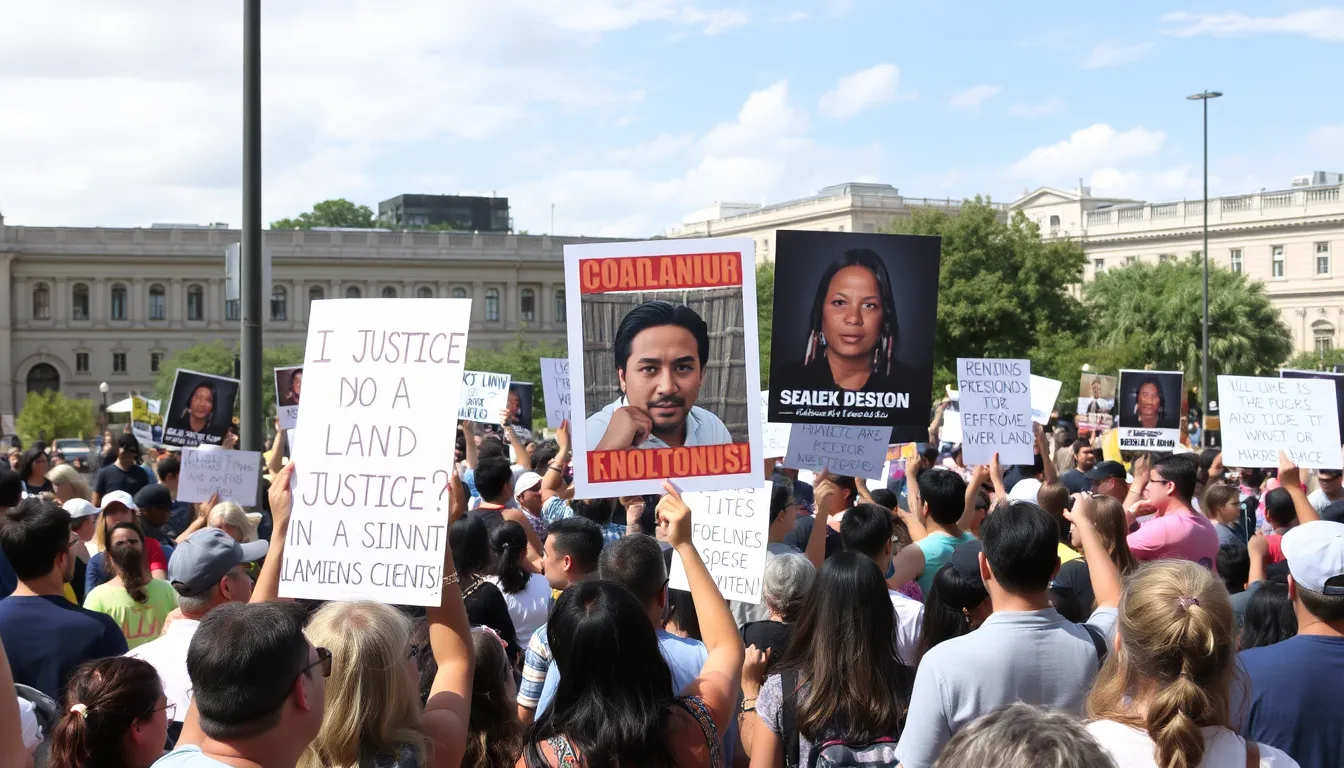
Mid-term impacts may include shifts in local policies as governments respond to public sentiment. There may be increased funding for social programs aimed at supporting indigenous communities, as well as stricter regulations on land use and resource extraction. However, this could also lead to tensions between indigenous groups and industries such as agriculture and mining, which may resist changes that threaten their operations.
- Risks: Increased tensions between indigenous groups and local businesses.
- Opportunities: Potential for new partnerships between activists and businesses committed to sustainable practices.
- Risks: Possible backlash against filmmakers and activists from those opposed to changes in land policies.
- Opportunities: Greater visibility for indigenous rights issues on national and international platforms.
Ultimately, while the film serves as a catalyst for change, it also lays bare the complex dynamics at play in the struggle for justice and recognition. The ongoing dialogue it fosters could lead to meaningful advancements for affected communities, but it also risks exacerbating existing conflicts in the region.
A: The main theme revolves around the exploration of violence and its repercussions on society, particularly focusing on a specific killing. A: Martel uses her unique cinematic style to delve deep into the emotional and social impacts of the event, providing a nuanced perspective. A: The film has garnered mixed reactions, with some praising its bold storytelling while others critique its portrayal of violence. A: Yes, Our Land is inspired by real events, reflecting the harsh realities faced by communities affected by violence. A: Viewers can gain insight into the complexities of justice and the human experience in the aftermath of violence.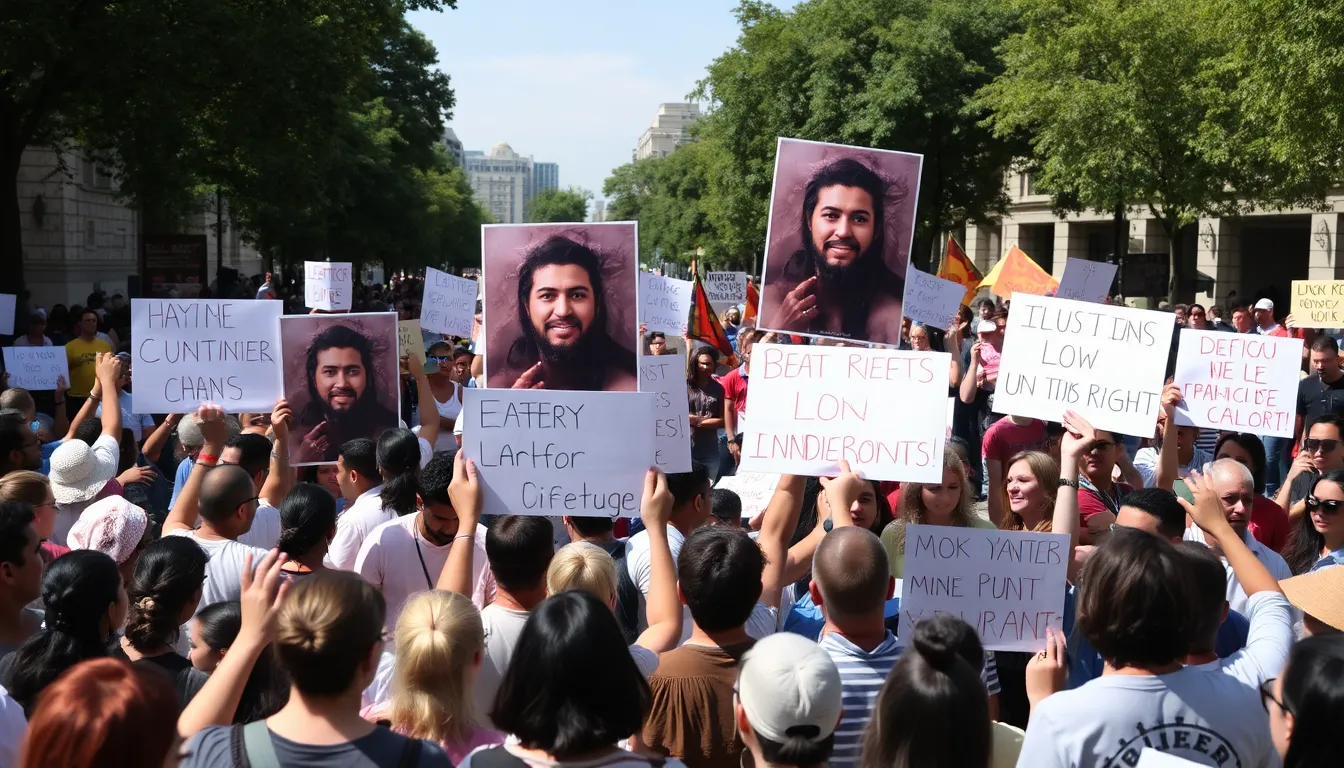
Frequently asked questions about Our Land
Key insights and future outlook on the film’s themes
Lucrecia Martel’s ‘Our Land’ serves as a poignant exploration of violence and its repercussions on both individuals and communities. The film not only sheds light on the tragic realities of a specific incident but also invites viewers to reflect on the broader societal implications of such violence. As the narrative unfolds, it becomes evident that the themes of grief, loss, and the quest for justice resonate deeply, prompting a critical examination of how society responds to such tragedies.
Moving forward, the film challenges audiences to engage in meaningful dialogues about the roots of violence and the importance of empathy in the face of suffering. It encourages a reconsideration of how narratives surrounding crime and justice are constructed, urging a more nuanced understanding of the human experiences behind the headlines.
- Impact of storytelling: The film highlights the power of narrative in shaping public perception of violence and its aftermath.
- Community response: Observing how communities rally in the wake of tragedy can inform future approaches to healing and support.
- Empathy in discourse: The emphasis on empathy suggests a need for more compassionate dialogues around violence and justice.
- Media representation: The portrayal of such incidents in media can significantly influence societal attitudes and responses.
- Long-term implications: Understanding the long-term effects of violence on communities is crucial for developing effective prevention strategies.