
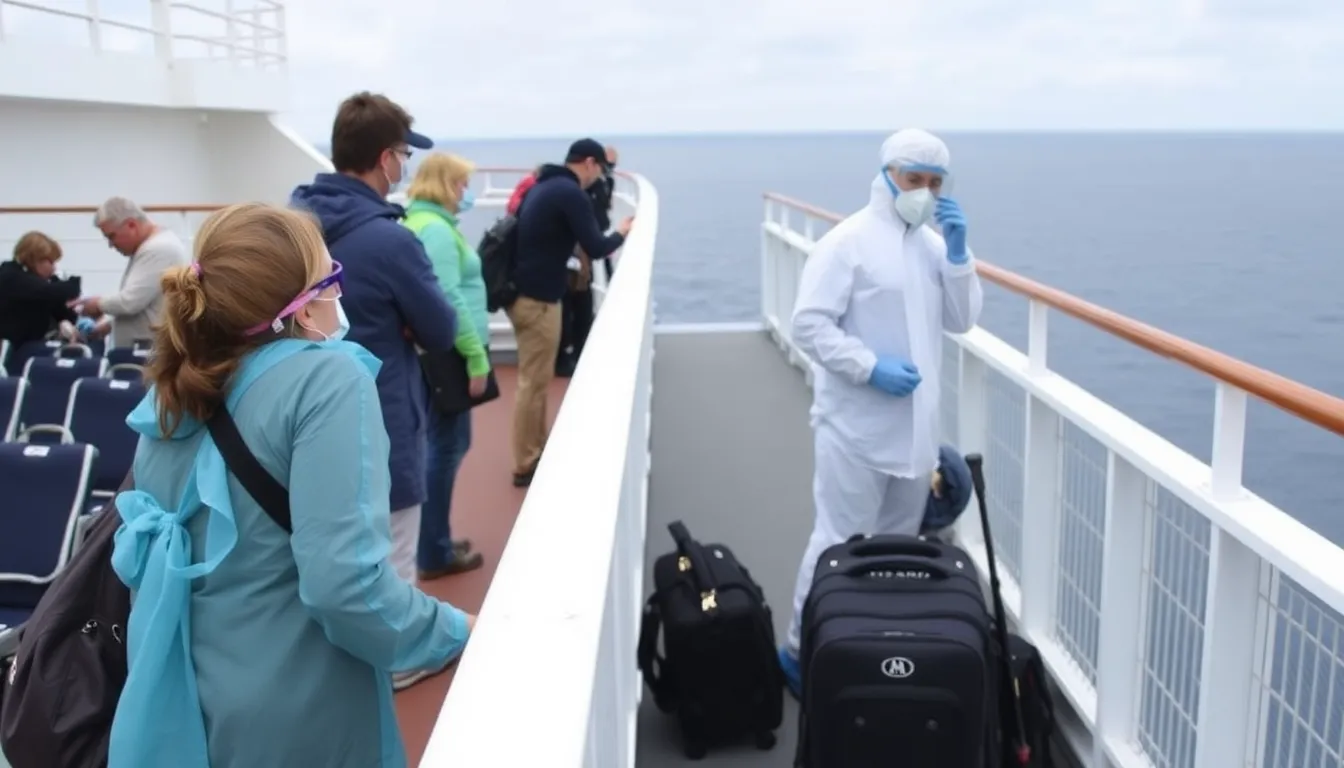
The affected individuals, who were part of a larger group traveling together, exhibited symptoms consistent with hantavirus pulmonary syndrome (HPS) before their untimely deaths. Health officials have confirmed that laboratory tests identified hantavirus as the cause, prompting an urgent response from both the cruise line and public health agencies. Passengers who shared common areas with the deceased are being monitored for symptoms and offered medical evaluations. For more details, see Three fatalities reported in Hantavirus outbreak on cruise ship.
This incident has reignited discussions about the safety protocols in place aboard cruise ships, particularly concerning the prevention of zoonotic diseases. Experts emphasize the importance of proper sanitation and pest control measures to mitigate risks associated with rodent-borne viruses. As health officials continue their investigation, passengers and crew are being urged to remain vigilant and report any unusual health issues. It is crucial to understand the broader context of these safety measures.
The cruise industry, already facing challenges due to past outbreaks of various illnesses, now finds itself under scrutiny as it navigates this latest public health concern. Authorities are working to reassure travelers that measures are being implemented to ensure safety and prevent further spread of the virus. The situation remains fluid as more information becomes available, highlighting the ongoing need for awareness and preparedness in the face of emerging infectious diseases, similar to how climate change alters habitats for many species.
What is hantavirus and how is it transmitted?
Hantavirus is a group of viruses that are primarily spread to humans through contact with rodent urine, droppings, or saliva. The most well-known strain, the Sin Nombre virus, was first identified in the United States in the early 1990s, following a series of unexplained pneumonia cases in the Four Corners region. This outbreak marked a significant milestone in public health, highlighting the potential for zoonotic diseasesthose transmitted from animals to humansto emerge in unexpected ways.
The transmission of hantavirus typically occurs when a person inhales aerosolized particles containing the virus, which can happen in enclosed spaces where rodents have nested. Additionally, direct contact with infected rodents or their excretions can also lead to infection. The disease, known as hantavirus pulmonary syndrome (HPS), can lead to severe respiratory issues and has a high mortality rate, particularly if not diagnosed and treated promptly.
Historical Context of Hantavirus Outbreaks
Historically, hantavirus outbreaks have been linked to environmental changes and human encroachment into rodent habitats. Increased urbanization and agricultural expansion have led to greater interactions between humans and wildlife, creating conditions conducive to the spread of such viruses. For instance, the 1993 outbreak was exacerbated by an increase in deer mouse populations due to a boom in the seed production of pinyon pine trees, which provided abundant food for the rodents.
In recent years, there have been sporadic cases of hantavirus reported in various regions, often associated with specific environmental conditions. These outbreaks serve as a reminder of the ongoing risk posed by zoonotic diseases, particularly as climate change alters habitats and animal behaviors. The recent deaths of three individuals aboard a cruise ship have raised alarms and prompted health officials to investigate the potential links to hantavirus, emphasizing the need for vigilance in monitoring such diseases in both urban and remote settings.
Key stakeholders and issues surrounding hantavirus outbreaks
The recent hantavirus outbreak linked to the deaths of three individuals aboard a cruise ship highlights the complex interplay of various stakeholders involved in public health and safety. Key actors include health organizations, cruise ship companies, government health agencies, and the affected individuals and their families. Each of these stakeholders has distinct interests that can lead to potential conflicts and trade-offs.
Health organizations, such as the Centers for Disease Control and Prevention (CDC) and the World Health Organization (WHO), are primarily focused on controlling the spread of the virus and ensuring public safety. Their interests include providing accurate information about hantavirus, recommending preventive measures, and conducting research to better understand the disease. However, their recommendations may sometimes conflict with the operational interests of cruise companies, which prioritize maintaining customer satisfaction and profitability.
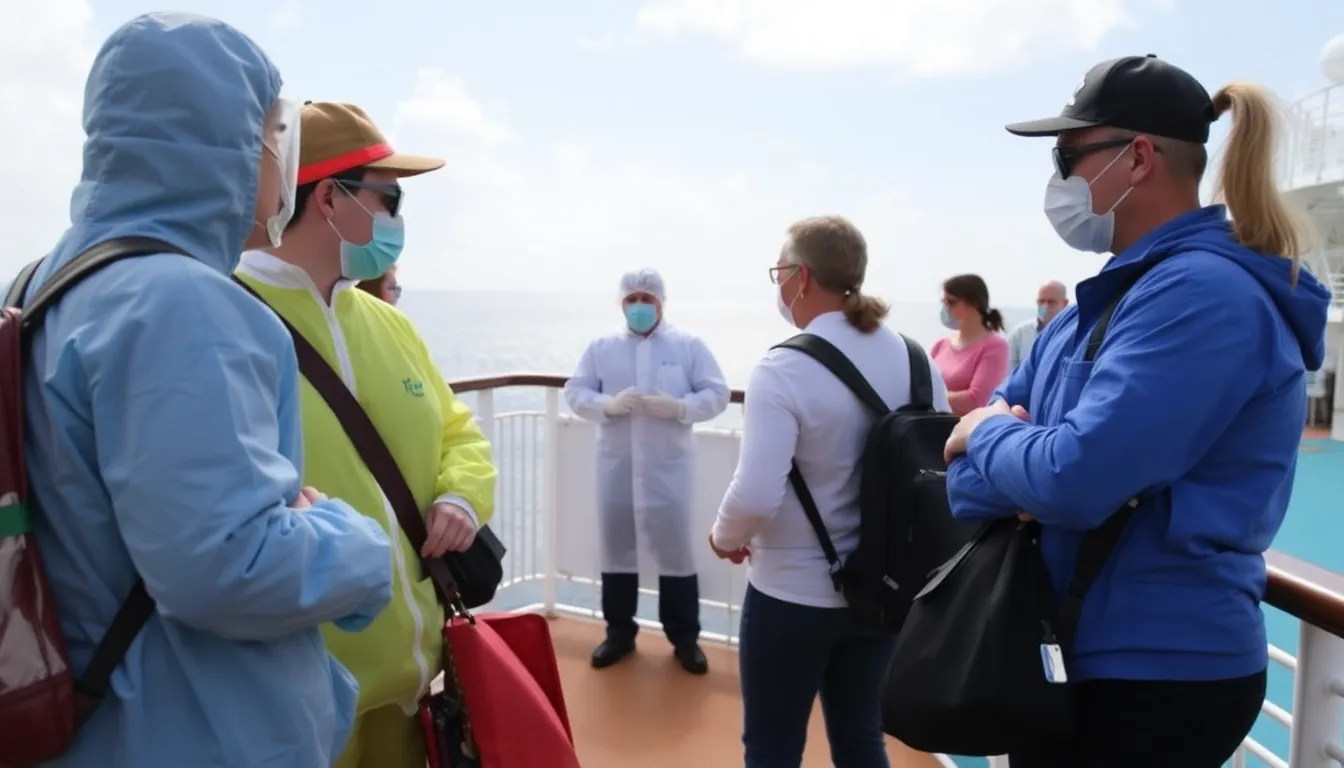
Government agencies, particularly those responsible for public health and safety, play a critical role in managing outbreaks. Their interests involve enforcing regulations that protect public health, conducting investigations into the source of the outbreak, and coordinating responses among various stakeholders. This can lead to tensions between regulatory requirements and the economic implications for the cruise industry, which may face financial losses due to cancellations or increased scrutiny.
- Public Health Implications: The need for effective communication about hantavirus risks while ensuring that public trust in health authorities is maintained.
- Economic Considerations: Balancing the financial impact on cruise companies with the necessity of implementing safety measures to protect passengers.
- Legal Accountability: Potential legal ramifications for cruise companies in the event of negligence or failure to adequately address health risks.
- Family Concerns: The emotional and financial impact on the families of those affected, leading to calls for better health safety protocols.
As the situation evolves, it is essential for all stakeholders to collaborate effectively to address the multifaceted challenges posed by hantavirus outbreaks. This includes fostering transparent communication and prioritizing public health while considering the economic realities faced by the cruise industry.
Impact of hantavirus on public health and tourism
The recent deaths of three individuals aboard a cruise ship due to hantavirus have raised serious concerns among various groups, particularly in the tourism and public health sectors. Travelers, cruise lines, and local economies that rely heavily on tourism are all affected by the potential spread of this virus. The fear of infection can deter tourists from booking trips, leading to a significant downturn in cruise industry revenues.
In the short term, cruise lines may experience cancellations and a decline in bookings as potential travelers become wary of the risks associated with hantavirus. This could result in financial losses for the companies involved and impact jobs in related sectors, such as hospitality and entertainment. Local businesses that depend on tourism may also feel the pinch, with fewer visitors to support restaurants, shops, and attractions.
In the mid-term, public health policies may shift to address the threat posed by hantavirus. Increased health screenings and stricter sanitation protocols on cruise ships could become standard practices. This may lead to a temporary rise in operational costs for cruise lines, but it could also enhance passenger confidence in safety measures, potentially leading to a rebound in tourism once the immediate fears subside.
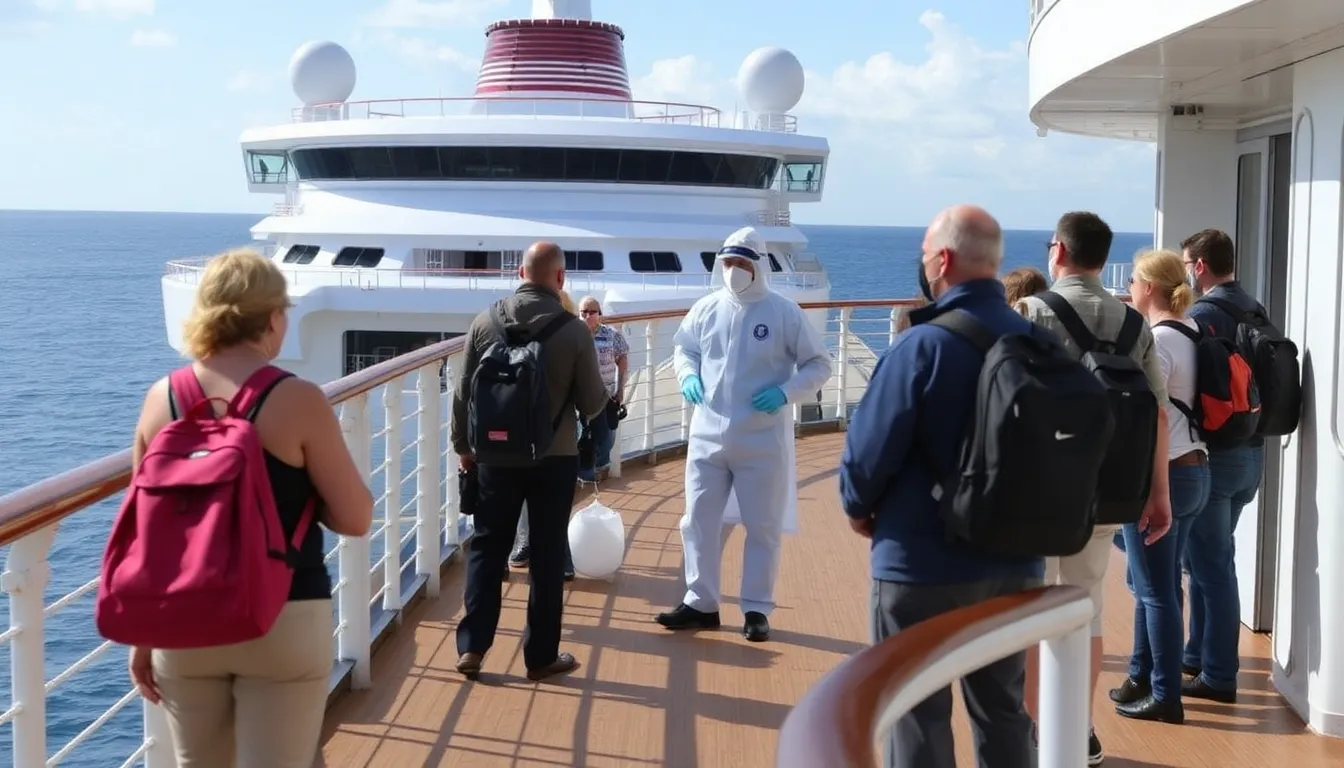
- Travelers: Increased anxiety and potential cancellations.
- Cruise Industry: Financial losses and heightened operational costs.
- Local Economies: Decreased tourist spending impacting local businesses.
- Public Health Sector: Implementation of new health and safety regulations.
While the situation poses clear risks, it also presents opportunities for innovation in health protocols and tourism practices. The cruise industry may invest in advanced cleaning technologies and better health monitoring systems, which could enhance overall safety and attract health-conscious travelers in the future. Additionally, regions that successfully manage the situation may emerge as leaders in safe travel, potentially boosting their appeal in the long run.
A: Symptoms of hantavirus infection can include fever, muscle aches, and fatigue, followed by respiratory issues. Early detection is crucial for treatment. A: Hantavirus is primarily transmitted through contact with rodent droppings, urine, or saliva. It can also spread through inhalation of contaminated dust. A: Currently, there is no vaccine available for hantavirus. Prevention focuses on avoiding contact with rodents and their droppings. A: If you suspect exposure, seek medical attention immediately. Early diagnosis and treatment can improve outcomes. A: To protect yourself, avoid areas with rodent infestations, ensure proper sanitation, and be cautious when handling food and waste.
Frequently Asked Questions about hantavirus
Key takeaways and future outlook on hantavirus awareness
The recent deaths of three individuals aboard a cruise ship have brought hantavirus into the spotlight, raising concerns about its transmission and prevention. As awareness grows, it is crucial to understand the implications of this virus, particularly in relation to travel and public health measures. Increased vigilance in monitoring for signs of hantavirus, especially in areas where rodents are prevalent, can help mitigate risks.
Moving forward, travelers and health authorities alike must prioritize education on hantavirus and its symptoms. This includes understanding how to avoid exposure and recognizing the importance of reporting potential cases early. Enhanced sanitation protocols on cruise ships and in other high-density environments will be essential to protect passengers and crew members.
- Travelers should stay informed about hantavirus outbreaks in regions they plan to visit.
- Public health campaigns can play a vital role in educating communities about the risks associated with hantavirus.
- Regular inspections and sanitation measures on cruise ships are necessary to minimize the risk of rodent infestations.
- Early recognition of hantavirus symptoms can lead to better outcomes and quicker responses.
- Collaboration between health authorities and travel industry stakeholders is key to developing effective prevention strategies.