
On October 15, 2023, Trump hinted at a possible retribution against political opponents and critics, stating that he would pursue measures to “clean the swamp” if elected again. This statement has raised concerns among party leaders about the potential for further polarization and division within the GOP. Many are questioning whether Trump’s approach will galvanize his base or alienate moderate voters. For more on Trump’s influence and rhetoric, read about Jon Stewart’s criticism of the former president.
Furthermore, Trump’s ongoing legal challenges, including multiple indictments, add another layer of complexity to the current situation. As he navigates these legal battles, his supporters remain steadfast, viewing him as a victim of a political witch hunt. This loyalty poses a dilemma for Republican candidates who may feel pressured to align with Trump’s narrative while also appealing to a broader electorate. The impact of voting rights is one aspect of this broader electoral challenge.
The implications of Trump’s threats extend beyond the Republican Party, affecting the overall political climate in the U.S. With the 2024 election approaching, the potential for increased political violence and unrest looms large, echoing sentiments from previous election cycles. Political analysts are closely monitoring how these dynamics will influence voter turnout and sentiment in the coming months.
Understanding the background of the current political climate
The political landscape in the United States has been significantly shaped by the rise of populism, particularly during the 2016 presidential election. Donald Trump’s candidacy marked a departure from traditional political norms, appealing directly to a base that felt alienated by established political institutions. This shift laid the groundwork for a new era of political discourse, characterized by divisive rhetoric and a focus on identity politics.
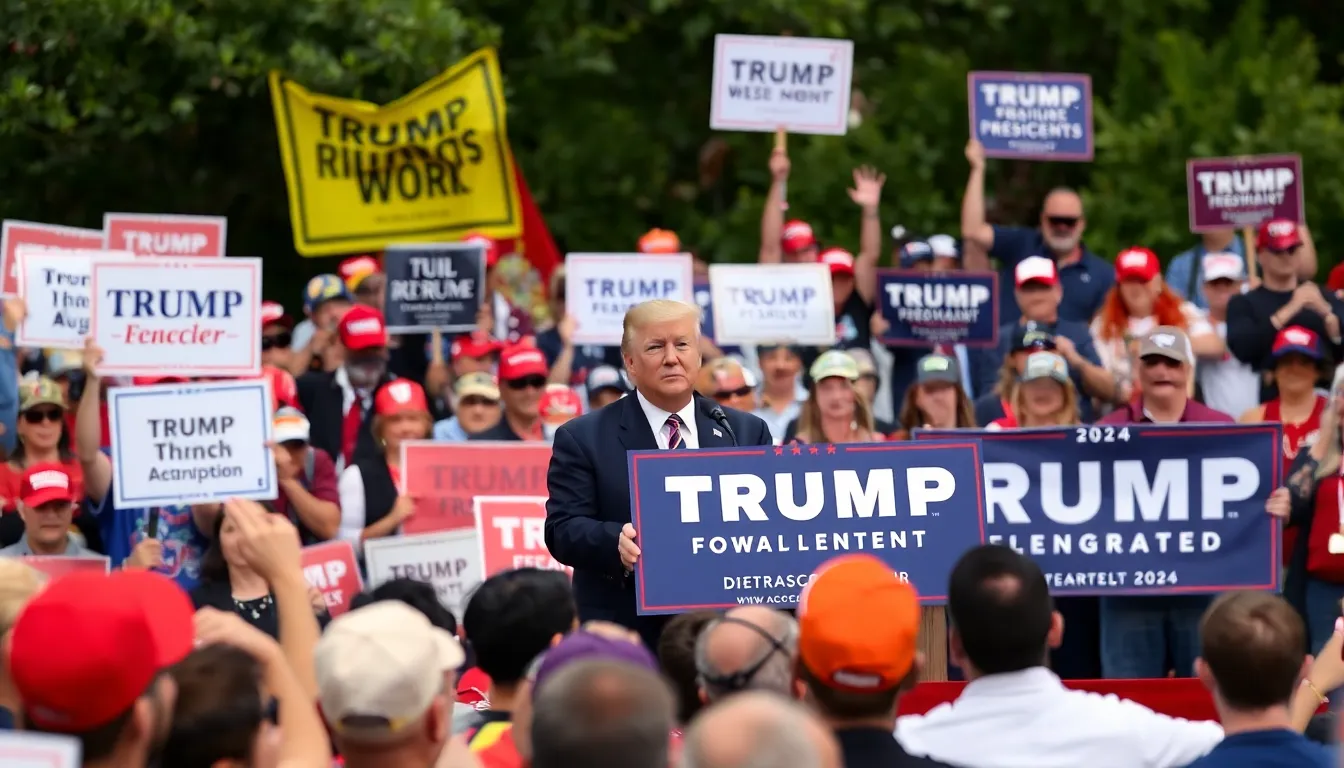
Historically, the Republican Party has grappled with internal divisions, but Trump’s influence has intensified these fractures. His presidency saw the emergence of a faction that prioritizes loyalty to Trump over party ideology, complicating the GOP’s ability to unify on key issues. This schism has continued to manifest in subsequent elections, where candidates often find themselves navigating the delicate balance between appealing to Trump’s supporters and maintaining broader electoral viability.
The Economic Context
The economic backdrop of Trump’s rise cannot be overlooked. The aftermath of the 2008 financial crisis left many Americans feeling economically insecure and disillusioned with the political elite. Trump’s promises to revitalize the economy resonated with those who believed they had been left behind. However, the long-term economic challenges, such as income inequality and job displacement due to automation, remain unresolved, perpetuating a cycle of discontent that fuels Trump’s continued relevance in American politics.
Moreover, Trump’s recent threats and statements have reignited debates over issues such as immigration, trade, and national security. These topics, which were central to his initial campaign, now serve as focal points for his rhetoric, often overshadowing the underlying issues that continue to plague the nation. As political polarization deepens, the risks associated with Trump’s approach become more pronounced, leaving the fundamental predicaments of American society largely unchanged. To explore more on related economic challenges, check out the article on the recent performance of Offset at Coachella.
Key stakeholders and the main issues at play
The ongoing political landscape surrounding former President Donald Trump presents a complex web of stakeholders, including political parties, governmental institutions, and the electorate. Each actor has distinct interests that shape their responses to Trump’s threats and the implications of his actions.
One of the primary stakeholders is the Republican Party, which is divided between Trump loyalists and traditional conservatives. The party’s interest lies in maintaining electoral viability, which may involve balancing support for Trump while also addressing concerns about his divisive rhetoric. This internal conflict raises questions about the party’s future direction and its ability to unify ahead of upcoming elections.
Another key actor is the Democratic Party, which views Trump’s threats as an opportunity to rally its base and capitalize on the perceived instability within the Republican ranks. However, this strategy could backfire if it leads to increased polarization and voter apathy. The Democrats must navigate the trade-off between aggressively opposing Trump and appealing to moderate voters who may be disenchanted with both sides.
- Legal Issues: Trump’s ongoing legal challenges, including investigations and potential charges, could impact his political capital and the broader electoral landscape.
- Economic Concerns: Trump’s rhetoric on trade and foreign policy continues to influence market perceptions, creating uncertainty that affects both domestic and international economic stability.
- Public Opinion: The electorate’s response to Trump’s threats is crucial, as it may shift voter sentiment and influence turnout in future elections.
- Media Landscape: The role of media in shaping narratives around Trump’s actions and their implications is significant, affecting public perception and political discourse.
In summary, the interplay between these stakeholders and the key issues at hand creates a dynamic environment that is continuously evolving. Understanding these relationships and their implications is essential for grasping the broader political context and potential outcomes in the coming months.
Who is affected and what are the potential consequences
Trump’s recent threats have reverberated across various sectors, affecting a wide range of groups including businesses, political entities, and ordinary citizens. Industries such as technology, finance, and healthcare are particularly susceptible to changes in policy and public sentiment that may arise from his statements.
In the short term, uncertainty may lead to volatility in the stock market as investors react to the potential for policy shifts. Businesses may also face challenges in planning and strategy, as they navigate an unpredictable political landscape. Additionally, everyday consumers could experience fluctuations in prices and availability of goods, especially in sectors heavily influenced by trade policies.
Mid-term impacts may include shifts in regulatory frameworks that could either hinder or benefit certain industries. For example, tech companies might find new opportunities for growth if deregulation occurs, while traditional manufacturing sectors could face increased scrutiny and competition from abroad. The political climate may also influence public policy, affecting healthcare access and education funding.
- Increased market volatility due to investor uncertainty.
- Potential regulatory changes impacting various industries.
- Consumer price fluctuations affecting daily expenses.
- Opportunities for growth in deregulated sectors.
Regions that are heavily reliant on federal funding or industries susceptible to trade policies may experience heightened risks. States with significant agricultural outputs could face challenges if tariffs are imposed, while urban areas with strong tech sectors may see a mix of risks and opportunities as the landscape evolves.
A: Trump has made several statements regarding potential actions he might take if he is re-elected, including threats against political opponents and policy changes. A: The threats have intensified divisions within the political landscape but have not led to significant changes in the underlying issues that persist. A: The risks include increased political instability, potential violence, and further polarization among the electorate. A: Yes, some of Trump’s statements could lead to legal challenges, especially if they are perceived as inciting violence or undermining democratic processes. A: Responses vary widely, with some political allies supporting him, while opponents are mobilizing to counteract his influence.
Frequently asked questions regarding Trump’s threats
Concluding insights and future outlook
As the political landscape continues to evolve, the implications of Trump’s threats cannot be overlooked. While his rhetoric may resonate with a significant portion of the electorate, it simultaneously complicates the broader political dialogue. The persistent divisions within the party and the electorate suggest that the status quo remains precarious, with potential ramifications for both domestic and international policy.
Looking ahead, stakeholders must remain vigilant as the situation develops. The interplay between Trump’s influence and the responses from both political opponents and allies will shape the trajectory of upcoming elections and policy decisions. Understanding these dynamics will be crucial for anticipating future events.
- Monitor the reactions from key Republican figures and how they align or diverge from Trump’s stance.
- Watch for shifts in voter sentiment, particularly among independents and moderates, as they may play a pivotal role in upcoming elections.
- Pay attention to the impact of Trump’s rhetoric on international relations, especially with allies and adversaries.
- Consider the implications for legislative agendas, as partisan divisions may deepen or shift in response to Trump’s actions.
- Evaluate the potential for grassroots movements to either support or counteract Trump’s influence within the party.