
The turmoil began in October 2023 when the central government announced a new electoral policy aimed at redefining the voter base in the region. Critics argue that this move is part of a broader strategy to marginalize certain communities, particularly those who have historically faced challenges in the political arena.
Local politicians and activists have condemned the decision, claiming it undermines the democratic process and disenfranchises a significant portion of the population. Protests have erupted across major cities in Jammu and Kashmir, with demonstrators demanding the restoration of voting rights and a return to previous electoral norms.
This situation is further complicated by the ongoing tensions between local governance and central authority, raising questions about the future of political stability in the region. Observers warn that if these issues are not addressed promptly, the potential for increased unrest and civil discontent could escalate.
Understanding the historical context of voting rights in the region
The political landscape of the Indian border state has been shaped by a complex interplay of historical events, socio-economic factors, and evolving governance structures. The region has a long history of ethnic diversity and political strife, which has often influenced the rights of its residents, including their voting rights. Over the decades, various policies and political decisions have significantly impacted the population’s ability to participate in the democratic process.
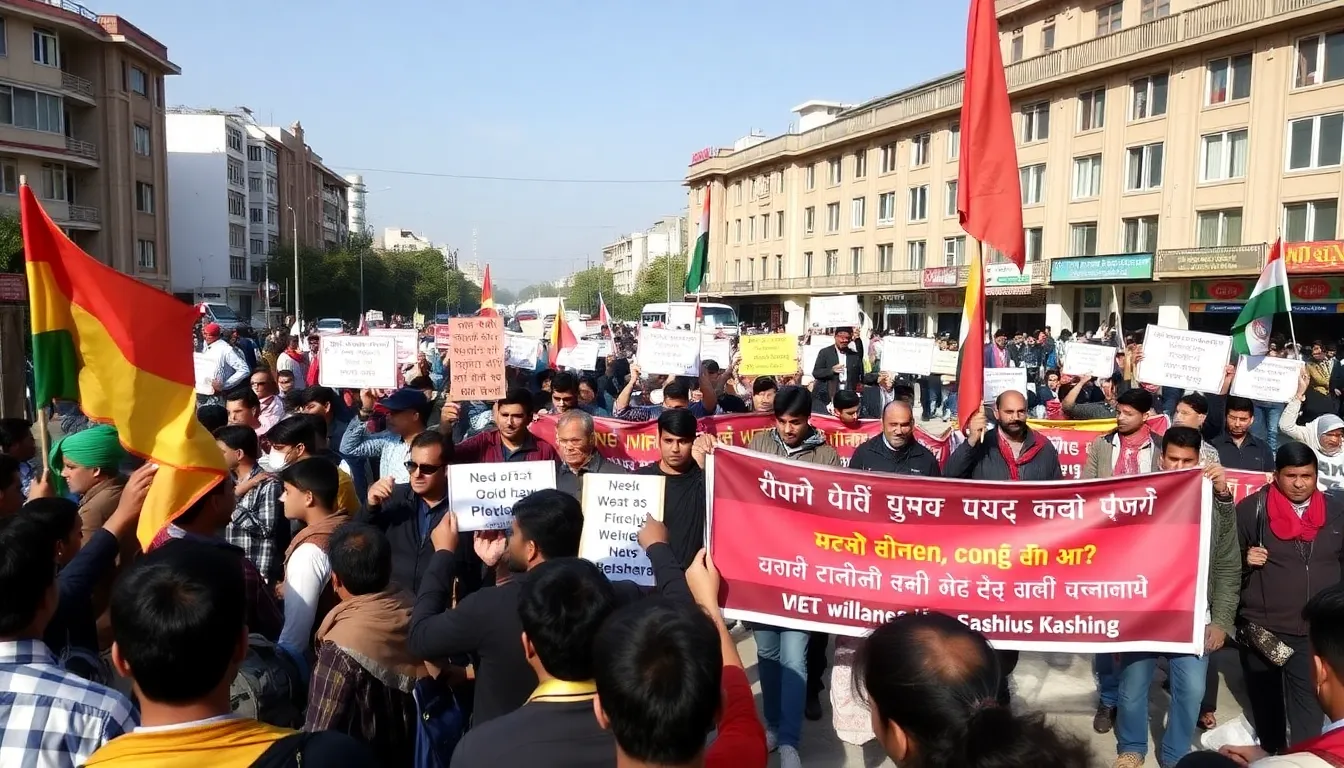
One key milestone in this context was the reorganization of states in India in 1956, which aimed to create states based on linguistic and cultural demographics. However, this reorganization often overlooked the unique historical and social fabrics of border regions, leading to feelings of disenfranchisement among local populations. The introduction of the National Register of Citizens (NRC) in the late 20th century further complicated matters, as it aimed to identify legal citizens and root out illegal immigrants, inadvertently affecting millions who struggled to prove their citizenship.
The impact of socio-economic factors
Socio-economic challenges have also played a crucial role in shaping the political dynamics of the region. High levels of poverty, unemployment, and lack of access to education have made it difficult for many residents to engage with the political system effectively. This disenfranchisement has been exacerbated by bureaucratic hurdles and a lack of awareness about voting rights and processes. As a result, the recent loss of voting rights for nine million individuals has been viewed as a culmination of decades of neglect and mismanagement.
Moreover, the rise of regional and national political parties has often led to polarization, making it harder for marginalized communities to advocate for their rights. The interplay of caste, ethnicity, and religion in politics has further complicated the situation, leading to a fragmented political landscape where many voices remain unheard. This ongoing turmoil reflects a broader struggle for recognition and representation within the democratic framework of India.
Key stakeholders and issues surrounding the loss of voting rights
The political landscape in the Indian border state has been significantly altered as approximately nine million residents have lost their voting rights. This situation has drawn the attention of various stakeholders, each with distinct interests and concerns. Key actors include the state government, local political parties, civil society organizations, and the affected citizens themselves.
The state government, led by the ruling party, is primarily interested in maintaining control and stability in the region. By implementing policies that restrict voting rights, they may aim to consolidate their power and influence over the electorate. However, this has sparked widespread criticism and allegations of disenfranchisement, raising questions about the legitimacy of their governance, akin to the challenges observed in other contexts, such as the legal battles surrounding name disputes and representation.
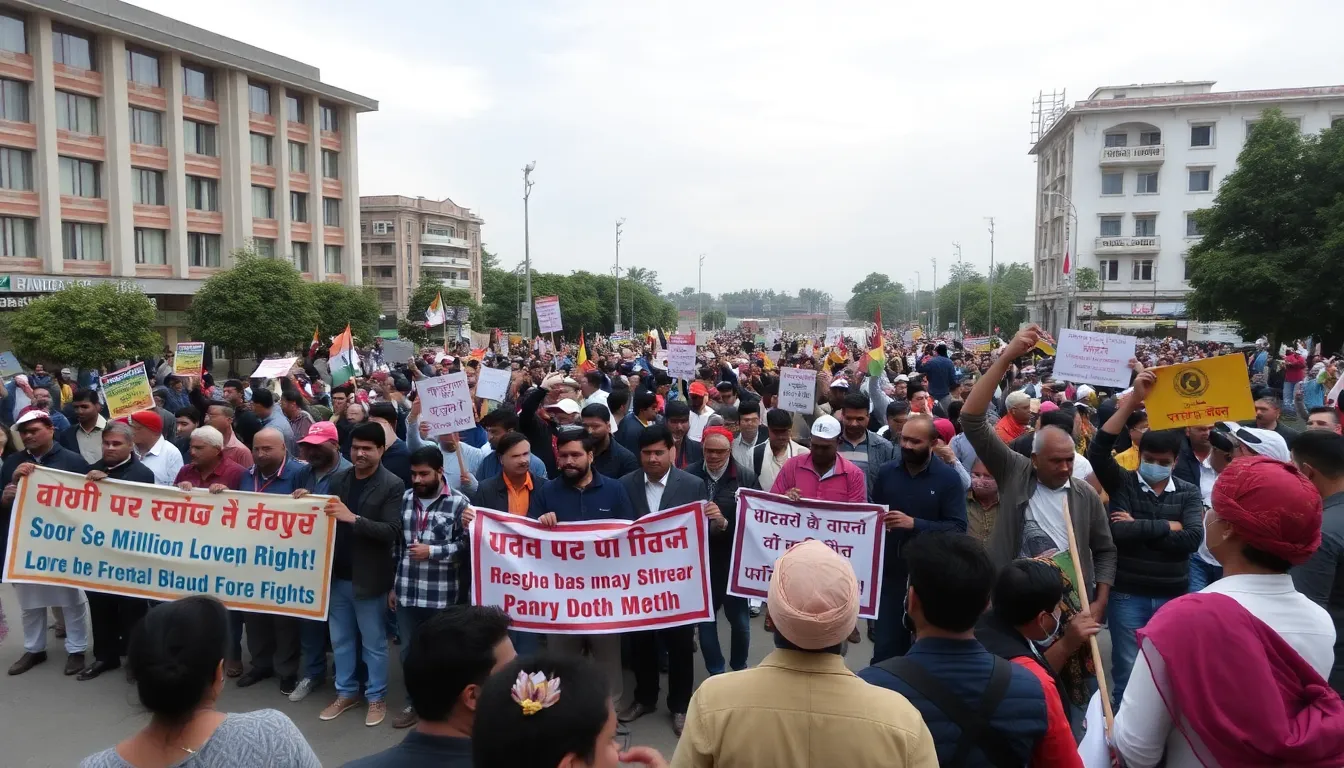
Local political parties, particularly those in opposition, view the loss of voting rights as a direct threat to democracy and representation. They argue that this action undermines the electoral process and is a violation of citizens’ fundamental rights. The opposition’s response includes mobilizing public protests and legal challenges to restore voting rights, highlighting the conflict between governmental authority and democratic principles.
Civil society organizations play a crucial role in advocating for the rights of disenfranchised citizens. They are focused on raising awareness about the implications of losing voting rights and the broader consequences for democracy in the state. These organizations often work to document human rights violations and engage in legal battles to ensure that the voices of the affected populations are heard.
- Political Control: The ruling party’s interest in maintaining power may lead to further restrictions on civil liberties.
- Public Mobilization: Opposition parties are likely to galvanize support among the disenfranchised to challenge the government’s actions.
- Legal Challenges: Civil society organizations may pursue legal avenues to contest the loss of voting rights.
- Economic Implications: The political instability could deter investment and economic development in the region.
- Human Rights Concerns: The situation raises significant human rights issues that may attract international scrutiny.
Impact on citizens and the political landscape
The recent political turmoil in the Indian border state has resulted in a staggering nine million citizens losing their voting rights, affecting a significant portion of the population. This disenfranchisement primarily impacts marginalized communities, including indigenous groups and low-income families, who rely on political representation to voice their needs and concerns.
In the short term, the loss of voting rights may lead to increased public unrest and protests, as affected citizens seek to reclaim their democratic privileges. Businesses, particularly those in the retail and service sectors, may experience a downturn in consumer spending as people divert their focus toward political activism rather than daily economic activities.
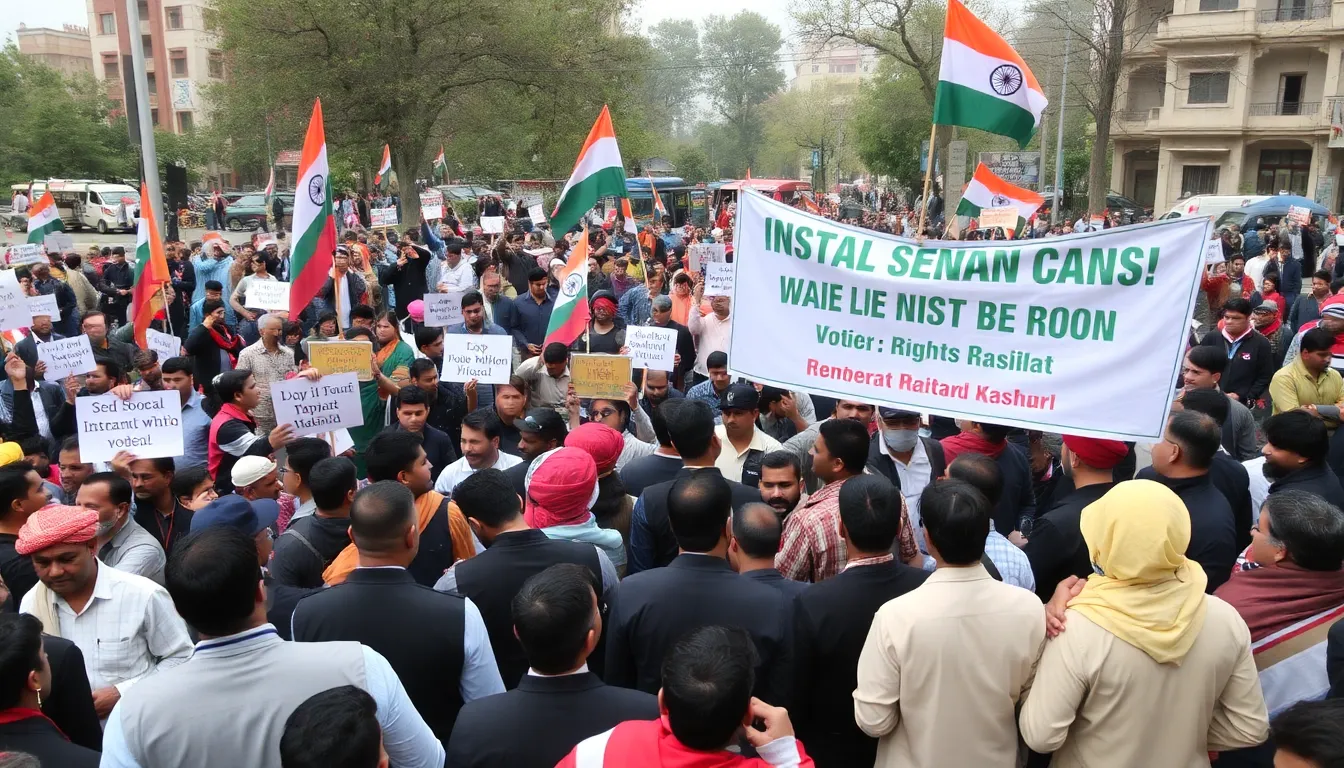
Mid-term consequences could manifest in policy shifts, as the local government may struggle to address the grievances of disenfranchised citizens. This could lead to instability in the region, affecting industries such as tourism and agriculture, which rely on a stable political environment. Additionally, the potential for increased migration from the area may strain neighboring regions, creating further socio-economic challenges.
- Risks: Increased civil unrest and economic downturn.
- Opportunities: Potential for political reform and civic engagement initiatives.
- Risks: Strain on local businesses and essential services.
- Opportunities: Heightened awareness of democratic rights and community mobilization.
Ultimately, the situation presents both challenges and opportunities for citizens and policymakers alike. While the immediate effects may be detrimental, the potential for long-term change could inspire new political movements and greater civic responsibility among the populace.
A: The loss of voting rights is primarily due to recent legislative changes and administrative decisions that have disenfranchised a significant portion of the population in the border state. A: The political turmoil is likely to create instability, which could impact the electoral process and the participation of citizens in the upcoming elections. A: The main political actors include state government officials, opposition parties, and civil society organizations that are advocating for the restoration of voting rights. A: Disenfranchisement can lead to increased political unrest, a lack of representation for affected citizens, and potential challenges to the legitimacy of the government. A: Yes, various advocacy groups and legal organizations are exploring options to challenge the disenfranchisement in court and seek restoration of voting rights.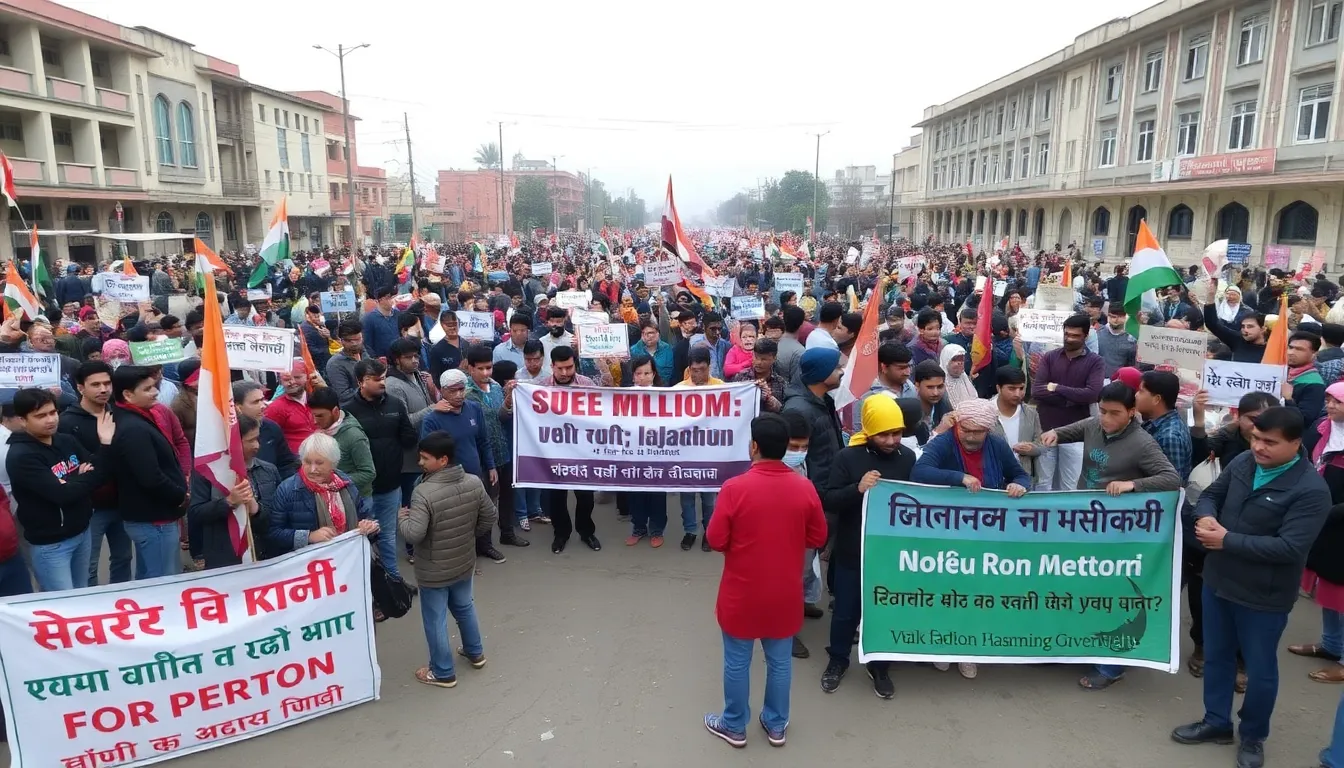
Frequently asked questions about the voting rights issue
Key insights and future outlook on the situation
The political landscape in the Indian border state has been significantly altered as nine million citizens find themselves stripped of their voting rights. This unprecedented development not only raises questions about the democratic process but also highlights the fragility of political stability in the region. The implications of this turmoil extend beyond immediate electoral concerns, potentially affecting governance, social cohesion, and regional security.
As the situation unfolds, it is crucial to monitor how various stakeholders respond, including political parties, civil society organizations, and the central government. The reactions and strategies adopted by these groups will play a pivotal role in shaping the future political environment and addressing the grievances of disenfranchised citizens.
- The potential for increased civil unrest as disenfranchised populations seek to reclaim their rights.
- Shifts in political alliances and the emergence of new parties advocating for the rights of affected citizens.
- The role of national and international observers in ensuring fair treatment and monitoring the situation.
- Impact on local governance and administrative functions due to the loss of trust among the electorate.
- Long-term effects on regional stability and security, especially in relation to border dynamics.