
The absence of in-person tournaments has left fans yearning for the excitement and camaraderie that come with attending live events. Many diehard fans express frustration over the difficulty in recalling the last five offstage winners, highlighting a disconnect between the competitive scene and fan engagement. This situation raises concerns about the long-term sustainability of the Dota 2 community and its ability to attract new players and viewers. For more on how community engagement can boost the esports scene, see this article.
In addition to the lack of stadium events, the overall prize pool for Dota 2 tournaments has seen fluctuations, which can impact player motivation and team dynamics. The International, known for its massive prize pool, has yet to announce a venue for its next iteration, leaving fans uncertain about the future of high-stakes competitions. The community is calling for a return to in-person events to rekindle enthusiasm and foster a stronger connection among fans and players alike.
As esports continues to evolve, the demand for live experiences remains strong. Fans are advocating for more stadium events to not only celebrate the game but also to create lasting memories that online formats cannot replicate. Engaging the community through live events could be key to revitalizing interest in Dota 2 and ensuring its place in the competitive gaming landscape.
Understanding the history of Dota 2 stadium events
Dota 2, developed by Valve Corporation, has evolved from a simple mod of Warcraft III into one of the most prominent multiplayer online battle arena (MOBA) games in the world. Since its official release in 2013, it has garnered a massive following, particularly in competitive gaming. The International, Dota 2’s flagship tournament, has been pivotal in shaping its esports landscape, drawing in millions of viewers and offering substantial prize pools that have reached over $40 million in recent years.
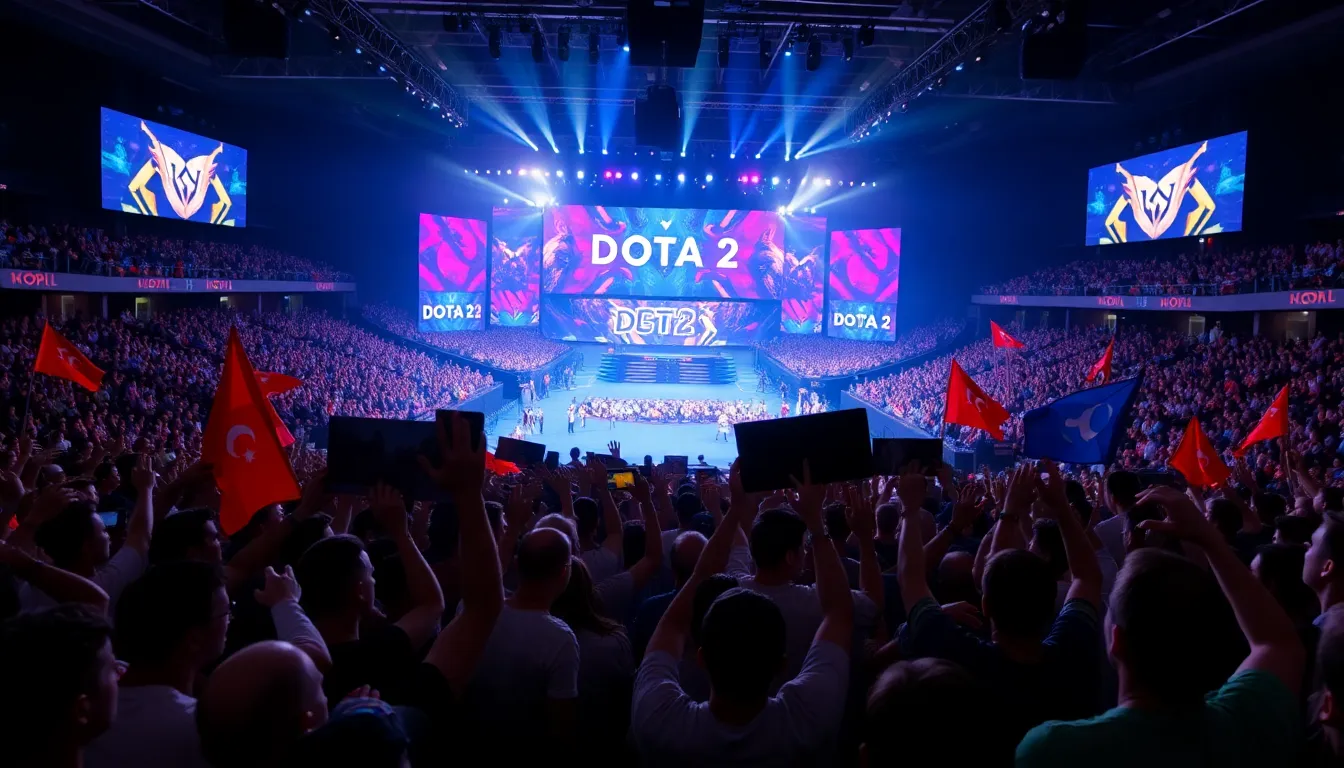
Initially, Dota 2 events were held in small venues or online, but as the game’s popularity surged, so did the scale of its tournaments. The International’s first event in 2011 was a groundbreaking moment, showcasing the potential of esports in stadiums. Over the years, the shift from small-scale competitions to grand stadium events has been marked by key milestones, including the introduction of live audiences, which brought an electrifying atmosphere to the gameplay.
The Rise of Stadium Events
The rise of stadium events in Dota 2 can be attributed to several factors, including the game’s intricate strategy, the skill of its players, and the community’s passionate support. Events like ESL One and DreamLeague have further solidified Dota 2’s presence in the esports arena, allowing fans to witness their favorite teams compete in person. However, the pandemic disrupted this momentum, forcing tournaments to adapt and rely on online formats, which, while accessible, lacked the excitement of live events.
As we transition back to normalcy, the demand for stadium events has never been higher. Fans crave the thrill of live competitions, yet many feel disconnected from the offstage winners and the broader competitive scene. This disconnect highlights a growing need for more in-person events, where fans can engage directly with the game and its community, fostering a deeper appreciation for the skill and strategy involved. The resurgence of interest in such events is echoed in discussions about fan engagement.
The future of Dota 2 stadium events hinges on the industry’s ability to adapt and innovate. With a rich history and a dedicated fanbase, there is a unique opportunity to revitalize the excitement and connection that comes from live competitions. As we look ahead, the call for more stadium events resonates strongly, reminding us of the vibrant community and the unforgettable experiences that Dota 2 can offer.
Key issues surrounding the lack of live events in Dota 2
The Dota 2 community has long expressed a desire for more live stadium events, which serve not only as thrilling experiences for fans but also as significant revenue sources for the game’s ecosystem. However, several stakeholders are involved, each with differing interests that complicate the situation.
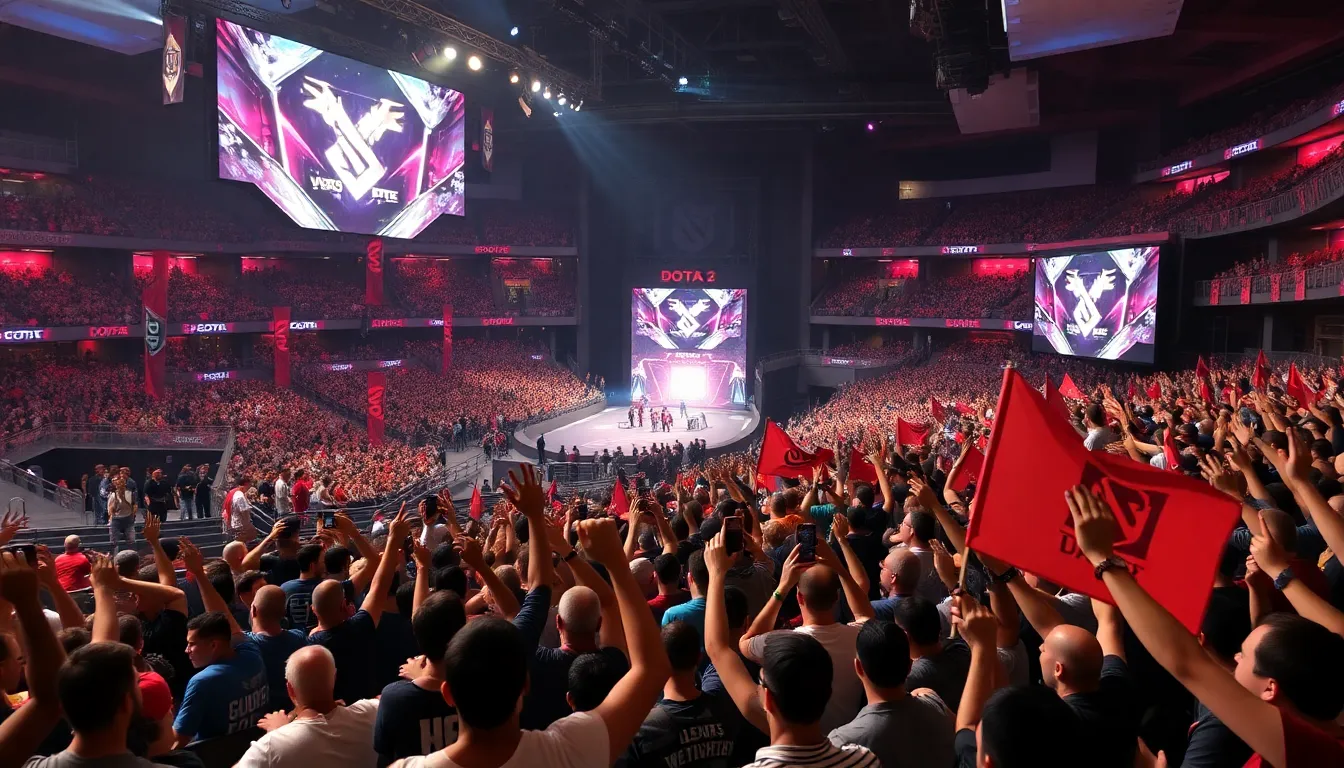
At the forefront are the game developers, Valve Corporation, who are responsible for organizing major tournaments. Their primary interest lies in maintaining profitability while ensuring the game’s longevity. However, the costs associated with hosting large-scale events can be daunting, leading to a reluctance to commit to more frequent live competitions.
Another key actor is the esports organizations that field professional teams. These organizations depend on live events for exposure, sponsorship deals, and fan engagement. The lack of frequent stadium events can hinder their growth and profitability, creating tension between their aspirations and the current event landscape.
Furthermore, fans play a crucial role in this dynamic. A significant portion of the community desires more opportunities to witness their favorite teams compete in person. However, the sporadic nature of live events has led to frustration, as many fans can’t recall the last five offstage winners, highlighting a disconnect between the competitive scene and fan engagement. The need for more clarity on these events is also discussed in recent articles.
- Economic implications: The costs of organizing live events versus potential revenue from ticket sales and sponsorships.
- Community engagement: The need for more frequent events to keep fans invested and engaged with the game.
- Competitive integrity: Concerns about the impact of fewer live events on the competitive landscape and player visibility.
- Logistical challenges: Issues related to venue availability, travel restrictions, and safety protocols.
- Market saturation: The potential risk of oversaturating the esports market with too many events.
How the absence of stadium events affects the Dota 2 community
The Dota 2 community is a diverse ecosystem that includes players, fans, event organizers, and sponsors. Each of these groups feels the impact of the lack of stadium events, which traditionally serve as a focal point for competition and camaraderie. Players miss out on the thrill of performing in front of live audiences, while fans are deprived of the electrifying atmosphere that comes with attending these events in person.
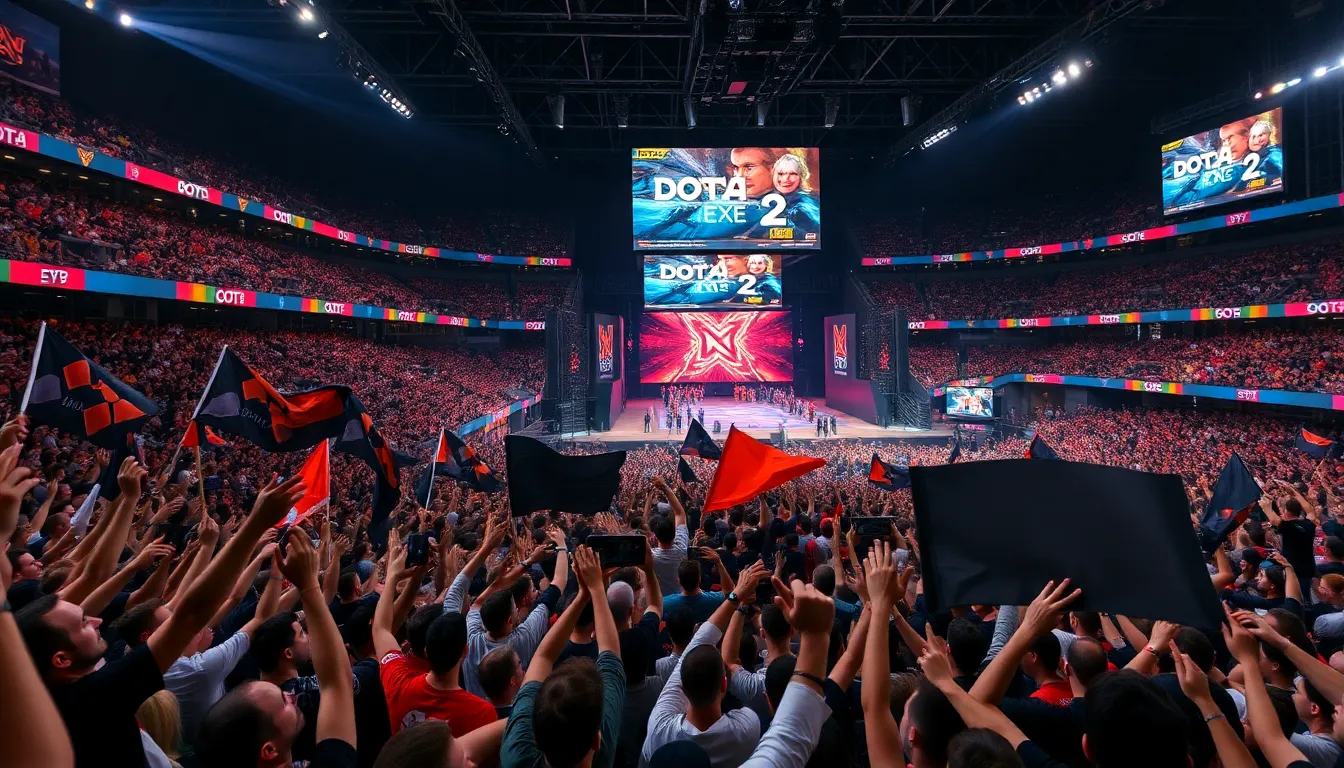
In the short term, the absence of stadium events can lead to a decline in player engagement and viewership. Fans may turn to other games or forms of entertainment, causing a ripple effect throughout the industry. Local businesses that rely on the influx of visitors during major tournaments, such as hotels, restaurants, and merchandise vendors, also face financial strain. This could result in a downturn in revenue and potential layoffs in regions that host these events.
Mid-term impacts may include a shift in how esports organizations operate. Without the draw of live events, teams might struggle to secure sponsorships and funding, which are often tied to visibility and fan engagement at these gatherings. This could lead to a consolidation of smaller teams and a more homogenized competitive landscape, diminishing the diversity that has characterized Dota 2.
- Decline in player and fan engagement
- Negative economic impact on local businesses
- Shifts in sponsorship and funding opportunities
- Potential for increased online competition
However, there are also opportunities that arise from this situation. The growing popularity of online streaming and virtual events could lead to innovative formats that engage fans in new ways. Organizations might explore hybrid models that combine online and offline experiences, potentially reaching a broader audience. This could pave the way for a more resilient esports ecosystem that adapts to changing circumstances while still fostering community and competition.
A: Stadium events create a unique atmosphere that enhances the competitive experience for players and fans alike. They foster a sense of community and excitement that online events often lack. A: The last major stadium event for Dota 2 was The International 10, held in 2021. Since then, the frequency of such events has significantly decreased. A: Players often perform better in front of live audiences due to the adrenaline and support from fans. This can lead to more thrilling matches and memorable moments. A: Fans can express their desire for more live events through social media, support event organizers, and attend local tournaments to show their enthusiasm. A: While there are online tournaments scheduled, the future of stadium events remains uncertain. Fans are hopeful for announcements regarding live competitions.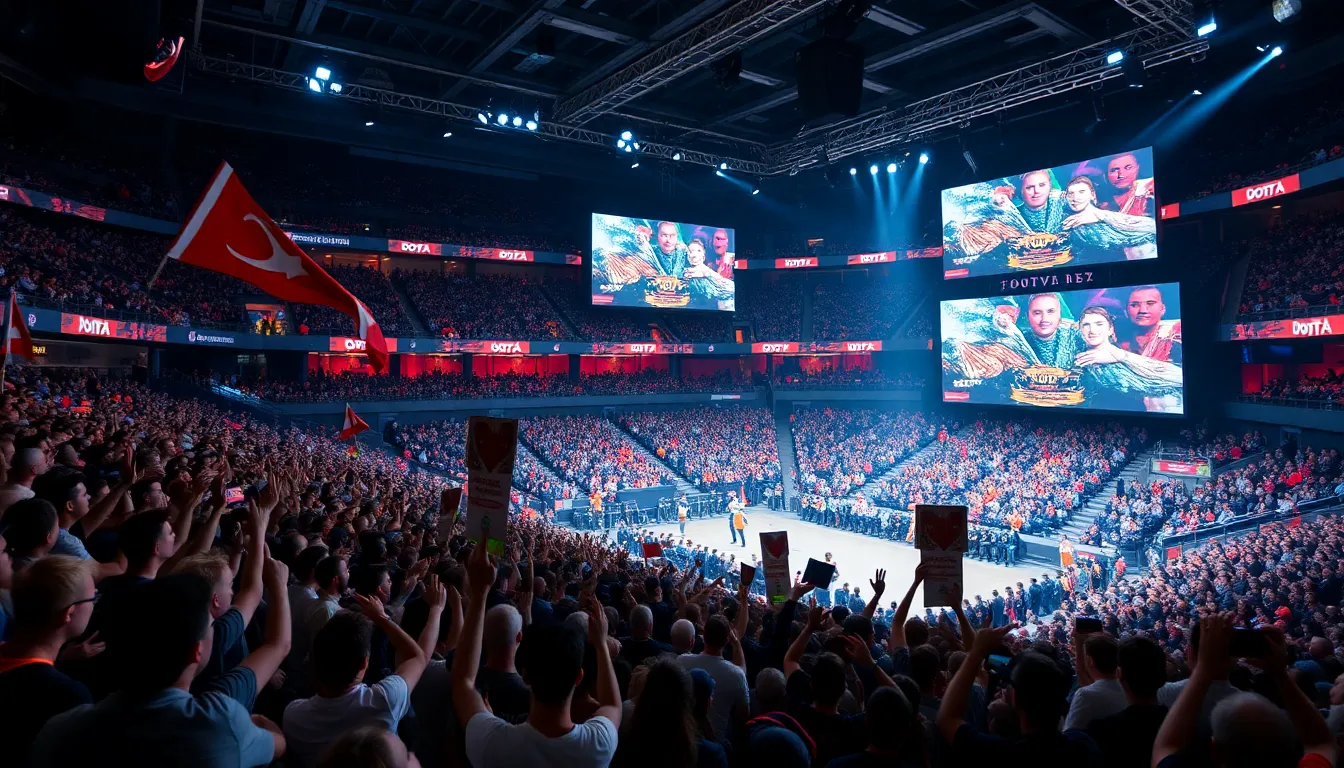
Frequently asked questions about Dota 2 events
Looking ahead: The future of Dota 2 and live events
The landscape of Dota 2 continues to evolve, yet the absence of significant live events is increasingly felt among the community. Fans crave the thrill of in-person competitions, which not only elevate the excitement of gameplay but also foster a deeper connection among players and supporters. As the esports scene grows, the need for more stadium events has become paramount, especially considering the fading memory of recent offstage winners.
With the right strategies in place, Dota 2 has the potential to reignite passion and engagement through live events. This can lead to a revitalization of the community and a stronger competitive atmosphere that benefits players, fans, and sponsors alike.
- Increased investment in live events could enhance community engagement and draw in new fans.
- Organizers should consider hybrid models that combine online and offline experiences to maximize reach.
- Collaboration with sponsors and local venues will be crucial for the sustainability of these events.
- Highlighting offstage winners through dedicated segments could help fans connect with the broader talent pool.
- Monitoring attendance and fan feedback will be essential to refine future event formats and locations.