
Meanwhile, several Asian nations have moved forward with their own agreements with Iran, effectively sidestepping U.S. sanctions. Countries such as China and India have signed trade deals that allow them to import Iranian oil, which has become a critical aspect of their energy security strategies. These developments signal a shift in the balance of power, as these nations seek to strengthen their economic ties with Iran amidst U.S. pressure. For more on the implications of these activities, read our article on Abu Dhabi oil chief states Strait of Hormuz remains closed as crude prices increase.
The situation is further complicated by Iran’s recent announcements regarding its nuclear activities. In September 2023, Iran began enriching uranium to levels closer to weapons-grade, a move that has drawn sharp criticism from the U.S. and its allies. This escalation not only undermines the existing framework of the 2015 nuclear deal but also raises the stakes for all parties involved as the deadline approaches.
As the clock ticks down, the international community watches closely. The outcome of these negotiations could have far-reaching implications for global security, especially in the Middle East. With Asian nations already securing their interests, the U.S. finds itself in a precarious position, needing to balance its diplomatic efforts with the realities of a changing geopolitical landscape.
Understanding the historical context of Iran’s international relations
Iran’s international relations have been shaped by a complex interplay of historical events, political ideologies, and economic interests. The 1979 Iranian Revolution marked a significant turning point, as the overthrow of the Shah led to the establishment of the Islamic Republic. This shift not only altered Iran’s domestic policies but also its foreign relations, particularly with Western nations, especially the United States. The subsequent hostage crisis further entrenched animosities and set the stage for decades of strained relations, an event that shaped the current U.S. stance towards Iran.
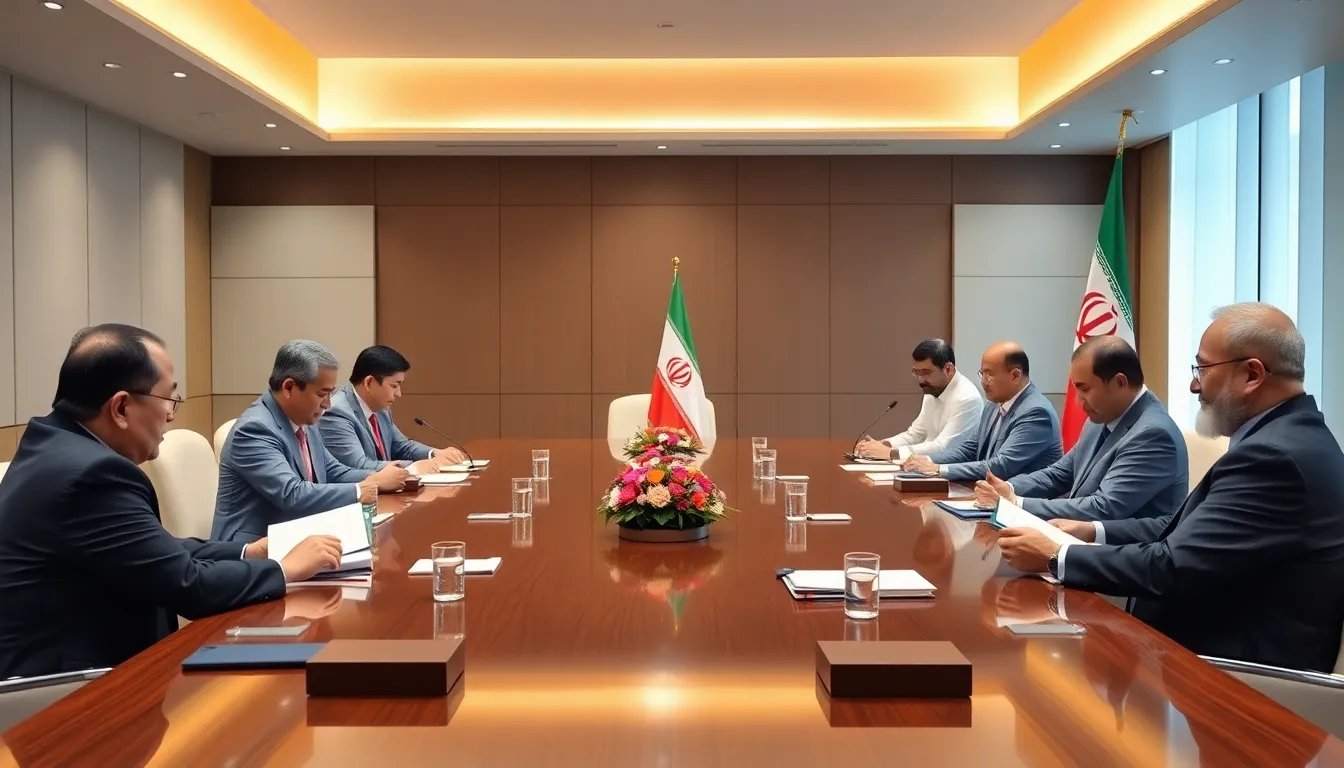
In the years that followed, Iran faced increasing isolation from the international community, particularly after its nuclear ambitions came to light. The imposition of sanctions by the United States and its allies aimed to curb Iran’s nuclear program but also had profound effects on its economy. Despite these challenges, Iran sought to strengthen its ties with other nations, particularly in Asia, where economic partnerships became increasingly important.
Asian Nations and Iran: A Growing Relationship
As Western nations imposed sanctions, Asian countries began to explore economic opportunities with Iran. Nations like China, India, and Japan recognized the potential benefits of engaging with Iran, particularly in energy sectors. This shift was not merely economic; it also reflected a broader geopolitical strategy to counterbalance Western influence in the region. The signing of various trade agreements and energy deals has allowed Iran to maintain a degree of economic stability despite ongoing sanctions.
Recent developments have seen Asian nations solidifying their relationships with Iran, often in defiance of U.S. pressures. As the deadline for renewed negotiations on Iran’s nuclear program approaches, these nations have already established significant economic ties, further complicating the diplomatic landscape. The readiness of Asian nations to engage with Iran highlights a shift in global power dynamics and raises questions about the effectiveness of U.S. foreign policy in isolating Tehran.
Ultimately, the historical context of Iran’s international relations reveals a narrative of resilience and adaptation. As countries in Asia continue to forge their paths with Iran, the implications for global diplomacy and economic alliances are profound, indicating a potential shift in the balance of power in international relations.
Key stakeholders and issues surrounding the Iran deals
The geopolitical landscape surrounding Iran’s nuclear deals is complex, with multiple stakeholders involved. Key actors include the Iranian government, which seeks to enhance its economic standing and international legitimacy; the United States, under the leadership of former President Donald Trump, which aims to exert pressure on Iran to curb its nuclear ambitions; and various Asian nations, such as China and India, that have forged their own agreements with Iran, influencing the strategies laid out in several sectors including energy.
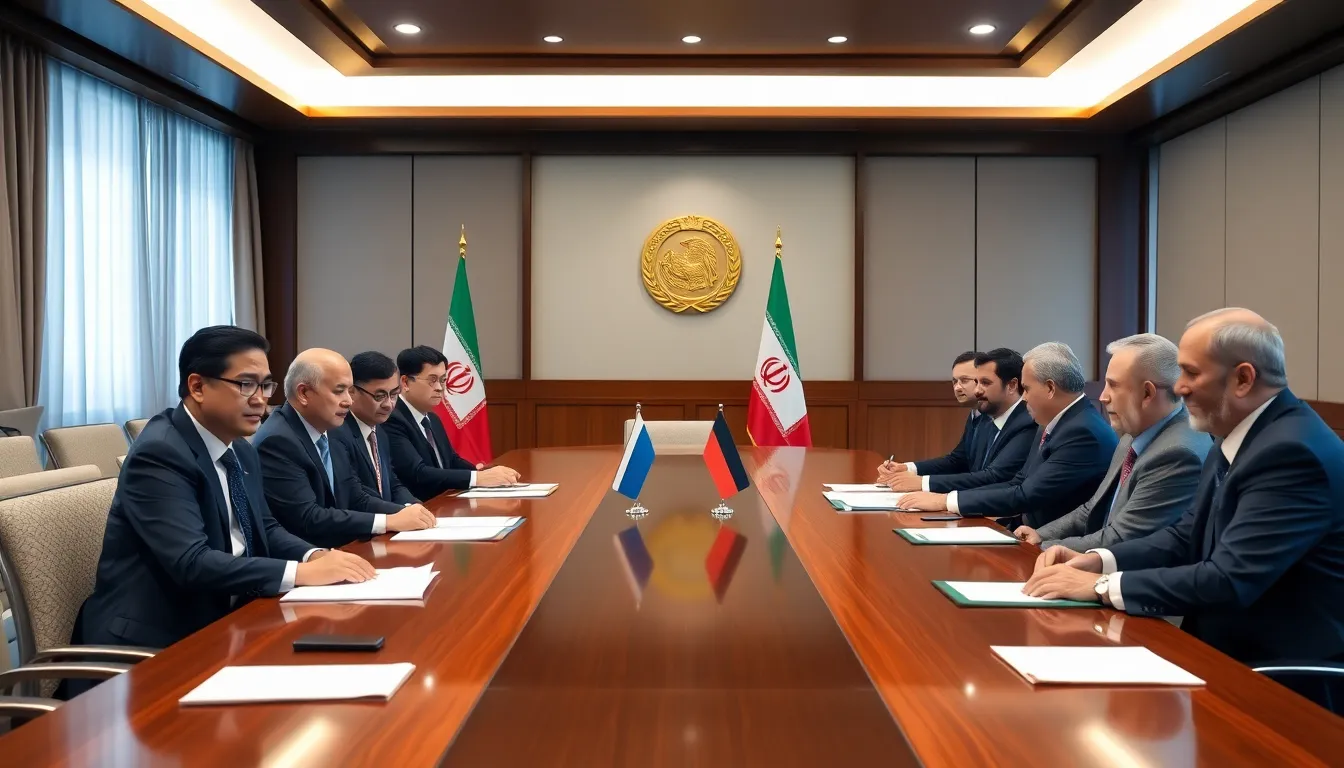
Iran’s interest in these deals lies primarily in lifting economic sanctions that have severely impacted its economy. The country is eager to attract foreign investment and trade, particularly in its oil sector, which is vital for its economic recovery. Meanwhile, Asian nations are motivated by their energy needs and the potential for lucrative trade relations with Iran, which could offer them a competitive edge in securing energy supplies.
On the other hand, the United States’ stance introduces significant tension. Trump’s administration has taken a hardline approach, threatening to withdraw from agreements and impose sanctions on countries engaging with Iran. This creates a conflict for Asian nations, which must navigate their energy requirements while balancing relations with the U.S. and the potential repercussions of defying its policies.
- Economic Interests: Asian nations seek stable energy supplies from Iran, while the U.S. aims to limit Iran’s economic growth.
- Legal Issues: The legality of sanctions and their extraterritorial implications create dilemmas for foreign companies.
- Political Dynamics: The differing approaches of the U.S. and Asian countries may lead to shifts in global alliances.
- Security Concerns: The potential for increased tensions in the Middle East could have wider implications for global security.
- Trade-offs: Asian nations must weigh the benefits of trade with Iran against the risks of U.S. sanctions.
In summary, the interactions between these stakeholders reveal a web of interests that complicate the already intricate negotiations surrounding Iran’s nuclear program. The balance of power, economic motivations, and legal frameworks will all play crucial roles in shaping the future of these deals.
Potential impacts on global markets and regional politics
As the deadline for Trump’s policies approaches, various groups and industries are feeling the effects of changing relations with Iran. Asian nations, which have already established trade agreements with Iran, stand to gain a significant advantage in the region. This shift not only impacts international relations but also alters the competitive landscape for businesses involved in oil, energy, and trade.
Countries like China and India, which have been actively engaging with Iran, may see a boost in their energy security and economic growth. The immediate effect could lead to increased imports of Iranian oil, providing these nations with a more stable energy supply. In the short term, this could result in lower energy costs for consumers and businesses in these countries, enhancing their economic competitiveness.
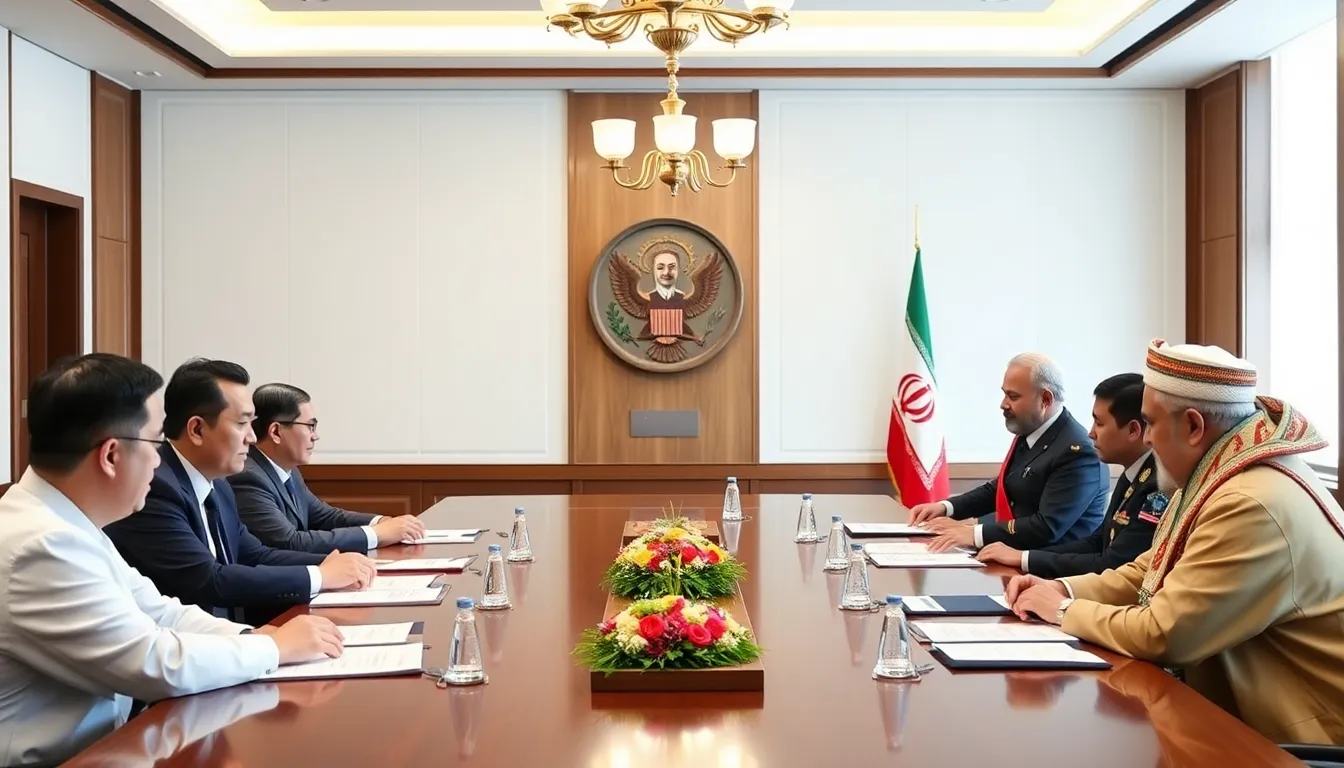
However, there are also risks associated with these developments. Asian nations may face backlash from the U.S. government, potentially leading to sanctions or other economic pressures. This could create uncertainty in the market, impacting investment decisions and potentially leading to higher costs for businesses reliant on U.S. markets.
- Short-term impacts: Increased energy imports from Iran, lower costs for Asian consumers.
- Mid-term impacts: Potential U.S. sanctions affecting trade relationships.
- Opportunities: Strengthened economic ties between Asian nations and Iran.
- Risks: Volatility in global oil prices due to geopolitical tensions.
In addition to energy markets, industries related to technology and infrastructure may also experience shifts. Asian companies that invest in Iranian markets could find new opportunities for growth and partnership, while those who rely on U.S. technology may face challenges in navigating compliance with U.S. regulations. This evolving scenario presents a complex mix of risks and opportunities that businesses must carefully consider.
A: Asian nations have engaged in various agreements focusing on energy, trade, and infrastructure development. These deals aim to strengthen economic ties despite ongoing tensions with the U.S. A: Trump’s deadline may lead to increased pressure on these nations to reconsider their deals, especially if sanctions are reimposed. However, many Asian countries are likely to prioritize their economic interests. A: The U.S. may face challenges in enforcing its policies if key allies have already established strong ties with Iran. This could lead to a reevaluation of strategies in the region. A: Yes, engaging with Iran could expose Asian nations to potential sanctions from the U.S., impacting their economies and international relations. A: Other countries are closely monitoring the situation, with some expressing concern over the potential for increased instability in the region and the implications for global oil markets.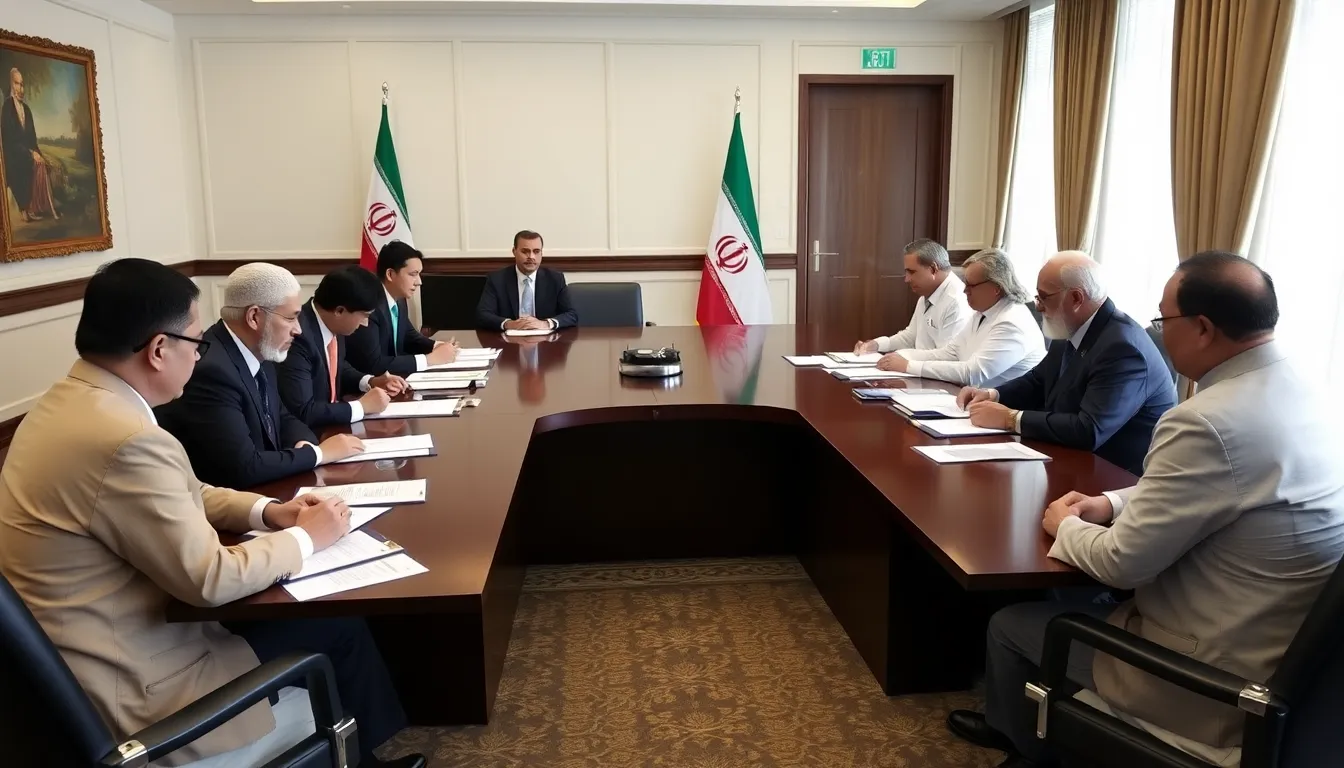
Frequently asked questions about the Iran deals and Trump’s deadline
Key takeaways and future outlook on Iran’s agreements
The recent developments surrounding Iran’s agreements with various Asian nations signal a significant shift in geopolitical dynamics, particularly in the context of U.S. foreign policy under the looming deadline set by the Trump administration. As these nations solidify their economic ties with Iran, the implications for regional stability, energy markets, and international diplomacy become increasingly pronounced. It is essential to monitor how these agreements will influence Iran’s global standing and the responses from Western powers.
In the coming months, the interplay between Iran’s partnerships in Asia and the U.S. stance on sanctions will be crucial. Observers should pay close attention to how these relationships evolve and the potential for new diplomatic initiatives or tensions arising from this complex landscape.
- Watch for shifts in energy supply chains as Asian nations deepen their ties with Iran, potentially impacting global oil prices.
- Monitor the response from the U.S. and its allies, particularly regarding sanctions enforcement and diplomatic engagement.
- Consider the implications for regional security, especially in relation to Iran’s influence in the Middle East.
- Assess how these developments may affect international negotiations on nuclear non-proliferation and related agreements.
- Keep an eye on the potential for new economic partnerships between Iran and Asian countries that could reshape trade dynamics.