
Recent reports indicate that factions opposing the Iranian government have begun to mobilize, signaling a possible escalation of conflict if the cease-fire is not extended. Analysts suggest that the expiration of the cease-fire could lead to a resurgence of violence, which would not only destabilize Iran but could also have regional implications, affecting neighboring countries and international relations. For more on diplomatic efforts, see U.S. and Iran Explore Solutions to Ongoing Conflict.
Former President Donald Trump has expressed interest in resuming a more aggressive stance towards Iran, citing security concerns and the need to counter perceived threats. However, experts warn that such a move could be risky, potentially igniting a larger conflict that could draw in other nations and complicate U.S. foreign policy in the region.
The next few weeks will be critical in determining whether the cease-fire will be extended or if hostilities will resume. With diplomatic efforts ongoing, the stakes are high, and the choices made by key actors will have lasting consequences for both Iran and the broader Middle East.
Background on U.S.-Iran relations and previous conflicts
The relationship between the United States and Iran has been fraught with tension and conflict since the mid-20th century. A pivotal moment occurred in 1953 when the CIA orchestrated a coup to depose Iran’s democratically elected Prime Minister, Mohammad Mossadegh, reinstating the Shah, Mohammad Reza Pahlavi. This intervention sowed deep-seated resentment among Iranians towards the U.S., laying the groundwork for future hostilities.
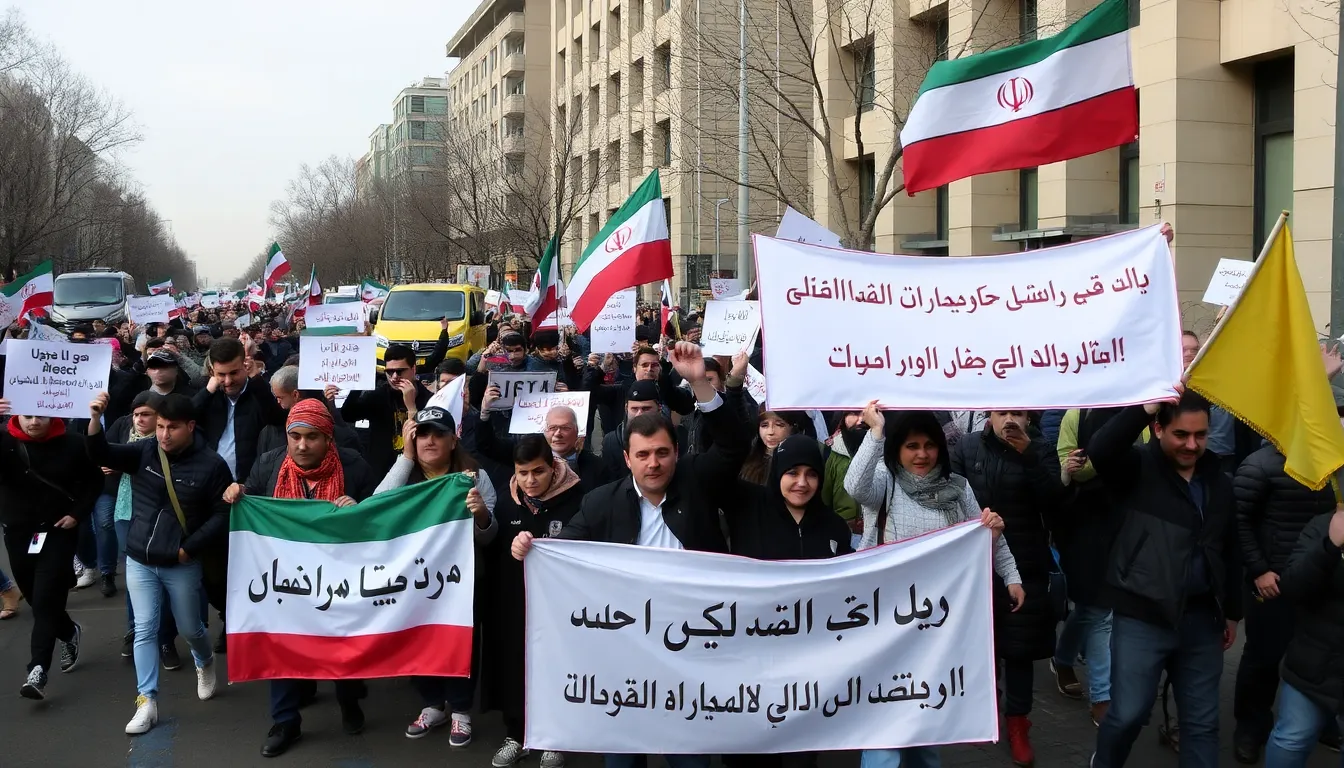
The 1979 Iranian Revolution marked a significant turning point, as the Shah was overthrown and the Islamic Republic was established under Ayatollah Khomeini. The subsequent U.S. Embassy hostage crisis, where 52 American diplomats and citizens were held for 444 days, further deteriorated relations. This event has since become a symbol of U.S.-Iranian animosity and is often cited in discussions of ongoing tensions.
Milestones in U.S.-Iranian Relations
Since the revolution, several key milestones have defined the U.S.-Iran relationship. The Iran-Iraq War (1980-1988) saw the U.S. supporting Iraq, while Iran was labeled part of the “Axis of Evil” by President George W. Bush in 2002. The nuclear negotiations that began in earnest in the early 2000s culminated in the 2015 Joint Comprehensive Plan of Action (JCPOA), which aimed to curb Iran’s nuclear ambitions in exchange for sanctions relief. However, the U.S. withdrawal from the agreement in 2018 under President Trump reignited tensions and led to a series of confrontations in the region.
In the years following the U.S. exit from the JCPOA, Iran resumed some of its nuclear activities, and incidents such as the assassination of Iranian General Qassem Soleimani in January 2020 and subsequent Iranian retaliatory strikes heightened fears of direct military conflict. These events underscore the precarious balance of power in the Middle East and the potential consequences of military engagement, which could have far-reaching implications not only for U.S.-Iran relations but also for regional stability. For a deeper analysis, check out Exploring the Current Trends in Inside Health.
As the current cease-fire in the region approaches its expiration, the prospect of renewed combat raises critical questions about the risks involved for the U.S. and its allies. The historical context of U.S.-Iran relations suggests that any military action could exacerbate existing tensions and lead to unintended consequences, making it imperative for policymakers to weigh the potential fallout carefully.
Key stakeholders and issues surrounding a potential military action
The potential resumption of military action in Iran involves a complex web of stakeholders, each with distinct interests and concerns. The primary actors include the U.S. government, the Iranian regime, regional allies, and international organizations. Each of these entities plays a crucial role in shaping the discourse and the potential outcomes of renewed hostilities.
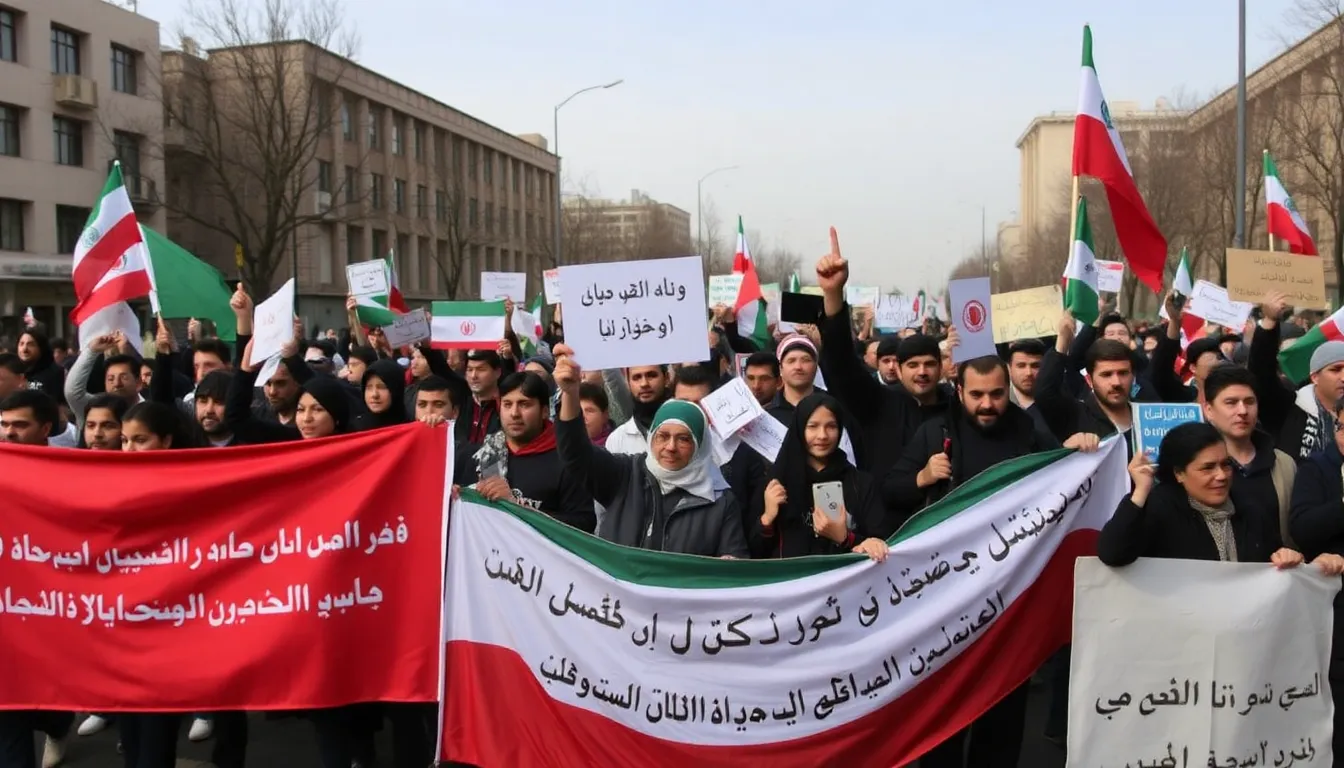
The U.S. government, led by former President Donald Trump, has a vested interest in demonstrating strength and decisiveness in foreign policy. A military action could be seen as a means to reassert U.S. influence in the Middle East, particularly in light of Iran’s nuclear ambitions and its support for proxy groups. However, the risks associated with such actions could lead to significant backlash, both domestically and internationally.
On the other side, the Iranian regime perceives any potential military action as a direct threat to its sovereignty and stability. Iran’s leadership may respond aggressively to any perceived encroachment, leading to heightened tensions in the region. This could further complicate diplomatic relationships and lead to a broader conflict, drawing in regional powers and international actors. To understand the complexities of these interactions, visit Exploring the Taskers Behind Meta’s AI Data Scraping.
Regional allies, such as Israel and Saudi Arabia, have their own interests in the outcome of U.S. actions in Iran. They may support military intervention as a means to curb Iranian influence, but they also face the risk of retaliation from Iran. This precarious balance creates a scenario where the stakes are high for all involved parties.
- Potential for escalation: Military action could lead to a broader conflict, drawing in multiple stakeholders.
- Domestic implications: Trump faces scrutiny and potential political fallout from any military engagement.
- International response: Actions may provoke reactions from allies and adversaries alike, affecting global diplomatic relations.
- Economic considerations: Military action could impact oil prices and economic stability in the region.
- Legal ramifications: Questions around the legality of military intervention without Congressional approval could arise.
Impact on regional stability and U.S. foreign policy
The potential for renewed combat in Iran poses significant risks not only to the stability of the Middle East but also to U.S. foreign policy. A range of groups, including local populations, U.S. military personnel, and international allies, would be directly affected by escalating tensions. Additionally, industries such as oil and defense, as well as humanitarian organizations, would face immediate consequences.
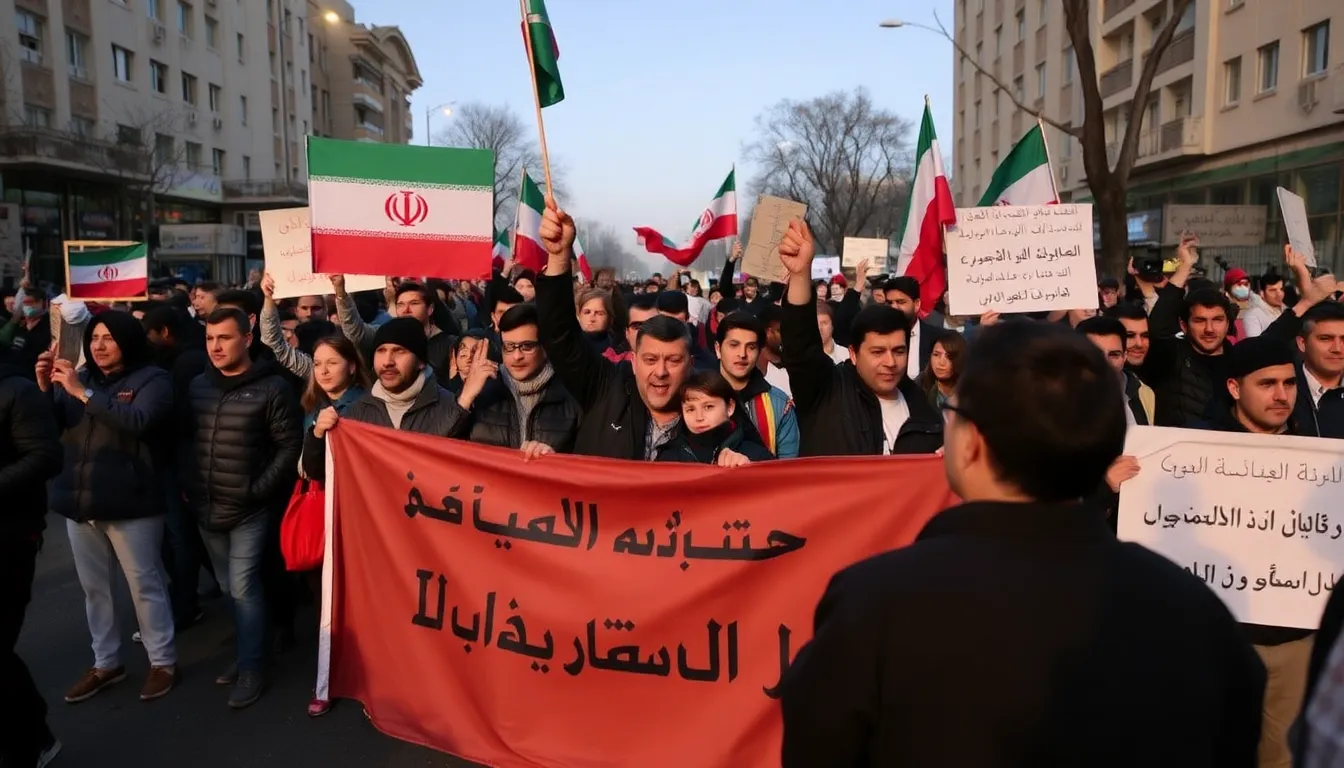
In the short term, daily life for civilians in Iran and neighboring countries could deteriorate sharply. Increased military action may lead to civilian casualties, displacement, and a humanitarian crisis, prompting international organizations to intervene. This instability could also disrupt trade routes, particularly those vital for oil transport, leading to spikes in global oil prices and affecting economies worldwide.
Mid-term impacts may include shifts in U.S. foreign policy, as Congress and the public react to the ramifications of renewed conflict. The defense industry could see a surge in contracts and production, benefiting companies involved in military technology and logistics. However, this could come at the cost of diplomatic relations with allies who may oppose military action, leading to a more isolated U.S. position on the global stage.
- Humanitarian crisis: Increased civilian suffering and displacement.
- Economic repercussions: Fluctuations in oil prices impacting global markets.
- Defense industry growth: Potential for increased military spending and contracts.
- Diplomatic tensions: Strained relationships with international allies.
While risks dominate the landscape, there may be opportunities for diplomatic engagement if the U.S. can leverage its military presence to negotiate better terms with Iran and its allies. However, this would require careful navigation to avoid further escalation and ensure that any military action is part of a broader strategic vision rather than a reactionary measure.
A: Resuming combat could lead to significant loss of life and escalate tensions in the region. It may also provoke retaliatory actions from Iran and its allies. A: A military action could polarize public opinion and impact Trump’s approval ratings, especially among voters concerned about foreign conflicts. A: The U.S. could pursue diplomatic negotiations, economic sanctions, or support for regional allies to address its concerns without direct military involvement. A: A prolonged conflict could drain U.S. resources, lead to a quagmire similar to past wars, and negatively affect global oil markets. A: U.S. allies are likely to have mixed reactions, with some supporting military action and others advocating for diplomatic solutions to avoid further escalation.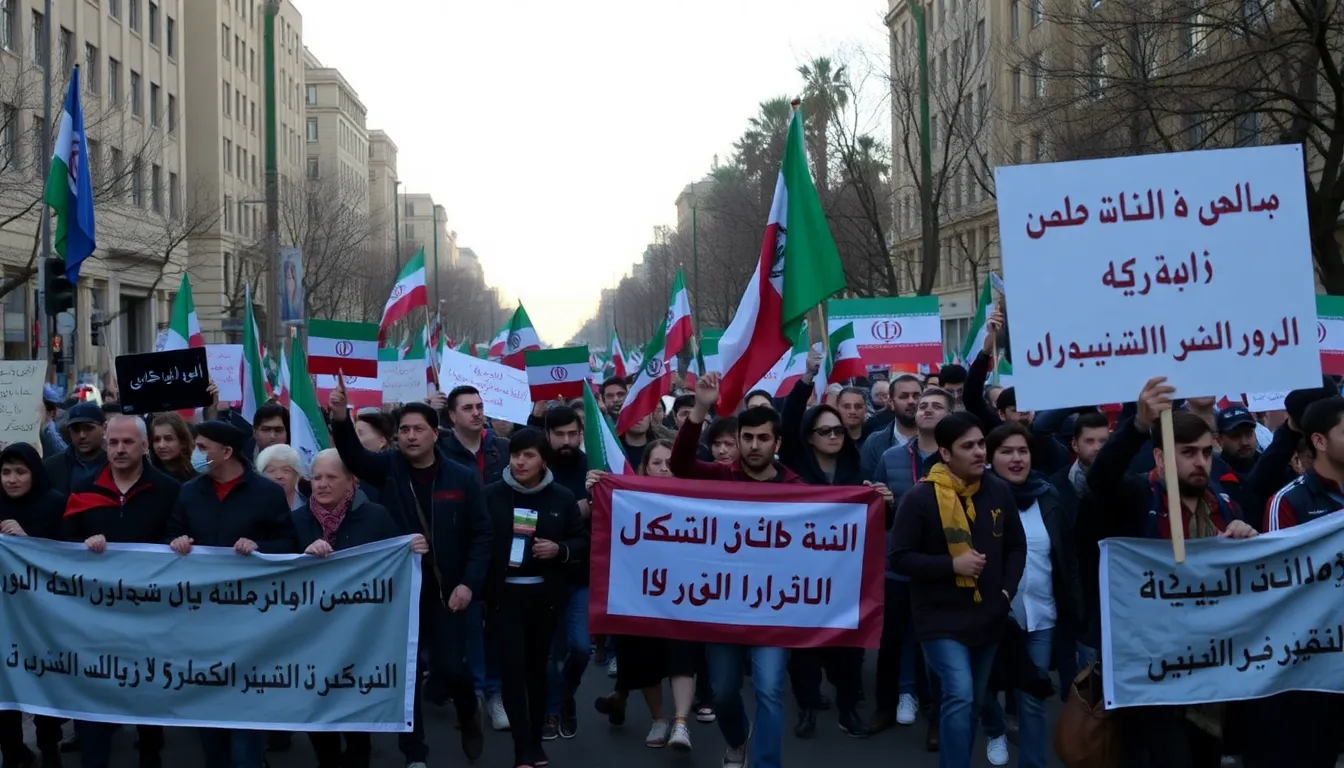
Frequently Asked Questions about U.S. military options in Iran
Outlook on the implications of resuming combat in Iran
The potential for renewed military engagement in Iran presents a complex landscape for U.S. foreign policy. As the cease-fire hangs in the balance, the ramifications of such a decision extend beyond immediate military objectives, influencing regional stability, domestic political dynamics, and international relations. A careful assessment of these factors is essential for understanding the broader implications of any action taken.
Political leaders and analysts must consider the potential for escalating conflict, the reactions of key allies and adversaries, and the impact on the U.S. public’s perception of military interventions. The stakes are high, and the consequences of resuming combat could reshape the geopolitical environment in the Middle East for years to come.
- Monitor shifts in public opinion regarding military action, as domestic support will be crucial for any potential engagement.
- Observe how regional powers, such as Saudi Arabia and Israel, respond to the possibility of renewed U.S. combat operations.
- Evaluate the implications for U.S. relations with Russia and China, particularly in the context of their interests in Iran.
- Watch for developments in Iran’s internal politics, as increased military pressure could influence domestic stability.
- Consider the humanitarian implications and the potential for increased civilian casualties, which could further complicate the U.S. position internationally.