
The astronauts, currently engaged in scientific experiments and maintenance tasks aboard the ISS, are equipped with backup communication systems. These systems allow them to maintain contact with each other and monitor essential functions, ensuring their safety during the temporary lapse in communication with Earth. The agency has confirmed that the astronauts are in good health and continue to perform their duties without any issues, as highlighted in the recent article on the Artemis II crew’s return.
NASA’s reassurance stems from extensive experience with similar situations in the past. For instance, during the Apollo missions, astronauts frequently encountered communication challenges due to various technical issues. Each incident has contributed to the development of robust protocols to manage and mitigate risks, ensuring that crew members remain safe and operational.
As the situation develops, NASA is closely monitoring the status of the communication systems and expects to restore full contact shortly. The agency emphasizes that maintaining a connection with the ISS is a priority, and they are prepared to respond quickly to any unforeseen complications that may arise during this period, especially in light of the critical lessons learned from the Apollo 13 mission.
Understanding the challenges of space communication
The history of space communication has been marked by remarkable advancements and significant challenges. Since the dawn of the space age in the late 1950s, the need for reliable communication between astronauts and mission control has been paramount. Early missions, such as the Soviet Union’s Sputnik and the United States’ Mercury program, faced numerous hurdles, including limited technology and the vast distances involved. These initial efforts laid the groundwork for more sophisticated communication systems that would evolve over the decades.
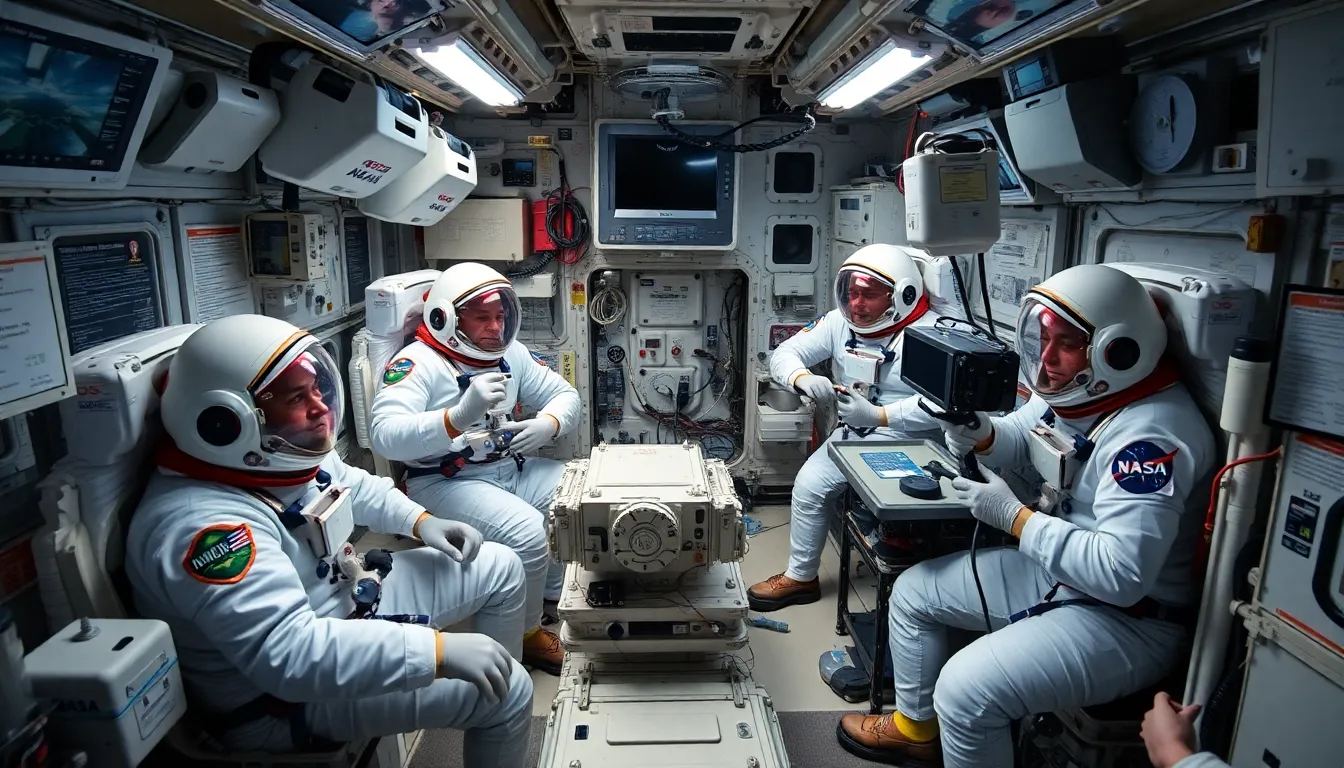
As space exploration progressed, NASA and other space agencies developed advanced technologies to enhance communication capabilities. The introduction of satellites in the 1960s revolutionized the way data was transmitted from space to Earth. For instance, the Tracking and Data Relay Satellite System (TDRSS) was established to provide continuous communication coverage for low Earth orbit missions. This system has significantly reduced the likelihood of losing contact with astronauts during missions.
The importance of redundancy in communication
One of the key lessons learned from past missions is the importance of redundancy in communication systems. Historical events, such as the Apollo 13 crisis in 1970, underscored the need for robust backup systems. During that mission, a critical failure led to the loss of primary communication channels, but NASA’s contingency plans allowed for successful communication through alternative means. This experience has informed current practices, leading to the implementation of multiple communication pathways to ensure that astronauts can maintain contact with mission control, even in the event of unexpected failures.
Today, as astronauts lose contact with Earth during their missions, NASA’s confidence stems from decades of experience and technological advancements. The agency’s ability to monitor spacecraft and provide support through various channels has significantly improved. Moreover, the ongoing collaboration with international space agencies and private companies has further strengthened communication capabilities, ensuring that astronauts are never truly isolated in the vastness of space.
Key stakeholders and their perspectives on the situation
As communication between astronauts and Earth has been disrupted, several key stakeholders are involved in the situation, each with distinct interests and concerns. The primary actors include NASA, the astronauts themselves, international space agencies, and the general public, all of which play crucial roles similar to those discussed regarding the implications of a potential Iran ceasefire.
NASA maintains a proactive stance, emphasizing its confidence in the technology and protocols in place. The agency’s interests lie in ensuring the safety of the astronauts while continuing to advance its research and exploration goals. NASA’s reputation and future funding are also at stake, making effective crisis management critical.
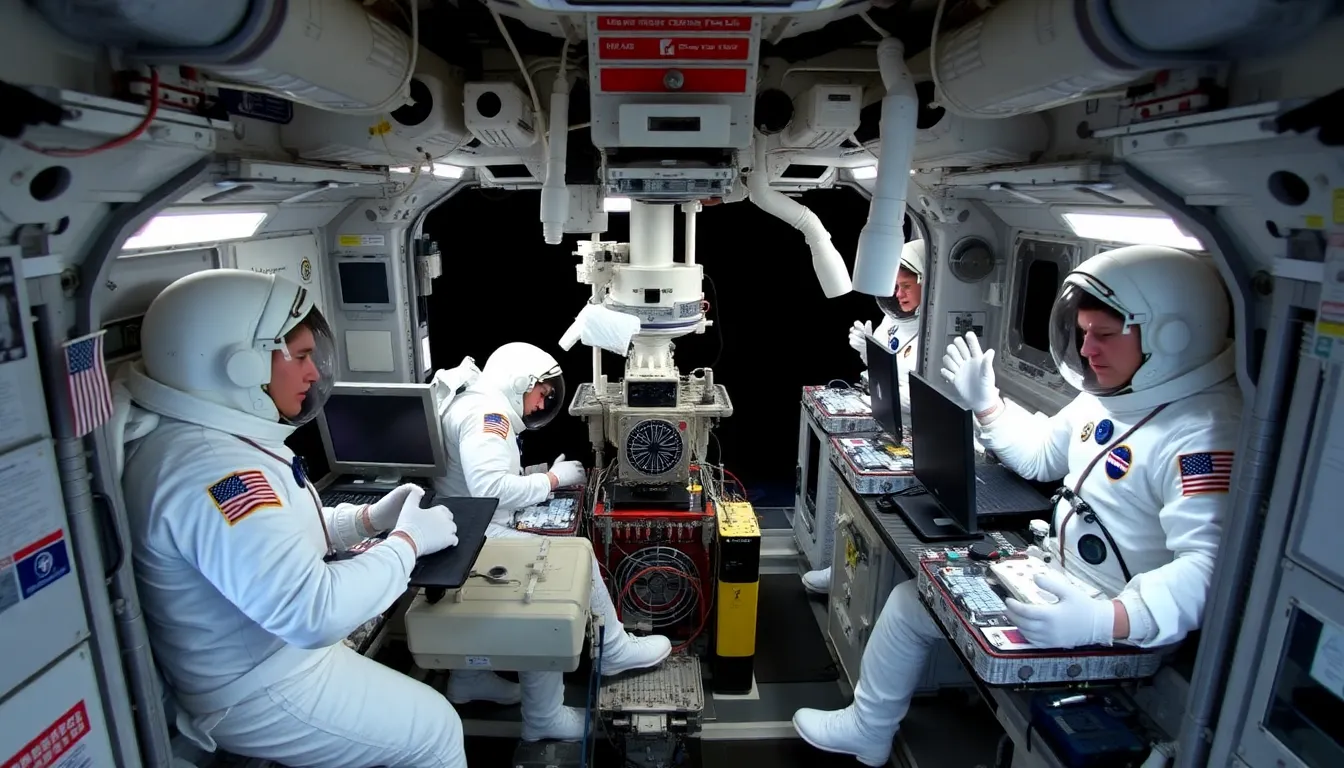
The astronauts involved are directly affected by the communication loss. Their primary interest is safety and the ability to complete their mission objectives. The psychological impact of being out of contact can also weigh heavily on the crew, raising concerns about mental health and operational effectiveness.
International space agencies such as the European Space Agency (ESA) and Roscosmos are also stakeholders, as they collaborate with NASA on various missions. Their interests include ensuring the safety of their astronauts and maintaining the integrity of international partnerships in space exploration. Potential conflicts may arise if communication issues are perceived to affect collaborative missions.
The general public has a vested interest in space exploration and the welfare of astronauts. Public sentiment can influence government support for space programs, and any perceived mismanagement could lead to a loss of trust. The media plays a crucial role in shaping public perception, often highlighting fears and concerns that may not align with the realities of the situation.
- NASA’s confidence in technology and protocols.
- Astronauts’ focus on safety and mission success.
- International collaboration and potential conflicts.
- Public perception and trust in space exploration.
- The role of media in shaping narratives around the incident.
Potential effects on the astronauts and mission objectives
The recent loss of contact between astronauts and Earth has raised concerns about the safety and well-being of the crew. However, NASA has indicated that they are not overly worried, which suggests a level of preparedness and resilience in their mission planning. The immediate impact is primarily felt by the astronauts themselves, who may experience heightened stress and uncertainty during this period of silence.
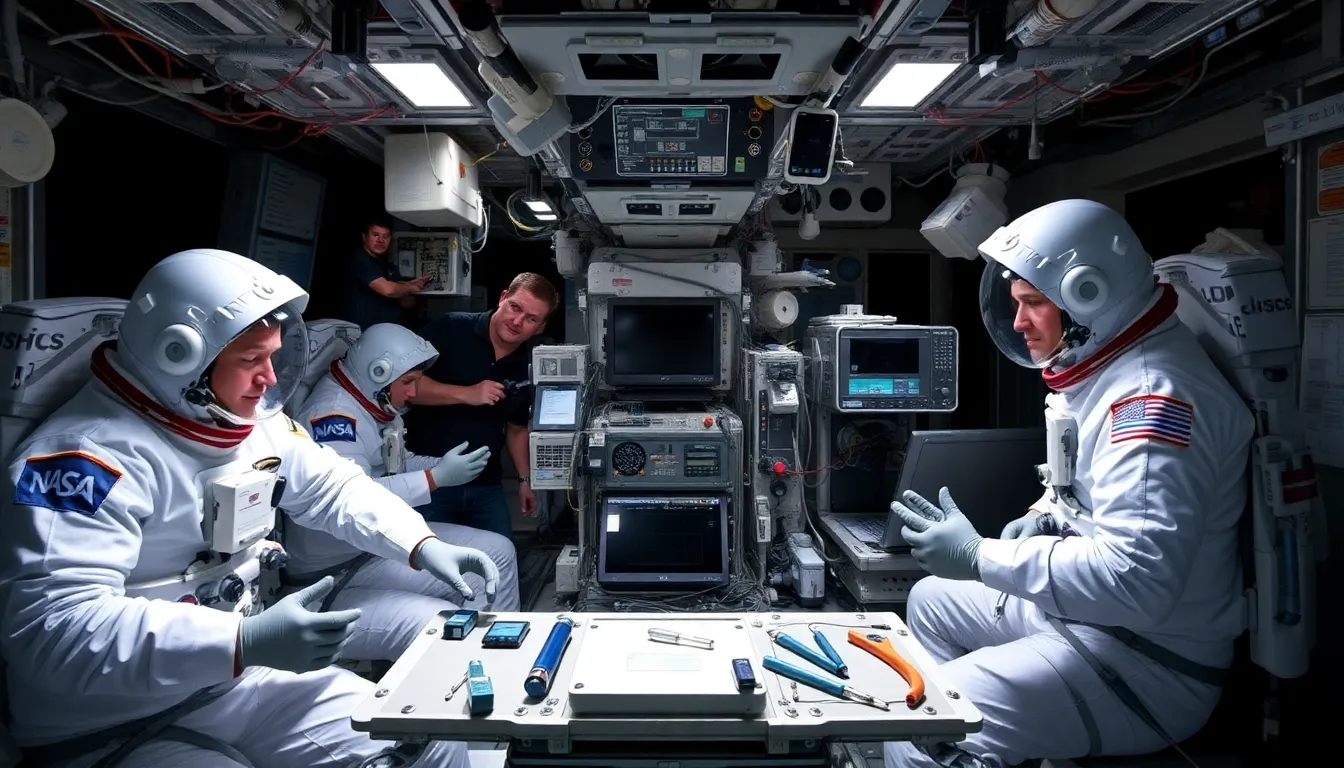
Industries related to space exploration, telecommunications, and emergency response are also affected by this situation. For instance, companies involved in satellite communications may see a spike in interest and investment as NASA reassesses its communication strategies. Additionally, the aerospace sector could experience changes in operational protocols, leading to potential shifts in business dynamics.
In the short term, daily life for the astronauts is disrupted as they navigate the challenges of operating without direct communication. This could lead to increased reliance on pre-established protocols and autonomous systems. In the mid-term, if the situation persists, there may be implications for future missions and policy adjustments related to astronaut safety and mission communication standards.
- Risks: Increased stress levels among astronauts, potential delays in mission objectives, and the need for enhanced contingency planning.
- Opportunities: Strengthened autonomous systems, potential advancements in communication technology, and renewed focus on crisis management training.
Regions with a significant presence in space exploration, such as Florida and Texas, may also feel the ripple effects of this event. Local economies that rely on NASA contracts and related industries could see fluctuations based on public perception and media coverage of the incident. Overall, while there are risks involved, there is also the potential for innovation and improvement in processes that could benefit future missions.
A: The loss of contact is attributed to temporary technical issues with the communication systems, which are not uncommon during space missions. A: NASA anticipates that communication will be restored shortly, as they are actively working to resolve the issue. A: No, the astronauts are not in immediate danger. NASA has protocols in place to ensure their safety during such occurrences. A: NASA continuously upgrades its technology and conducts regular maintenance to minimize the risk of communication failures. A: NASA uses a network of satellites and ground stations to maintain contact with astronauts, adjusting for distance and obstacles.
Frequently asked questions about the communication loss
Looking ahead: What this means for future missions
The recent loss of communication between astronauts and Earth highlights the challenges of deep space exploration. However, NASA’s confidence in their systems and protocols indicates a robust framework for handling such scenarios. This situation underscores the importance of developing resilient communication technologies and protocols that can withstand the complexities of space travel.
As we look to the future, it is essential to consider the implications of these events on upcoming missions. The ability to maintain operational integrity and ensure astronaut safety during periods of lost contact will be crucial for long-term missions, particularly those targeting Mars and beyond.
- Advancements in autonomous systems will be critical for future missions, enabling astronauts to operate independently during communication blackouts.
- Continued investment in redundant communication technologies will enhance mission reliability and astronaut safety.
- Training for astronauts will increasingly focus on crisis management and decision-making in isolation, preparing them for potential communication failures.
- International collaboration may become more vital, as shared resources and knowledge can improve mission success rates in deep space.
- Public engagement and education about the realities of space exploration will help manage expectations and foster support for ongoing missions.