
The closures, which are part of a broader budget reduction strategy, are set to take effect by the end of the fiscal year 2023. The Forest Service cited the need to reallocate funds to address pressing issues such as wildfire management and climate change adaptation. However, critics argue that these cuts undermine the scientific foundation necessary for sustainable forest management, which is crucial for effective environmental policies.
Among the labs slated for closure is the renowned Pacific Northwest Research Station, known for its pioneering work in forest ecology and management practices. The loss of such institutions not only diminishes research capabilities but also impacts the training and development of future scientists in the field, affecting educational initiatives.
This decision comes at a time when the United States faces increasing challenges related to forest health, biodiversity, and climate resilience. With wildfires becoming more frequent and severe, the need for robust scientific research to inform policy and management strategies is more critical than ever.
The implications of these closures extend beyond the immediate loss of research facilities. Stakeholders are concerned that reduced investment in forest science could hinder efforts to combat climate change and protect vital ecosystems, ultimately affecting both local communities and the environment at large, highlighting the need for robust environmental strategies.
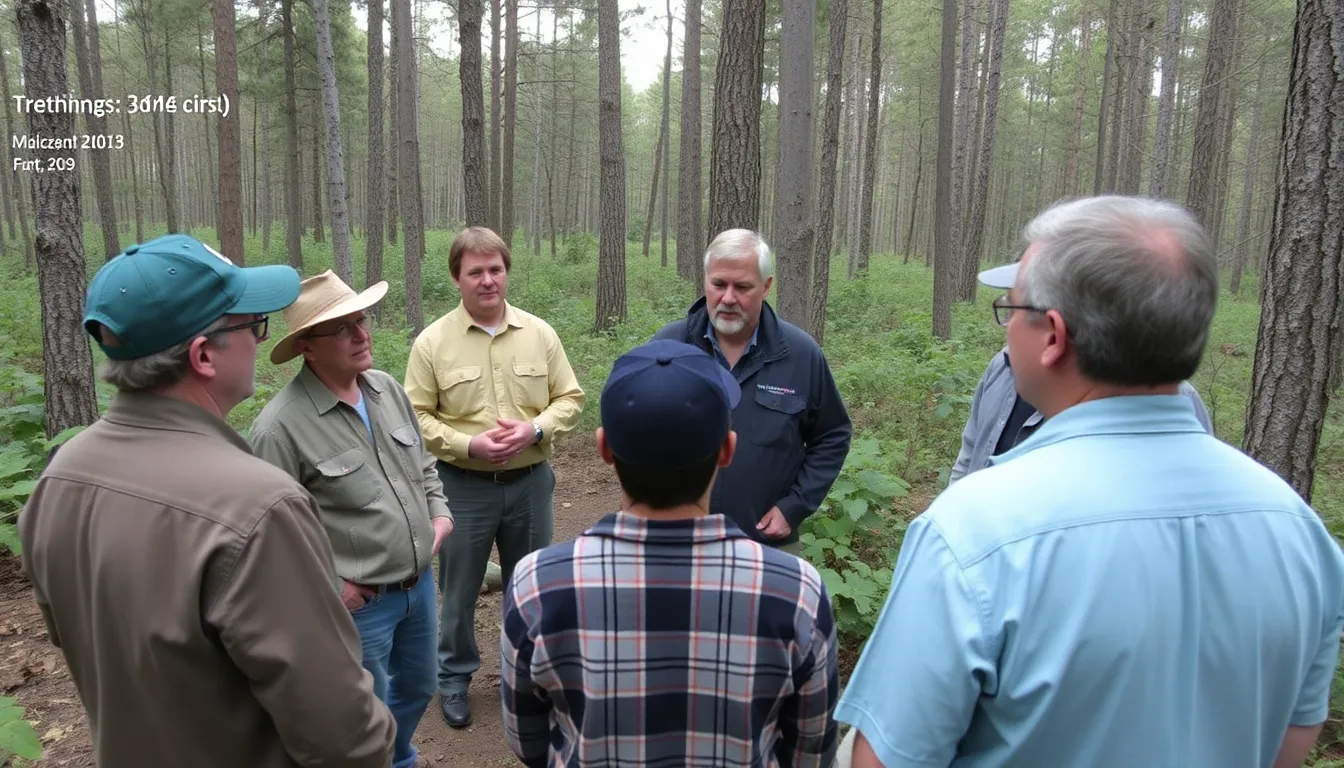
Understanding the history and purpose of these research facilities
The Forest Service Research Labs have played a crucial role in the United States’ approach to forest management and conservation since their inception in the early 20th century. Established to address the growing concerns over deforestation and the health of forest ecosystems, these facilities have been instrumental in developing sustainable practices and advancing scientific knowledge related to forestry. Their historical significance is rooted in the broader context of environmental awareness that emerged during the Progressive Era, which emphasized the need for federal intervention in natural resource management.
Throughout the decades, the Forest Service has faced various challenges, including political pressures and shifts in funding priorities. In the 1960s and 1970s, a surge in environmental activism led to the establishment of more rigorous regulations aimed at protecting natural resources. This period saw an expansion of research initiatives focused on biodiversity, ecosystem services, and the impacts of climate change. However, as federal budgets tightened in subsequent years, many research facilities began to experience funding cuts, which significantly hampered their operations and research capabilities.
Economic Pressures and Policy Changes
In recent years, economic pressures have intensified, leading to a reevaluation of the Forest Service’s priorities. The rise of competing interests, such as timber production and land development, has often overshadowed the importance of scientific research. Policymakers have increasingly favored short-term economic gains over long-term ecological sustainability, resulting in a shift away from funding for research labs. This trend has been exacerbated by the COVID-19 pandemic, which forced many government agencies to make difficult budgetary decisions, ultimately leading to the closure of several key research facilities.
As these closures unfold, the implications for forest management and conservation efforts are significant. The loss of research capabilities threatens to undermine decades of progress in understanding forest ecosystems and developing effective management strategies. Without these facilities, the ability to conduct vital research on issues such as pest management, wildfire prevention, and climate resilience is severely compromised, raising concerns about the future health of America’s forests.
Key stakeholders and the implications of the closures
The closure of Forest Service Research Labs has significant implications for various stakeholders, including government agencies, environmental organizations, local communities, and researchers. Each of these groups has distinct interests and concerns regarding the impact of these closures on forest management, research capabilities, and ecological preservation.
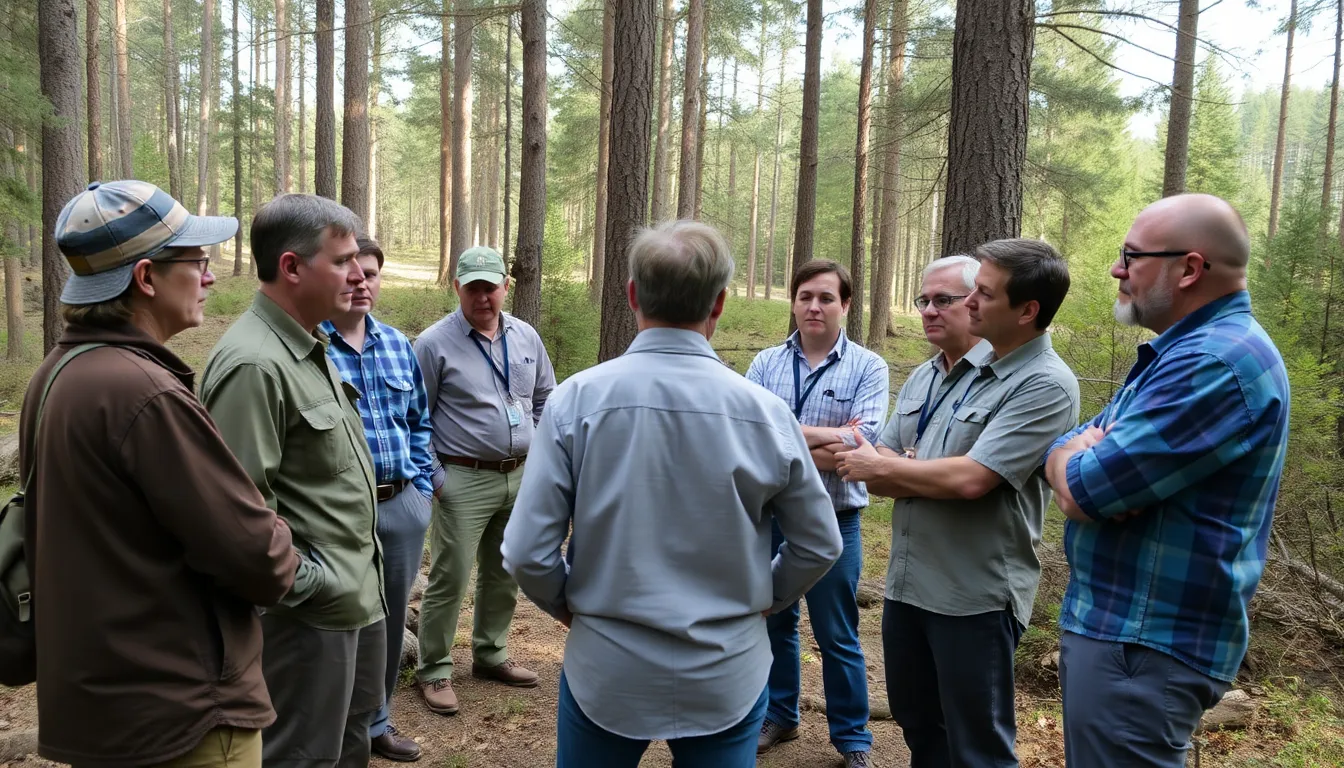
Government agencies, particularly those involved in forestry and environmental management, are directly affected by the closures. They rely on the research produced by these labs to inform policies and practices related to forest conservation, wildfire management, and biodiversity. The loss of these facilities may hinder their ability to address pressing environmental challenges effectively.
Environmental organizations are also key stakeholders, as they advocate for sustainable forest management and conservation efforts. The closure of research labs may limit the availability of critical data and insights needed to support their initiatives. This could lead to conflicts over land use and conservation strategies, ultimately impacting ecosystem health and community livelihoods.
Local communities that depend on forest resources for their economy and well-being may face significant trade-offs as well. The closures could reduce funding for local projects and limit job opportunities within the forestry sector. Additionally, the potential decrease in research output may affect the long-term sustainability of forest resources, raising concerns about future economic stability.
- Research Output: A decrease in the volume and quality of forest research may occur, affecting policy decisions.
- Economic Impact: Local economies may suffer from job losses and reduced funding for forestry-related projects.
- Environmental Consequences: The lack of research could lead to inadequate responses to ecological threats like climate change and wildfires.
- Stakeholder Conflicts: Increased tension may arise between governmental bodies and environmental advocates over resource management.
- Future Collaborations: Opportunities for collaboration between researchers and local stakeholders may be diminished.
Who will be affected by the lab closures and how
The closure of Forest Service Research Labs will have a significant impact on various groups, industries, and regions. Researchers, forestry professionals, and local communities that rely on the scientific data and support from these labs will be among the most affected. Additionally, industries such as timber, agriculture, and recreation that depend on forest health and management practices will face challenges as well.
In the short term, the immediate effects may include a disruption in research activities, leading to delays in forest management strategies and policy development. This could hinder efforts to combat issues such as pest infestations, wildfires, and climate change impacts on forests. Local economies that depend on the forestry sector may experience a downturn due to decreased funding and resources for sustainable practices.
Mid-term impacts could manifest as a lack of innovation in forest management techniques, resulting in outdated practices that may not adequately address emerging environmental challenges. Communities may find themselves less prepared for natural disasters, as the absence of research support could lead to ineffective response strategies. Furthermore, the potential loss of jobs within these labs could lead to a brain drain, as skilled professionals seek opportunities elsewhere.
- Research Disruption: Delays in critical forest research projects.
- Economic Impact: Decreased funding affecting local forestry-related businesses.
- Job Losses: Potential layoffs and talent migration from affected regions.
- Policy Gaps: Inadequate data leading to ineffective forest management policies.
However, the closures may also present opportunities for collaboration between private sectors and local governments to fill the research void. Emerging technologies and innovative practices in forest management could gain traction as stakeholders seek alternative solutions. Furthermore, increased public awareness about forest health may drive community-led initiatives to advocate for better resource management and conservation efforts.
A: The closures are primarily due to budget cuts and a shift in focus towards more immediate forest management needs. This decision has raised concerns about the long-term impacts on forest research. A: Ongoing projects may face delays or cancellations as researchers transition their work. Some projects may be transferred to other institutions or labs. A: The closure of these labs could hinder the development of innovative forest management practices, as research plays a crucial role in understanding forest ecosystems. A: Currently, there are no formal plans to replace the research labs, but discussions are ongoing regarding alternative research partnerships. A: For more information, you can reach out to the Forest Service directly or check their official website for updates regarding the closures.
Frequently asked questions about the lab closures
Looking ahead: the future of forest research in America
The closure of Forest Service Research Labs marks a significant shift in how forest research is conducted in the United States. As these facilities close, the implications for forest management, conservation efforts, and climate research are profound. The loss of localized expertise and resources may hinder our ability to respond effectively to the challenges facing our forests, including climate change and biodiversity loss.
In this evolving landscape, collaboration between remaining research institutions, private sector partners, and community organizations will be crucial. Emphasizing innovative research methods and leveraging technology could help fill the gaps left by these closures. Stakeholders must stay vigilant and adaptable to ensure that critical forest research continues to thrive in new forms.
- Increased collaboration: Expect more partnerships between universities, NGOs, and remaining government research entities to compensate for lost resources.
- Focus on technology: Advances in remote sensing and data analytics may play a larger role in forest research moving forward.
- Policy implications: Watch for shifts in federal and state policies aimed at addressing the gaps created by lab closures.
- Community engagement: Local communities may become more involved in forest management practices, bridging the gap left by institutional changes.
- Funding opportunities: New funding sources may emerge to support innovative research initiatives in forest conservation and management.