
In recent months, concerns have escalated regarding the impact of social media on mental health and well-being, especially among younger audiences. TikTok, which has rapidly gained popularity, has been criticized for its algorithm that encourages prolonged engagement through endless scrolling and personalized content feeds. The EU’s intervention reflects a growing recognition of these issues and the need for accountability from tech companies, as seen in articles discussing how TikTok settles social media addiction lawsuit.
The directive specifically highlights features such as auto-play and infinite scroll, which are seen as contributing factors to addictive usage patterns. EU officials have emphasized that these changes are not only about regulatory compliance but also about fostering a healthier online environment. TikTok has until early 2024 to address these concerns, or it may face fines amounting to millions of euros.
As the situation develops, TikTok’s response will be closely monitored by both regulators and users. The platform’s ability to adapt its design while maintaining user engagement will be a critical challenge. The outcome of this directive may set a precedent for how social media platforms are regulated in the future, influencing the broader landscape of digital media and user interaction.

Understanding the EU’s stance on digital platform designs
The European Union has long been at the forefront of regulating digital platforms, aiming to protect consumers and promote fair competition. This initiative gained momentum in response to growing concerns about the psychological effects of social media and online applications, particularly regarding their design features that encourage prolonged usage. The EU’s regulatory framework, including the Digital Services Act and the General Data Protection Regulation, reflects a commitment to ensuring that technology serves the public interest rather than exploiting users’ attention.
Historically, the rise of social media platforms like Facebook and Instagram has been accompanied by increasing scrutiny over their design choices. These platforms often employ algorithms and features that prioritize user engagement, sometimes at the expense of mental health. The EU’s focus on “addictive design” is a response to studies linking excessive screen time with negative outcomes such as anxiety, depression, and reduced attention spans, particularly among younger users.
In recent years, several high-profile cases have highlighted the need for regulatory intervention. For instance, in 2021, the EU launched an investigation into various tech companies over their data handling practices and the potential harm caused by their design choices. This has set a precedent for stricter oversight of digital platforms, with TikTok now facing pressure to adapt its design to mitigate addictive behaviors or risk facing significant fines.
The Role of Public Awareness and Advocacy
The growing public awareness around the implications of digital addiction has also played a crucial role in shaping the EU’s regulatory approach. Advocacy groups have raised alarms about the impact of social media on mental health, prompting calls for accountability from tech companies. This shift in public sentiment has empowered policymakers to take a more aggressive stance, as seen in the EU’s recent directives aimed at curbing harmful practices in the tech industry.

Key stakeholders and issues surrounding TikTok’s design
The ongoing debate about TikTok’s design and its potential addictive nature involves several key stakeholders, each with distinct interests. At the forefront is TikTok itself, a subsidiary of the Chinese company ByteDance, which aims to maintain its user base and revenue streams while navigating regulatory pressures. The European Union (EU) represents a significant regulatory body, advocating for consumer protection and mental health standards within digital platforms.
Another critical stakeholder is the user community, particularly younger demographics who are the primary users of TikTok. Their engagement and feedback can influence the platform’s design choices and impact its popularity. Additionally, mental health organizations and advocacy groups are increasingly vocal about the potential harms of addictive design, pushing for changes that prioritize user well-being over engagement metrics.
- Regulatory Compliance: TikTok faces the challenge of aligning its design with EU regulations aimed at reducing addictive features, which could involve substantial changes to its user interface.
- Economic Implications: Adjusting its design may affect TikTok’s advertising revenue, as a less addictive platform could lead to reduced user engagement and time spent on the app.
- User Experience: Striking a balance between regulatory compliance and maintaining an engaging user experience poses a significant challenge for TikTok.
- Mental Health Concerns: The push from advocacy groups highlights the growing concern regarding the impact of social media on mental health, necessitating a shift in design philosophy.
- Global Standards: The EU’s actions may set a precedent for other regions, potentially leading to a global reevaluation of design practices across social media platforms.
This complex landscape of stakeholders and issues illustrates the multifaceted nature of the debate surrounding TikTok’s design. As the EU continues to push for changes, the implications for TikTok, its users, and the broader digital ecosystem remain significant.
Potential effects on users and the market
The European Union’s directive for TikTok to modify its ‘addictive design’ mechanisms is likely to have widespread implications for various groups, including users, content creators, and advertisers. Users, particularly younger demographics who form a significant portion of TikTok’s audience, may experience changes in how they interact with the platform. This could lead to a shift in engagement patterns, potentially reducing screen time and altering the way content is consumed, much like the changes faced by other companies, such as Asda, when adapting to new market demands.
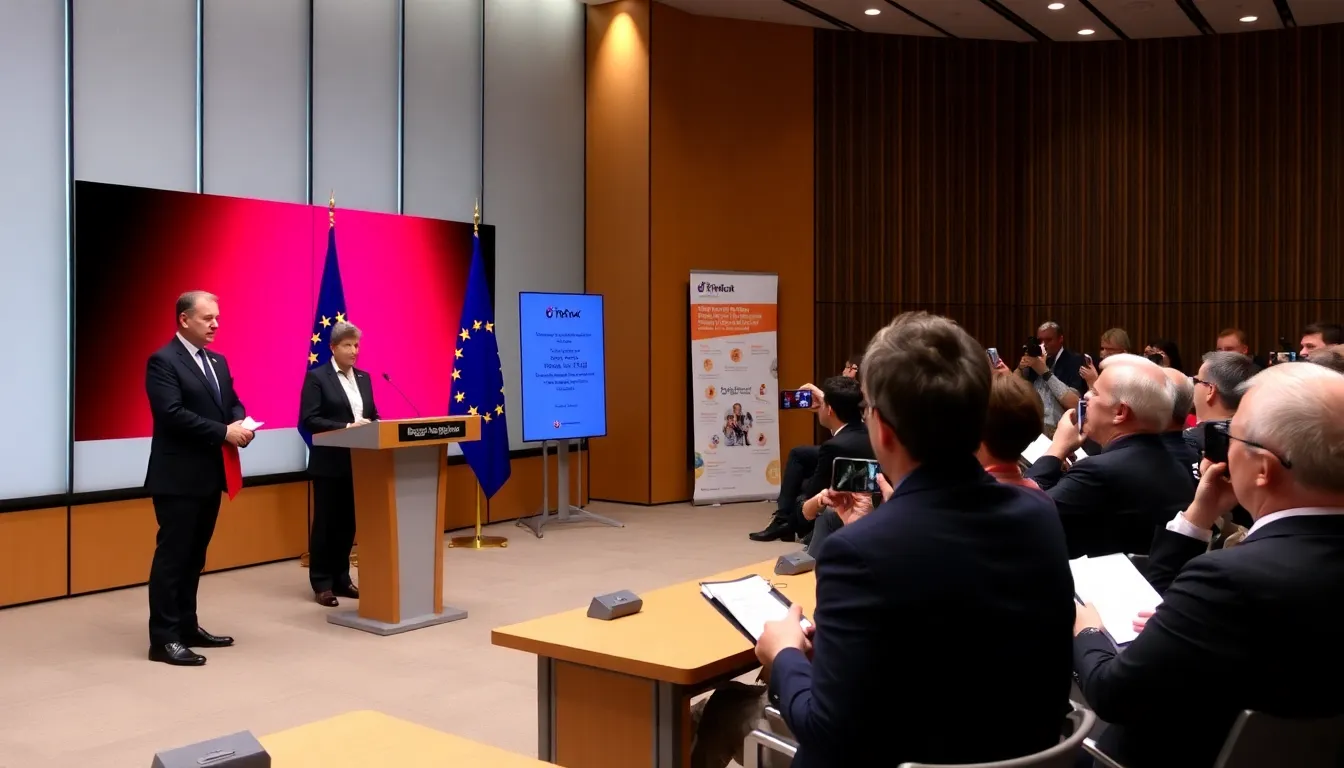
Content creators, who rely on TikTok for income and audience engagement, may face challenges as the platform adjusts its algorithms and features. In the short term, this could disrupt their revenue streams and require them to adapt their content strategies. However, in the mid-term, creators may benefit from a more balanced platform that promotes healthier engagement, potentially leading to a more sustainable ecosystem.
Advertisers and brands that utilize TikTok for marketing purposes will also be impacted. The need for TikTok to implement changes could result in a temporary decrease in ad effectiveness as user behaviors shift. Yet, brands may find new opportunities to engage with consumers in a less frenetic environment, leading to more meaningful interactions and potentially higher conversion rates.
- Users: Potential reduction in screen time and altered engagement.
- Content Creators: Short-term disruption in revenue, but long-term benefits from healthier engagement.
- Advertisers: Initial decrease in ad effectiveness, with opportunities for deeper consumer connections.
Regions within the EU may see varying impacts based on local regulations and user demographics. Countries with higher numbers of young users may experience more significant shifts in social media habits. Additionally, the enforcement of these changes could set a precedent for other social media platforms, prompting a broader industry-wide reevaluation of user engagement strategies.
A: The EU is focusing on TikTok due to its rapid growth and the platform’s design features that encourage prolonged usage, raising concerns about user well-being. A: If TikTok fails to comply with the EU’s demands, it could face fines amounting to billions of euros, depending on the severity of the violations. A: TikTok may implement features that promote healthier usage patterns, such as reminders to take breaks or limiting continuous scrolling. A: This could set a precedent for other platforms, prompting them to evaluate their design strategies to avoid similar scrutiny and potential fines. A: TikTok has not provided a specific timeline, but the EU expects compliance to begin as soon as possible to address the concerns raised.
Frequently asked questions about TikTok’s design changes
Future implications for TikTok and digital design policies
The European Union’s directive for TikTok to alter its design, which has been labeled as ‘addictive’, marks a significant shift in the regulatory landscape for social media platforms. As governments increasingly scrutinize the impact of digital environments on user behavior, TikTok faces not only the challenge of compliance but also the potential for substantial fines if it fails to adapt. This situation highlights the growing demand for responsible design practices that prioritize user well-being over engagement metrics.
As TikTok navigates this directive, other platforms may follow suit, leading to a broader reevaluation of design strategies across the industry. Companies will need to balance user engagement with ethical considerations, potentially reshaping the future of digital interaction.
- Monitor TikTok’s response to EU regulations as a bellwether for industry-wide changes in design practices.
- Watch for emerging guidelines from the EU that could influence global digital design standards.
- Consider the potential shift in user engagement metrics as platforms prioritize user well-being.
- Observe how competitors react to TikTok’s compliance efforts, which may lead to innovative design alternatives.
- Evaluate the implications for user privacy and data protection as platforms adapt to new regulations.