
In this film, Dynevor portrays a character caught in a harrowing situation involving a deadly shark, blending elements of horror and survival. The production, backed by Chomp, aims to deliver a gripping experience that keeps audiences on the edge of their seats. Critics have noted the film’s competent execution, praising its tension-building sequences and visual effects, much like the intense narratives explored in recent documentaries.
As streaming platforms continue to compete for viewer attention, this release underscores Netflix’s strategy of investing in diverse genres, including horror and thriller. The film’s performance could influence future projects within the shark thriller niche, potentially leading to more original content that explores similar themes. The current popularity of the film reflects an ongoing interest in marine horror, a genre that has seen a resurgence in recent years.
With discussions around environmental issues and shark conservation becoming more prevalent, the film also raises questions about humanity’s relationship with nature. This aspect has sparked conversations among audiences about the portrayal of sharks in media and their ecological significance. As viewers engage with these themes, the film’s impact may extend beyond entertainment, prompting reflection on broader societal issues.
The evolution of shark films in popular culture
Shark films have become a distinct subgenre in the world of cinema, capturing audiences with their blend of suspense, horror, and adventure. The phenomenon began in the mid-1970s with the release of Steven Spielberg’s iconic film “Jaws,” which not only terrified viewers but also set a new standard for summer blockbusters. This film introduced the concept of the shark as a fearsome predator, embedding it into the collective consciousness and leading to a surge in interest in marine life, particularly the great white shark.
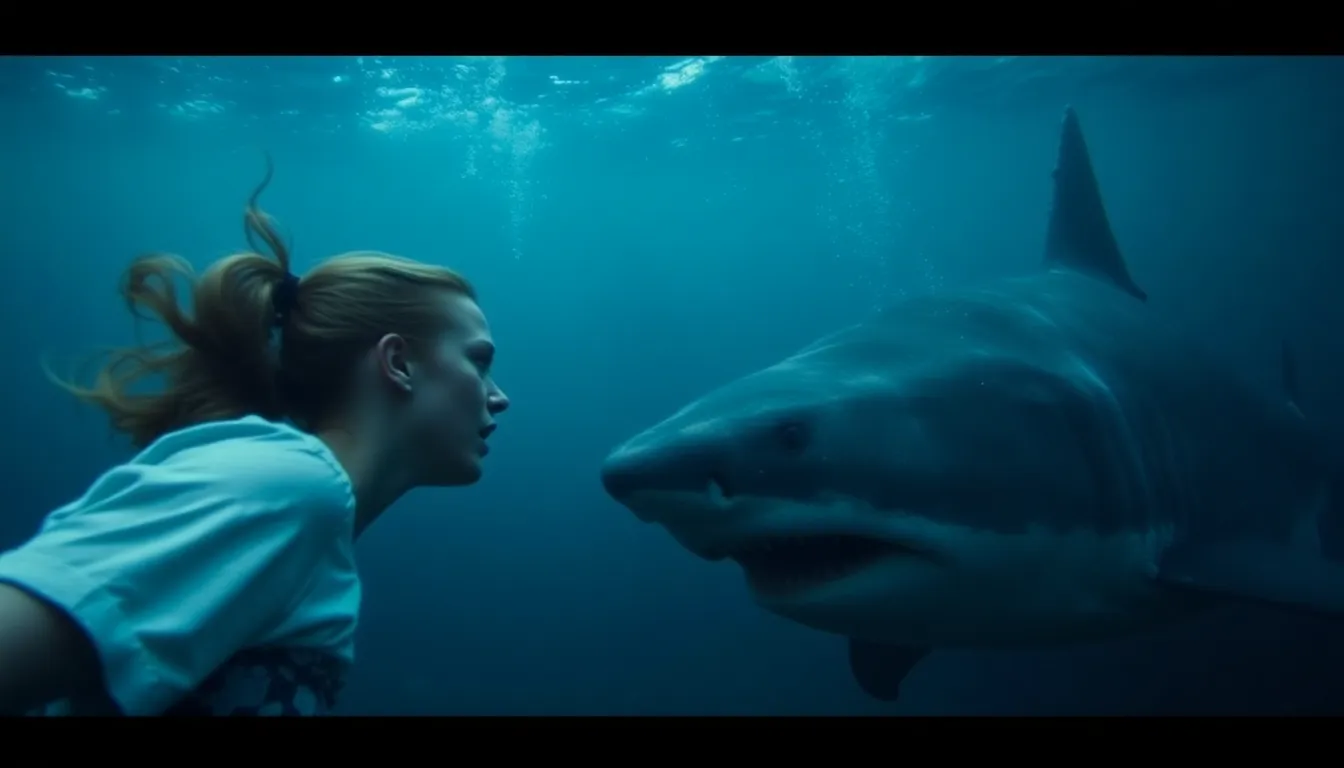
Following the massive success of “Jaws,” numerous sequels and imitators flooded the market, leading to a proliferation of shark-themed films throughout the 1980s and 1990s. While many of these films struggled to capture the same magic, they contributed to the evolution of the genre, experimenting with different narrative techniques and incorporating elements of science fiction and fantasy. Titles such as “Deep Blue Sea” and “Sharknado” showcased the versatility of the shark narrative, ranging from serious thrillers to campy, over-the-top spectacles.
The socio-political context of shark films
Shark films also reflect broader societal concerns, particularly regarding environmental issues and humanity’s relationship with nature. As awareness of ocean conservation grew, so too did the portrayal of sharks in film. Documentaries such as “Sharkwater” highlighted the plight of these creatures, challenging the negative stereotypes perpetuated by Hollywood. This shift has led to more nuanced representations of sharks, where they are sometimes depicted as victims rather than villains, as seen in recent films.
The rise of streaming platforms like Netflix has further transformed the landscape of shark cinema. With the ability to reach a global audience, these platforms have encouraged the production of diverse shark-related content, from documentaries to thrillers like “Thrash.” As filmmakers experiment with new narratives and styles, the genre continues to evolve, reflecting both cultural trends and the public’s enduring fascination with the ocean’s apex predators, similar to the allure seen in other Netflix originals.
Key themes and character dynamics in ‘Thrash’
‘Thrash,’ featuring Phoebe Dynevor, presents a blend of familiar tropes within the shark thriller genre while introducing a set of stakeholders whose interests shape the narrative. The primary actors include the film’s production team, Netflix as the distributor, and the audience, each with distinct motivations and expectations.
Netflix, as a major player in the streaming industry, aims to attract subscribers by delivering engaging content. The company invests in films like ‘Thrash’ to bolster its library with original, high-stakes thrillers that appeal to a broad demographic. Their interest lies in maximizing viewer engagement and retention, which often leads to the production of content that balances innovation with proven formulas.
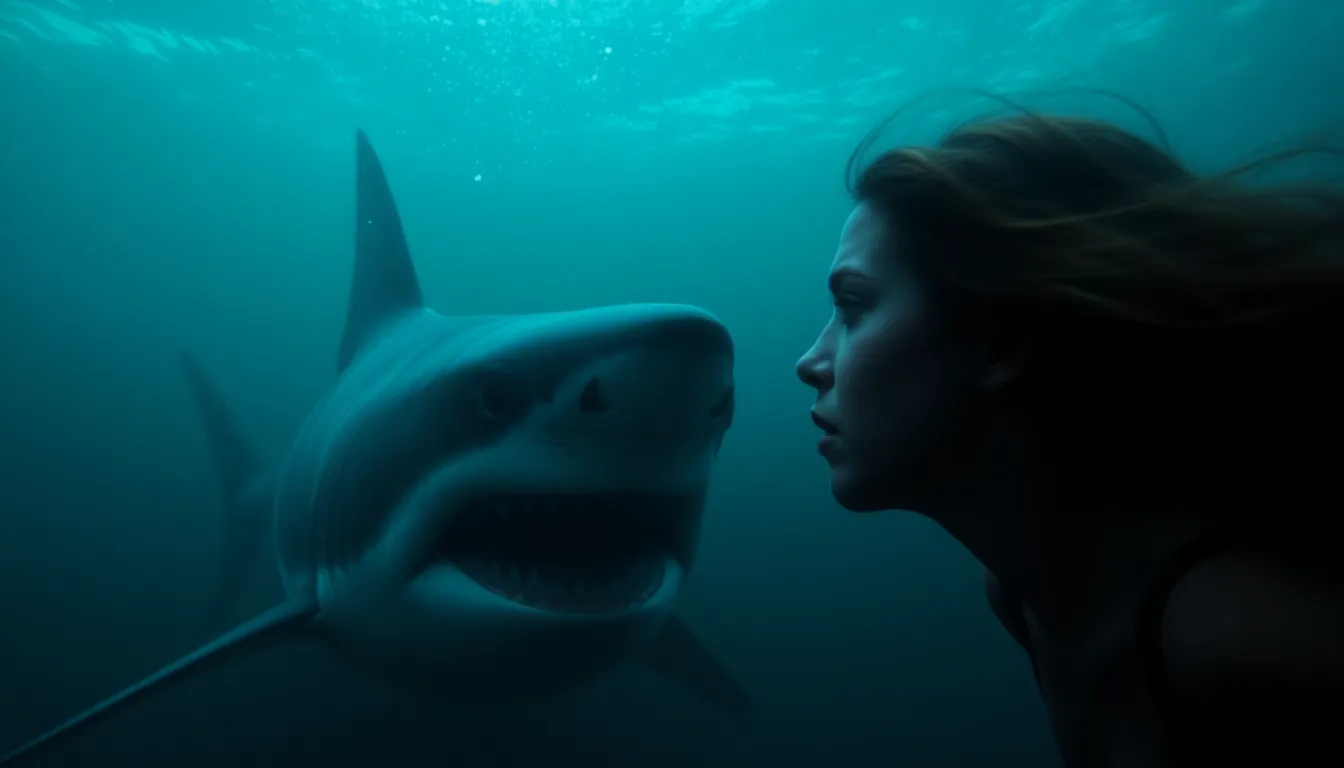
On the creative side, the filmmakers and cast, including Dynevor, are motivated by artistic expression and the desire to push the boundaries of the genre. However, they also face the challenge of meeting audience expectations while delivering a fresh perspective on shark thrillers. This creates a tension between creative ambition and commercial viability, as they must navigate the fine line between originality and familiarity.
- The conflict between artistic integrity and commercial pressures can lead to compromises in storytelling.
- Legal issues surrounding copyright and intellectual property may arise, especially with the use of established genre conventions.
- Economic considerations influence production budgets, impacting the quality of special effects and overall production value.
- Audience reception plays a critical role in determining the success of the film, influencing future projects and investments.
- Environmental themes may emerge, reflecting broader societal concerns about marine conservation and the portrayal of wildlife in media.
As these stakeholders interact, the film’s narrative becomes a microcosm of larger industry dynamics, highlighting the complexities of modern filmmaking in the age of streaming. The interplay of interests among these actors not only shapes the film’s development but also reflects broader trends in the entertainment landscape.
Audience reception and its implications for future shark films
The release of ‘Thrash’ on Netflix, featuring Phoebe Dynevor, has the potential to impact various groups and industries, particularly those involved in film production, distribution, and marketing. Fans of the shark thriller genre are likely to be the most directly affected, as their preferences shape the types of films that get produced. The success or failure of this film may influence the future direction of similar projects, prompting studios to either invest more heavily in shark-themed content or reconsider their strategies, much like how The Handmaid’s Tale adapted to audience feedback.
In the short term, the film’s reception could lead to a surge in interest in shark-related media, including documentaries, merchandise, and even tourism in coastal regions known for shark sightings. This spike in interest may benefit local businesses, such as tour operators and restaurants, as they cater to an influx of fans eager to experience the thrill of shark culture. Conversely, if the film receives negative reviews, it could dampen enthusiasm for future shark films, leading to a decrease in funding for similar projects.
In the mid-term, the film’s performance could influence industry trends, affecting how studios approach the horror and thriller genres. A successful ‘Thrash’ could lead to a revival of shark-related narratives, prompting filmmakers to explore new angles and storytelling techniques. However, if ‘Thrash’ fails to resonate, it may reinforce the belief that audiences are growing tired of the genre, potentially stalling further development of shark-themed stories.
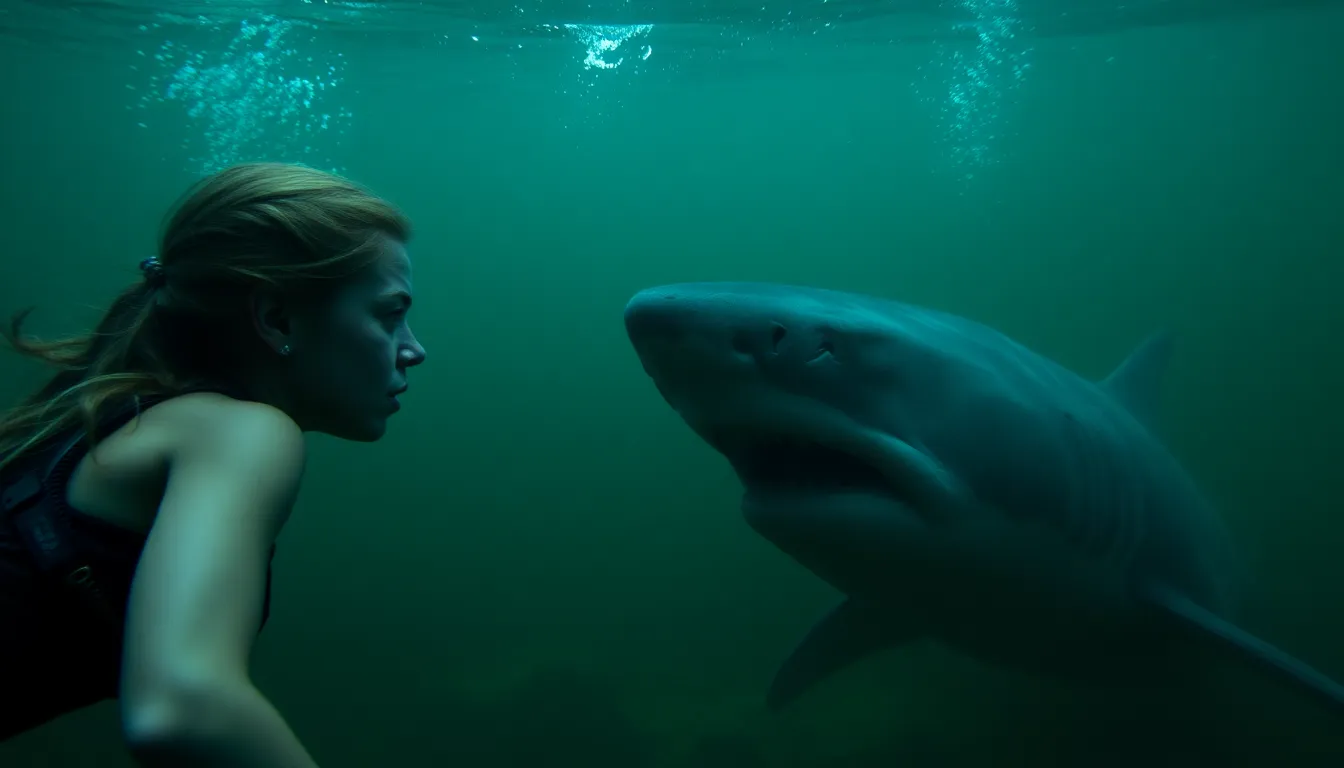
- Risks: Potential decline in funding for shark films if ‘Thrash’ underperforms.
- Opportunities: Increased merchandise sales and tourism in coastal areas if the film is well-received.
- Industry impact: Shifts in production strategies based on audience reception and box office performance.
Ultimately, the reception of ‘Thrash’ will serve as a barometer for the health of the shark film genre, influencing both audience expectations and industry investments in the coming years. As filmmakers and studios analyze the outcomes, the ripple effects could reshape the landscape of thriller cinema, offering both risks and rewards for those involved.
A: ‘Thrash’ follows a group of friends who find themselves trapped in a remote beach location, facing off against a relentless shark. The film combines suspense and horror elements, keeping viewers on the edge of their seats. A: Phoebe Dynevor delivers a strong performance, showcasing her range as an actress. Her character’s development adds depth to the film, making her a relatable and compelling protagonist. A: While ‘Thrash’ shares familiar tropes with other shark thrillers, it distinguishes itself through its character-driven narrative and effective suspense techniques. A: ‘Thrash’ is aimed at horror and thriller enthusiasts, particularly those who enjoy creature features. However, its engaging story may attract a wider audience. A: Yes, ‘Thrash’ features impressive visual effects that enhance the realism of the shark encounters. The cinematography effectively captures the tension and horror of the underwater scenes.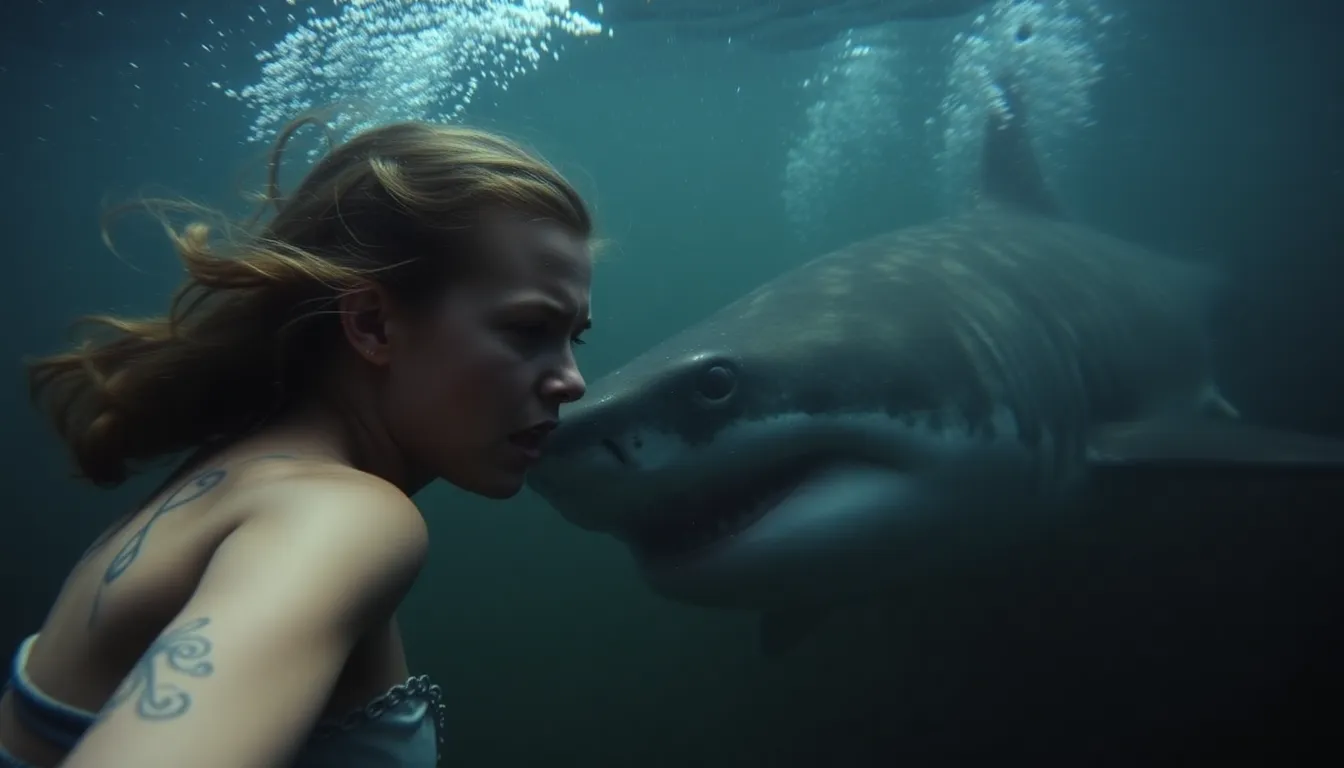
Frequently asked questions about ‘Thrash’
Key takeaways and future outlook on shark thrillers
The release of ‘Thrash’ highlights the ongoing appeal of shark thrillers, particularly as streaming platforms like Netflix continue to invest in this genre. With Phoebe Dynevor’s performance bringing a fresh perspective to a familiar narrative, the film demonstrates that even well-trodden plots can engage audiences when executed with skill and a touch of innovation. As viewers’ tastes evolve, the challenge remains for filmmakers to balance traditional elements with new storytelling techniques to keep the genre relevant.
As the popularity of shark-themed content persists, industry watchers should consider how upcoming projects will adapt to audience expectations. The success of ‘Thrash’ may inspire a wave of similar films that blend suspense with character-driven narratives, potentially leading to a revitalization of the genre.
- Expect a rise in character-focused narratives within shark thrillers, as audiences seek deeper connections to the story.
- Innovative visual effects and realistic portrayals of marine life will likely become a standard expectation.
- Streaming platforms may continue to prioritize shark thrillers, given their proven ability to draw viewers and generate buzz.
- Collaborations with well-known actors could become a strategy to attract a broader audience to the genre.
- Future films may explore themes of environmentalism and conservation, reflecting current societal concerns about ocean health.