
Recent announcements from the production team indicate that the series will delve deeper into the challenges faced by the adolescent characters, including their struggles with identity and autonomy. The showrunners have confirmed that new episodes will premiere in early 2024, featuring both returning cast members and new faces who will portray pivotal roles in the evolving storyline. For more insights on this development, check out The Testaments Creator Discusses Continuing The Handmaid’s Tale Story.
Moreover, the release of promotional materials has highlighted key plot points involving the teen characters, which are expected to resonate with younger audiences. This focus on youth in a grim setting reflects ongoing societal discussions about the importance of agency and empowerment among teenagers today.
As the narrative unfolds, viewers are particularly interested in how the complex relationships between the teens and their adult counterparts will influence their decisions and moral dilemmas. The series aims to provide a nuanced portrayal of adolescence within a repressive regime, making it a significant cultural commentary in today’s context.
Understanding the background of The Handmaid’s Tale and its sequel
Margaret Atwood’s The Handmaid’s Tale, first published in 1985, presents a dystopian vision of a future where a theocratic regime has taken control of the United States, renaming it Gilead. This society is characterized by its extreme patriarchal structure, where women are stripped of their rights and reduced to their reproductive capabilities. The novel draws on historical and contemporary issues related to gender oppression, totalitarianism, and the consequences of religious extremism, resonating with readers during the rise of various political movements advocating for women’s rights and autonomy.

The sequel, The Testaments, released in 2019, revisits this oppressive world through the perspectives of three female characters, two of whom are raised in Gilead and one who is a part of the resistance. This continuation not only explores the legacy of Gilead but also reflects on the ongoing struggles against authoritarianism and the fight for personal freedoms. The timing of its release coincided with a global resurgence in feminist activism, highlighting the relevance of Atwood’s themes in contemporary society. For related topics, you might also enjoy reading Madonna Biopic Lives and Revives the Icon’s Acting Career.
Historical Context of Gender and Power
The themes in both novels are deeply rooted in historical contexts, including the Puritanical influences on American society and the various waves of feminism that have sought to challenge and change the status quo. The rise of the religious right in the late 20th century and the subsequent political landscape have also played significant roles in shaping the narratives of both books. Atwood’s work serves as a cautionary tale, warning against complacency in the face of rising authoritarianism and the erosion of women’s rights.
Key milestones in the feminist movement, such as the passage of the Equal Rights Amendment and the ongoing debates surrounding reproductive rights, provide a backdrop for understanding the societal implications of Atwood’s work. The portrayal of Gilead can be seen as a reflection of real-world issues, such as the fight against gender-based violence and systemic inequality, making the stories not only relevant but urgent in their call for awareness and action.
Key issues and stakeholder perspectives on the teen narratives
The follow-up narrative of ‘The Testaments’ presents a complex tapestry of interests among various stakeholders, including the original author, Margaret Atwood, the publishing industry, and the audience, particularly the younger demographic. Each of these actors has distinct motivations that shape the dialogue surrounding the adaptation and continuation of the story from ‘The Handmaid’s Tale’.
Margaret Atwood, as the creator of this dystopian universe, is a pivotal stakeholder. Her interest lies in exploring themes of power, identity, and resistance through the lens of youth. The portrayal of teenagers in ‘The Testaments’ allows Atwood to comment on contemporary societal issues, such as the role of youth in activism and the fight against oppressive regimes.
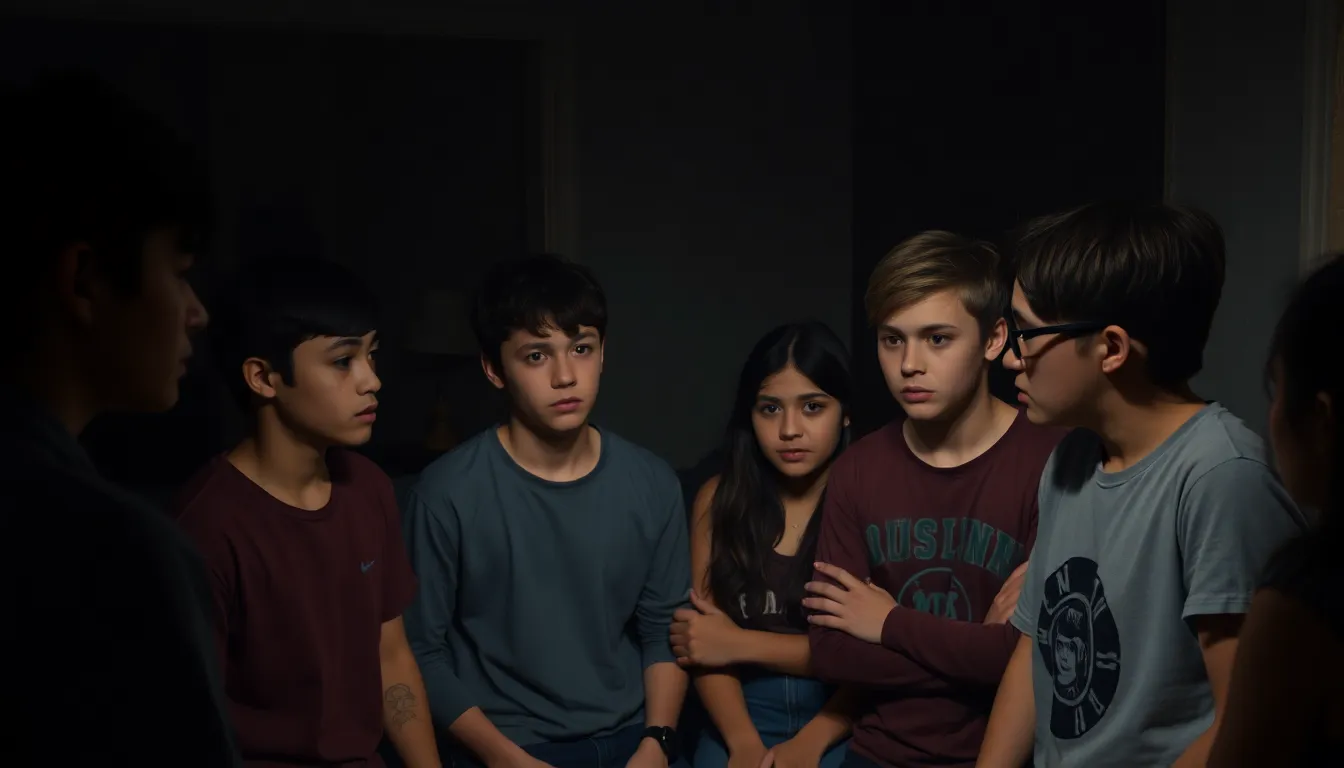
The publishing industry also plays a significant role, as they are tasked with marketing and distributing these narratives. Their interests often focus on profitability and audience engagement. The success of ‘The Handmaid’s Tale’ as a television series has created a demand for more content, making the teen narratives a strategic move to capture a younger audience while maintaining relevance in popular culture.
Moreover, the audience, particularly teenagers and young adults, represents a diverse group with varying perspectives on the themes presented. Their engagement with the material can lead to discussions about gender equality, personal freedom, and social justice. However, there are potential conflicts in how different age groups interpret these themes, leading to a divergence in reception. This is particularly vital as the narratives resonate deeply with young adults, who actively participate in shaping cultural conversations surrounding such themes.
- Power Dynamics: The narratives highlight the struggle for power among characters, reflecting real-world issues of authority and rebellion.
- Generational Perspectives: The differing interpretations of themes between adults and teens can create a divide in understanding the narrative’s implications.
- Market Trends: The demand for content that resonates with younger audiences influences the direction of future adaptations and publications.
- Activism Representation: The portrayal of youth activism in ‘The Testaments’ raises questions about the role of young people in societal change.
- Cultural Relevance: The narratives must navigate contemporary issues to remain relevant, impacting how they are received by various demographics.
The impact of these narratives on audiences and cultural discussions
The release of ‘The Testaments’ as a follow-up to ‘The Handmaid’s Tale’ has significant implications for various groups and industries. Primarily, the narratives resonate deeply with young adults and teenagers, who are increasingly engaged in discussions about gender equality, reproductive rights, and societal norms. This demographic is not only the primary audience for these stories but also a critical force in shaping cultural conversations around these themes.
In the short term, the impact on daily life can be seen in heightened awareness and activism among youth. Social media platforms become battlegrounds for discussions about the issues raised in the narratives, leading to increased participation in advocacy groups and movements. This surge in engagement can influence businesses, particularly those in the media, fashion, and technology sectors, to align their branding and marketing strategies with the values represented in these stories.
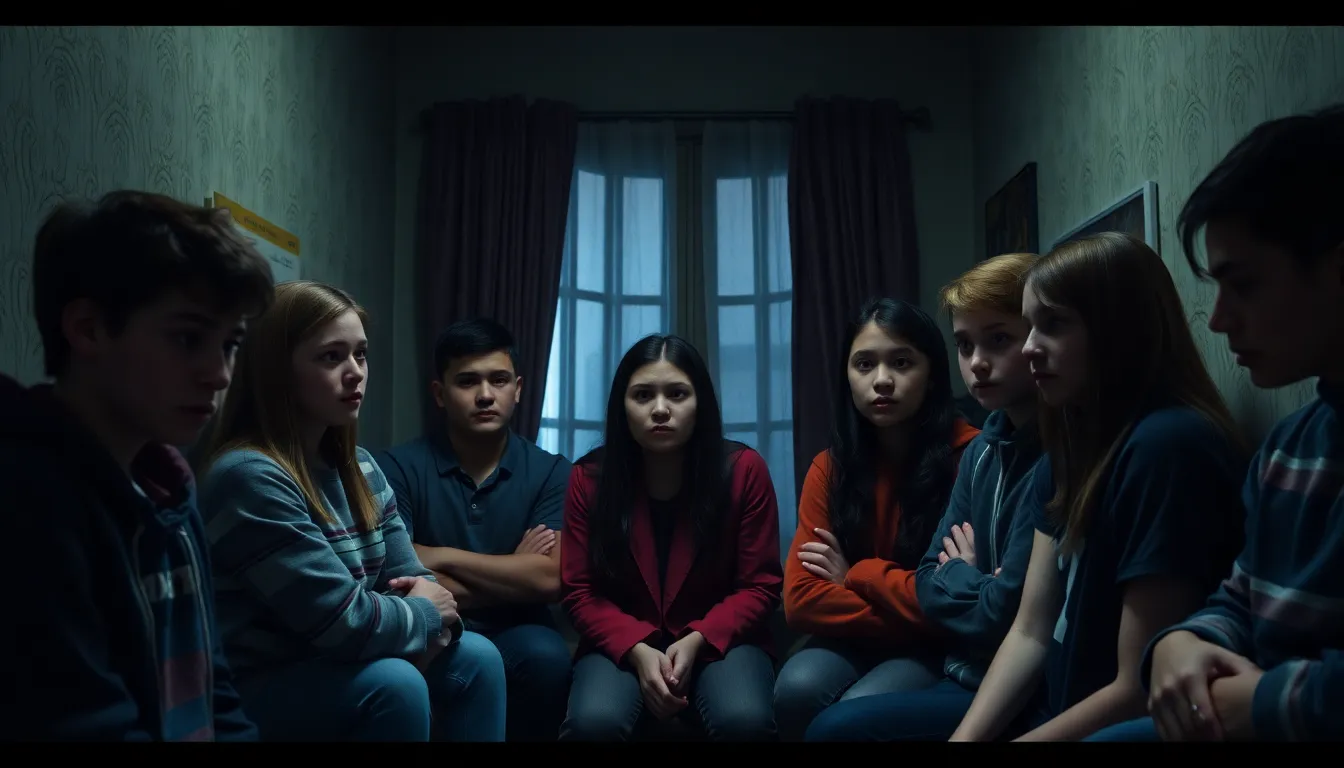
In the mid-term, the cultural discussions sparked by ‘The Testaments’ may lead to shifts in policy and legislation, particularly regarding women’s rights and health care. Organizations focused on advocacy and policy reform may experience increased support and funding as public interest grows. This creates opportunities for collaboration between grassroots movements and larger institutions, fostering a more unified approach to addressing these pressing issues.
- Increased youth activism: Young audiences may mobilize to advocate for social change.
- Business alignment: Companies may adapt their practices to reflect the values highlighted in the narratives.
- Policy shifts: Potential changes in legislation related to women’s rights and health care.
- Collaborative opportunities: Enhanced partnerships between advocacy groups and larger organizations.
However, there are risks associated with these narratives as well. Misinterpretations or extreme reactions could lead to polarized discussions, potentially alienating segments of the audience. Additionally, businesses that fail to authentically engage with these themes may face backlash from consumers who demand genuine commitment to social issues. Balancing these risks with the opportunities presented by the narratives will be crucial for stakeholders involved.
A: The Testaments is a sequel to The Handmaid’s Tale, exploring the lives of characters in Gilead, particularly focusing on the next generation and their struggles. A: The teens represent a new perspective, showcasing the impact of Gilead’s oppressive regime on younger generations and their responses to it. A: Yes, themes of rebellion, identity, and the quest for freedom are central to the narratives of the teen characters in The Testaments. A: The Testaments has received mixed reviews, with some praising its fresh perspective while others feel it doesn’t capture the same intensity as its predecessor. A: Future adaptations may further explore the complexities of Gilead and its impact on both adults and teens, potentially leading to new storylines and character developments.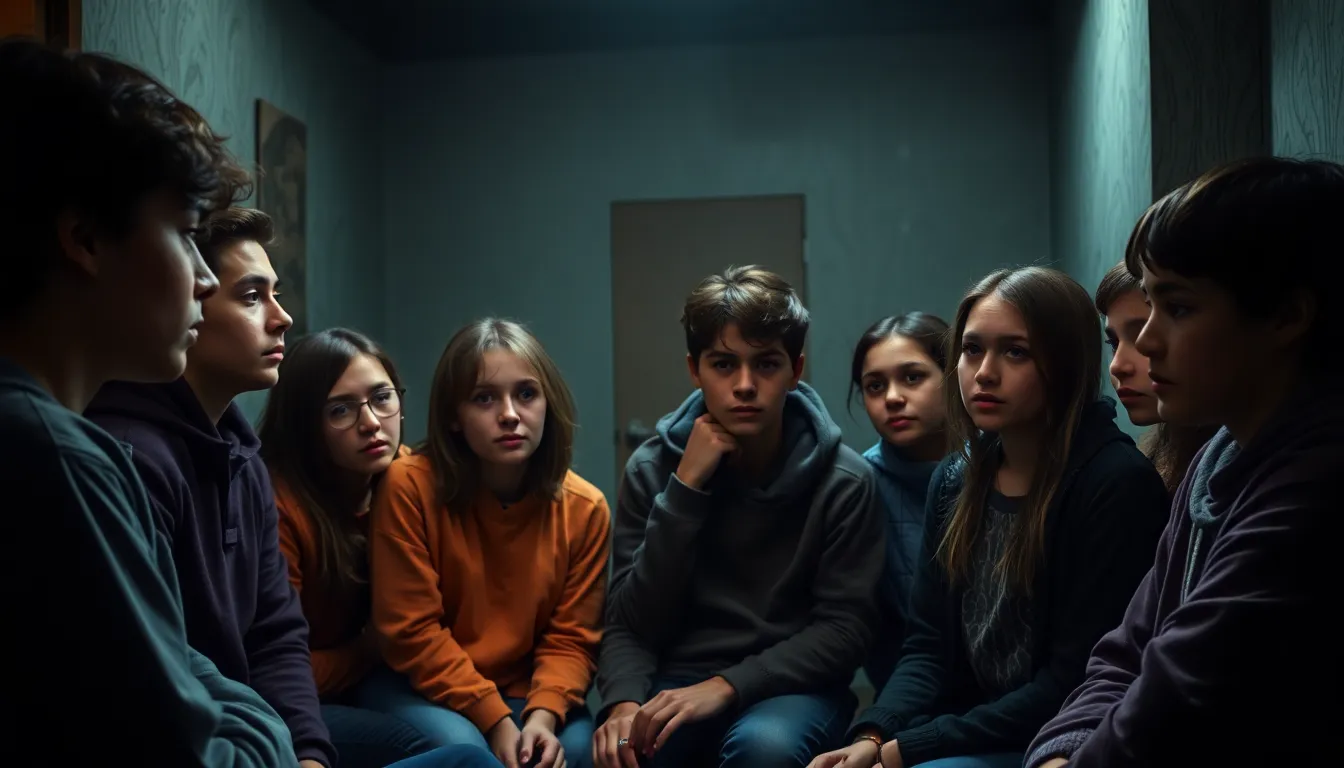
Frequently asked questions about The Testaments and its themes
Insights and future outlook on the series’ evolution
The continuation of the narrative from ‘The Handmaid’s Tale’ to ‘The Testaments’ marks a significant evolution in storytelling, reflecting both the resilience of its characters and the shifting dynamics of power and resistance. As the series delves deeper into the lives of the next generation, it offers a poignant exploration of identity, agency, and the complexities of societal structures. This transition underscores the importance of intergenerational dialogue in the face of oppression, inviting viewers to consider the implications of legacy and the fight for autonomy.
Looking ahead, the narrative choices made in ‘The Testaments’ will likely influence the broader cultural conversation surrounding themes of feminism, authoritarianism, and personal freedom. As the series progresses, audiences can anticipate a richer examination of these themes, as well as the potential for new character arcs that challenge preconceived notions of loyalty and rebellion.
- Character Development: Watch for the evolving relationships between the older and younger generations, which may reveal new insights into the struggle against oppressive systems.
- Thematic Depth: Expect deeper explorations of feminism and resistance, as the series continues to address contemporary issues through its narrative lens.
- Audience Engagement: The series may foster increased discussions among viewers regarding the implications of the story on real-world events and societal norms.
- Potential Spin-offs: The success of ‘The Testaments’ could lead to further expansions of the universe, exploring untold stories and characters within this dystopian setting.