
One notable program, launched in early 2023, allows stroke survivors to engage in personalized rehabilitation exercises from the comfort of their homes. This initiative not only reduces the need for frequent hospital visits but also empowers patients to take an active role in their recovery, similar to what is covered in our article on Exploring the Insights of BBC Inside Science. Reports indicate that many users have experienced significant improvements in mobility and daily functioning.
Experts emphasize that the integration of technology into stroke rehabilitation is particularly important as it addresses the challenges posed by traditional in-person therapy. The COVID-19 pandemic has highlighted the need for accessible treatment options, prompting healthcare systems to invest in telehealth and remote monitoring solutions. The current shift towards at-home rehabilitation may represent a permanent change in the landscape of stroke recovery.
Feedback from stroke survivors participating in these programs has been overwhelmingly positive. Many report that the technology has not only aided in their physical recovery but has also contributed to improved mental health and overall quality of life. As one participant stated, “It’s given me my freedom back,” underscoring the profound impact these tools can have on individual lives.
Understanding the challenges faced by stroke survivors
Stroke is a leading cause of long-term disability worldwide, affecting millions of individuals and their families. Historically, the medical community has focused on acute treatment and rehabilitation, often overlooking the ongoing challenges that stroke survivors face in their daily lives. The journey to recovery can be long and arduous, which can sometimes be similar to stories of resilience shared in our coverage of acid attack survivor fights for justice and dignity. Many survivors encounter physical, emotional, and social hurdles that can hinder their independence.
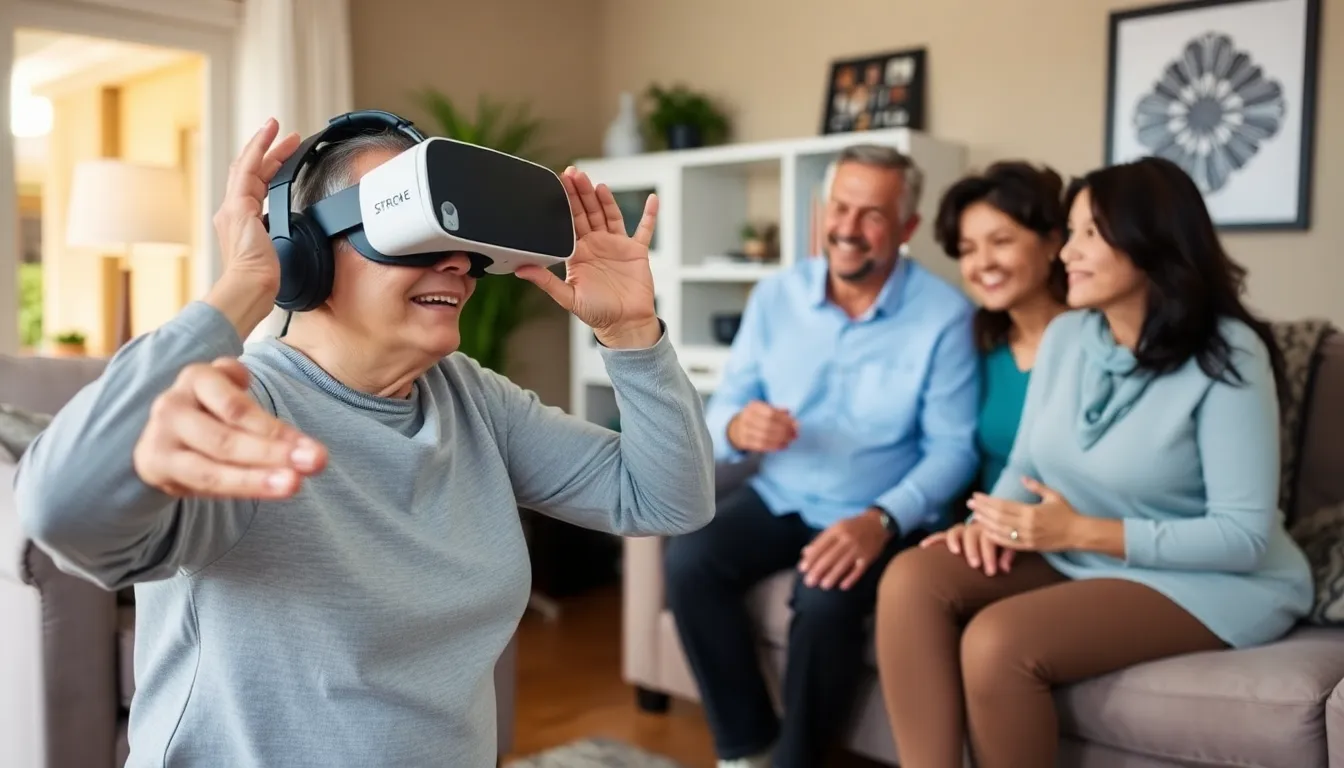
In the past, rehabilitation for stroke survivors was primarily confined to clinical settings, where patients attended therapy sessions without the support of technology. However, as the understanding of stroke recovery evolved, so did the approaches to therapy. The introduction of at-home rehabilitation technologies marks a significant milestone, offering survivors the opportunity to engage in therapy at their own pace and in the comfort of their homes.
The rise of telehealth and home-based therapies
The rise of telehealth, particularly during the COVID-19 pandemic, has accelerated the adoption of remote monitoring and therapy solutions for stroke survivors. This shift has been driven by the need for accessible healthcare options and the desire to reduce the burden on healthcare facilities. As a result, various tech companies have developed innovative devices and applications that empower stroke survivors to continue their rehabilitation journey independently.
Moreover, economic factors have played a crucial role in this transformation. With healthcare costs on the rise, both patients and insurers are seeking cost-effective alternatives to traditional rehabilitation. At-home technologies not only reduce travel and facility fees but also provide a more personalized approach to recovery, making them an appealing option for many.
As stroke survivors embrace these new technologies, stories of regained independence and improved quality of life are becoming more common. Individuals report feeling more empowered to manage their recovery, highlighting the profound impact that these innovations can have on their everyday lives. This shift in rehabilitation practices represents a significant step forward in supporting stroke survivors in their quest for freedom and autonomy.
Key stakeholders and issues in stroke rehabilitation technology
The development and implementation of at-home technology for stroke rehabilitation involves various stakeholders, each with distinct interests and motivations. Key players include stroke survivors, healthcare providers, technology developers, and governmental health organizations. Understanding the dynamics between these actors is crucial for assessing the impact of new rehabilitation technologies, much like how the challenges are discussed in our article about the Bramley apple tree at risk.
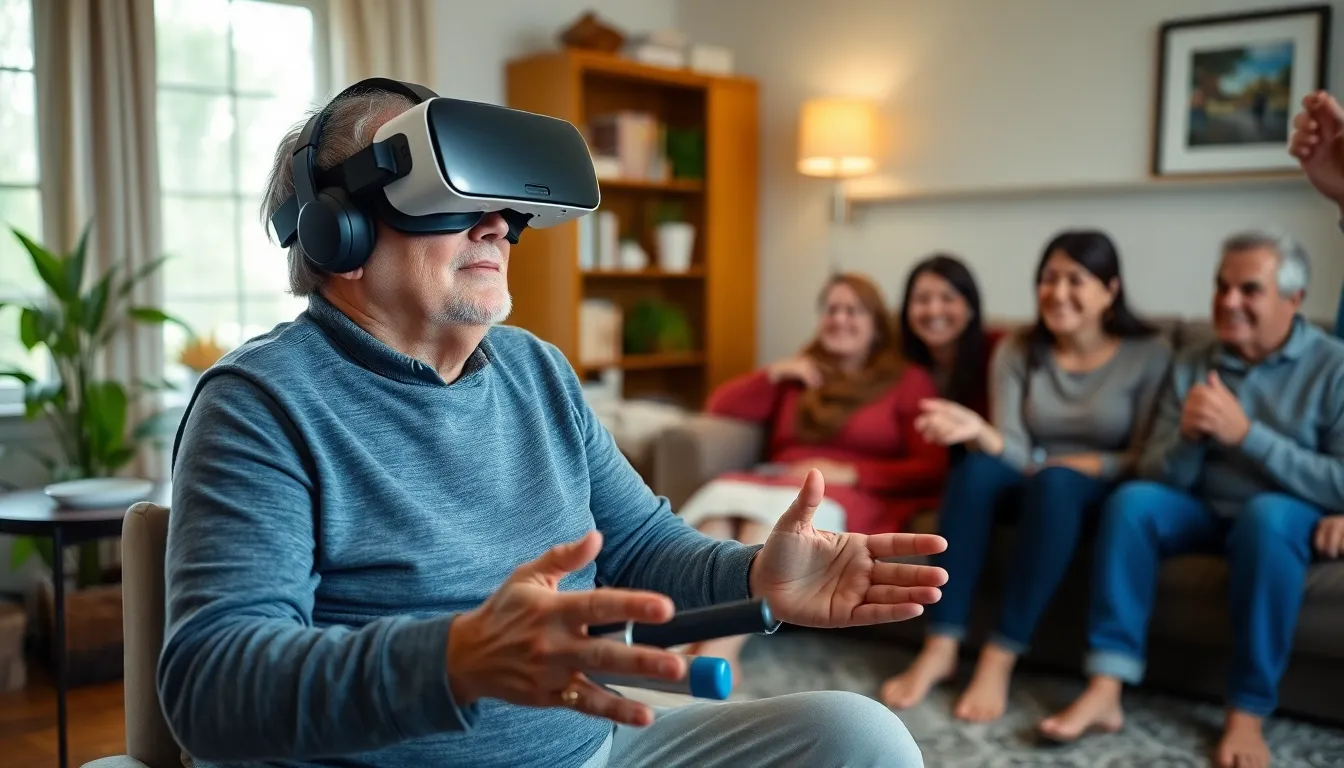
Stroke survivors are at the forefront of this initiative, as their primary interest lies in regaining independence and improving their quality of life. Many survivors report that innovative at-home technologies have significantly aided their recovery process, allowing them to engage in therapy at their convenience. However, the effectiveness of these technologies can vary widely based on individual needs and circumstances.
Healthcare providers, including physiotherapists and occupational therapists, play a critical role in recommending and integrating these technologies into treatment plans. Their interests often align with ensuring that patients receive effective rehabilitation solutions that complement traditional therapies. However, there can be conflicts regarding the reliance on technology versus personal, hands-on care, raising questions about the best approach to rehabilitation.
Technology developers are motivated by the potential for profit and market expansion in the healthcare sector. They face the challenge of creating user-friendly devices that meet regulatory standards while also being affordable for patients. This can create trade-offs between innovation and cost, as advanced technology may not always be accessible to all stroke survivors.
- Regulatory Issues: Compliance with health regulations can hinder the rapid deployment of new technologies.
- Economic Factors: The cost of technology may limit access for some patients, creating disparities in rehabilitation opportunities.
- Patient Engagement: Ensuring that stroke survivors are motivated to use at-home technologies is crucial for successful outcomes.
- Data Privacy: The collection and management of patient data raise significant legal and ethical concerns.
The positive impacts of at-home tech on stroke survivors’ lives
At-home technology is revolutionizing the lives of stroke survivors, particularly affecting vulnerable populations such as the elderly and those with limited mobility. This innovation is not only enhancing individual recovery but is also influencing healthcare providers, technology companies, and caregivers across various regions.
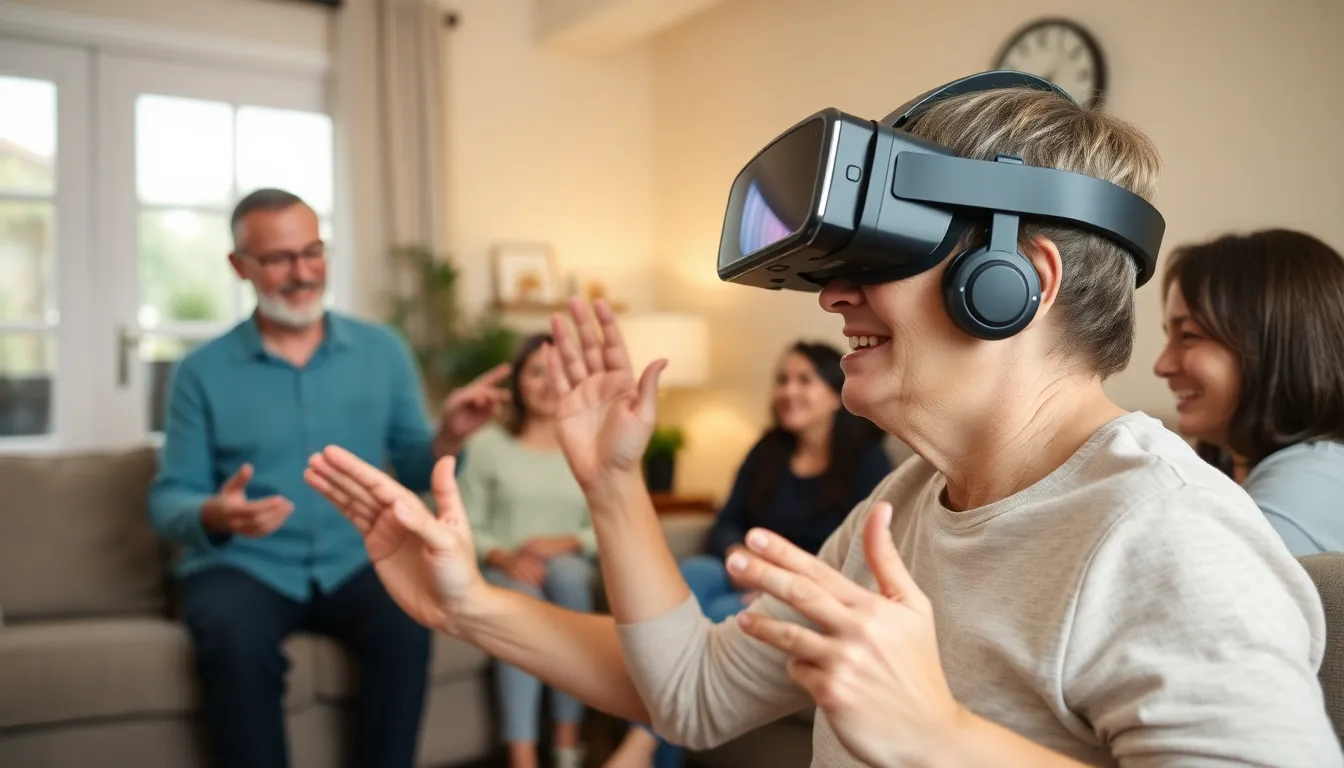
In the short term, stroke survivors are experiencing increased independence and improved quality of life. Technologies such as remote monitoring devices and rehabilitation apps allow patients to engage in therapy at their own pace, reducing the need for frequent hospital visits. This shift is also alleviating pressure on healthcare systems, as fewer in-person appointments are required.
In the mid-term, the widespread adoption of at-home tech could reshape healthcare policies, prompting insurance companies to cover these innovative solutions. This change may lead to increased funding for research and development in health tech, creating opportunities for startups and established companies to invest in new products that cater to the needs of stroke survivors.
- Enhanced recovery options: Stroke survivors can access personalized therapy at home.
- Cost reduction: Decreased healthcare costs for both patients and providers.
- Market growth: Increased demand for health tech solutions fosters innovation.
However, there are risks associated with this technological shift. Not all stroke survivors may have the necessary digital literacy to effectively use these devices, creating a potential divide in accessibility. Additionally, there is a concern about data privacy and security, as personal health information becomes increasingly digitized.
Ultimately, the intersection of technology and healthcare presents both challenges and opportunities. Stakeholders must work collaboratively to ensure that the benefits of at-home tech are maximized while addressing the potential risks to create a more inclusive and effective recovery landscape for stroke survivors.
A: Stroke survivors are using various devices, including wearable sensors, mobile applications, and telehealth platforms that assist in monitoring their progress and providing personalized exercises. A: This technology allows for more frequent and tailored rehabilitation exercises, enabling survivors to practice at their own pace and receive real-time feedback. A: While generally safe, users should ensure they are using the technology under the guidance of healthcare professionals to avoid potential misuse or overexertion. A: Yes, at-home technology is designed to complement traditional rehabilitation methods, providing additional support and flexibility in recovery. A: Many stroke survivors report feeling more empowered and independent, stating that the technology has significantly improved their daily lives and overall well-being.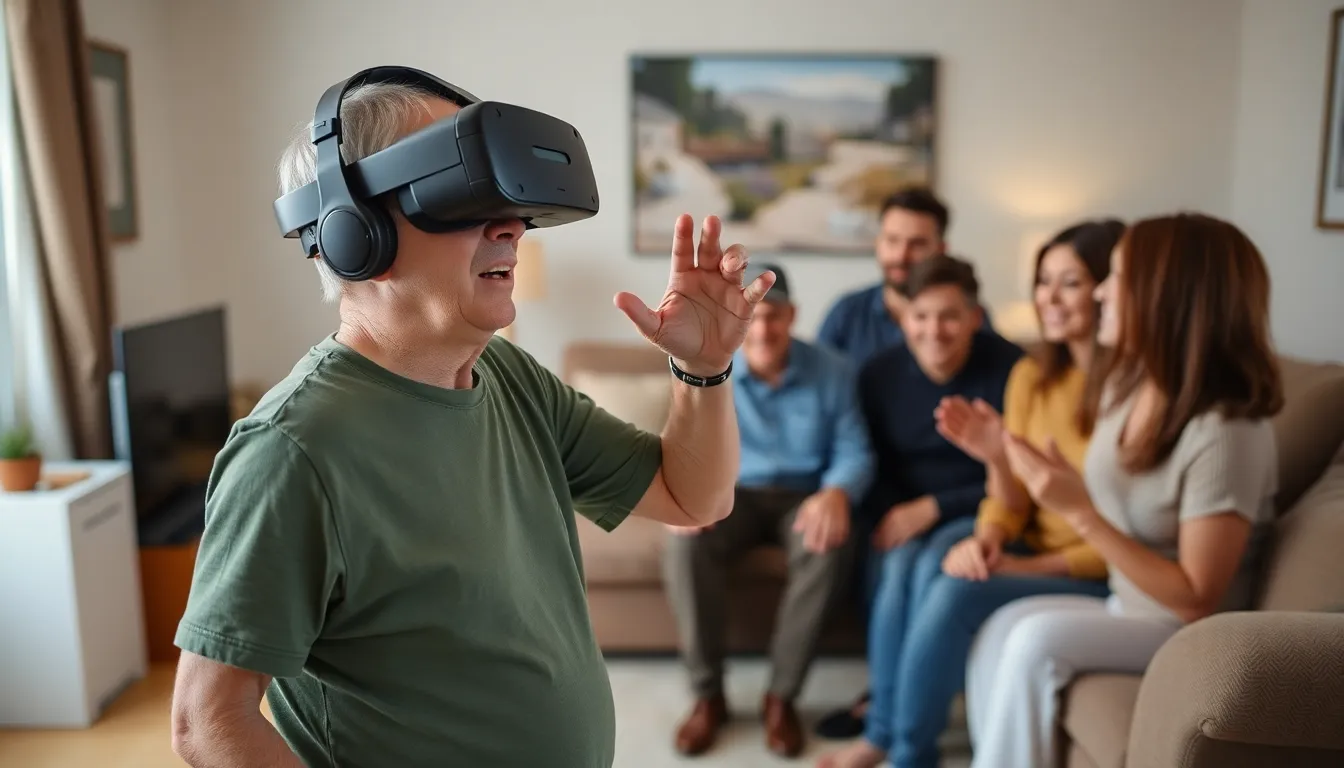
Frequently asked questions about at-home tech for stroke recovery
Future outlook on at-home rehabilitation technology for stroke survivors
The integration of at-home rehabilitation technology for stroke survivors marks a significant advancement in patient care. As these innovative solutions become more accessible, they empower individuals to take control of their recovery process, fostering independence and enhancing overall quality of life. The positive feedback from trial participants highlights the potential for these technologies to bridge the gap between clinical visits and daily life, ultimately leading to better health outcomes.
Moving forward, it will be essential to monitor the long-term effects of these technologies on recovery rates and patient satisfaction. Additionally, as more stroke survivors adopt these tools, ongoing research and development will be crucial to refine and expand their capabilities, ensuring that they meet the diverse needs of this population.
- Increased accessibility to at-home rehabilitation tools can lead to improved recovery rates among stroke survivors.
- Personalized rehabilitation plans using technology may enhance motivation and engagement in the recovery process.
- Ongoing research is necessary to evaluate the long-term effectiveness and safety of at-home rehabilitation technologies.
- Collaboration between healthcare providers and technology developers will be vital to create user-friendly solutions tailored to stroke survivors.
- As awareness grows, support networks may emerge to help users navigate and optimize their use of these technologies.