
The Starship launch, which aims to test the spacecraft’s capabilities for future missions to the Moon and Mars, has been highly anticipated by both investors and space enthusiasts. However, the timing of the launch now coincides with a critical period for SpaceX as it seeks to bolster its financial position through equity sales. This strategic move is intended to ensure the company has adequate funding for its ambitious plans.
Elon Musk, the CEO of SpaceX, has emphasized the importance of securing investment to maintain the company’s competitive edge in the rapidly evolving aerospace sector. For insights on environmental issues, you might want to check out this article.
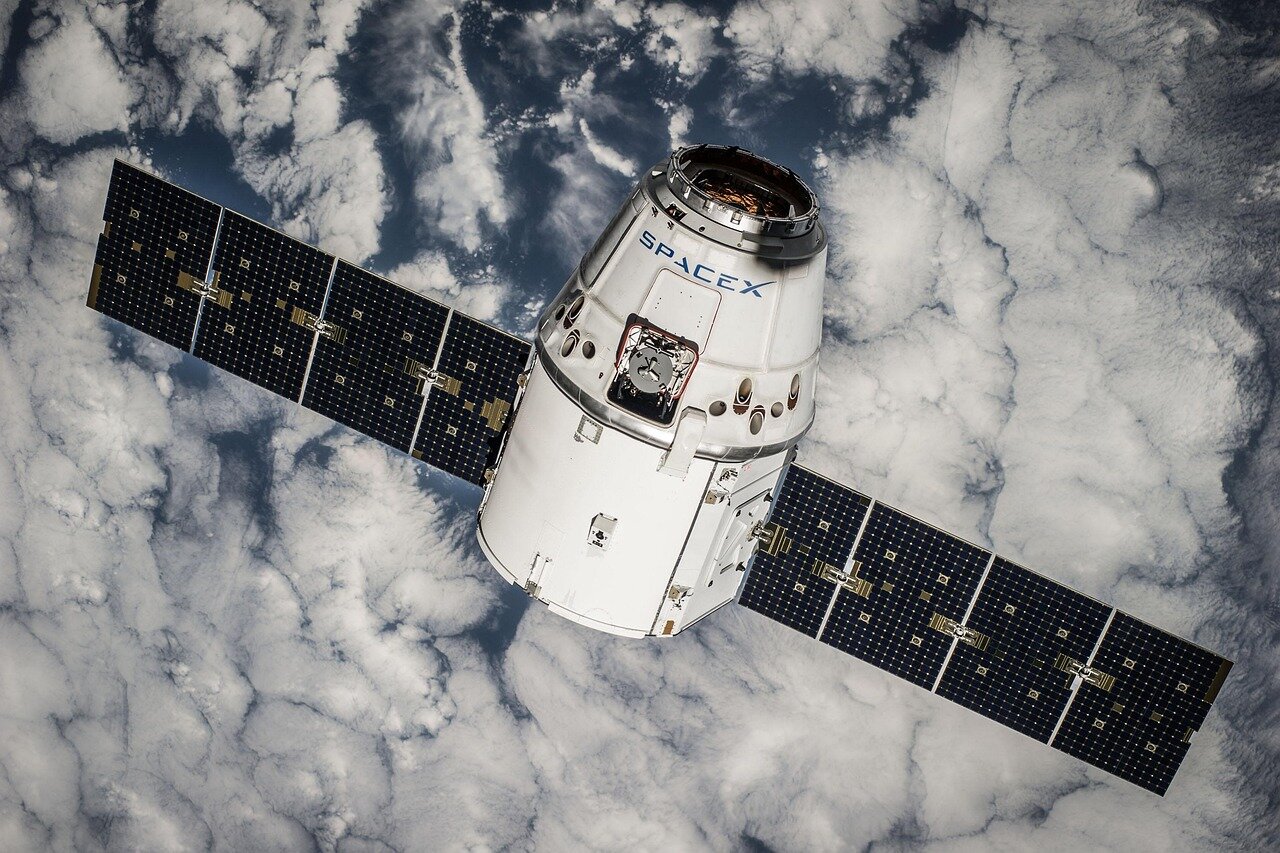
Industry analysts are closely monitoring the situation, as the outcome of the share sale could have broader implications for the commercial space industry. Investors are looking for reassurance that SpaceX can deliver on its promises while managing its financial obligations. The decision to postpone the launch reflects a careful balancing act between technological ambition and fiscal responsibility.
Understanding the background of SpaceX’s Starship program
SpaceX, founded by Elon Musk in 2002, has consistently pushed the boundaries of space exploration and commercial spaceflight. The Starship program, which aims to create a fully reusable spacecraft capable of carrying humans to Mars and beyond, has been a centerpiece of Musk’s vision for interplanetary travel. Since its inception, the program has faced numerous challenges, including technical hurdles, regulatory scrutiny, and ambitious timelines that have often been missed.
The first significant milestone for Starship was the successful test flight of the Starhopper in 2019, which demonstrated the vehicle’s capabilities for short hops. This was followed by a series of increasingly complex test flights, culminating in the high-altitude flight tests in 2020 and 2021. Each test provided valuable data, but also highlighted the risks involved in developing such advanced technology. The program has been marked by both spectacular failures and significant achievements, reinforcing SpaceX’s iterative approach to engineering.

In recent years, the geopolitical landscape has also influenced SpaceX’s operations. The increasing competition in space exploration, particularly from state-sponsored entities like China’s space program, has heightened the urgency for the United States to maintain its leadership in space. To learn about health crises impacting global responses, see this related article.
The Economic Context of SpaceX’s Share Sale
As SpaceX prepares for a mega share sale, the economic backdrop is crucial to understanding the company’s strategic decisions. The commercial space sector has seen a surge in investment, with companies vying for a share of the lucrative satellite deployment and space tourism markets. However, the recent fluctuations in the stock market and investor sentiment towards tech companies may influence the timing and success of SpaceX’s fundraising efforts. With the Starship program still in its testing phase, potential investors are weighing the risks against the potential rewards of being part of a company that could redefine space travel.
Examining the implications for stakeholders involved
The postponement of SpaceX’s Starship launch introduces a complex web of interests and concerns among various stakeholders. Key actors include SpaceX, its investors, regulatory bodies, and the broader aerospace industry. Each has distinct motivations that shape their reactions to the delay.
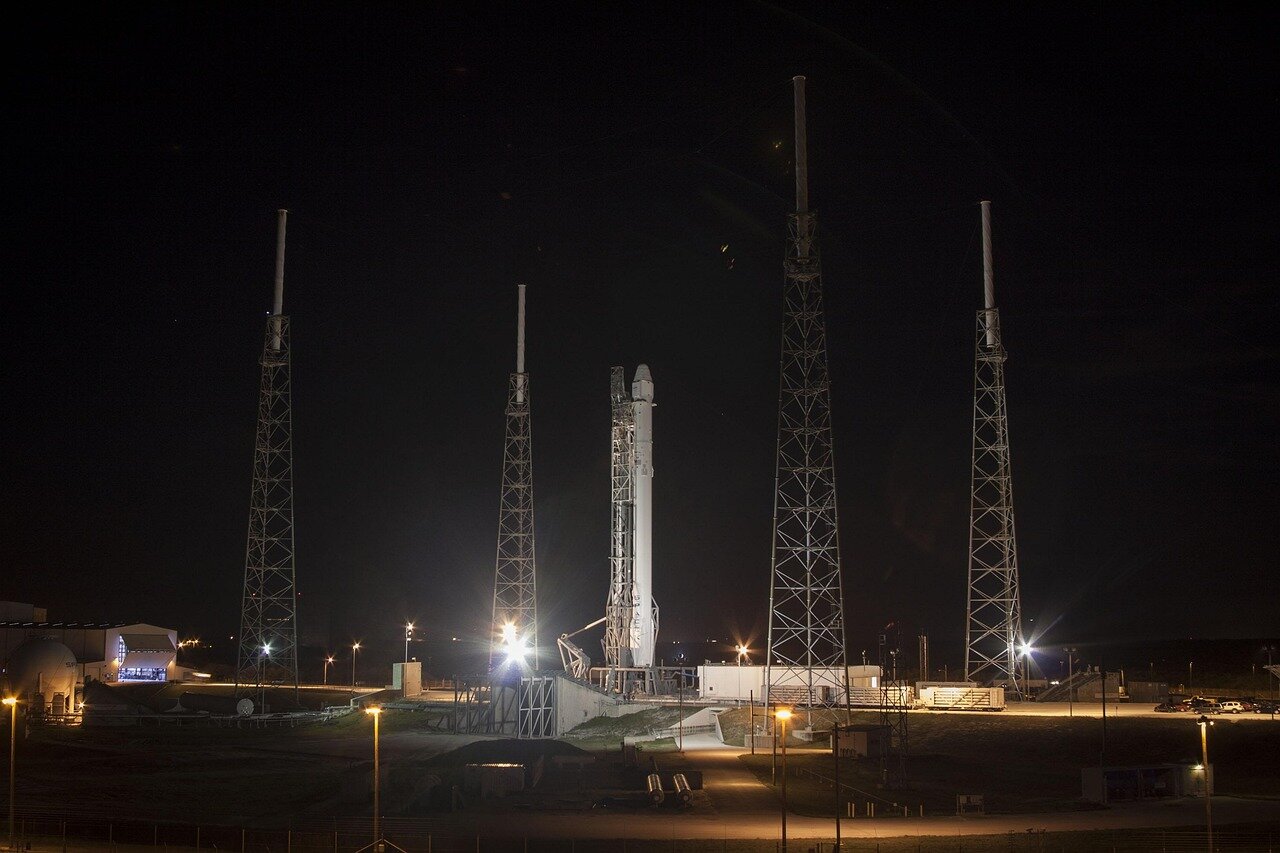
SpaceX, led by CEO Elon Musk, is primarily focused on advancing its ambitious space exploration goals. The company aims to establish a sustainable human presence on Mars, which hinges on the successful launch and operation of the Starship. Delays can affect timelines and investor confidence, especially with a significant share sale on the horizon.
Investors, particularly those involved in the upcoming mega share sale, are concerned about the timing and implications of the launch delay. The financial health of SpaceX and its ability to deliver on promises are critical to maintaining investor trust and securing future funding. A successful launch could bolster market confidence, while further delays might raise questions about the company’s operational efficiency.
Regulatory bodies, such as the Federal Aviation Administration (FAA), play a crucial role in overseeing space launches. If you’re interested in wildlife conservation, check out this piece about a nearby animal park’s celebration.

- Investor Interest: The timing of the share sale may be adversely affected by the launch delay.
- Regulatory Scrutiny: Increased oversight from agencies could arise from the postponement.
- Operational Impacts: Delays may affect SpaceX’s project timelines and future missions.
- Market Confidence: The perception of SpaceX’s reliability could be influenced by the launch outcome.
- Technological Development: Continued delays may impact the pace of innovation in the aerospace sector.
Assessing the impact on investors and the space industry
The recent postponement of SpaceX’s Starship launch has sent ripples through various sectors, particularly affecting investors, the space industry, and related businesses. Stakeholders in the aerospace sector are closely monitoring the situation, as this delay could influence investor confidence and funding opportunities for other companies in the space race.
In the short term, the postponement may lead to uncertainty among investors who had anticipated a successful launch as a catalyst for share price appreciation. This could result in a temporary dip in stock prices for SpaceX and its partners, impacting their market capitalization and investor sentiment. Additionally, companies reliant on SpaceX for satellite launches or transportation to the International Space Station may face delays in their own projects, affecting their operational timelines.
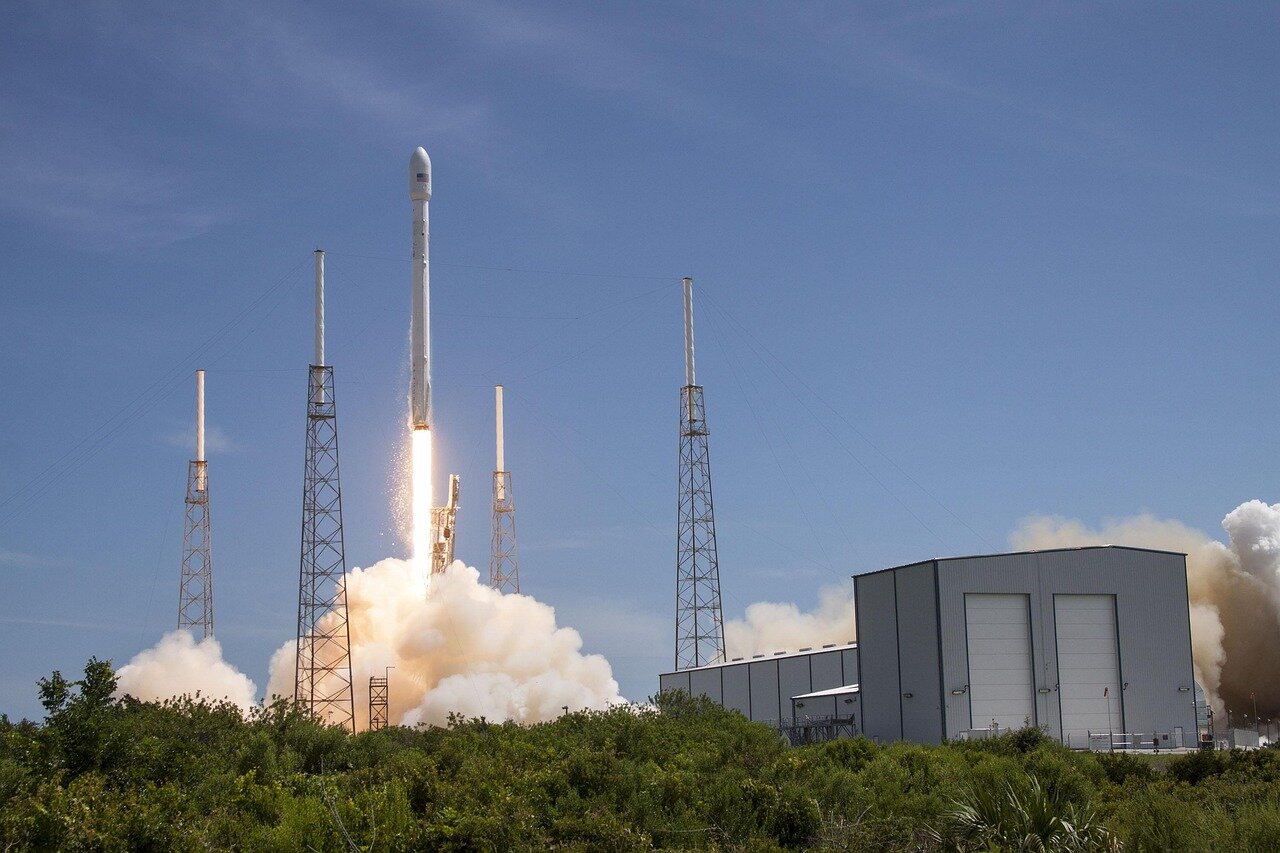
Mid-term impacts could include shifts in policy regarding space exploration and investment. As the U.S. government and other nations assess the reliability of private space ventures, there may be increased scrutiny and regulatory measures introduced to ensure safety and accountability. This could reshape the competitive landscape, favoring companies that demonstrate consistent performance.
- Risks: Investor uncertainty, delayed projects, potential regulatory changes.
- Opportunities: Increased focus on reliability could lead to innovation, potential partnerships, and new funding avenues for resilient companies.
Regions with a strong aerospace presence, such as California and Texas, may experience localized economic impacts as businesses adjust to the new timeline. Furthermore, the delay may open doors for emerging players in the space industry, who could capitalize on the situation by offering alternative solutions or services.
A: The launch was postponed due to a looming mega share sale, which has raised financial concerns for the company. A: A new launch date has not been announced yet, as the company is currently focused on the share sale. A: The delay may impact upcoming missions, as the company needs to stabilize its financial situation before proceeding. A: Investors may face uncertainty regarding the company’s valuation and future projects, depending on the outcome of the share sale. A: Yes, delays in SpaceX’s projects may provide opportunities for competitors to advance their own missions in the meantime.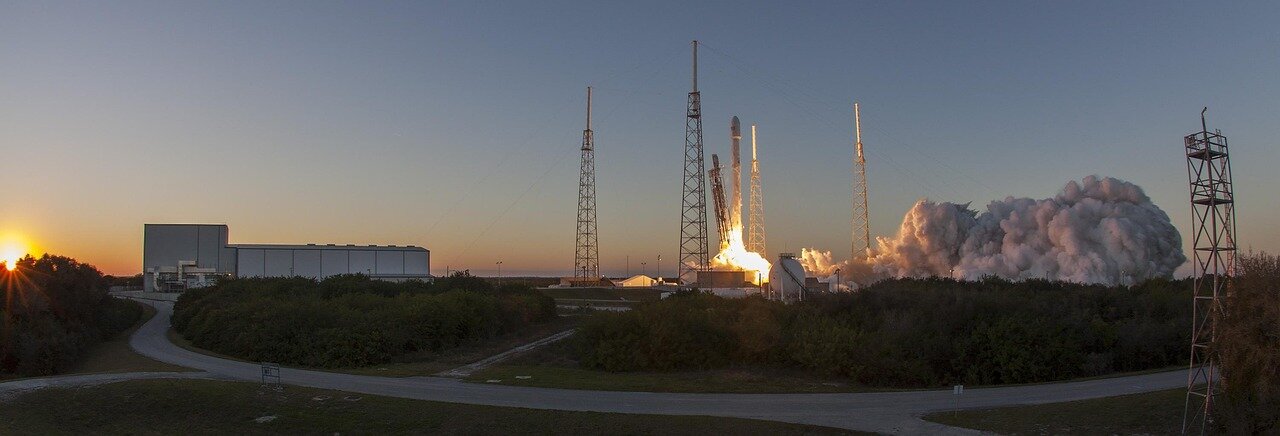
Frequently asked questions about the Starship launch delay
Key takeaways and future outlook for SpaceX
The recent postponement of SpaceX’s Starship launch, coinciding with a significant share sale, underscores the complexities facing the aerospace giant as it navigates both operational and financial landscapes. Investors and stakeholders will be closely monitoring how these developments impact SpaceX’s ambitious timelines and project funding, especially as the company seeks to maintain its competitive edge in the space industry.
As SpaceX prepares for its next steps, the implications of this delay and the share sale could resonate throughout the sector. The focus will likely shift to how effectively the company can balance its financial needs with the technological advancements required to achieve its long-term goals.
- Watch for updates on the new launch schedule and its potential impacts on SpaceX’s project timelines.
- Monitor investor reactions to the share sale and how it may influence SpaceX’s funding strategies.
- Consider the implications of this delay on SpaceX’s competitors and the broader aerospace market.
- Evaluate how this situation might affect SpaceX’s partnerships and collaborations with other organizations.
- Stay informed about any technological advancements or changes in strategy that may emerge as a result of these developments.