
In recent months, incidents such as drone attacks on oil facilities in Saudi Arabia, attributed to Iranian-backed groups, have raised alarms among Gulf states. These attacks have led to temporary disruptions in oil supply, contributing to fluctuations in global oil prices. The heightened state of alert has prompted Gulf nations to reassess their security strategies and economic dependencies. For more insights into global economic challenges, you can check out [The Power of Storytelling in Promoting Sustainability](https://primeinsightsnews.com/storytelling-for-sustainability/).
The Gulf Cooperation Council (GCC) countries, including Saudi Arabia, the UAE, and Qatar, are now facing the challenge of balancing their economic interests with the need for enhanced security measures. This shift has led to increased military spending and a potential diversion of funds away from critical sectors such as infrastructure and social services. The long-term economic ramifications could hinder growth prospects in these economies, a topic that resonates with the findings of [The rising threat of disease-carrying mosquitoes and heat-related deaths](https://primeinsightsnews.com/mosquitoes-disease-threat-heat-deaths/).
As they grapple with these challenges, the long-term impact on their economies remains a critical concern, shaping their policies and alliances in the ever-evolving landscape of Middle Eastern geopolitics. Furthermore, international businesses face uncertainty as they weigh the risks of investment in the Gulf region against potential rewards, which ties into broader themes discussed in [Understanding Instagram Instants and Their Implications](https://primeinsightsnews.com/instagram-instants-implications/).
Understanding the historical background of the Iran conflict
The Iran conflict has deep-rooted historical, political, and economic dimensions that have evolved over decades. The tension can be traced back to the mid-20th century, particularly the 1953 coup in Iran, which saw the overthrow of Prime Minister Mohammad Mossadegh, orchestrated by the United States and the United Kingdom. This event laid the groundwork for deep-seated resentment towards Western powers in Iran and triggered a series of political upheavals that culminated in the 1979 Iranian Revolution, which established the Islamic Republic under Ayatollah Khomeini.
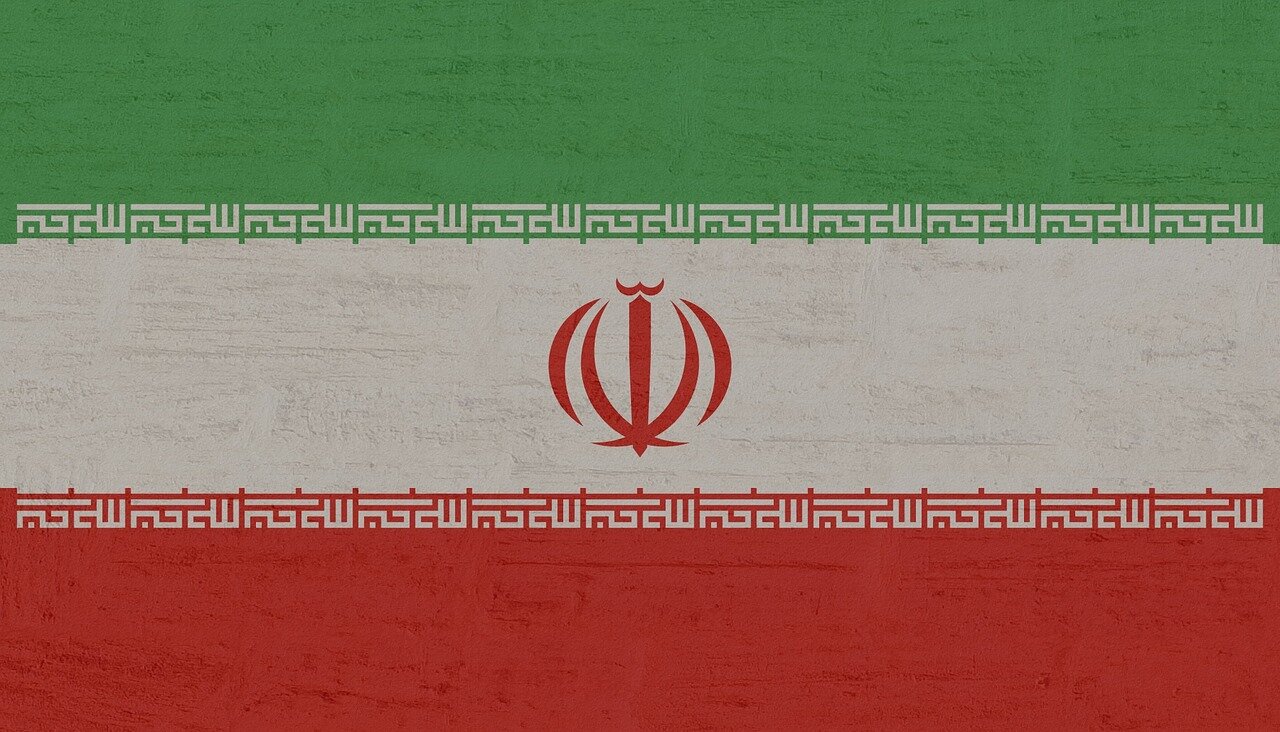
In the years following the revolution, Iran’s relationship with its Gulf neighbors became increasingly strained. The Iran-Iraq War (1980-1988) further exacerbated these tensions, as Gulf states, particularly Saudi Arabia and Kuwait, supported Iraq in its conflict against Iran. This war not only caused immense human suffering but also had significant economic repercussions for the region, leading to a re-evaluation of alliances and security strategies among Gulf countries.
The Impact of Sanctions and Regional Rivalries
As Iran pursued its nuclear program in the 2000s, international sanctions intensified, isolating the country economically and politically. The Gulf economies, heavily reliant on oil exports, found themselves caught in the crossfire of this geopolitical struggle. The sanctions on Iran created both challenges and opportunities for Gulf states, as they sought to bolster their own economies while navigating the complex dynamics of regional rivalries, particularly with the rise of Iran’s influence in Iraq, Syria, and Lebanon.
In recent years, the re-emergence of armed conflicts and proxy wars in the region, along with the U.S. withdrawal from the Iran nuclear deal in 2018, has heightened tensions further. The Gulf nations now face a precarious situation where their economic stability is threatened by the ongoing conflict and the potential for military escalation. As they grapple with these challenges, the long-term impact on their economies remains a critical concern, shaping their policies and alliances in the ever-evolving landscape of Middle Eastern geopolitics.
Key stakeholders and issues in the Gulf region
The ongoing tensions arising from the Iran conflict have significant implications for Gulf economies, with various stakeholders affected by the evolving situation. Key actors include the governments of Gulf Cooperation Council (GCC) countries, Iran, international businesses, and global powers such as the United States and European Union. Each of these entities has distinct interests that shape their responses to the conflict.
GCC countries, including Saudi Arabia, the UAE, and Qatar, are primarily concerned with maintaining regional stability and ensuring the security of their economies. The threat posed by Iran’s military capabilities and its influence in proxy conflicts across the region has led these nations to bolster their defense spending and seek closer ties with Western allies. This focus on security often comes at the expense of economic diversification efforts, as resources are redirected to military expenditures.
On the other hand, Iran seeks to assert its influence and counterbalance the power of the GCC nations. The Iranian government aims to leverage its oil resources and strategic location to maintain economic resilience despite sanctions. The conflict has created trade-offs for Iran, as it must navigate international isolation while attempting to foster partnerships with countries that are less aligned with U.S. interests.
Furthermore, international businesses face uncertainty as they weigh the risks of investment in the Gulf region against potential rewards. The volatility stemming from the Iran conflict complicates trade agreements and foreign direct investment, impacting industries such as oil, tourism, and technology. Companies must consider not only the immediate economic implications but also the long-term stability of the region.
- Security concerns: Increased military spending in GCC countries may divert funds from social and economic development.
- Economic diversification: GCC nations may struggle to balance defense needs with the push for a more diversified economy.
- International relations: The conflict influences diplomatic ties, affecting trade deals and partnerships.
- Investment climate: Uncertainty may deter foreign investment, impacting long-term economic growth.
- Energy markets: Fluctuations in oil prices due to geopolitical tensions can have immediate effects on Gulf economies.
The economic impact on Gulf countries and their markets
The ongoing conflict involving Iran is set to have far-reaching effects on Gulf economies, impacting various groups, industries, and regions. Key sectors such as oil and gas, tourism, and trade are particularly vulnerable, while local populations may experience changes in their daily lives and economic stability.
In the short term, disruptions in oil supply chains could lead to fluctuations in global oil prices, affecting the revenue streams of Gulf nations heavily reliant on oil exports. As a result,
- energy prices may rise,
- inflation could increase,
- and consumer spending may decline.
These factors can lead to a slowdown in economic growth and increased unemployment rates in affected regions.
Mid-term impacts may include shifts in foreign investment as businesses reassess their exposure to geopolitical risks. Countries like Saudi Arabia and the UAE, which have been promoting diversification efforts, might find it challenging to attract investors who are wary of instability in the region. However, this could also open up opportunities for local businesses to innovate and fill gaps left by foreign companies.
Moreover, the tourism sector could see a decline as safety concerns deter travelers from visiting Gulf nations. This is particularly concerning for countries that have invested heavily in developing their tourism infrastructure. On the flip side, there may be a rise in domestic tourism as residents seek local alternatives, potentially benefiting smaller businesses and local economies.
In terms of policy, governments may need to reassess their economic strategies to address these challenges. This could lead to increased spending on security and defense, diverting funds from social and economic development initiatives. However, it also presents an opportunity for policymakers to strengthen regional cooperation and create more resilient economic frameworks that can withstand external shocks.
A: The Iran conflict is expected to disrupt trade routes, deter foreign investments, and increase regional instability, which can lead to economic downturns in Gulf countries. A: The conflict can lead to fluctuations in oil prices due to concerns over supply disruptions, impacting the economies of oil-dependent Gulf states. A: Gulf economies may focus on diversifying their economies, investing in renewable energy, and strengthening regional partnerships to mitigate the conflict’s effects. A: International relations significantly influence the dynamics of the conflict, as alliances and tensions with global powers can affect economic stability in the Gulf. A: Many businesses are reassessing their risk exposure, adjusting supply chains, and exploring new markets to navigate the uncertainties created by the conflict.
Frequently asked questions about the Iran conflict and Gulf economies
Insights on the future outlook for Gulf economies
The ongoing conflict with Iran presents a multifaceted challenge for Gulf economies, which may experience prolonged economic repercussions. As tensions escalate, regional stability becomes increasingly precarious, potentially deterring foreign investment and disrupting trade routes. Additionally, reliance on oil revenues may exacerbate vulnerabilities, prompting Gulf states to reevaluate their economic diversification strategies.
Monitoring the geopolitical landscape will be crucial for stakeholders in the Gulf region. The interplay between military actions and diplomatic efforts will likely influence market confidence and economic growth trajectories. Policymakers must remain agile, adapting to shifts in both regional dynamics and global energy demands.
- Watch for shifts in foreign investment patterns as investors assess risk in the region.
- Observe how Gulf states adjust their economic diversification strategies in response to changing geopolitical realities.
- Pay attention to developments in energy markets, particularly oil prices, as they can significantly impact Gulf economies.
- Consider the potential for increased regional cooperation or conflict, which may affect trade and economic stability.
- Monitor the effectiveness of diplomatic efforts aimed at de-escalating tensions, as these will play a critical role in shaping the economic landscape.