
The cubs, which are currently being cared for by their mother, are part of a breeding program aimed at increasing the population of Sumatran tigers in captivity. The park has been actively involved in conservation efforts and aims to educate the public about the importance of protecting these magnificent creatures, similar to how environmental organizations advocate for the preservation of ecosystems.
Wildlife experts estimate that only about 400 Sumatran tigers remain in the wild, making this birth particularly significant. The animal park’s successful breeding program not only contributes to the genetic diversity of the species but also raises awareness about the challenges they face in their natural habitat.
Visitors to the park can expect to see the cubs in the coming months as they grow and begin to explore their surroundings. The park plans to host educational events to highlight the plight of Sumatran tigers and the importance of conservation efforts.
Understanding the significance of Sumatran tigers
The Sumatran tiger, a subspecies of tiger native to the Indonesian island of Sumatra, is critically endangered, with estimates suggesting that fewer than 400 individuals remain in the wild. This alarming decline is primarily attributed to habitat loss due to deforestation, poaching, and human-wildlife conflict. Conservation efforts have become increasingly vital as these majestic creatures play a crucial role in maintaining the ecological balance of their habitats.
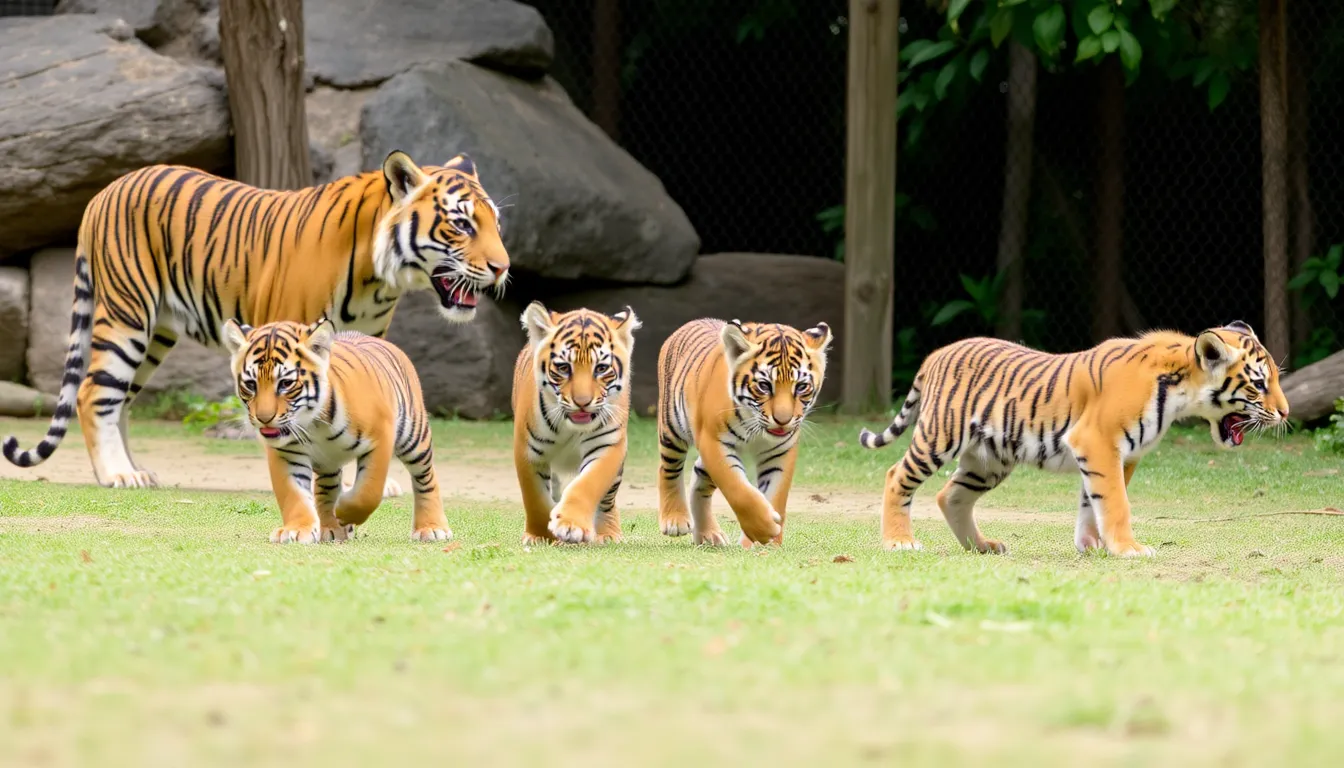
Historically, Sumatran tigers have faced numerous threats, particularly during the 20th century when extensive logging and agricultural expansion led to significant habitat destruction. The establishment of national parks and wildlife reserves in the late 1990s marked a pivotal moment in conservation efforts, providing protected areas where these tigers could thrive. However, illegal poaching and the illegal wildlife trade continue to pose serious challenges to their survival, underscoring the need for ongoing initiatives like the Sumatran Tiger Conservation Strategy.
Conservation milestones
In recent years, various organizations and governments have implemented programs aimed at protecting Sumatran tigers and their habitats. Key milestones include the establishment of the Sumatran Tiger Conservation Strategy in 2007, which aimed to double the population of wild Sumatran tigers by 2022. Furthermore, successful breeding programs in zoos around the world have played a significant role in raising awareness and providing genetic diversity for future reintroduction efforts.
The recent birth of four Sumatran tiger cubs at a local animal park represents a significant achievement in these conservation efforts. Not only does it highlight the importance of breeding programs in captivity, but it also serves as a beacon of hope for the future of this critically endangered species. As awareness grows and support for conservation initiatives increases, there is potential for a more sustainable coexistence between humans and wildlife, reflecting themes similar to those explored in the work of a physicist who thinks poetically about nature.
Key stakeholders in tiger conservation efforts
The recent birth of four Sumatran tiger cubs at the local animal park has brought attention to various stakeholders involved in tiger conservation. These stakeholders include wildlife conservation organizations, government agencies, local communities, and the animal park itself. Each entity has its own interests and motivations that influence the broader narrative of wildlife preservation.
Wildlife conservation organizations, such as the World Wildlife Fund (WWF) and the International Tiger Coalition, play a crucial role in protecting endangered species like the Sumatran tiger. Their primary interest lies in raising awareness, securing funding for conservation projects, and advocating for stronger legal protections. These organizations often collaborate with local governments and communities to implement effective conservation strategies.
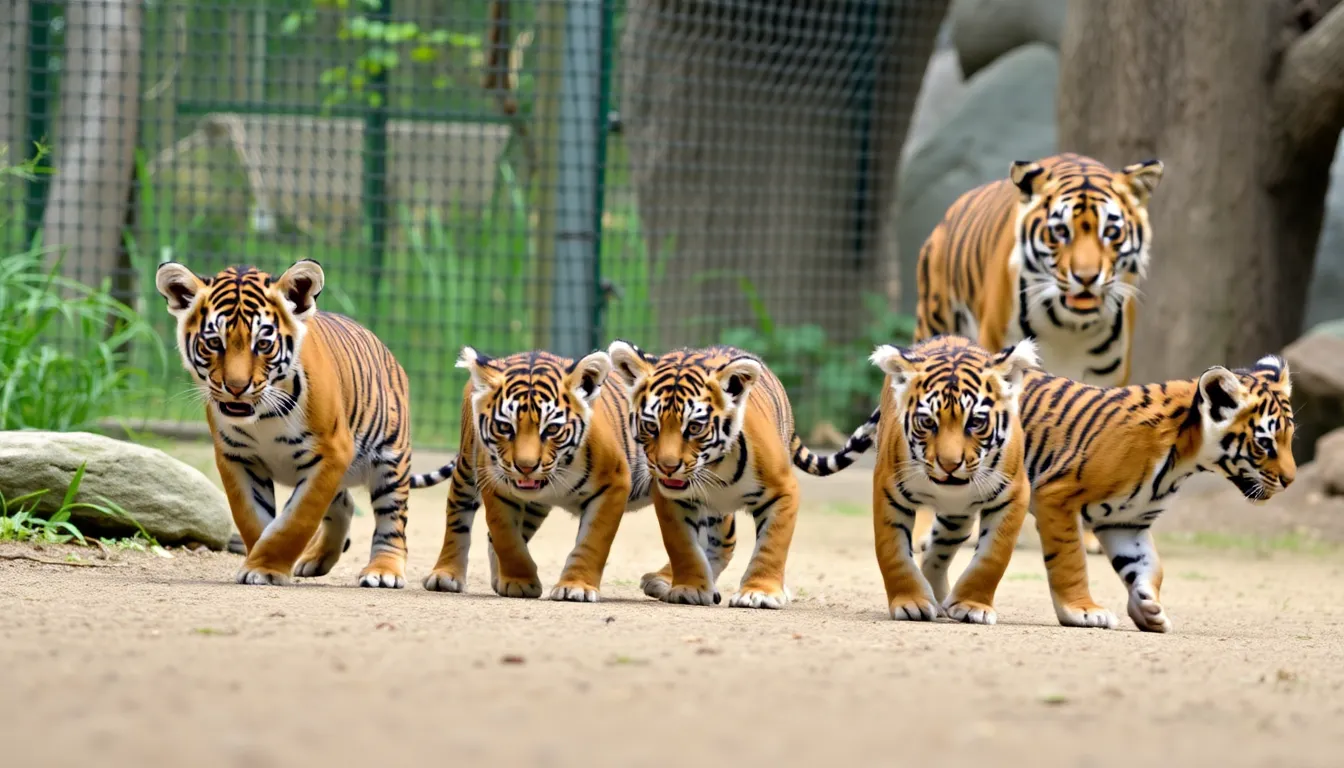
Government agencies, particularly those responsible for environmental protection and wildlife management, are key players in the conservation landscape. Their interests include enforcing laws against poaching, habitat preservation, and promoting biodiversity. However, these agencies may face challenges such as limited resources, conflicting political agendas, and the need to balance economic development with environmental conservation.
- Local communities: Often directly impacted by conservation efforts, local communities may have mixed feelings about wildlife protection. While some recognize the ecological and economic benefits, others may view regulations as restrictions on land use.
- Economic interests: The tourism industry can benefit from wildlife attractions, creating a possible conflict between conservation efforts and economic development. The presence of tiger cubs may boost visitor numbers, but it also raises questions about ethical wildlife tourism practices.
- Legal issues: The enforcement of anti-poaching laws and habitat protection regulations can lead to tensions between conservation efforts and local livelihoods, necessitating a delicate balance between legal enforcement and community engagement.
In summary, the successful conservation of Sumatran tigers and their habitats relies on the collaboration of various stakeholders. Understanding their interests and the potential conflicts that arise is essential for developing effective conservation strategies that benefit both wildlife and local communities.
Effects on the local community and wildlife conservation
The recent birth of four Sumatran tiger cubs at the local animal park has significant implications for various groups, including wildlife conservationists, local businesses, and the general public. These cubs represent a critical addition to the endangered species population, potentially influencing conservation efforts and educational programs in the region.
In the short term, the animal park is likely to experience an increase in visitor numbers, as the public is drawn to the novelty of the tiger cubs. This surge in attendance can positively impact local businesses, such as restaurants, hotels, and shops, which may see increased foot traffic and sales. Additionally, the animal park may initiate special events or programs focused on educating visitors about Sumatran tigers and their conservation.
Mid-term impacts could include a shift in local policy regarding wildlife conservation and habitat protection. As awareness of the Sumatran tiger’s plight grows, local authorities may prioritize funding for conservation initiatives. This could lead to collaborative efforts between the animal park, government agencies, and non-profit organizations aimed at preserving natural habitats and promoting biodiversity.
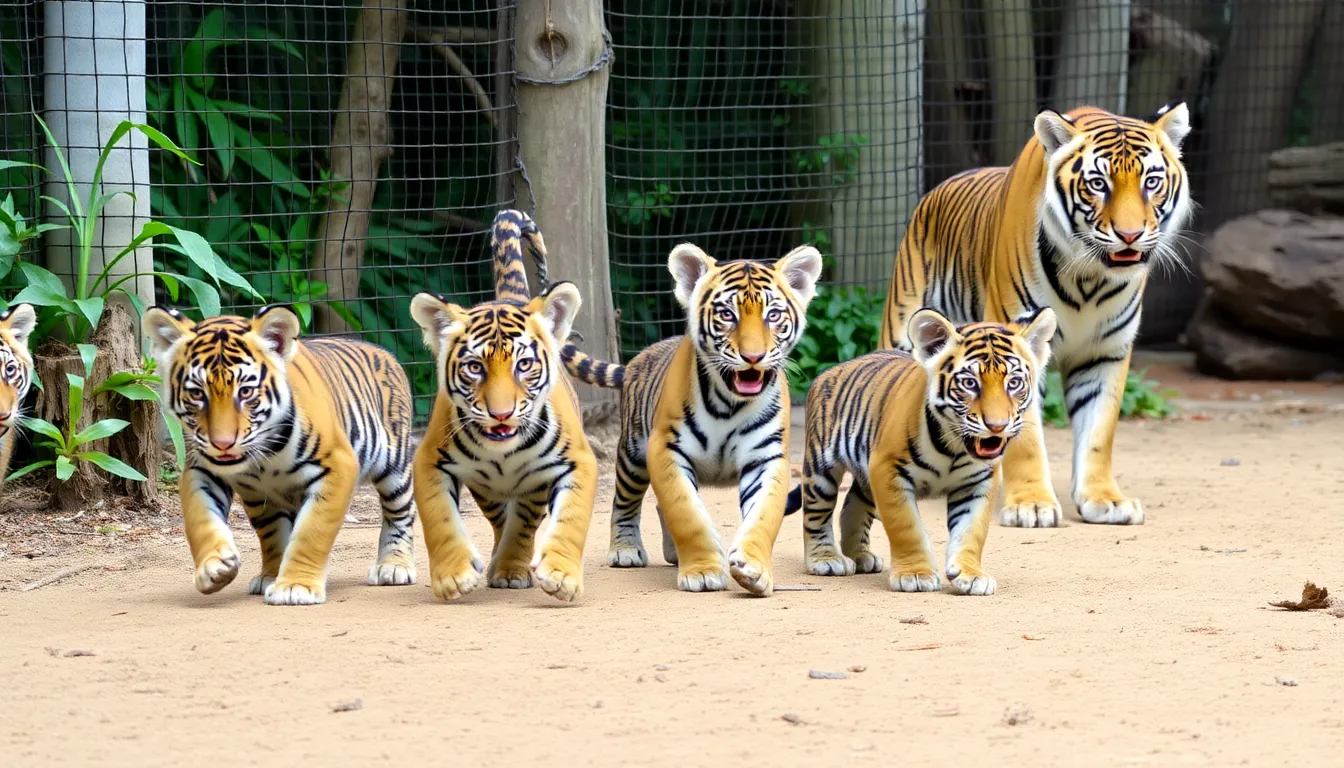
However, there are risks associated with the increased attention on the tiger cubs. The animal park must ensure that it maintains high standards of animal welfare and habitat quality to avoid potential backlash from animal rights groups. Additionally, a rise in tourism could lead to environmental strain if not managed sustainably.
- Increased tourism and local business revenue
- Enhanced educational programs on wildlife conservation
- Potential policy changes favoring habitat protection
- Risks of environmental strain due to tourism
- Need for high animal welfare standards to avoid backlash
A: Four Sumatran tiger cubs were born at the animal park, bringing joy to both staff and visitors. A: Sumatran tigers are classified as critically endangered, with only a few hundred left in the wild. A: The cubs will be monitored closely and will eventually be integrated into breeding programs to help boost the population. A: Yes, visitors will have opportunities to see the cubs as they grow and become more active in their habitat. A: People can support tiger conservation through donations, volunteering at wildlife organizations, and spreading awareness about the issues facing these majestic animals.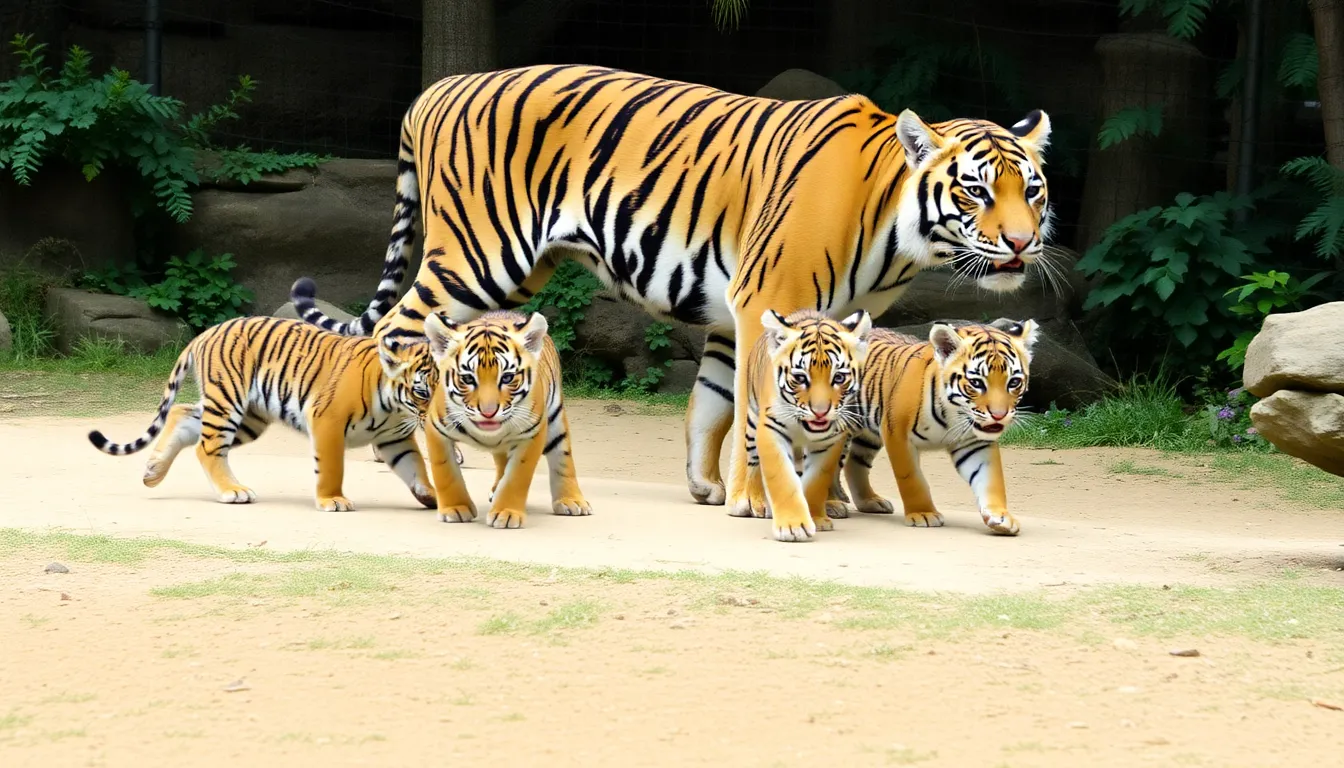
Frequently asked questions about the tiger cubs
Looking ahead: the future of Sumatran tigers in captivity
The arrival of four Sumatran tiger cubs at the animal park marks a significant development in conservation efforts for this critically endangered species. As these cubs grow, they will not only serve as ambassadors for their kind but also provide valuable insights into breeding programs and habitat preservation strategies. Their presence highlights the ongoing challenges faced by Sumatran tigers in the wild, including habitat loss and poaching, while also offering a glimmer of hope for the species’ future.
Monitoring the cubs’ growth and health will be crucial, as it can inform best practices for managing captive populations. Additionally, engaging the public through educational programs can foster a deeper understanding of the importance of wildlife conservation and the role of zoos in protecting endangered species. The next few years will be pivotal in shaping the future of Sumatran tigers both in captivity and in their natural habitats.
- Public Engagement: Increased educational initiatives can enhance awareness and support for Sumatran tiger conservation.
- Breeding Programs: Successful breeding of the cubs may lead to collaborative efforts with other zoos to strengthen genetic diversity.
- Research Opportunities: The cubs provide a unique opportunity for research on behavior, health, and conservation techniques.
- Habitat Protection: Continued focus on protecting natural habitats is essential for the survival of wild Sumatran tiger populations.
- Monitoring and Evaluation: Regular assessments of the cubs’ development will be important for future conservation strategies.