
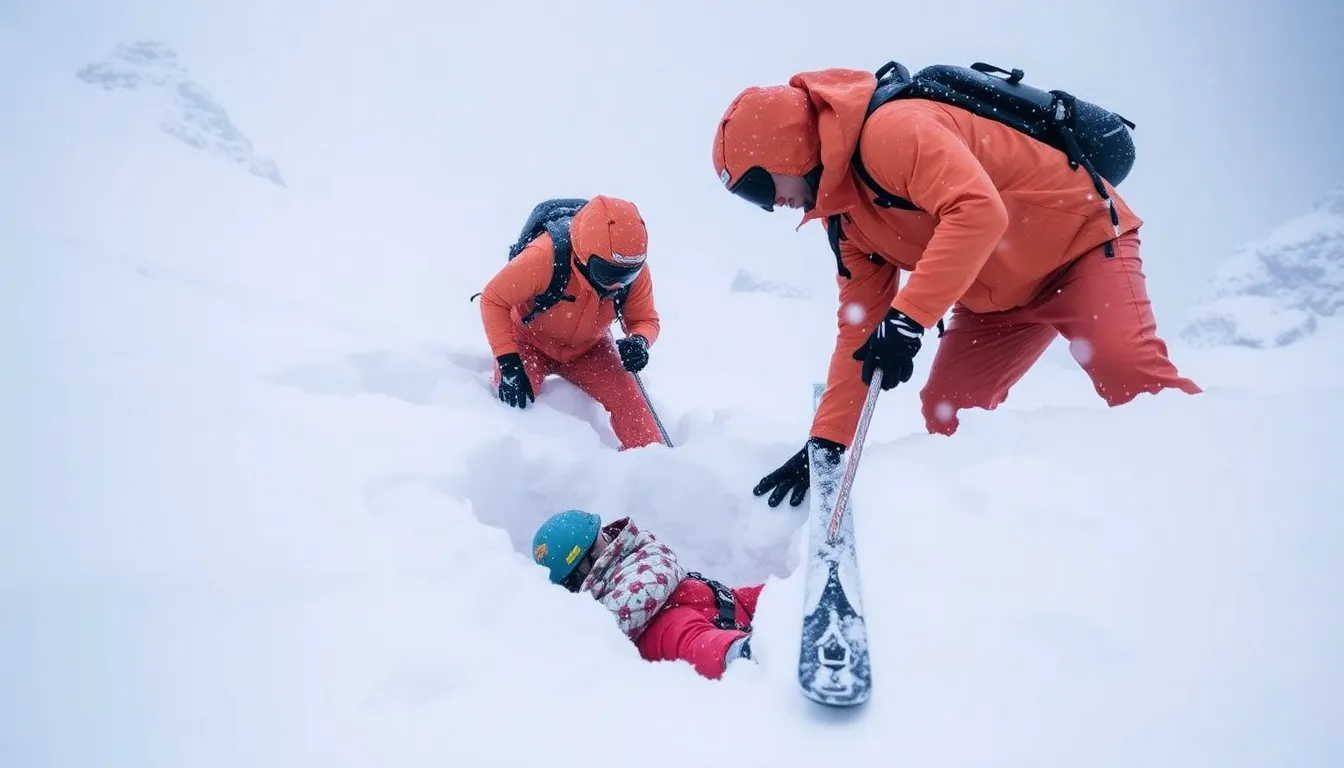
Rescue operations began immediately, with teams equipped with specialized gear and trained dogs to locate the buried skier. The harsh weather conditions posed significant challenges, including extreme cold and ongoing snowfall, which slowed down the search efforts. Despite these obstacles, rescuers remained committed to finding the skier as quickly as possible, mirroring the dedication often seen in cases of high-profile rescues.
As hours passed, the urgency of the situation became increasingly apparent. Family members of the missing skier gathered at the base of the mountain, anxiously awaiting updates from rescue teams. The incident highlights the risks associated with winter sports, particularly in areas prone to avalanches, and raises questions about safety measures in place for skiers and snowboarders.
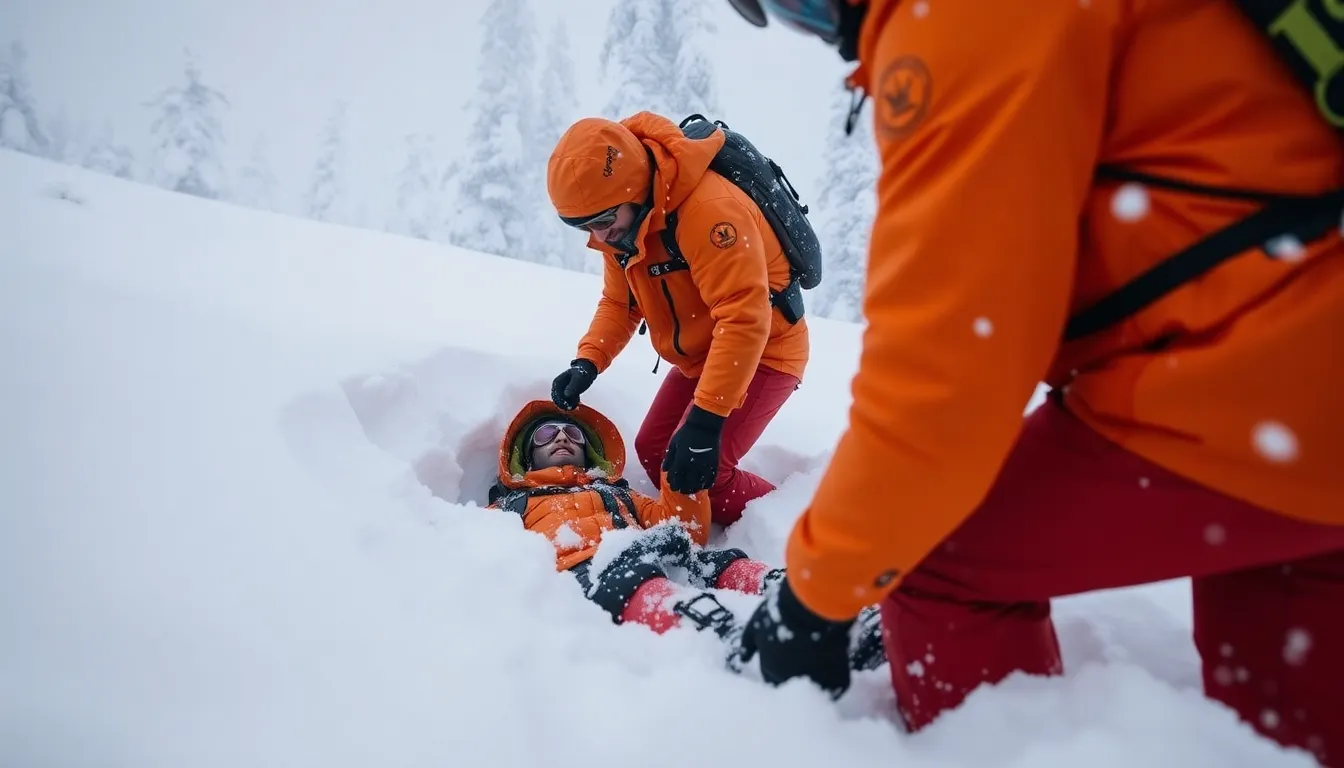
By the evening of February 10, rescuers successfully located the skier and began the process of extraction from the snow. The dramatic rescue was captured on video, showcasing the dedication and bravery of the rescue teams involved. This incident serves as a reminder of the inherent dangers of winter sports and the importance of preparedness and caution in snowy environments.
Understanding the risks associated with skiing in deep snow
Skiing has long been a beloved winter sport, attracting enthusiasts to mountain resorts around the globe. However, as the popularity of off-piste skiing has grown, so too have the associated risks, particularly when it comes to deep snow conditions. Buried beneath fresh powder lies the danger of avalanches, which can occur when the weight of new snow destabilizes layers underneath, making it crucial for skiers to be aware of safety measures in place.
Historically, the understanding of avalanche dynamics has evolved significantly since the mid-20th century. In the past, many skiers underestimated the potential for avalanches in seemingly safe areas. High-profile incidents, such as the deadly avalanche in Val d’Isère, France, in 1970, prompted increased awareness and research into avalanche forecasting and safety measures. This tragic event marked a turning point, leading to the establishment of better safety protocols and avalanche education programs.
Economically, the ski industry has a vested interest in ensuring the safety of its patrons. Ski resorts invest in avalanche control measures, such as controlled detonations and snowpack monitoring, to minimize risks and protect both skiers and their investments. The financial implications of accidents can be significant, affecting not only the resorts’ reputations but also their bottom lines, similar to challenges faced in various industries when managing public perceptions.
The Role of Technology in Avalanche Safety
In recent years, advancements in technology have played a crucial role in enhancing avalanche safety. Tools such as GPS devices, avalanche transceivers, and mobile apps provide skiers with real-time information about snow conditions and potential hazards. Additionally, the use of drones and remote sensing technology has improved avalanche forecasting capabilities, allowing for more accurate predictions and timely warnings. These innovations have transformed the way skiers approach backcountry terrain, emphasizing the importance of preparedness and awareness in mitigating risks.
Key stakeholders involved in the rescue operation
The dramatic rescue of a skier buried in deep snow highlights the involvement of various stakeholders, each with their own interests and concerns. These stakeholders include rescue teams, local government agencies, ski resorts, and the skiing community at large. Understanding their roles and the dynamics at play can provide insight into the complexities of such emergency situations.
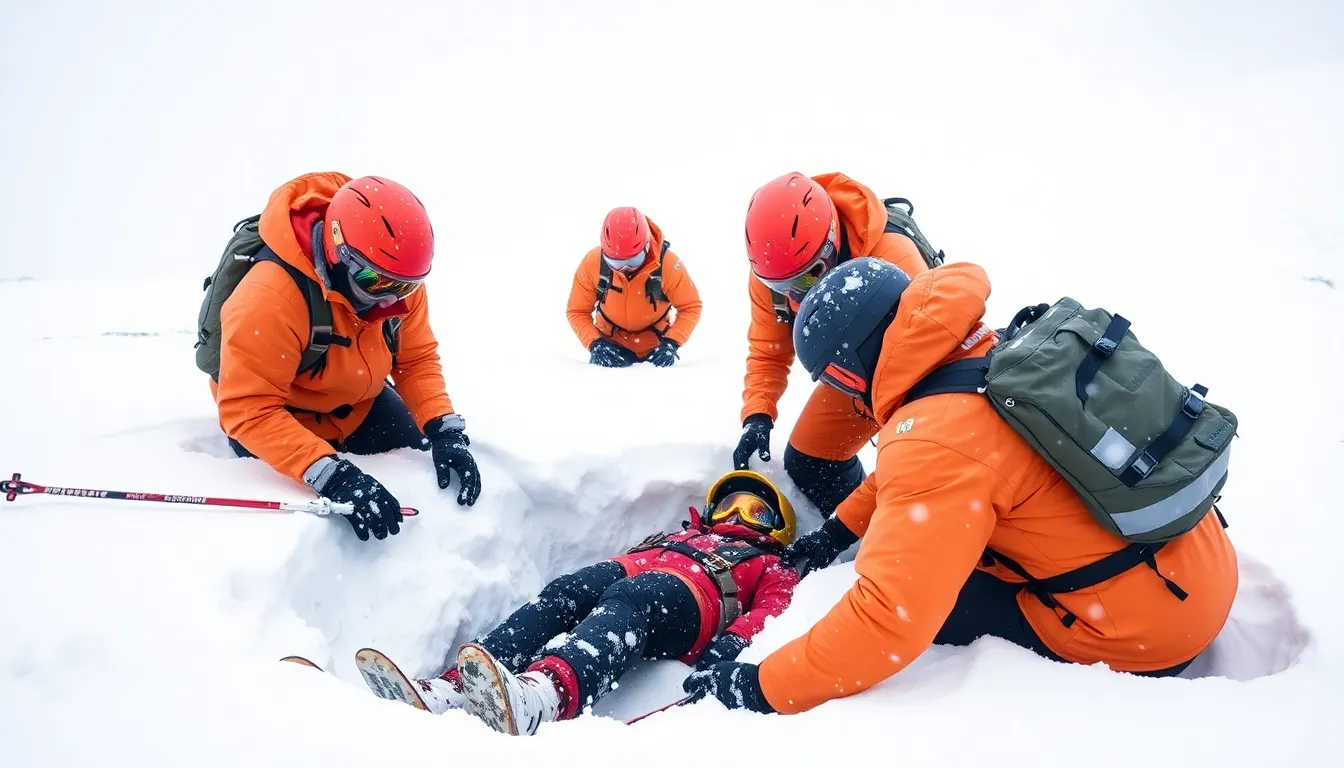
Rescue teams, often composed of trained volunteers and professionals, are at the forefront of the operation. Their primary interest lies in ensuring the safety of the individual in distress while also protecting their own team members. The risks associated with avalanche rescues are significant, as rescuers must navigate treacherous conditions while racing against time.
Local government agencies, such as search and rescue units, have a vested interest in maintaining public safety and managing resources effectively. They face the challenge of balancing the need for prompt action with the logistical constraints imposed by weather and terrain. Additionally, they must consider the legal implications of their operations, including liability issues and the allocation of public funds for rescue efforts.
Ski resorts play a crucial role in this scenario, as they are responsible for the maintenance of safe skiing conditions. Their interests include not only the safety of their patrons but also the economic impact of rescue operations on their reputation and business. A high-profile rescue can attract media attention, which may influence public perception of the resort’s safety measures.
- Rescue team interests: Safety of the victim and rescuers, effective use of resources.
- Local government concerns: Public safety, legal liabilities, resource management.
- Ski resort priorities: Patron safety, economic implications, reputation management.
- Skiing community involvement: Awareness of safety protocols, support for rescue efforts.
- Environmental considerations: Impact of rescue operations on the natural landscape.
The skiing community also plays a significant role, as their awareness and adherence to safety protocols can influence the frequency of such incidents. Community support for rescue operations can foster a culture of safety and preparedness, ultimately benefiting all stakeholders involved. The interplay between these groups illustrates the complex web of interests and challenges that arise during emergency rescue operations in mountainous terrain.
The impact of the rescue on the skiing community and safety measures
The dramatic rescue of a skier buried in deep snow has sent ripples through the skiing community, highlighting the inherent risks associated with winter sports. This incident affects not only the individuals involved but also ski resorts, emergency services, and local economies that rely on winter tourism.
In the short term, ski resorts may experience increased scrutiny regarding their safety protocols and avalanche preparedness. This could lead to a temporary decline in skier confidence, affecting ticket sales and overall visitor numbers. Emergency services may also find themselves under pressure to enhance their response capabilities, potentially leading to increased funding and resources allocated to mountain rescue operations.
In the mid-term, the incident could prompt a reevaluation of safety measures across the industry. Ski resorts may implement more rigorous training programs for staff and enhance communication systems to ensure timely responses in emergencies. Additionally, skiers may be encouraged to adopt more safety gear, such as avalanche beacons and airbags, creating opportunities for businesses that supply these products.
- Increased demand for safety equipment: As skiers become more aware of the risks, sales of safety gear may rise.
- Enhanced training programs: Resorts may invest in better training for staff and skiers alike.
- Policy changes: Potential for new regulations governing ski resort safety practices.
While the risks associated with skiing cannot be eliminated, this incident serves as a catalyst for positive change within the industry. By addressing safety concerns proactively, the skiing community can foster a culture of awareness and preparedness, ultimately benefiting both skiers and the businesses that serve them.
A: If you find yourself buried in snow, try to remain calm and create an air pocket. Move your arms to help free yourself and signal for help if possible. A: To avoid this situation, always ski with a partner, stay on marked trails, and be aware of avalanche risks in the area. A: Essential equipment includes avalanche beacons, probes, and shovels, which can aid in rescue efforts and personal safety. A: Rescue teams use avalanche beacons and trained dogs to locate buried skiers quickly and efficiently. A: Signs include recent snowfall, warming temperatures, and visible cracks in the snowpack, which indicate unstable conditions.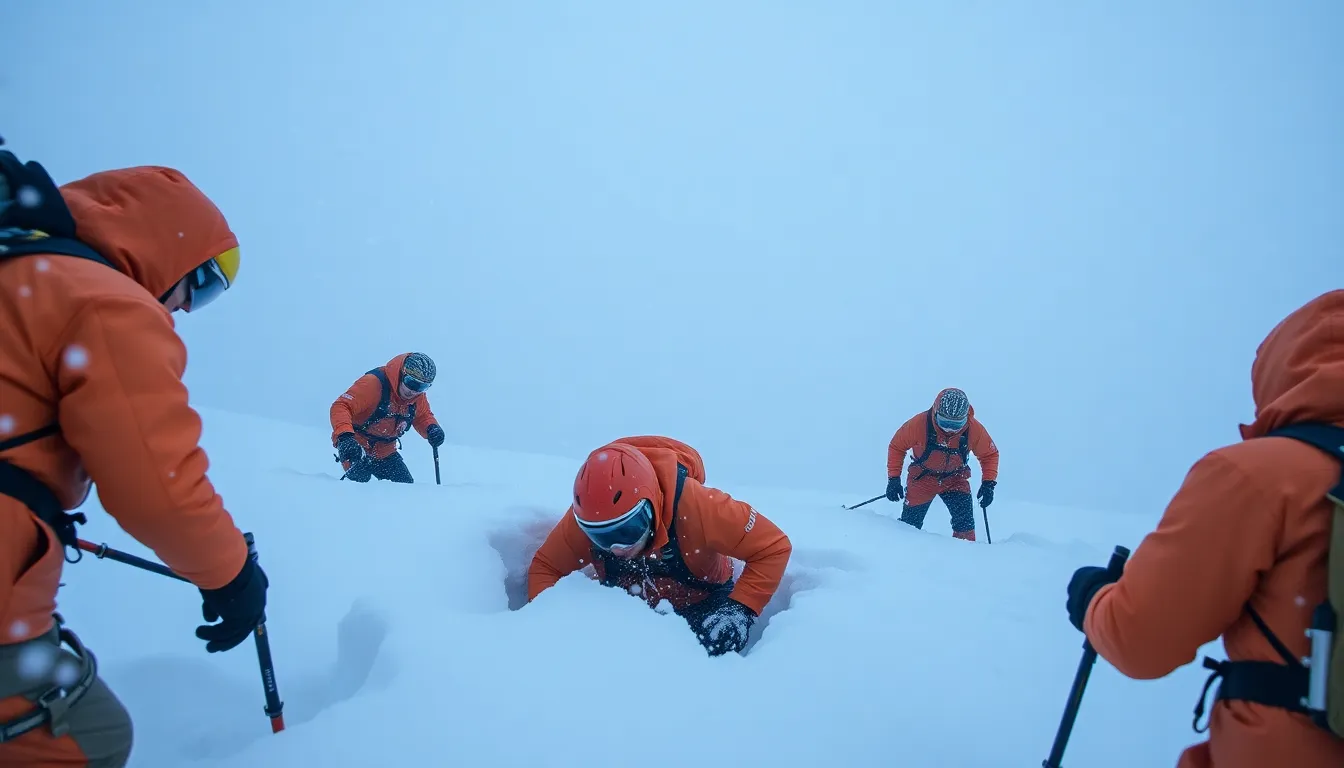
Frequently asked questions about skiing safety and rescues
Key takeaways and future outlook on skiing safety
The recent dramatic rescue of a skier buried in deep snow highlights the critical importance of safety measures and preparedness in skiing environments. As winter sports continue to attract enthusiasts, the risks associated with avalanches and deep snow conditions remain a significant concern. This incident serves as a reminder of the unpredictable nature of outdoor activities and the necessity for skiers to equip themselves with knowledge and tools to mitigate these risks.
Looking ahead, it is essential for both skiers and ski resorts to prioritize safety protocols and education. Emphasizing avalanche awareness, proper gear usage, and rescue techniques can enhance overall safety in the sport. Additionally, advancements in technology and rescue methods may further improve outcomes in emergency situations.
- Emphasize safety training: Skiers should participate in avalanche awareness courses and training sessions to better understand the risks and safety practices.
- Invest in technology: Utilizing advanced equipment such as avalanche beacons, airbags, and GPS devices can significantly increase survival chances in emergencies.
- Encourage community awareness: Ski resorts and local communities should foster a culture of safety, sharing information about conditions and best practices among skiers.
- Monitor weather conditions: Regularly checking weather forecasts and avalanche reports before heading out can help skiers make informed decisions regarding their routes.
- Promote buddy systems: Skiing with a partner not only enhances enjoyment but also ensures that help is readily available in case of an emergency.