
Wylie’s work often reflects her experiences and observations, drawing inspiration from a wide range of sources, including literature, cinema, and her own life. This eclectic mix has positioned her as a key figure in contemporary art, challenging traditional notions of representation and abstraction. As she continues to produce new pieces, her influence is felt across generations of artists who admire her fearless creativity.
The art market has responded positively to Wylie’s recent resurgence, with her paintings fetching impressive prices at auctions. In 2022, one of her works sold for over £1 million, marking a significant milestone in her career. This financial recognition underscores the growing appreciation for her contributions to the art world and highlights the shifting dynamics of artistic value in contemporary society.
As Wylie navigates her ninth decade, she remains a vocal advocate for artistic freedom and expression. Her refusal to conform to conventional expectations serves as an inspiration to emerging artists, encouraging them to explore their own voices without fear. This ongoing dialogue about creativity and authenticity is crucial in a rapidly changing cultural landscape, making Wylie’s work more relevant than ever.
Recommended Articles
Understanding Rose Wylie’s background and artistic evolution
Born in 1934 in a small town in England, Rose Wylie has carved out a unique place in the art world that defies conventional expectations. Growing up during a time of post-war recovery, Wylie’s early life was shaped by the cultural shifts of the 1950s and 60s, a period marked by experimentation and a break from traditional norms in art and society. This backdrop influenced her development as an artist, allowing her to embrace a style that is both playful and provocative.
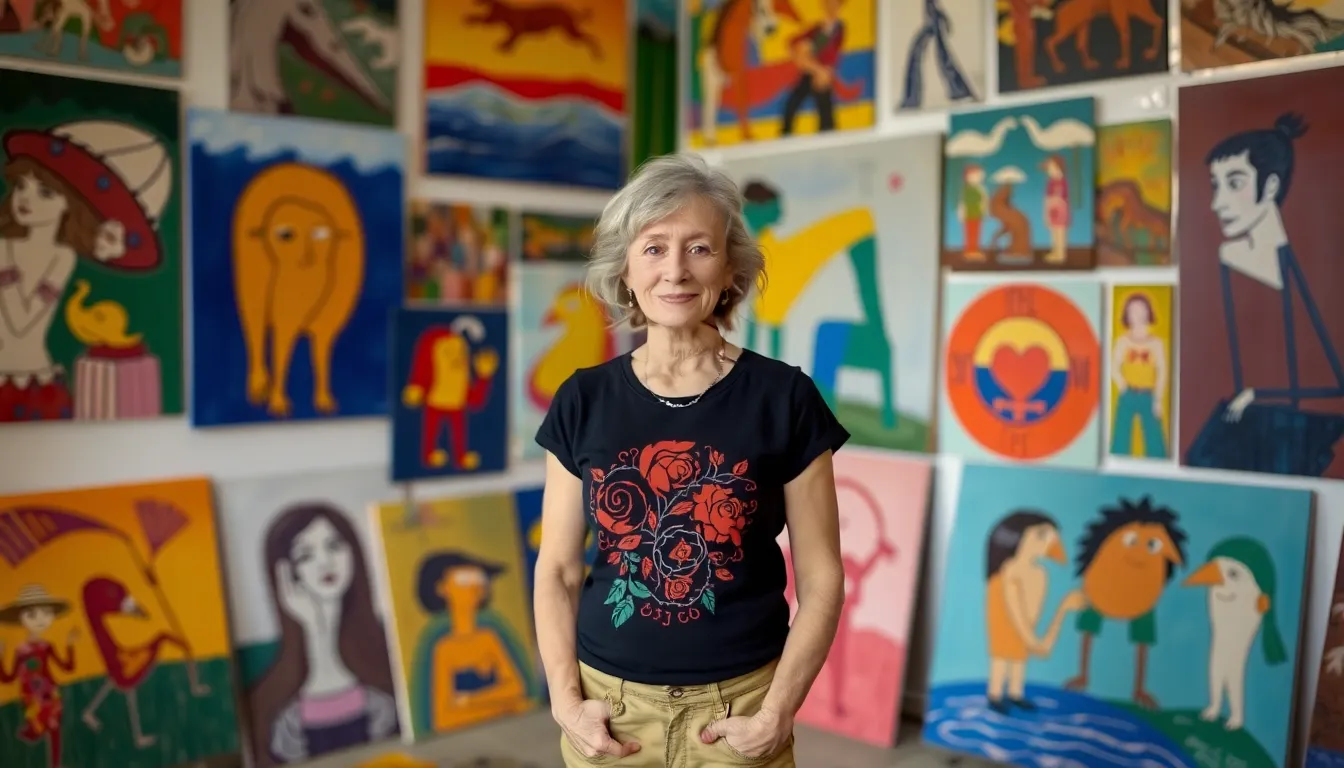
Wylie’s artistic journey began in earnest after she graduated from the Folkestone School of Art and later the Royal College of Art in London. Despite her talent, she faced significant challenges in gaining recognition in a male-dominated art world that often sidelined women artists. It wasn’t until her 70s that Wylie began to receive the acclaim she deserved, highlighting the societal barriers that many women continue to face in creative fields.
The Evolution of Wylie’s Style
Wylie’s work is characterized by its vibrant colors and bold compositions, often drawing inspiration from popular culture, literature, and personal experiences. Her paintings, which frequently feature themes of memory and storytelling, reflect a deep engagement with the world around her. Key milestones in her career include her participation in the 2014 Venice Biennale and her representation by major galleries, which helped to elevate her status within the contemporary art scene.
In recent years, Wylie has become a symbol of resilience and creativity, challenging the notion that age limits artistic expression. Her continued productivity and innovative approach serve as a reminder of the importance of diverse voices in art, particularly those of older women who have historically been overlooked. As Wylie continues to create, her work not only enriches the art community but also inspires a new generation of artists to break boundaries and redefine their own narratives.
Key issues surrounding Wylie’s impact on contemporary art
Rose Wylie, at 91, represents a unique intersection of age, creativity, and defiance in the contemporary art world. Her work challenges traditional norms and expectations, drawing attention from various stakeholders, including art institutions, collectors, and critics. Each of these groups has distinct interests that shape the discourse around Wylie’s contributions and the broader implications for the art community.
Art institutions, including galleries and museums, are particularly invested in how Wylie’s unconventional style and late-blooming career affect perceptions of artistic legitimacy. These organizations often grapple with the balance between promoting established artists and embracing emerging voices, which can lead to conflicts over exhibition space and funding priorities.
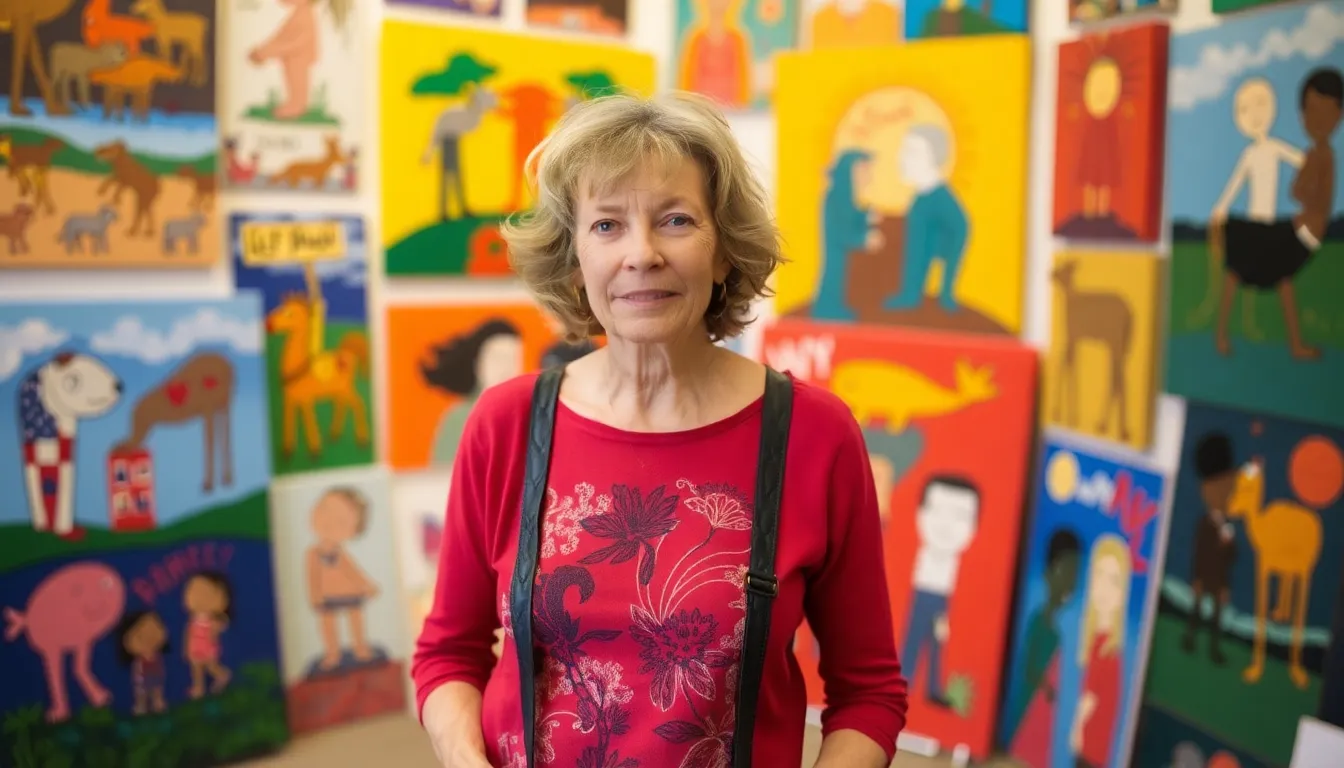
Collectors and investors also play a crucial role in shaping the narrative around Wylie. Their interest in her work can drive market value and visibility, but it also raises questions about commodification in the art world. The tension between artistic integrity and financial gain becomes a pivotal issue as Wylie’s pieces gain traction among collectors.
- Ageism in Art: Wylie’s success challenges stereotypes about aging and creativity, prompting discussions on the representation of older artists.
- Gender Dynamics: As a female artist, Wylie navigates the historically male-dominated art scene, highlighting issues of gender equity in recognition and support.
- Market Dynamics: The rising interest in Wylie’s work reflects broader trends in the art market, including the value placed on authenticity and personal narrative.
- Institutional Support: The role of galleries and museums in promoting diverse voices raises questions about their commitment to inclusivity.
- Art as Activism: Wylie’s work often comments on societal issues, positioning her as a figure of resistance and prompting discussions on the role of art in activism.
In navigating these complexities, Wylie’s presence in the art world not only enriches contemporary discourse but also serves as a catalyst for broader conversations about inclusivity, representation, and the evolving nature of artistic expression. Her journey exemplifies the potential for art to transcend conventional boundaries, sparking dialogue across generations and disciplines.
The influence of Rose Wylie on younger artists and the art market
Rose Wylie’s unconventional approach to art has made a significant impact on younger artists, encouraging them to embrace their individuality and experiment with their creative expressions. Her vibrant and playful style challenges traditional notions of what art should be, inspiring a new generation to break free from conventional constraints.
In the art market, Wylie’s growing recognition has shifted dynamics, particularly for emerging artists. Galleries and collectors are increasingly interested in promoting and acquiring works from artists who reflect similar values of spontaneity and authenticity. This shift can lead to a more diverse representation in galleries and exhibitions.
While the immediate effect of Wylie’s influence is largely positive, there are potential risks involved. As the market becomes saturated with artists inspired by her style, there may be concerns about originality and the commodification of her influence. This could lead to a dilution of artistic integrity in the pursuit of marketability.
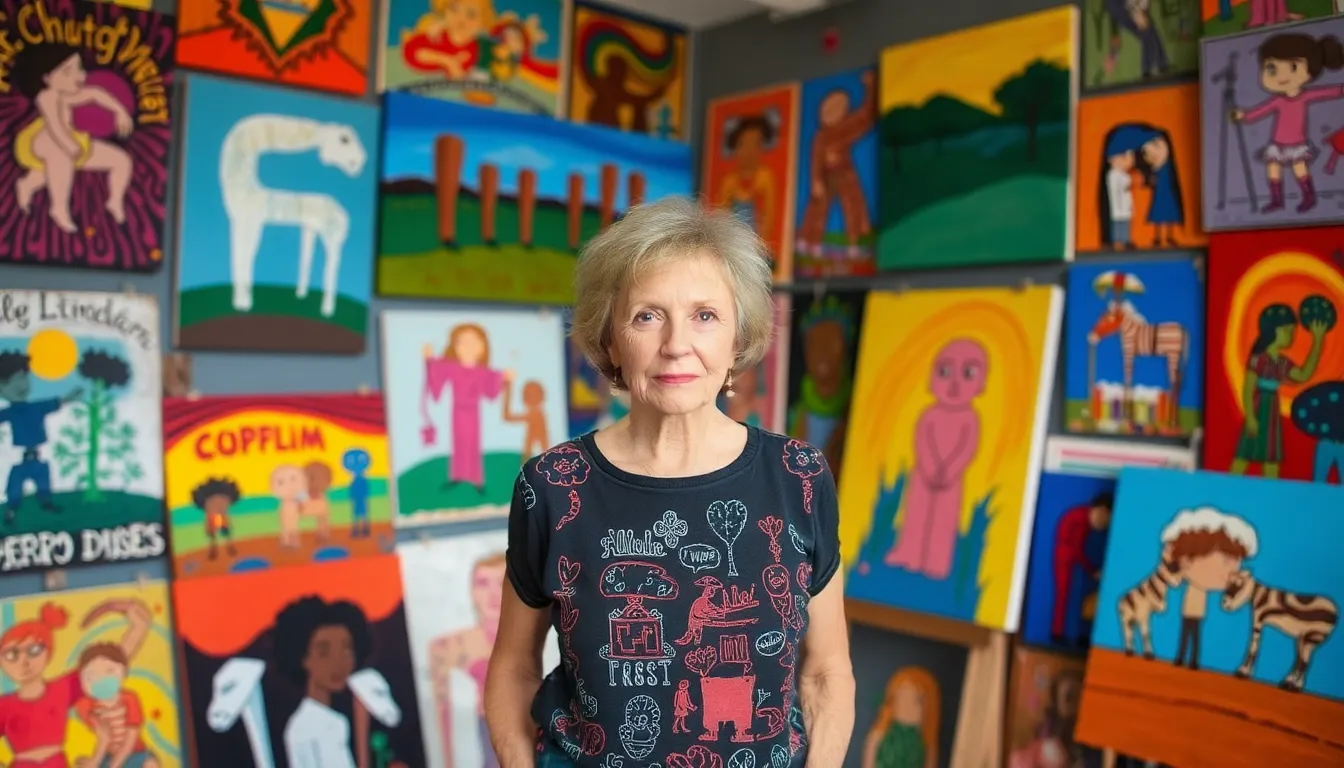
- Short-term impact: Increased visibility for emerging artists, leading to more diverse exhibitions.
- Mid-term impact: Potential shifts in gallery representation and collector interests.
- Opportunities: New collaborations and cross-disciplinary projects inspired by Wylie’s work.
- Risks: Oversaturation of similar styles may challenge individual artistic identities.
Regions with vibrant art scenes, particularly in urban centers, are likely to feel the effects of Wylie’s influence more acutely. As galleries and art fairs begin to showcase more experimental and unconventional works, the local economies may benefit from increased tourism and engagement in the arts. This can also lead to a broader cultural dialogue about the role of art in society.
A: Rose Wylie’s art is characterized by its vibrant colors and playful themes, often drawing inspiration from her life experiences and the world around her. A: Wylie’s age has provided her with a unique perspective, allowing her to challenge norms and express herself freely without the constraints often felt by younger artists. A: Throughout her career, Wylie has received numerous awards and accolades, including exhibitions in prestigious galleries and museums worldwide. A: Wylie has expressed a mix of admiration and critique towards the contemporary art scene, emphasizing the importance of authenticity and personal expression. A: Common themes in Wylie’s work include nature, memory, and the interplay between reality and imagination, often depicted through whimsical imagery.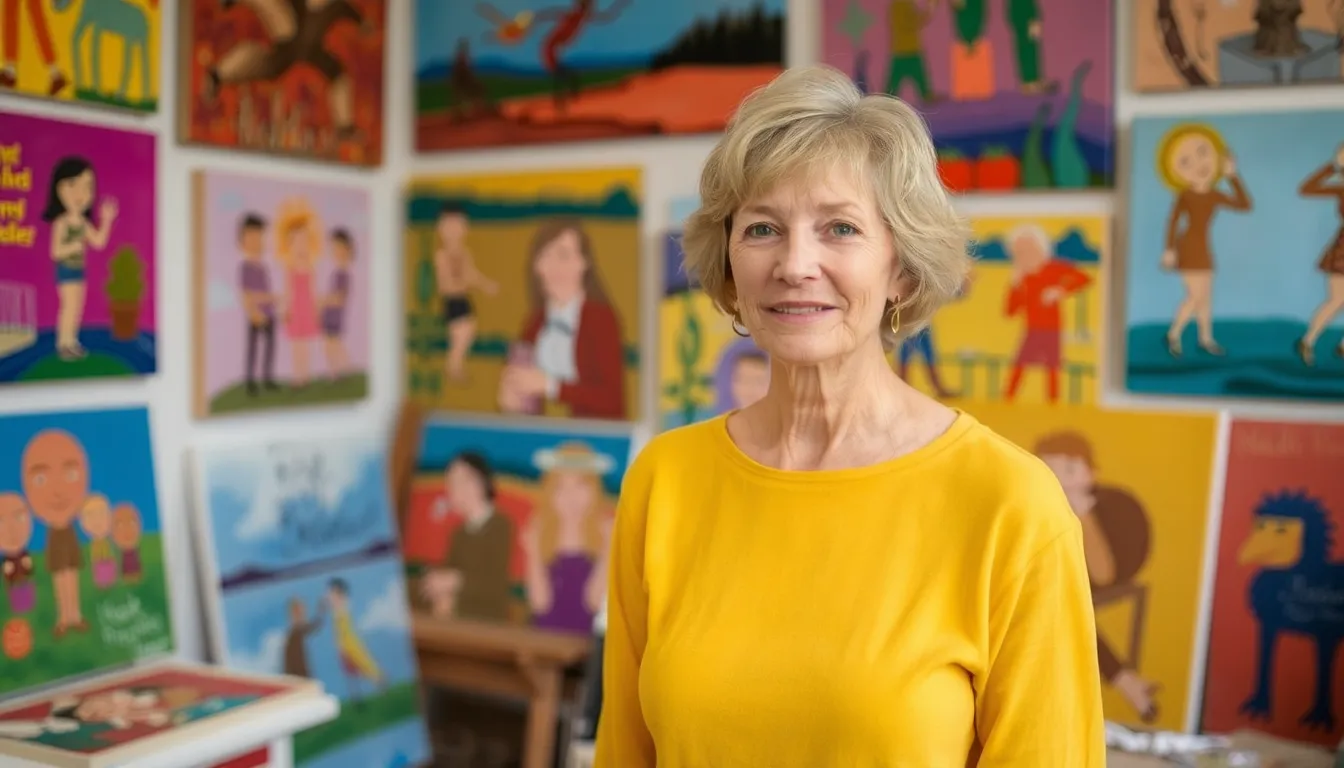
Frequently Asked Questions about Rose Wylie
Key takeaways and future outlook on Rose Wylie’s career
Rose Wylie’s journey as an artist illustrates the enduring power of creativity and the ability to challenge conventions, regardless of age. Her unique approach to painting, characterized by vibrant colors and an unfiltered perspective, invites viewers to reconsider the narratives surrounding contemporary art. As she continues to break barriers in the art world, Wylie’s work serves as a reminder that artistic expression knows no age limit and can flourish at any stage of life.
Looking ahead, Wylie’s influence may inspire a new generation of artists to embrace their individuality and push against traditional boundaries. Her success also highlights the importance of supporting and showcasing diverse voices in the art community, prompting galleries and institutions to broaden their representation of artists from various backgrounds and life experiences.
- Expect to see an increase in exhibitions featuring older artists, reflecting a broader acceptance of diverse narratives in the art world.
- Wylie’s style may inspire younger artists to experiment with bold colors and unconventional themes, leading to a shift in contemporary artistic expression.
- Art institutions might prioritize inclusivity, creating platforms for underrepresented artists, thereby enriching the cultural landscape.
- The conversation around age and creativity is likely to evolve, encouraging a more nuanced understanding of artistic development over time.