
Recently, a new project has been launched to preserve the history of these pioneering efforts. This initiative seeks to document the stories and contributions of Black student radio programs from that era, ensuring that their voices are not forgotten. By collecting archival materials, interviews, and recordings, the project aims to highlight the impact these students had on media representation and cultural discourse, as seen in similar efforts like the Communities Celebrate New Right to Buy Initiative.
The project is spearheaded by a coalition of historians, educators, and former student broadcasters, who recognize the importance of this history in today’s media landscape. As discussions around diversity and representation continue to evolve, the initiative serves as a reminder of the struggles faced by Black students in their fight for visibility and inclusion. This work is crucial not only for historical preservation but also for inspiring current and future generations of media creators.
As of October 2023, the project has already begun to attract attention from universities and cultural institutions, with plans for exhibitions and educational programs. By sharing these narratives, the project aims to foster a greater understanding of the role of Black students in shaping radio and media, ultimately contributing to a more inclusive historical record, similar to how Cape Verde embraces technology to combat brain drain.
The historical significance of Black voices in media
In the 1960s and 1970s, a pivotal movement emerged among Black students across the United States, demanding representation and a platform to express their unique perspectives on radio. This demand was not merely about having a voice; it was about reclaiming narratives that had long been marginalized or misrepresented in mainstream media. The civil rights movement, which sought to dismantle systemic racism and promote equality, served as a backdrop for these students’ efforts, highlighting the urgent need for diverse voices in media.
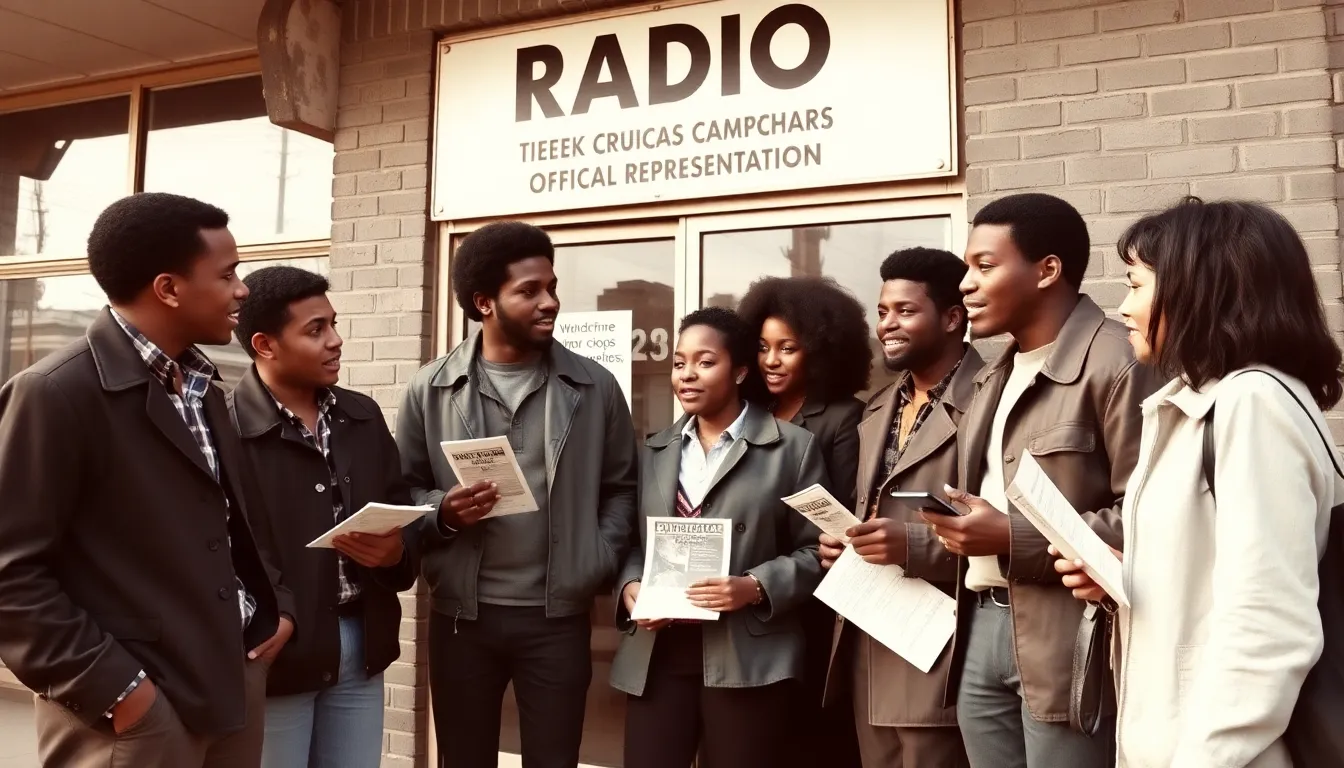
The struggle for representation in media was intertwined with broader socio-political changes. As the civil rights movement gained momentum, Black students recognized that media played a crucial role in shaping public opinion and cultural identity. Their push for inclusion in radio programming was a direct challenge to the status quo, which often excluded Black experiences and perspectives. This period saw the rise of community radio stations, which became vital platforms for Black voices, allowing students and activists to share their stories, music, and messages of empowerment.
Key milestones in the fight for representation
Several key milestones marked this fight for representation. In 1967, the Federal Communications Commission (FCC) began to address the lack of diversity in broadcasting, leading to initiatives aimed at increasing minority ownership of radio stations. This opened doors for Black entrepreneurs and activists to establish their own stations, creating spaces for authentic representation. Additionally, the formation of organizations like the National Black Media Coalition in 1979 further solidified the call for equitable access to media, advocating for policies that would ensure Black voices were not only heard but also respected.
The impact of these movements was profound, as they laid the groundwork for future generations of Black media professionals and activists. The legacy of the 60s and 70s continues to resonate today, reminding us of the importance of representation in all forms of media. As new projects emerge to document and preserve this rich history, they serve as a vital reminder of the struggles and triumphs that have shaped Black voices in radio, ensuring that these narratives are not lost to time, much like how Fnatic secures vital win to stay in LEC Spring playoff race highlights persistence in competition.
Key stakeholders and issues surrounding radio representation
The movement for Black students to have a voice on radio during the 60s and 70s was driven by several key stakeholders, each with distinct interests and motivations. At the forefront were the Black student organizations, which sought to amplify their cultural narratives and challenge the prevailing media portrayals that often marginalized their experiences. These organizations aimed to create platforms that would allow for authentic representation and dialogue within their communities.
Another crucial actor in this landscape was the educational institutions themselves, particularly universities and colleges. Many of these institutions were grappling with the broader civil rights movement and the demand for more inclusive curricula and representation. Their interests often conflicted with those of the students, as institutions worked to maintain control over media narratives while also facing pressure to be more inclusive.
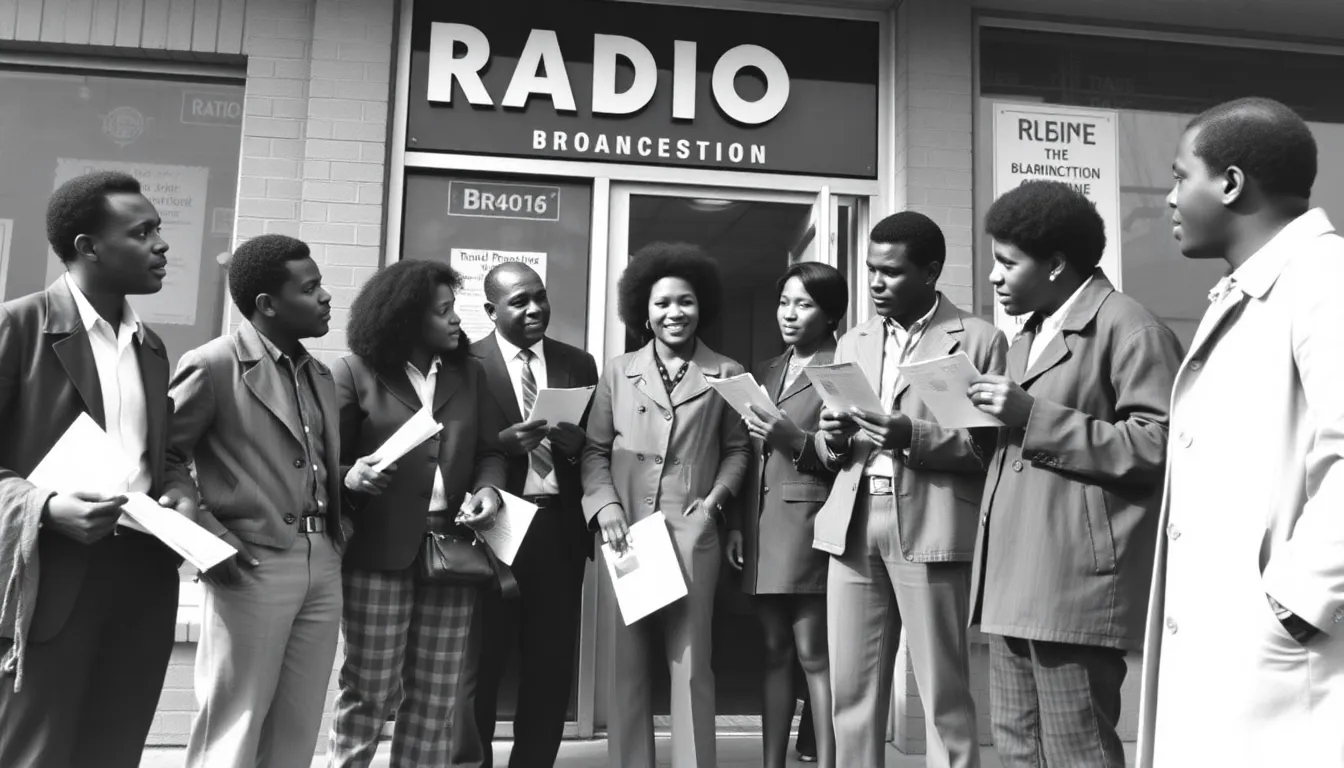
Government entities also played a significant role, particularly through regulations that governed broadcasting. The Federal Communications Commission (FCC) was tasked with ensuring fair access to the airwaves, yet its policies often fell short of addressing the specific needs of marginalized communities. This created a complex dynamic where the interests of government agencies, media corporations, and community voices often clashed.
- Conflict of Interests: Black student organizations sought representation, while educational institutions aimed to preserve their authority.
- Regulatory Challenges: The FCC’s policies often did not align with the needs of Black communities, leading to ongoing advocacy for change.
- Economic Barriers: Funding for community radio initiatives was limited, impacting the ability to sustain independent Black voices.
- Cultural Impact: The push for representation was not just about media access, but about reshaping cultural narratives and identity.
In recent years, projects aimed at preserving this history have emerged, highlighting the importance of documenting and celebrating the contributions of Black students in radio. These initiatives serve to educate new generations about the struggles and successes of their predecessors, ensuring that the fight for equitable representation continues to resonate today.
The impact of this movement on future generations
The movement initiated by Black students in the 60s and 70s to demand a voice on radio has far-reaching implications for various groups, industries, and communities. Primarily, it affects students, educators, media professionals, and cultural institutions that aim to promote diversity and inclusion in their programming and curricula.
In the short term, the revival of this historical narrative through new projects ensures that the contributions of Black students are recognized and celebrated. This can lead to increased engagement within educational institutions, as students gain access to resources that highlight their history and influence. Additionally, media outlets may experience a shift in audience dynamics, as more listeners seek content that reflects diverse perspectives.
Mid-term impacts may include changes in policy within educational and media sectors, as organizations recognize the importance of representation. Schools may adopt more inclusive curricula, while radio stations and other media platforms might implement policies that prioritize diverse voices. This can foster a more equitable environment for upcoming generations, allowing them to express their identities and stories freely.
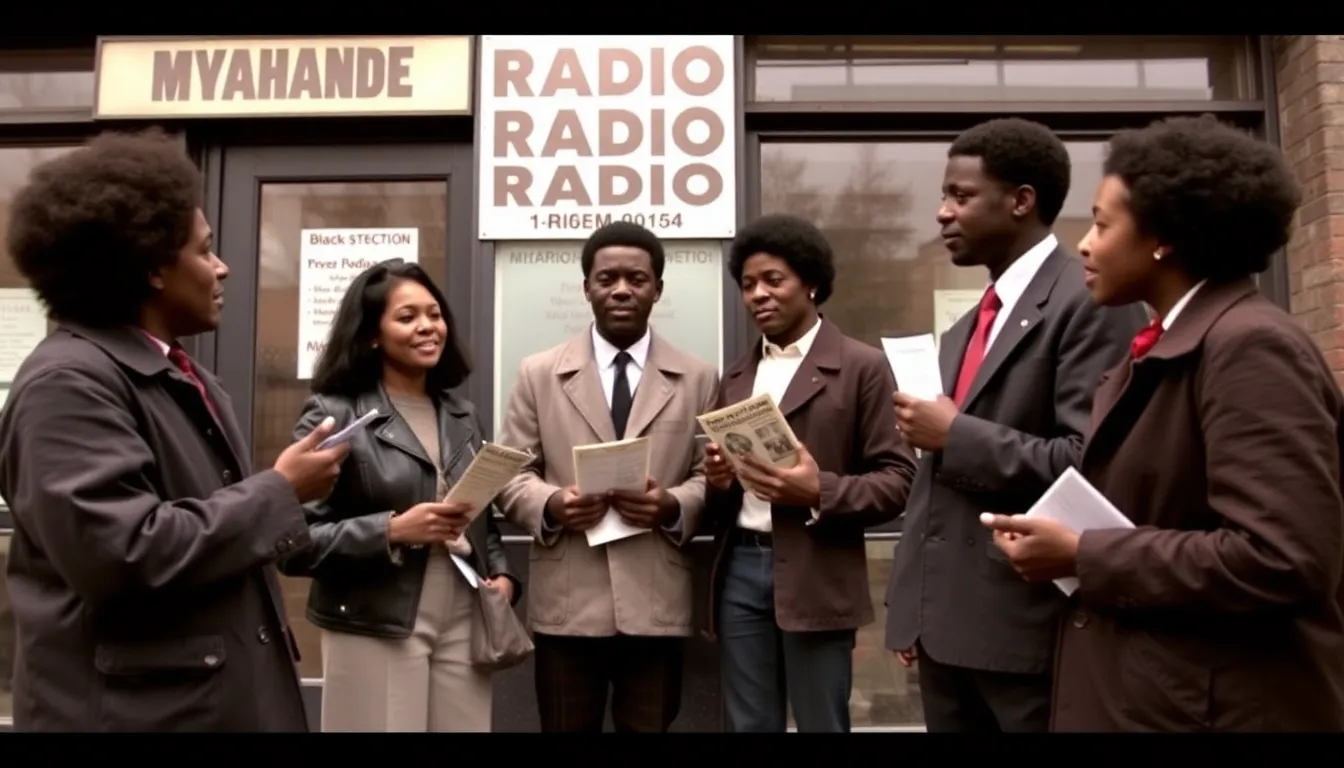
- Increased representation: More diverse voices in media and education.
- Policy changes: Institutional reforms promoting inclusivity.
- Community engagement: Strengthened connections within local and cultural communities.
However, there are risks associated with this movement. Resistance from traditional media and educational institutions may arise, leading to pushback against changes that threaten the status quo. Additionally, there is a potential for tokenism if diversity efforts are not implemented thoughtfully, which could undermine the movement’s goals.
On the flip side, this initiative presents significant opportunities for businesses and organizations that embrace diversity. Companies that actively support and promote inclusive practices may find themselves better positioned to connect with a broader audience, fostering loyalty and trust within diverse communities. This can ultimately lead to innovative ideas and growth in various sectors.
A: Radio served as a vital platform for Black students to express their views, share their culture, and advocate for civil rights during a time of significant social change. A: The new project aims to document and archive the voices and stories of Black students from that era, ensuring their contributions to radio history are not forgotten. A: Individuals can participate by sharing their own stories, volunteering for archival efforts, or supporting the project through donations. A: Black students often encountered systemic barriers, including discrimination and lack of access to media platforms, which made their fight for representation even more crucial. A: While there has been progress, challenges remain, and ongoing efforts are needed to ensure diverse voices are heard in mainstream media.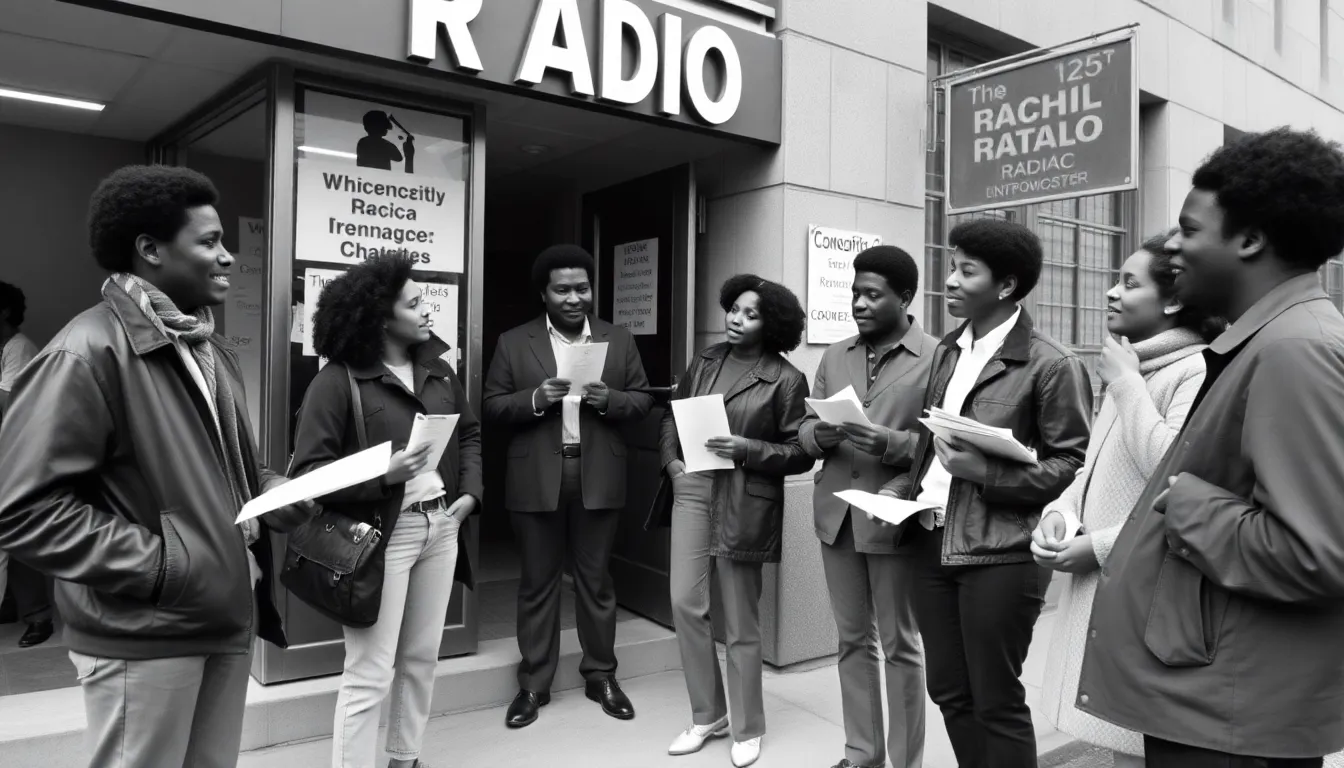
Frequently asked questions about Black students and radio
Looking ahead: preserving the legacy of Black radio voices
The movement for representation among Black students in the 60s and 70s marked a pivotal moment in media history, highlighting the importance of diverse voices in shaping cultural narratives. The new project dedicated to preserving these radio histories serves not only as a tribute to those who fought for their right to be heard but also as a crucial resource for future generations. By documenting these experiences, we ensure that the struggles and achievements of Black students are not forgotten, fostering a deeper understanding of their impact on contemporary media.
As we move forward, it is essential to recognize the ongoing relevance of these voices in today’s media landscape. The implications of this project extend beyond historical preservation; they invite a renewed commitment to inclusivity and representation in all forms of media. By engaging with this rich history, we can inspire current and future advocates for equity in broadcasting and beyond.
- Increased Awareness: Educators and students can utilize this project to understand the historical context of media representation.
- Community Engagement: Local communities can host discussions and events centered around the stories and contributions of Black radio voices.
- Media Literacy: The project can serve as a foundation for initiatives aimed at enhancing media literacy among young audiences.
- Inspiration for Future Activism: The documented struggles can motivate new generations to advocate for diverse representation in media.