
Although he received a suspended prison sentence, the ongoing legal battles raise questions about his ability to lead the conglomerate effectively. This uncertainty, reminiscent of the challenges faced in exploring family complexities, is further compounded by the need for strategic decision-making in an increasingly competitive global market.
As the younger generation is being groomed for future leadership roles, stakeholders are concerned about the implications of such transitions on Samsung’s operational stability and innovation trajectory. This situation mirrors the dynamic transitions seen in other large organizations, highlighting the significant impact decisions made in the coming months could have on the company’s direction.
This situation is critical not only for Samsung but also for South Korea’s economy, as the conglomerate plays a pivotal role in the nation’s industrial landscape. Investors are closely monitoring developments, as any missteps in the succession process could affect market confidence and Samsung’s global standing. The stakes are high as the company seeks to maintain its leadership position amidst evolving challenges.
The Historical Context of Samsung’s Leadership Challenges
Samsung, one of South Korea’s largest conglomerates, has long been at the center of a complex web of family dynasties, corporate governance issues, and political entanglements. The company was founded in 1938 by Lee Byung-chul, and over the decades, it evolved from a trading company into a global leader in technology and electronics. However, the transition of power within the Lee family has often been fraught with challenges, particularly as the company navigates the intricacies of South Korean corporate culture and politics.
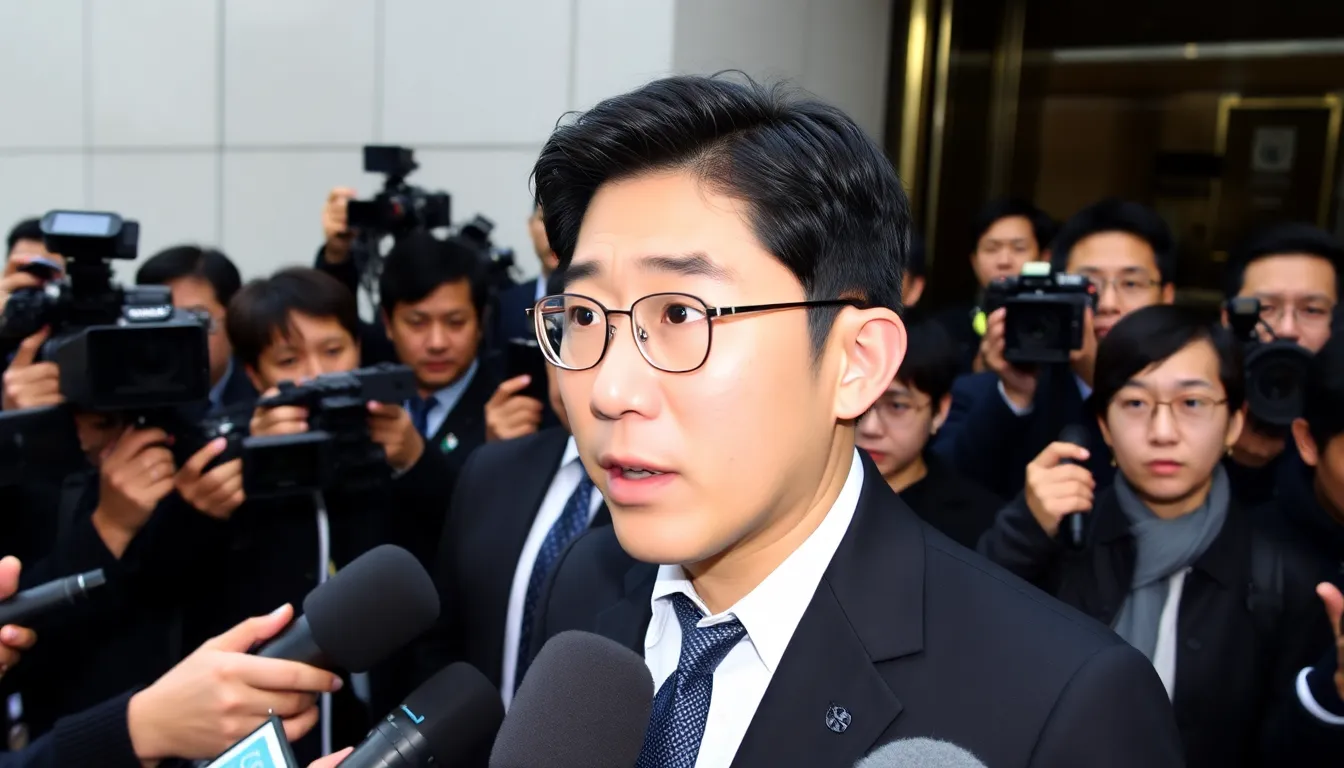
The subsequent leadership struggle has highlighted the tensions between traditional family control and the demands for modern corporate governance, as well as the need for transparency in a company that has been accused of fostering a culture of nepotism, similar to discussions surrounding corporate narratives in other sectors.
Key Milestones in Samsung’s Succession
One of the most significant milestones in this ongoing drama was the imprisonment of Lee Jae-Yong, the current vice chairman and heir apparent, in connection with a bribery scandal involving former South Korean President Park Geun-hye. His conviction in 2017 and the subsequent legal battles have not only stymied his ability to lead the company but have also raised concerns about the implications for Samsung’s global operations. This period of uncertainty has prompted discussions about the need for a more diversified leadership structure, as well as potential reforms in South Korea’s chaebols, or family-run conglomerates.
Moreover, the recent rise of younger executives and the increasing influence of institutional investors have added pressure on the Lee family to adapt to changing market dynamics. As Samsung grapples with the challenges of digital transformation and global competition, the question of who will ultimately steer the company into the future remains a critical issue, reflecting broader societal shifts within South Korea regarding corporate governance and accountability.
Key Stakeholders and Issues Surrounding the Succession
The complex succession drama at Samsung involves multiple stakeholders, each with their own interests and agendas. The primary actors include Lee Jae-Yong, the current Vice Chairman and heir apparent of Samsung; the Samsung Group, which encompasses numerous subsidiaries; and the South Korean government, which plays a crucial role in regulating corporate governance and economic policies.
Lee Jae-Yong, often referred to as Jay Y. Lee, seeks to solidify his leadership position within Samsung amidst ongoing legal challenges and public scrutiny. His interest lies in ensuring a smooth transition of power while managing the legacy of his father, the late Lee Kun-Hee, who significantly shaped Samsung’s global presence. The Samsung Group, as a conglomerate, has a vested interest in maintaining stability during this transition to avoid disruptions in its operations and market performance.
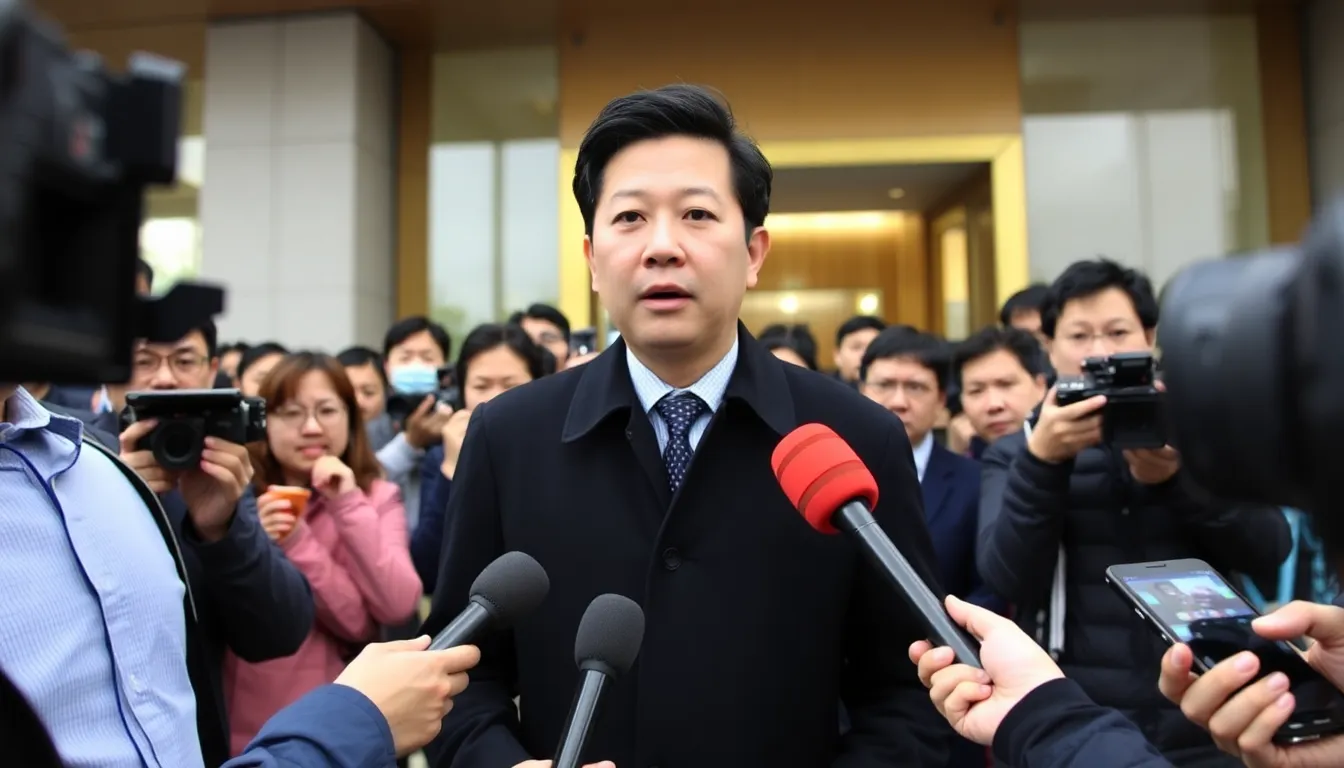
The South Korean government, meanwhile, is focused on the broader implications of corporate governance and economic stability. With Samsung being a key player in the national economy, the government is interested in how the succession plan will affect employment, innovation, and international competitiveness. This raises questions about regulatory frameworks and the potential for reforms in corporate governance in South Korea.
- Legal Challenges: Lee Jae-Yong faces ongoing legal issues stemming from past corruption scandals, which complicate his position as heir and leader.
- Public Perception: The public’s view of the Lee family’s legacy and their role in corporate governance may influence consumer trust and brand loyalty.
- Economic Impact: Samsung’s performance directly affects the South Korean economy, making the succession a matter of national interest.
- Corporate Governance Reforms: The situation has sparked discussions about the need for reforms in corporate governance practices in South Korea.
- International Relations: Samsung’s global operations mean that the succession could have implications for international trade and relations.
These intersecting interests create a complex landscape where conflicts and trade-offs are inevitable. The resolution of these issues will not only shape the future of Samsung but also have lasting implications for the South Korean economy and corporate governance practices in the region.
Potential Impact on Samsung and Its Market Position
The ongoing succession drama at Samsung is set to reverberate through various sectors, affecting not only the company itself but also its stakeholders, competitors, and the broader technology market. The uncertainty surrounding leadership transitions can create volatility, impacting investor confidence and market stability.
Key groups affected include Samsung employees, shareholders, and suppliers, as well as consumers who rely on Samsung products. In the short term, the company may experience disruptions in its operations, leading to delays in product launches and potential revenue losses. Employees may face uncertainty regarding job security and company direction, while shareholders could see fluctuations in stock prices as the market reacts to news surrounding the succession.
In the mid-term, the implications of this succession drama could reshape Samsung’s strategic initiatives. Depending on the outcome, we may witness shifts in investment priorities, with potential impacts on R&D and innovation. This could either hinder Samsung’s competitive edge or create opportunities for new ventures and partnerships.
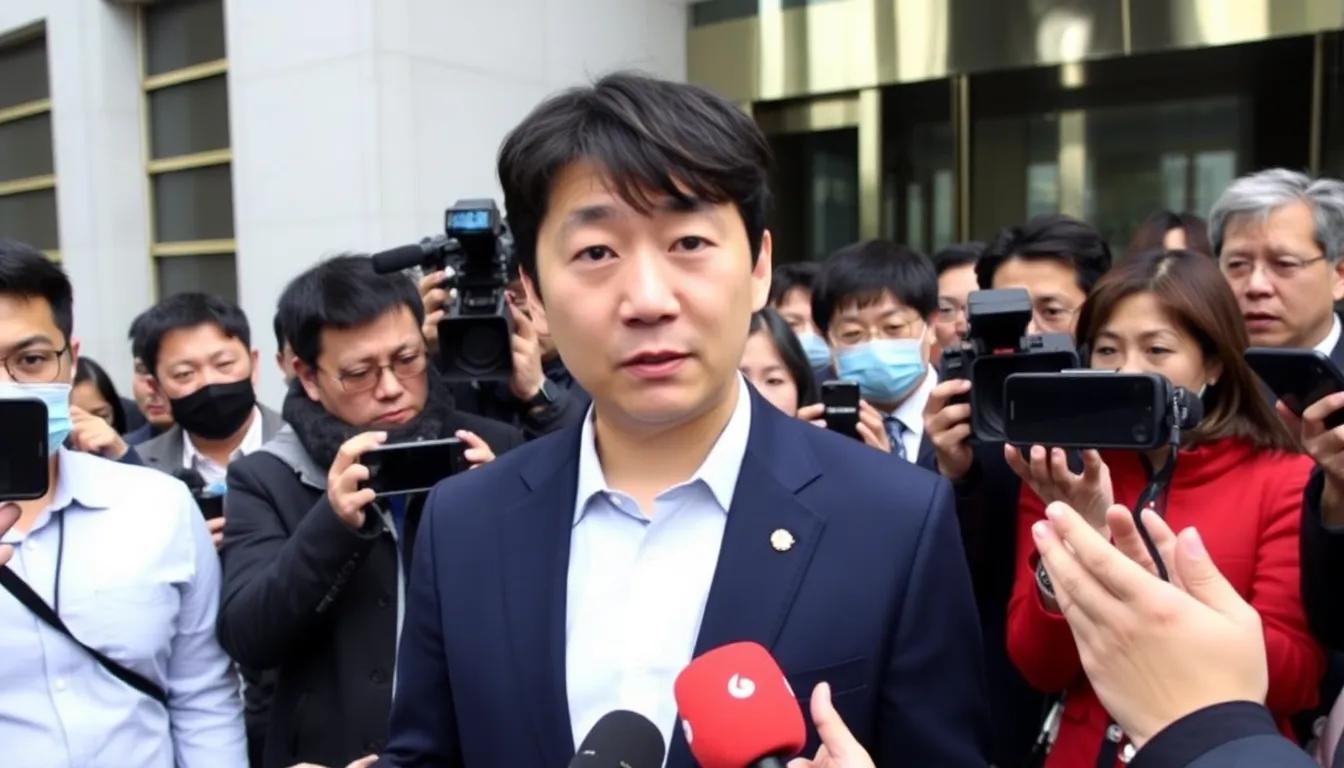
- Risks: Market instability, reduced consumer confidence, and operational disruptions.
- Opportunities: Potential for new leadership to drive innovation, explore new markets, and strengthen partnerships.
Regions heavily reliant on Samsung’s supply chain, such as South Korea and Southeast Asia, may also feel the effects. Local economies could experience fluctuations in employment and investment levels, depending on how Samsung navigates this leadership transition. Overall, the outcome of this succession drama will have far-reaching implications across various sectors and geographies.
A: The drama stems from the complexities of leadership transitions within Samsung, particularly involving the son of the former leader and the legal troubles of a key tycoon. A: The main figures include the overlooked son of the former chairman and the jailed tycoon, who has significant influence over the company’s direction. A: The ongoing succession drama is creating uncertainty within Samsung, potentially impacting decision-making and investor confidence. A: The implications could range from shifts in corporate strategy to changes in market dynamics, depending on how the succession issue is resolved. A: While no specific timeline has been established, industry experts suggest that resolution is critical for Samsung’s stability and growth.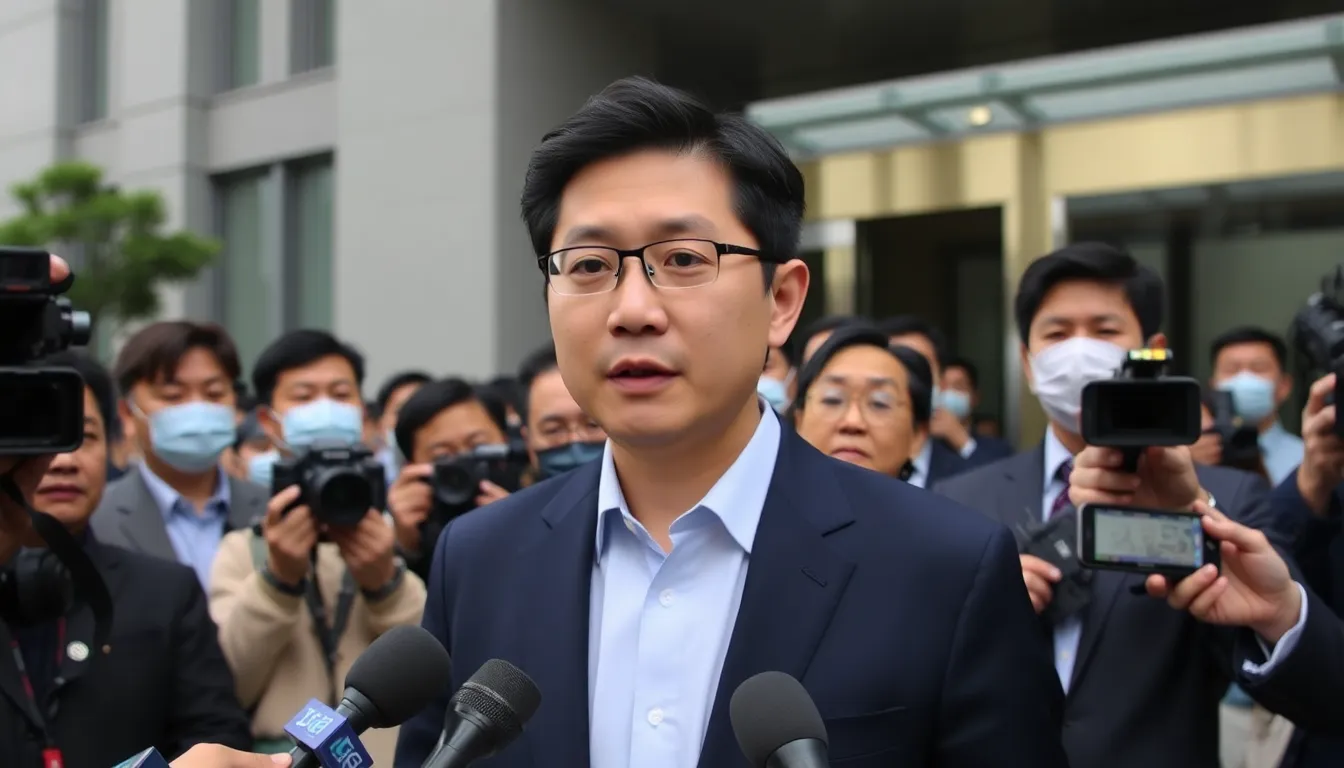
Frequently Asked Questions About Samsung’s Succession
Key Insights and Future Outlook on Samsung’s Leadership
The ongoing succession drama within Samsung highlights significant challenges and opportunities for the conglomerate as it navigates leadership transitions amid complex family dynamics. The overlooked son, Lee Jae-myung, and the implications of his father’s imprisonment raise questions about the future direction of one of the world’s largest technology firms. As Samsung strives to maintain its competitive edge, the leadership strategy will be crucial in shaping its response to market demands and shareholder expectations.
Investors and analysts will be closely watching how Samsung adapts to this evolving landscape. The potential for new leadership to bring fresh perspectives and innovative strategies is tempered by the need for stability and continuity in a rapidly changing global market. The outcome of this succession saga could redefine Samsung’s corporate governance and strategic priorities for years to come.
- Monitor the impact of leadership changes on Samsung’s strategic initiatives and market performance.
- Watch for potential shifts in corporate governance practices as the company seeks to address shareholder concerns.
- Consider how external market pressures, such as competition and technological advancements, may influence the new leadership’s decisions.
- Evaluate the role of family dynamics in shaping the future of Samsung and its ability to innovate.