
The Cuban government has attempted to adapt to the circumstances by promoting local tourism and encouraging domestic travel. However, foreign visitors still play a crucial role in the island’s economy, accounting for a significant portion of revenue. According to the Cuban Ministry of Tourism, approximately 1.5 million tourists visited the island in 2022, a number that is slowly recovering but still far below pre-pandemic levels. For more on how tourism trends impact economies, you can check out this article.
Furthermore, the ongoing oil blockade has led to fuel shortages, causing disruptions in transportation and limiting the availability of services that tourists rely on. The situation is exacerbated by the global rise in oil prices and the lingering effects of the COVID-19 pandemic, which have strained resources even further. As a result, many potential travelers are reconsidering their plans to visit Cuba, impacting the overall tourism outlook, as discussed in a related piece.
Despite these challenges, some intrepid travelers are still drawn to Cuba’s rich culture and historical landmarks. The government is hopeful that as international travel restrictions ease and global tourism rebounds, more visitors will return to the island. However, the long-term effects of the oil blockade and the need for economic reforms remain pressing issues that will influence the future of Cuba’s tourism industry.
Understanding the historical backdrop of the oil blockade
The ongoing oil blockade against Cuba has its roots in a complex interplay of historical, political, and economic factors that date back to the mid-20th century. Following the Cuban Revolution in 1959, Fidel Castro’s government established a socialist state, leading to the nationalization of industries, including oil. This shift alarmed the United States, which had significant economic interests in Cuba. In response, the U.S. imposed a trade embargo in 1960, which has evolved over the decades into a comprehensive blockade aimed at crippling the Cuban economy.
Under President Donald Trump, the blockade was intensified with a series of sanctions targeting the Cuban oil sector. The administration’s rationale was to pressure the Cuban government to abandon its support for regimes in Venezuela and Nicaragua, which the U.S. deemed as threats to regional stability. These measures not only restricted Cuba’s access to oil imports but also curtailed its ability to export goods, exacerbating the already dire economic situation on the island.
The impact on tourism
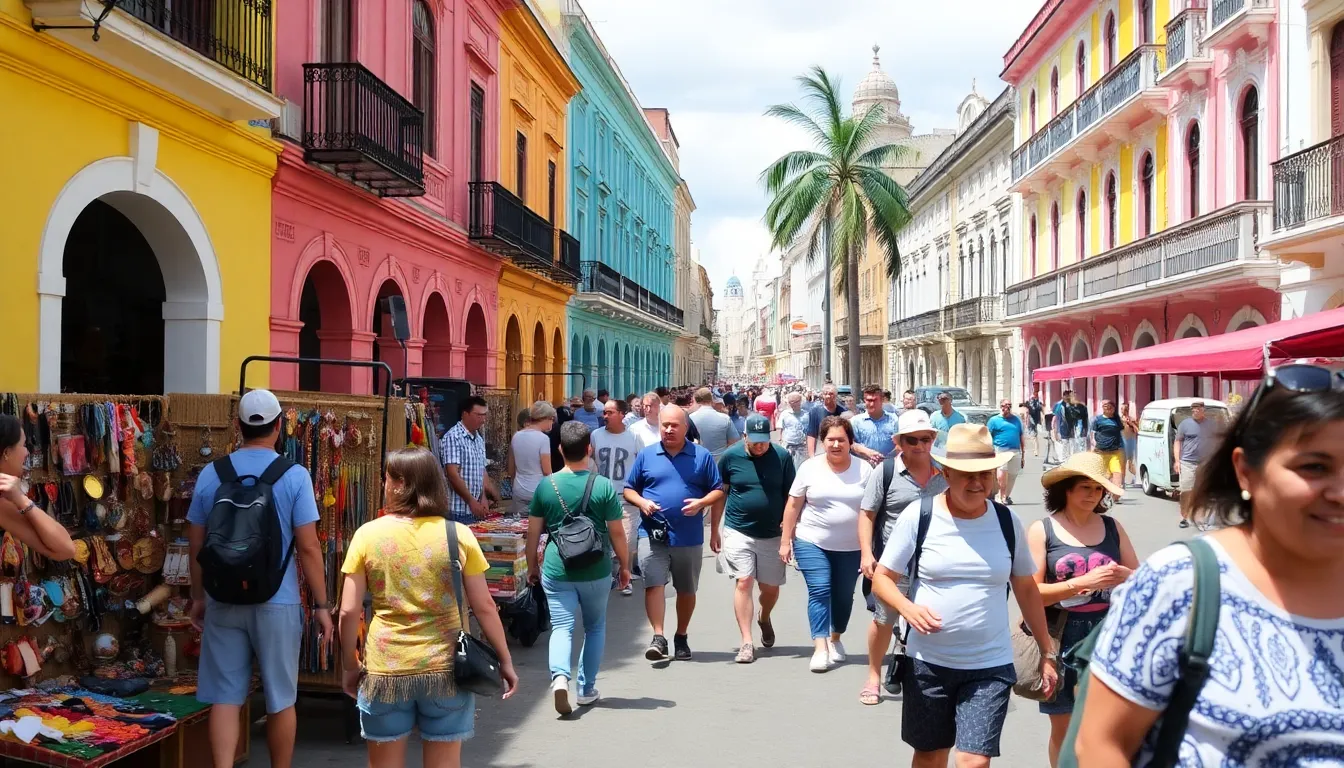
Despite the blockade, Cuba has traditionally been a popular destination for tourists, drawn by its rich culture, history, and natural beauty. However, the tightening of the oil blockade has led to fuel shortages, affecting transportation and limiting the movement of tourists within the country. The COVID-19 pandemic further complicated matters, causing a significant drop in tourism revenues, which are crucial for the Cuban economy. As restrictions ease, a small trickle of intrepid tourists has begun to return. For insights on how such economic conditions shape tourism, you can read more about it here.
The historical context of U.S.-Cuba relations is essential to understanding the current situation. Various administrations have fluctuated between engagement and isolation, with Trump’s policies marking a return to a more hardline stance. The blockade’s legacy continues to shape Cuba’s economic landscape, influencing everything from daily life to international relations, and posing challenges for the island’s recovery and growth in the tourism sector.
Key stakeholders and the implications of the blockade on tourism
The ongoing oil blockade imposed by the Trump administration has created a complex landscape for stakeholders involved in Cuba’s tourism sector. Key actors include the U.S. government, the Cuban government, international tourism agencies, and private businesses within Cuba that rely heavily on foreign visitors. Each of these stakeholders has distinct interests that shape their responses to the blockade.
The U.S. government, under the premise of promoting democracy and human rights, aims to limit Cuba’s economic resources, particularly in sectors such as tourism that could bolster the regime. This has led to a reduction in the number of American tourists traveling to Cuba, which has historically been a vital source of revenue for the island. The restrictions have intensified since the blockade was enacted, affecting not only tourism but also broader economic development.
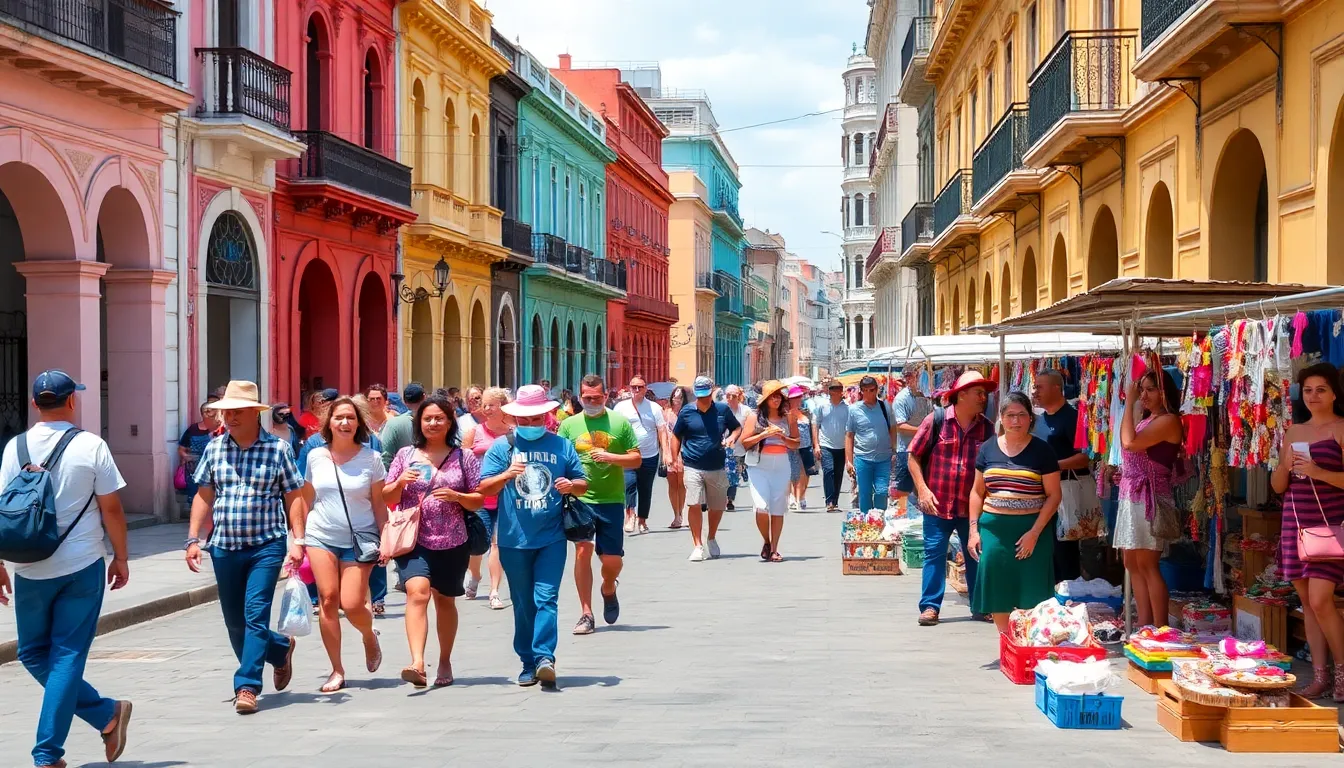
The Cuban government, on the other hand, seeks to attract international tourists to mitigate the economic impacts of the blockade. With traditional markets like the U.S. restricted, Cuba has turned to other nations, particularly in Europe and Canada, to sustain its tourism industry. However, the limited influx of visitors has resulted in significant economic challenges, including job losses and reduced foreign exchange earnings.
- Tourism Dependency: Cuba’s economy is heavily reliant on tourism, making it vulnerable to external pressures.
- Economic Trade-offs: The blockade forces Cuba to seek alternative markets, which may not be as lucrative as the American tourist base.
- Legal Challenges: U.S. laws regarding the blockade complicate international business agreements and tourism operations.
- Public Sentiment: Both U.S. and Cuban citizens may have differing views on the blockade’s impact, influencing future policy decisions.
- Environmental Concerns: Increased tourism from non-U.S. sources may lead to environmental degradation, raising sustainability issues.
As these stakeholders navigate the implications of the blockade, the tensions between economic interests and political ideologies continue to shape the future of Cuba’s tourism landscape. The interplay between these factors underscores the challenges and opportunities that lie ahead for the island nation in attracting visitors amidst ongoing geopolitical strife.
How the blockade is affecting local communities and economies
The ongoing oil blockade imposed by the Trump administration has created significant challenges for various groups in Cuba, particularly local communities and industries reliant on tourism and energy. As the restrictions continue, the ripple effects are felt across the economy, impacting both daily life and long-term growth prospects.
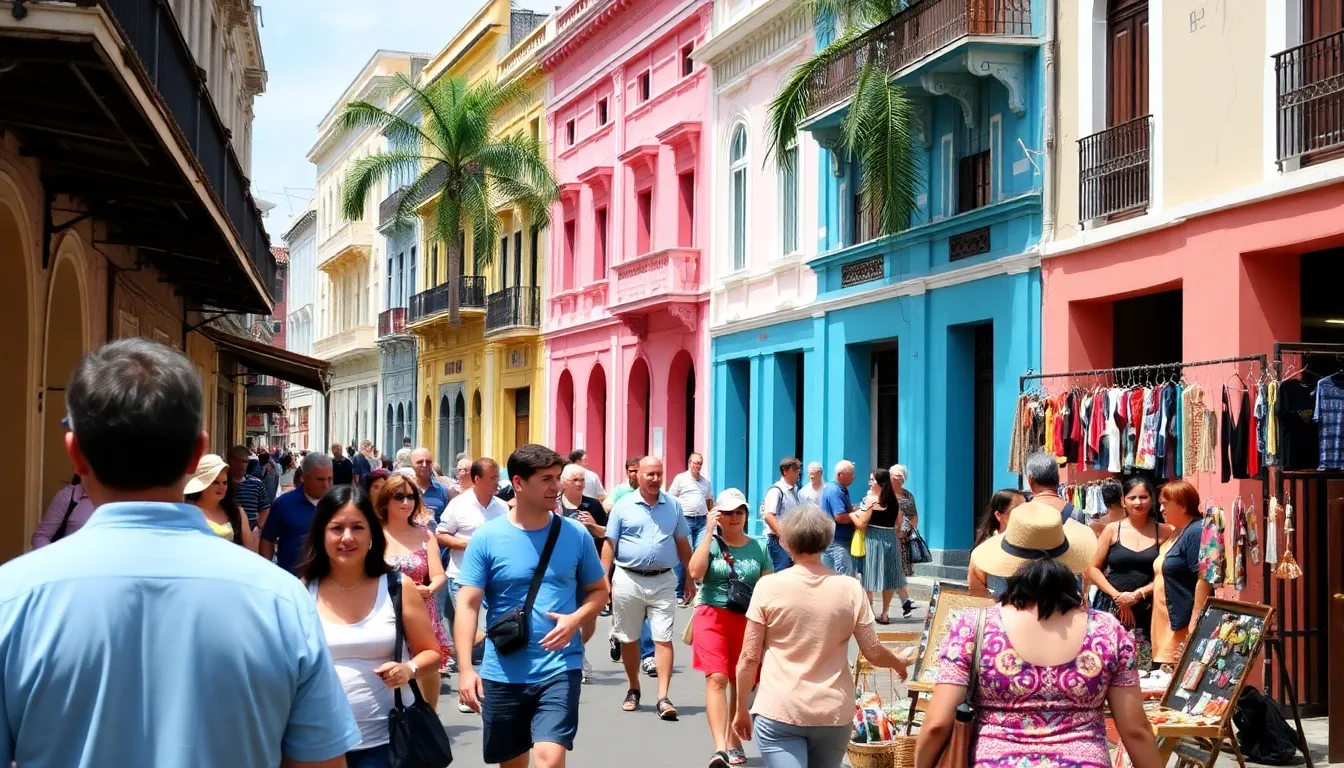
Tourism, a critical sector for Cuba’s economy, has seen a slight influx of intrepid tourists despite the blockade. These visitors, often adventurous and willing to navigate the complexities of travel restrictions, provide a lifeline for local businesses such as restaurants, hotels, and tour operators. However, the overall number of tourists remains significantly lower than pre-blockade levels, limiting the potential for economic recovery.
In the short term, communities are adapting to the reduced flow of resources and visitors. Many small businesses are relying on local clients or diversifying their offerings to survive. The blockade also poses risks, as the lack of access to essential goods and services can lead to increased prices and scarcity, affecting daily life for residents.
- Increased scarcity of goods: Essential items are harder to obtain, leading to higher prices and limited availability.
- Business adaptation: Local businesses are finding creative ways to attract limited tourists, though this often comes with financial strain.
- Potential for innovation: The need to adapt may encourage local entrepreneurs to develop new services or products, fostering resilience.
In the mid-term, the blockade could force policy changes as the Cuban government seeks to navigate the economic challenges. This may lead to a greater emphasis on self-sufficiency and local production, potentially reshaping the economic landscape. However, the risks of increased poverty and social unrest remain, as communities struggle to cope with the ongoing restrictions.
A: Tourism in Cuba is slowly recovering, with a trickle of adventurous travelers visiting despite the restrictions imposed by the oil blockade. A: The oil blockade has made travel more complicated, leading to higher costs and limited resources for tourists and the local tourism industry. A: Yes, many popular attractions such as Havana’s historic sites and natural parks remain accessible to tourists, though some services may be limited. A: Tourists should be aware of potential shortages in supplies and plan accordingly, including bringing necessary items with them. A: Local businesses are adapting by diversifying their services and focusing on domestic tourism to sustain their operations during challenging times.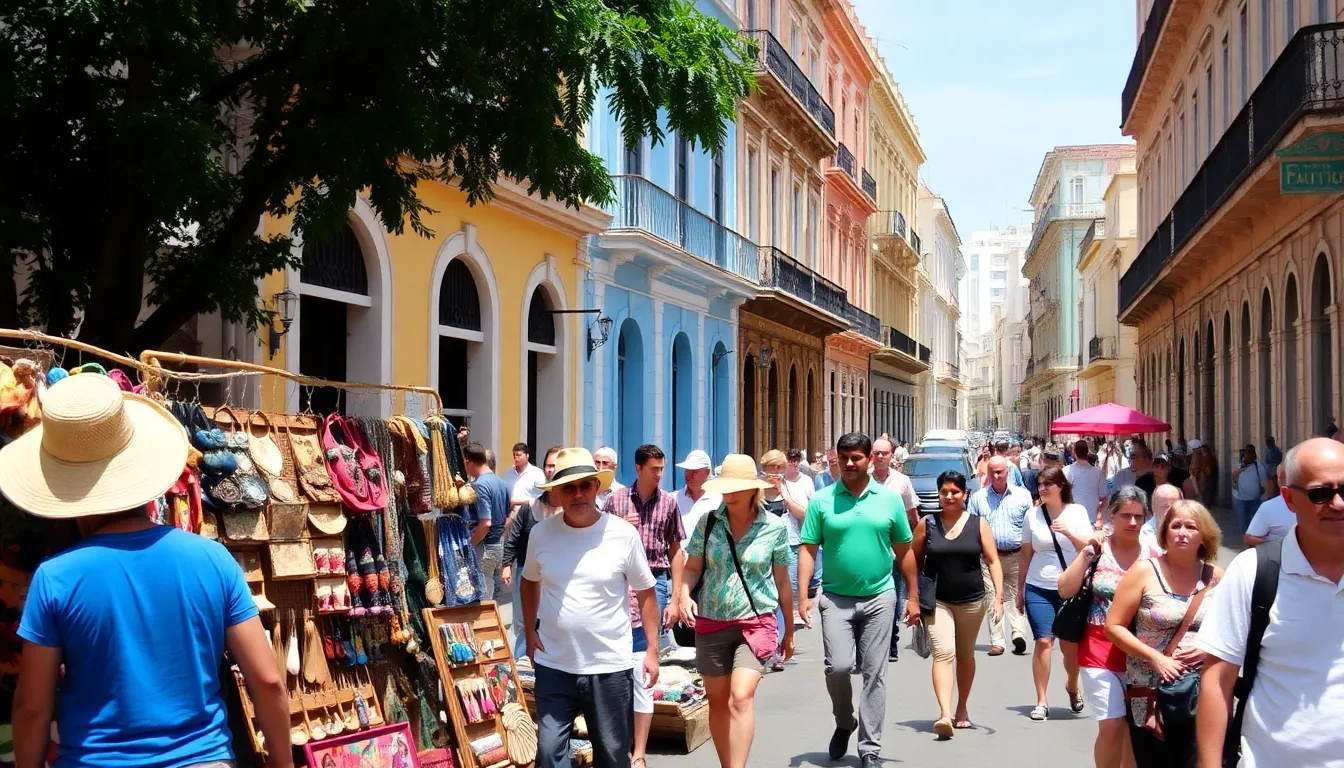
Frequently asked questions about tourism in Cuba
Future outlook for tourism in Cuba amidst ongoing challenges
The trickle of tourists arriving in Cuba highlights both the resilience of the island’s appeal and the significant hurdles it faces due to ongoing geopolitical tensions. As the U.S. maintains its oil blockade, the implications for the tourism sector are profound, affecting not only the economy but also the broader social landscape of the nation. The current situation presents a unique opportunity for Cuba to adapt its tourism strategies and diversify its offerings to attract a more adventurous clientele.
Looking ahead, the ability of Cuba to navigate these challenges will be crucial. The tourism industry may need to pivot towards sustainable practices and niche markets, such as eco-tourism and cultural experiences, to remain viable. Observing how Cuba capitalizes on its rich cultural heritage and natural beauty while addressing logistical and economic constraints will be key in determining its future in the global tourism arena.
- Watch for increased efforts to promote eco-tourism and cultural experiences as Cuba seeks to attract niche markets.
- Monitor the response of the Cuban government to the ongoing blockade and how it impacts tourism policies.
- Keep an eye on the evolving relationship between Cuba and other countries that may influence tourism dynamics.
- Consider the potential for domestic tourism growth as locals seek to explore their own country amidst international constraints.
- Evaluate the impact of changing travel trends and preferences on Cuba’s tourism strategies moving forward.