
The U.S. Army’s sponsorship of esports events is part of a broader strategy to engage with younger audiences, especially those who are passionate about gaming. This initiative aligns with the Army’s ongoing recruitment efforts, as they seek to connect with potential recruits in environments where they feel comfortable and engaged. However, this approach has sparked significant debate among various stakeholders, including parents, educators, and advocacy groups.
Critics argue that the Army’s presence at gaming events like LVL UP EXPO could normalize military recruitment among impressionable youth, a concern echoed by many who follow the ethical implications of military involvement in youth culture.
In response to these concerns, some organizations and activists have called for greater transparency regarding sponsorships in esports, emphasizing the importance of prioritizing participant well-being and addressing military engagement’s implications at events like LVL UP EXPO.
Exploring the Background of Esports and Military Sponsorship
The intersection of esports and military sponsorship has become an increasingly controversial topic in recent years. As competitive gaming has surged in popularity, various organizations have sought to capitalize on its vast audience. The U.S. Army, in particular, has recognized the potential of esports as a platform for recruitment and outreach, leading to partnerships with events like LVL UP EXPO. This sponsorship raises questions about the ethical implications of military involvement in youth-oriented entertainment.
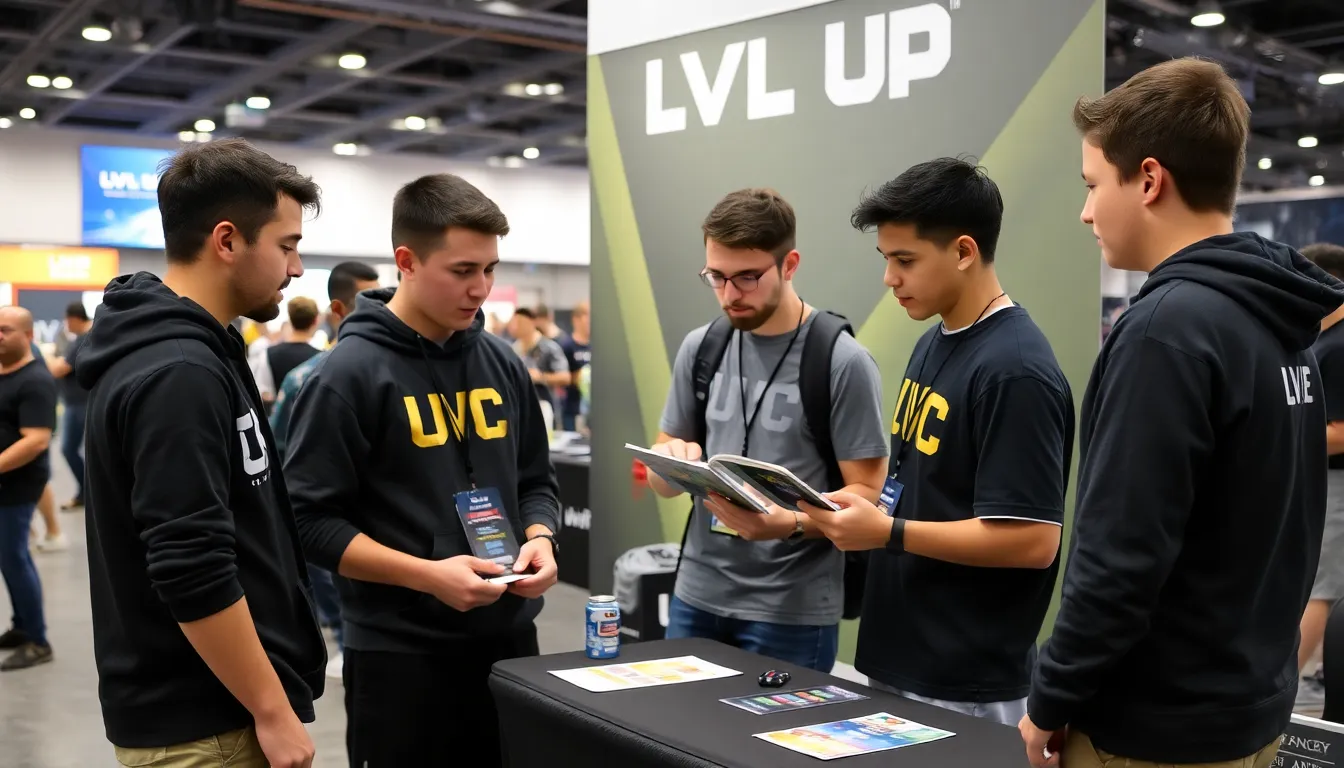
Historically, the military has engaged in various forms of sponsorship and outreach to connect with younger demographics. From traditional sports to music festivals, the goal has often been to create a positive image and attract potential recruits. However, the rise of esports represents a new frontier, where the lines between entertainment and recruitment blur. The Army’s involvement in esports is not merely a marketing strategy; it reflects a broader trend in which military organizations seek to adapt to changing cultural landscapes.
The Evolution of Military Sponsorship in Entertainment
The military’s engagement with entertainment is not a recent phenomenon. In the 20th century, military branches began sponsoring sports teams and events to foster community relations and promote a sense of patriotism. As media consumption evolved, so too did the methods of engagement. The advent of video games and online streaming has created unique opportunities for military sponsorships, particularly in a space where younger audiences are increasingly engaged.
Key milestones in this evolution include the establishment of esports leagues and tournaments that attract millions of viewers globally. Events such as the Overwatch League and League of Legends Championship Series have drawn significant attention, making them appealing venues for military sponsorship. The U.S. Army’s partnership with LVL UP EXPO is a continuation of this trend, indicating that military entities are willing to invest in platforms that resonate with the youth, despite the potential backlash from various advocacy groups.
As public awareness of military sponsorship in esports grows, so does the scrutiny surrounding it. Critics argue that leveraging gaming as a recruitment tool exploits the vulnerabilities of young gamers, who may be drawn to the excitement of competitive gaming without fully understanding the implications of military service. This ongoing debate highlights the need for transparency and ethical considerations in the sponsorship landscape, especially as it pertains to the impressionable youth demographic that esports attracts.
Analyzing Stakeholders and Key Issues in the Sponsorship Debate
The sponsorship of LVL UP EXPO by the U.S. Army brings together a diverse array of stakeholders, including advocacy groups that are particularly vocal in this debate, raising concerns about the ethical implications of military involvement in youth-oriented entertainment.
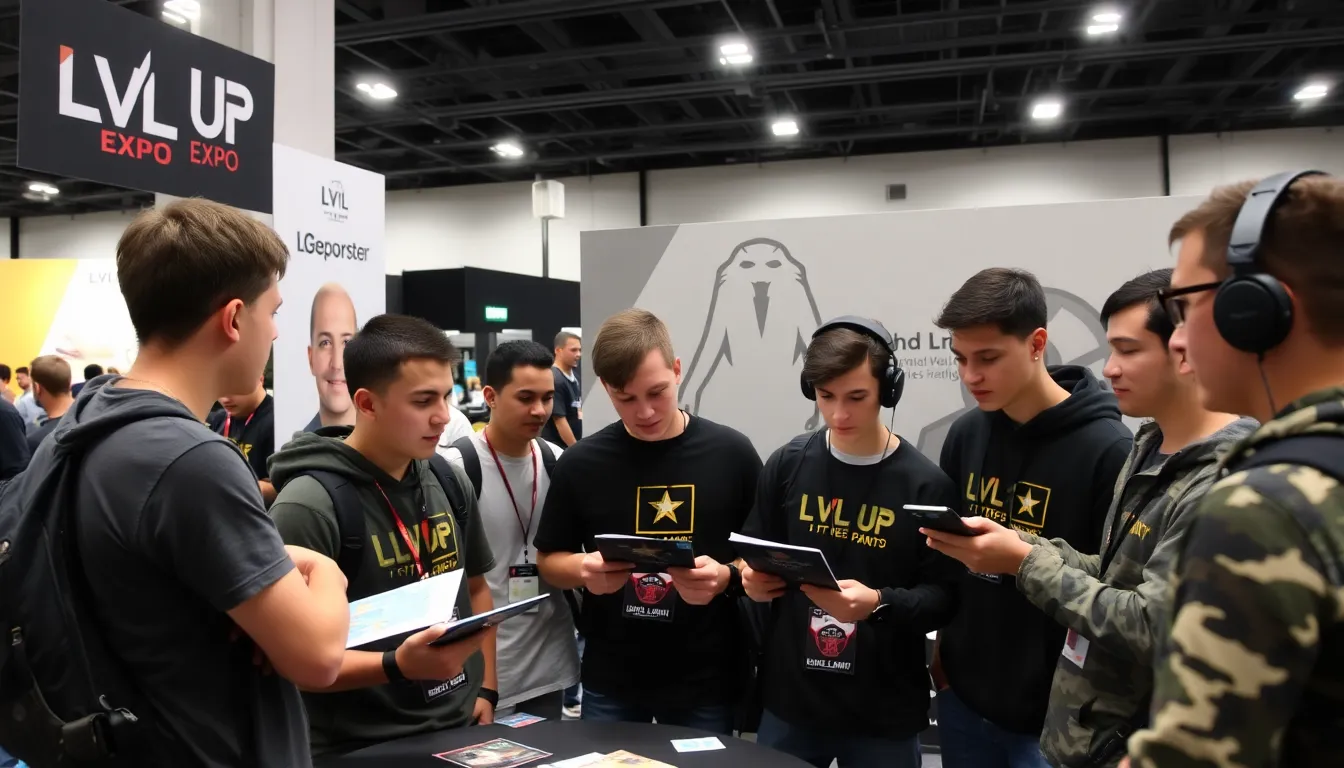
The U.S. Army aims to enhance its recruitment efforts by engaging with younger audiences through popular platforms like esports. This strategy reflects a broader trend of military organizations seeking innovative ways to connect with potential recruits. In contrast, the esports community, including players and fans, often prioritizes inclusivity and the promotion of healthy gaming environments, which may conflict with military sponsorships.
Advocacy groups are particularly vocal in this debate, raising concerns about the ethical implications of military involvement in youth-oriented entertainment. They argue that such sponsorships could glamorize military life and potentially lead to increased recruitment of vulnerable populations. This tension highlights a significant conflict between the interests of the military and the values upheld by many in the gaming community.
Legal and economic issues also play a significant role in this discourse. The sponsorship raises questions about the appropriateness of military funding in civilian entertainment sectors, as well as the potential for economic benefits versus ethical considerations. Stakeholders must navigate these complex dynamics, weighing the financial support provided by military sponsorship against the potential backlash from gamers and advocacy groups.
- Recruitment Goals: The U.S. Army seeks to attract new recruits through esports.
- Community Values: Gamers advocate for inclusivity and ethical sponsorships.
- Advocacy Concerns: Groups warn against the potential glamorization of military life.
- Legal Considerations: The appropriateness of military funding in civilian sectors is debated.
- Economic Trade-offs: Balancing financial support with community backlash is crucial.
Assessing the Impact on Gamers and the Esports Market
The sponsorship of LVL UP EXPO by the U.S. Army brings significant implications for various stakeholders in the gaming and esports ecosystem. Primarily, this affects gamers, esports organizations, and the broader gaming community, which includes developers, publishers, and content creators. The presence of a military entity in the gaming space raises questions about the motivations behind such sponsorships and the messages conveyed to younger audiences.
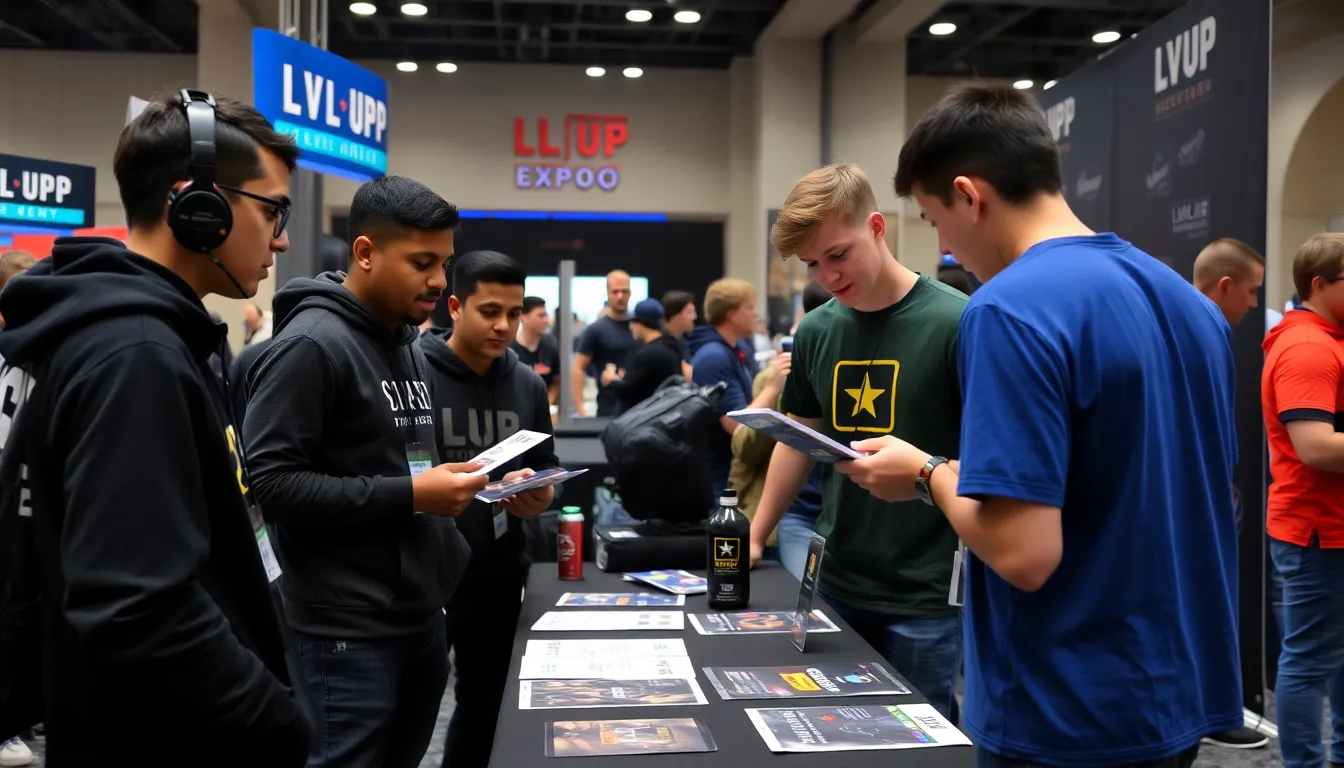
In the short term, gamers may experience an influx of events and activities sponsored by the U.S. Army, potentially leading to increased engagement and participation in esports. This could translate to higher attendance at tournaments and conventions, boosting local economies in regions hosting these events. However, the association with a military sponsor may also deter some gamers who oppose militarization in gaming, leading to a divided community.
Mid-term impacts could manifest in shifts in policy and public perception regarding sponsorships in esports. There may be increased scrutiny on how corporate sponsorships align with community values, particularly concerning youth engagement. Additionally, esports organizations might face pressure to evaluate their sponsorship choices more critically, balancing financial support against ethical considerations.
- Risks: Potential backlash from gamers and advocacy groups against military sponsorships.
- Opportunities: New revenue streams for esports events and increased visibility for the gaming industry.
- Risks: Possible alienation of certain demographics within the gaming community.
- Opportunities: Enhanced partnerships between esports organizations and educational programs promoting STEM and career pathways.
Overall, while the sponsorship of LVL UP EXPO by the U.S. Army may present new opportunities for growth and engagement within the esports market, it also raises critical discussions about the ethical implications of such partnerships and their long-term effects on gamers and the industry as a whole.
A: LVL UP EXPO is an esports event that features various gaming competitions and activities, attracting gamers and fans from around the world. A: The U.S. Army sponsors events like LVL UP EXPO to engage with younger audiences, promote their brand, and highlight career opportunities within the military. A: Concerns include the potential for promoting militarism among youth, ethical implications of military recruitment tactics, and the impact on the gaming community’s values. A: Reactions are mixed, with some supporting the sponsorship for its funding benefits, while others criticize it for ethical reasons and potential exploitation. A: Long-term effects could include changing perceptions of gaming events, increased scrutiny on sponsorships, and potential shifts in audience demographics.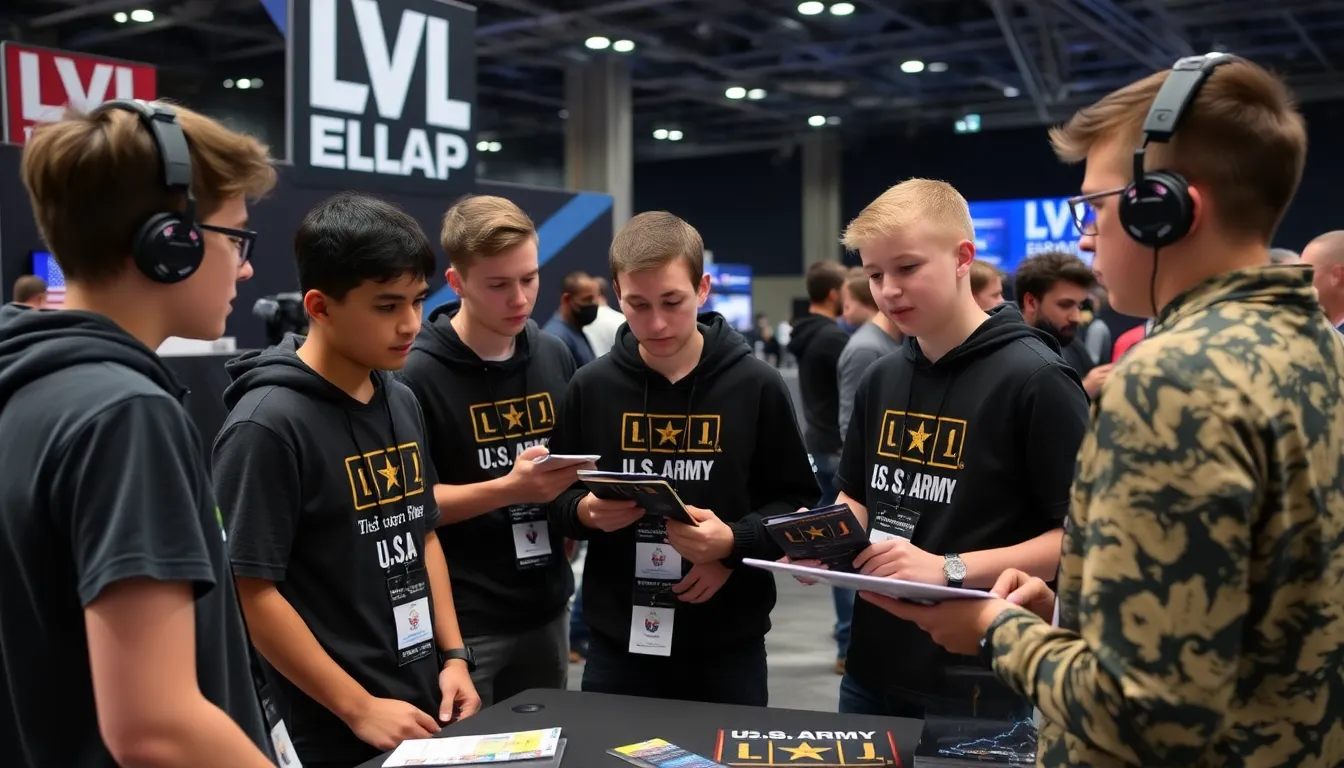
Frequently Asked Questions about LVL UP EXPO
Key Takeaways and Future Outlook on Esports Sponsorship
The emergence of LVL UP EXPO as the latest esports entity sponsored by the U.S. Army raises important questions about the intersection of gaming, sponsorship, and ethical considerations. As esports continues to grow in popularity and influence, the implications of military sponsorships warrant careful examination, particularly regarding the messaging and values being promoted to younger audiences.
Looking ahead, stakeholders in the esports ecosystemincluding game developers, tournament organizers, and playersmust navigate the complexities of sponsorship relationships. The potential for increased scrutiny and debate surrounding military involvement in gaming spaces could shape future partnerships and influence public perception. Understanding these dynamics will be crucial for ensuring the sustainability of esports as a platform for entertainment and community engagement.
- Monitor public sentiment regarding military sponsorships in esports and its impact on player and audience engagement.
- Watch for potential regulatory changes or guidelines that may arise in response to military involvement in gaming.
- Consider the ethical implications of sponsorships and their alignment with the values of the esports community.
- Evaluate how other industries may respond to the military’s presence in esports, potentially influencing their own sponsorship strategies.
- Stay informed about the evolving landscape of esports partnerships and the balance between commercial interests and community values.