
This year, major rail operators, including Network Rail and various train companies, have announced extensive maintenance schedules that coincide with the holiday period, leading to potential disruptions. From December 23 to January 2, essential upgrades and repairs are set to take place on key routes, impacting services and leading to cancellations and delays.
Furthermore, the rail industry is grappling with a shortage of staff, exacerbated by the ongoing effects of the COVID-19 pandemic. Many workers are on leave during the festive season, and the current economic climate has made it challenging to recruit additional personnel. This has raised concerns about the ability of rail services to cope with the increased demand during this busy time.
The combination of planned engineering works and staffing issues has led to a surge in passenger complaints regarding overcrowding and unreliable services. Travelers are urged to check their routes in advance and consider alternative transportation methods, as the chaos on the railways continues to affect holiday plans for many.
The Background of Increased Railway Traffic in December
The chaos often observed in railway systems during the Christmas season can be traced back to a combination of historical, political, and social factors. Traditionally, the holiday season has seen a surge in travel as families reunite and individuals take time off work, highlighting the social dynamics that influence travel patterns. This seasonal demand places immense pressure on railway infrastructure, which is often ill-equipped to handle the influx of passengers.
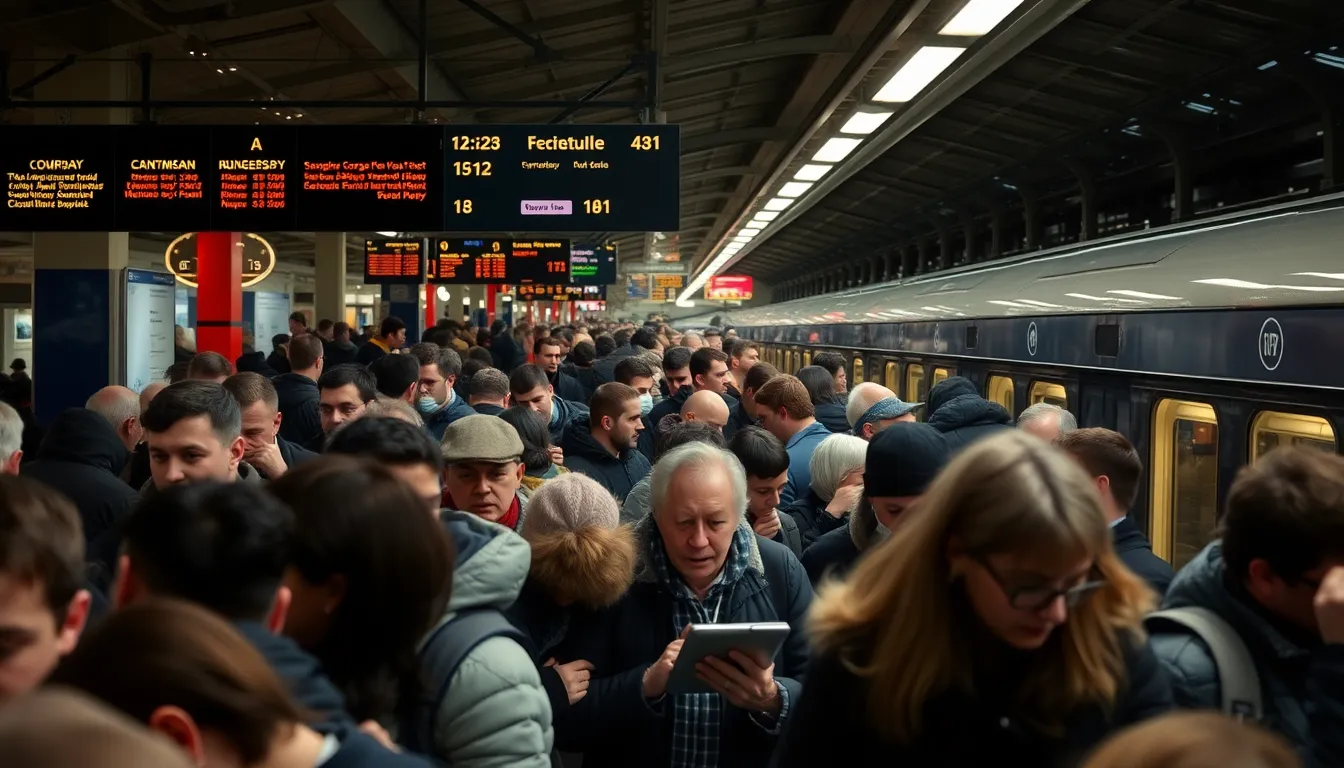
Historically, the development of the railway system in many countries was driven by the need to connect cities and facilitate trade. However, over the years, investment in railway infrastructure has not kept pace with rising demand. The privatization of rail services in the 1990s in the UK, for example, led to fragmented services and a focus on profit over passenger experience, resulting in a system that struggles to cope with peak travel times like Christmas.
Key Milestones in Railway Development
Several key milestones have shaped the current state of railway services. The introduction of the Beeching cuts in the 1960s in the UK led to the closure of many rural lines, reducing the overall capacity of the network. More recently, austerity measures have limited funding for upgrades and expansions, leaving many railways unable to expand services or improve reliability during peak periods.
Additionally, the rise of technology and digital ticketing has transformed how passengers interact with rail services. While it has streamlined some processes, it has also created new challenges, such as increased demand for last-minute travel, leading to operational chaos, especially during peak times.
Socially, the expectation of seamless travel during the festive season has grown, leading to frustration when services falter. Passengers often find themselves navigating overcrowded trains, delays, and cancellations, resulting in a perception of chaos that overshadows the holiday spirit. This ongoing struggle highlights the need for a comprehensive approach to improve railway services, particularly during high-demand periods like Christmas.
Key Issues Affecting Railway Operations During the Holidays
The holiday season is a peak time for railway travel, leading to increased demand and often resulting in operational chaos. Several stakeholders, including railway companies, government bodies, and passengers, play significant roles in this complex scenario. Each has distinct interests that can sometimes conflict with one another, leading to a series of challenges.
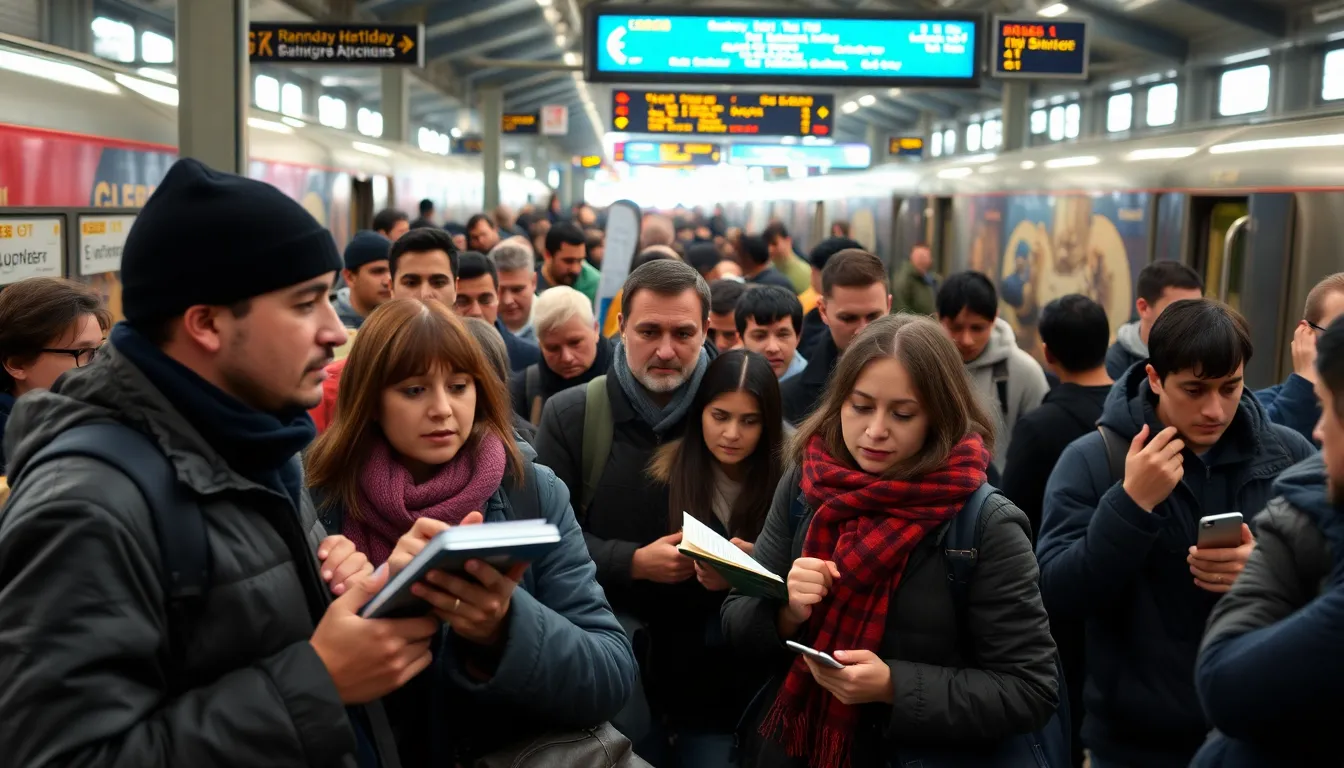
Railway companies are primarily focused on maximizing efficiency and profitability during the busy holiday season. However, they face logistical challenges, such as maintaining schedules while accommodating higher passenger volumes. This often leads to trade-offs between service quality and operational costs. Furthermore, maintenance work that is typically scheduled during off-peak times may be delayed or rushed to meet holiday demands, potentially compromising safety.
Government agencies also have a stake in railway operations, as they are responsible for regulating safety standards and ensuring public transport accessibility. During the holidays, these agencies may prioritize passenger safety and service reliability, which can sometimes clash with the operational decisions made by railway companies. Additionally, budget constraints can limit the ability of government bodies to provide necessary funding for infrastructure improvements.
- Increased Passenger Volume: The surge in travelers can overwhelm existing services, leading to delays and cancellations.
- Maintenance Scheduling: Essential maintenance work often competes with the need to maintain service frequency during peak times.
- Regulatory Compliance: Stricter safety regulations may require last-minute adjustments to schedules and operations.
- Passenger Expectations: High expectations for service can lead to dissatisfaction when delays occur, impacting the reputation of railway companies.
- Economic Pressures: Rising operational costs may force companies to make difficult decisions that affect service delivery.
Passengers, as the end-users of railway services, typically seek reliable and timely travel options. Their experiences during the holiday season can influence public perception of railway companies and government agencies alike. The interplay between these stakeholders creates a dynamic environment where conflicting interests can lead to operational challenges that manifest as chaos during the festive period.
The Impact of Railway Disruptions on Passengers and the Economy
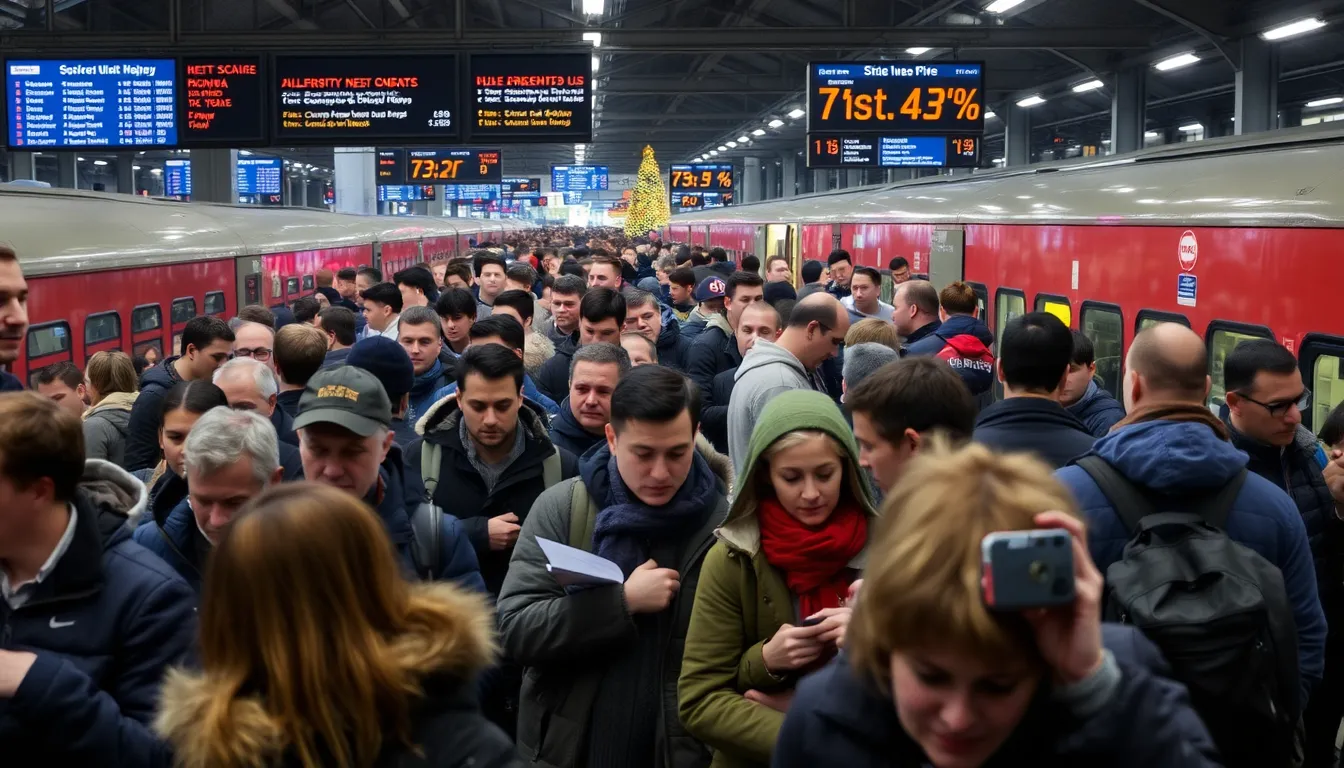
Railway disruptions during the Christmas period affect a wide array of groups, including daily commuters, holiday travelers, and businesses reliant on timely logistics. Passengers face delays and cancellations, which can lead to missed family gatherings and holiday plans. Additionally, the tourism sector, which sees a spike in activity during this season, suffers from reduced accessibility to popular destinations.
In the short term, these disruptions can cause significant stress for individuals and families as they navigate altered travel plans. For businesses, particularly those in hospitality and retail, the impact can be immediate, with lost sales and customer dissatisfaction. The ripple effects can extend to local economies, where decreased foot traffic can lead to reduced revenue for shops and restaurants.
Mid-term impacts may include shifts in consumer behavior, as travelers seek alternative modes of transportation or adjust their holiday plans altogether. This could lead to increased demand for bus services and car rentals, presenting opportunities for those industries. Furthermore, businesses may need to adapt their logistics and supply chains to mitigate the effects of railway unreliability.
- Commuters: Increased stress and uncertainty in daily travel.
- Tourism Sector: Decreased visitor numbers and revenue loss.
- Local Businesses: Reduced customer footfall and sales.
- Alternative Transport Services: Potential growth in demand.
- Policy Makers: Increased pressure to improve railway infrastructure and reliability.
While the chaos may seem detrimental, it also presents an opportunity for policymakers and transport agencies to reevaluate and improve railway services. By investing in infrastructure and better planning, the long-term reliability of railways could enhance overall travel experiences and stimulate economic growth in affected regions.
A: Railways often face delays during Christmas due to increased passenger volumes, adverse weather conditions, and maintenance work that coincides with the holiday schedule. A: Winter weather can lead to track and signal issues, causing delays and cancellations. Snow and ice can disrupt train operations significantly. A: Rail companies often increase staff, add extra trains, and implement contingency plans to manage the surge in passengers and minimize disruptions. A: Yes, popular routes to major cities and holiday destinations often experience more congestion and delays due to higher demand. A: Passengers are advised to check schedules in advance, allow extra travel time, and stay informed about any changes or delays through official channels.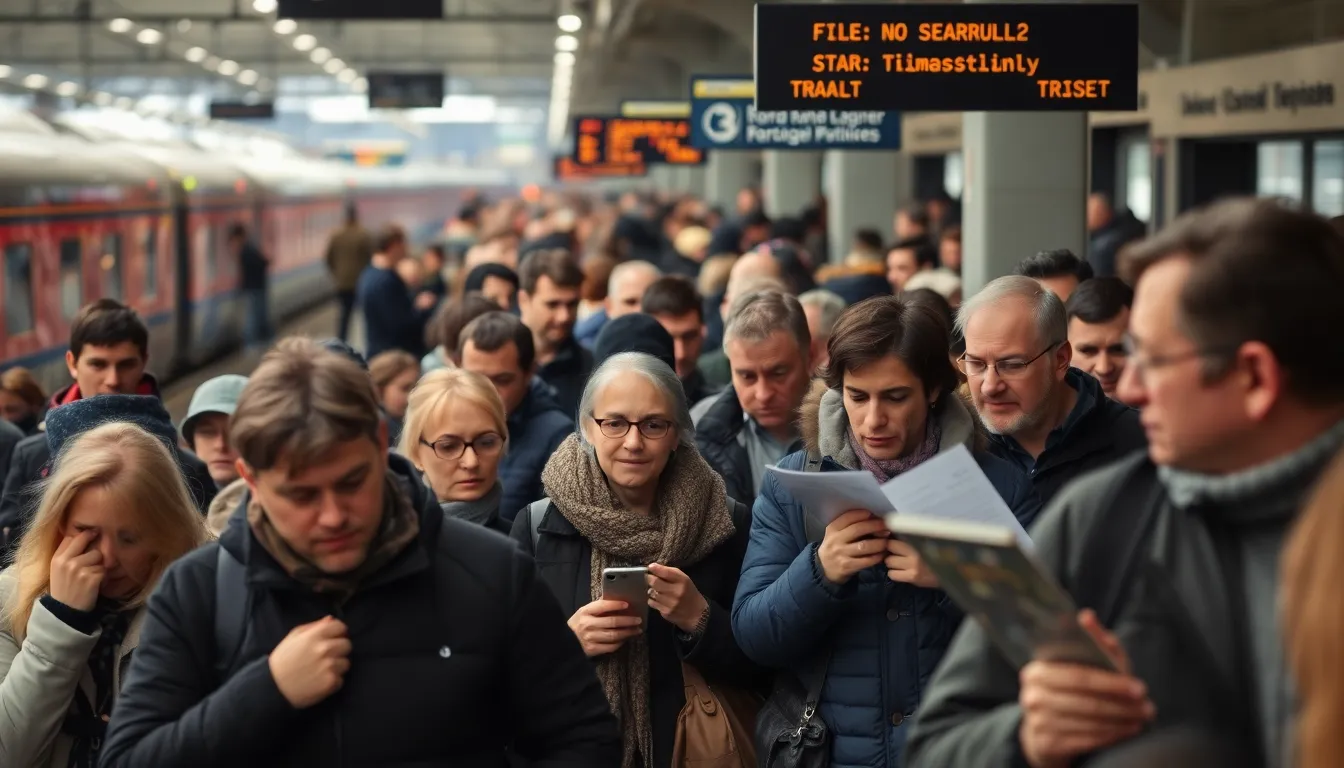
Frequently Asked Questions About Railway Chaos at Christmas
Insights and Future Outlook on Railway Services During the Holidays
The challenges faced by railway services during the Christmas period highlight systemic issues that require attention. With increased passenger numbers, weather-related disruptions, and maintenance schedules coinciding with peak travel times, the chaos often observed is not merely a seasonal anomaly but a reflection of deeper operational complexities. Addressing these concerns will be vital for enhancing passenger experience in future holiday seasons.
Looking ahead, stakeholders must prioritize effective communication, infrastructure investment, and contingency planning to mitigate disruptions. By understanding the root causes of holiday chaos, railway operators can better prepare for the unique challenges each festive season brings.
- Enhanced Communication: Clear and timely updates for passengers can greatly reduce confusion and frustration during peak travel times.
- Infrastructure Investment: Continued investment in infrastructure is essential to accommodate increased demand and minimize service disruptions.
- Weather Preparedness: Developing robust strategies to handle adverse weather conditions will be crucial in maintaining service reliability.
- Flexible Scheduling: Implementing flexible scheduling and additional services during peak periods can help manage passenger flow more effectively.
- Passenger Education: Informing passengers about potential delays and alternative travel options can enhance their overall experience.