
Key players in this ongoing issue include both the Democratic and Republican parties, which have yet to find common ground on spending priorities. The shutdown is affecting various federal operations, with non-essential services being temporarily halted. Essential services, however, are expected to continue operating, albeit under constrained conditions.
This situation matters not only for federal employees but also for the broader economy, as uncertainty can impact financial markets and public confidence. The shutdown comes at a time when the country is grappling with other economic challenges, making it crucial for Congress to resolve these funding disputes swiftly. Observers are closely monitoring the negotiations as the implications of prolonged inaction could be significant.
As Congress prepares to reconvene, the urgency of the situation is becoming increasingly apparent. With critical deadlines approaching and public services at stake, both parties are under pressure to negotiate a resolution. The coming days will be pivotal in determining how long this shutdown will last and what it means for the future of government operations.
Understanding the background of the shutdown
The current limited government shutdown is a significant moment in American political history, reflecting ongoing tensions between Congress and the executive branch. Historically, government shutdowns have occurred when Congress fails to pass funding bills, leaving federal agencies without the necessary appropriations to operate. The most notable shutdowns in history, such as those in 1995-1996 and 2013, have often stemmed from deep ideological divides over budgetary priorities, social policies, and political strategies.
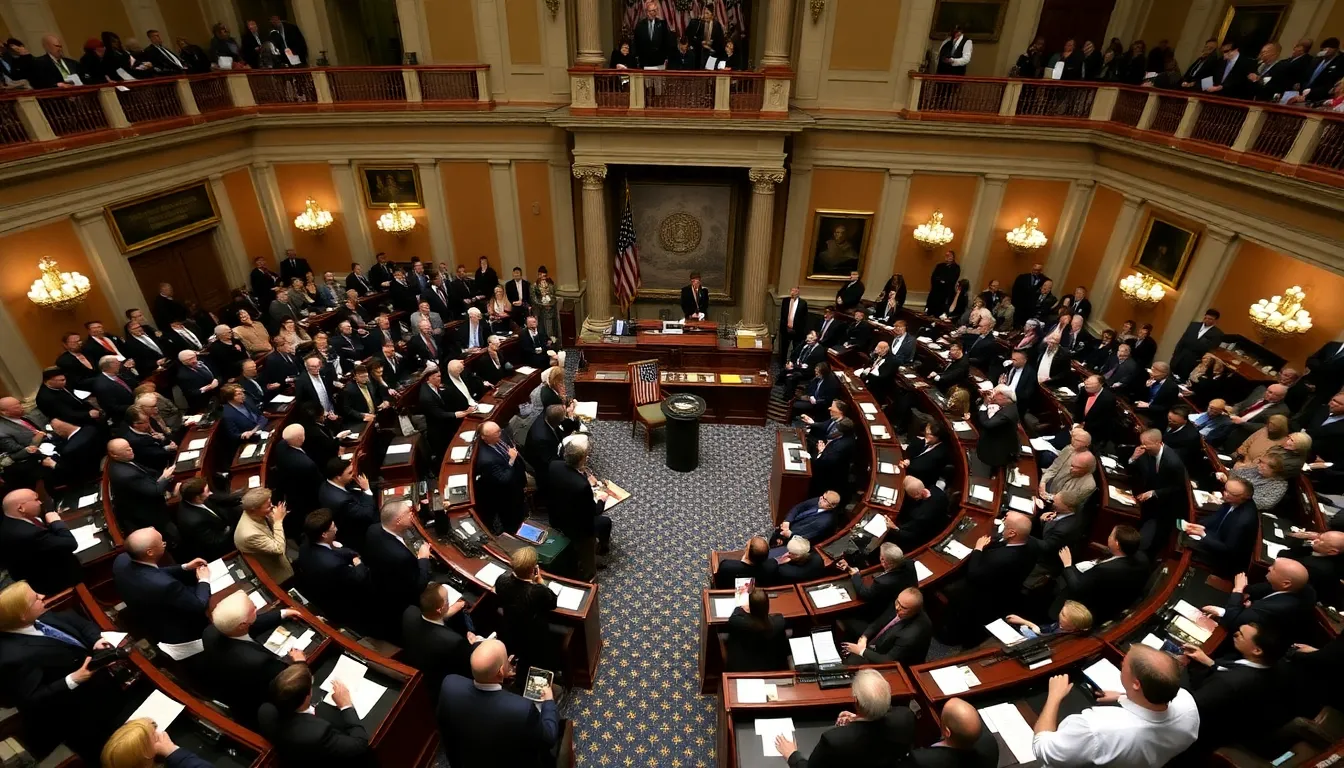
This shutdown has been exacerbated by a series of contentious negotiations over fiscal policies, particularly concerning spending levels and funding for specific programs. As Congress prepares for a break, the inability to reach a consensus on the budget has forced many federal services to halt, impacting millions of Americans. The political landscape has shifted dramatically in recent years, with increasing polarization making bipartisan agreements more challenging.
Key milestones leading to the shutdown
Several key events have paved the way for this current situation. In early 2023, Congress faced a looming deadline to raise the debt ceiling, which sparked intense debates about fiscal responsibility and government spending. The inability to finalize a budget by the end of the fiscal year on September 30 further compounded the crisis. As lawmakers returned to their districts for a break, the lack of progress on negotiations left many federal employees uncertain about their job security and the continuity of essential services.
Moreover, the ongoing economic pressures, such as inflation and rising costs, have influenced budgetary discussions, with various factions within Congress advocating for different approaches to fiscal management. This shutdown not only reflects the immediate political climate but also highlights broader trends in governance, where partisan divisions often overshadow the need for effective collaboration and compromise.
Key stakeholders and issues surrounding the shutdown
The current limited government shutdown has brought various stakeholders into the spotlight, each with distinct interests and concerns. The primary actors include the federal government, Congress, federal employees, and the general public. These groups are navigating a complex landscape of political maneuvering, economic implications, and social responsibilities.
Congress is at the heart of the shutdown, with partisan divisions influencing the ability to reach an agreement. Democrats and Republicans are grappling with differing priorities, which complicates negotiations. The Democratic majority may seek to protect funding for social programs and public services, while Republicans may prioritize fiscal conservatism and reduced government spending. This fundamental ideological divide creates significant friction.
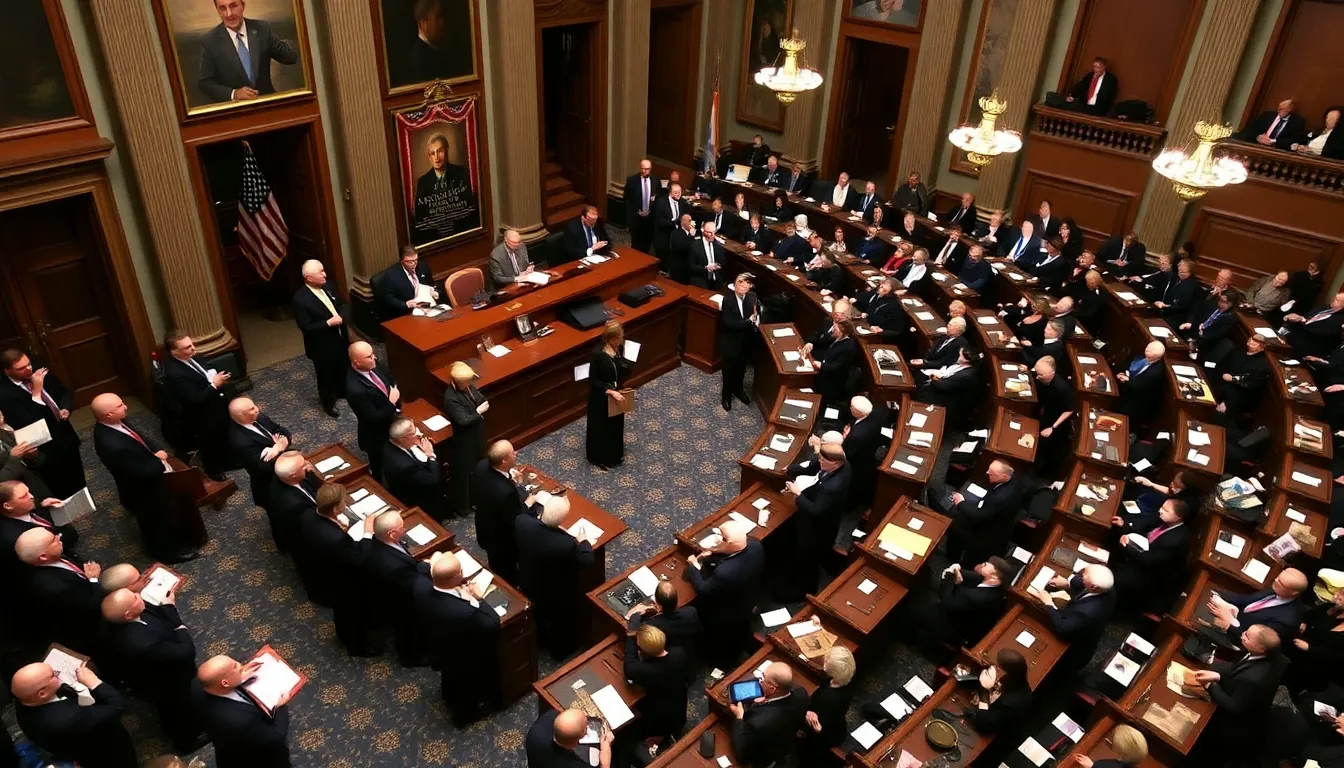
Federal employees are also key stakeholders, as they face uncertainty regarding their employment status and income during the shutdown. Many employees may be forced to work without pay, leading to financial strain and potential long-term effects on morale and productivity. The impact on federal services, such as public safety and health services, raises further concerns for the general public, who rely on these essential functions.
Economic implications of the shutdown are far-reaching. The longer the shutdown persists, the greater the potential for disruption in various sectors, including government contracts and services that support businesses. Small businesses, in particular, may suffer from delays in permits or funding, which could hinder their operations and growth. The overall economy may experience a slowdown if consumer confidence wanes due to the political instability.
- Partisan Divisions: The contrasting priorities of Democrats and Republicans complicate negotiations.
- Impact on Federal Employees: Uncertainty regarding pay and job security affects morale and productivity.
- Public Services Disruption: Essential services may face delays, impacting public safety and health.
- Economic Consequences: Small businesses and the broader economy may suffer from prolonged instability.
- Long-term Political Ramifications: The shutdown may influence future elections and party dynamics.
Impacts on citizens and markets due to the shutdown
The limited government shutdown is poised to affect a variety of groups and industries across the nation. Federal employees, contractors, and various public service sectors will experience immediate disruptions. Additionally, regions heavily reliant on federal funding or services may face significant challenges during this period.
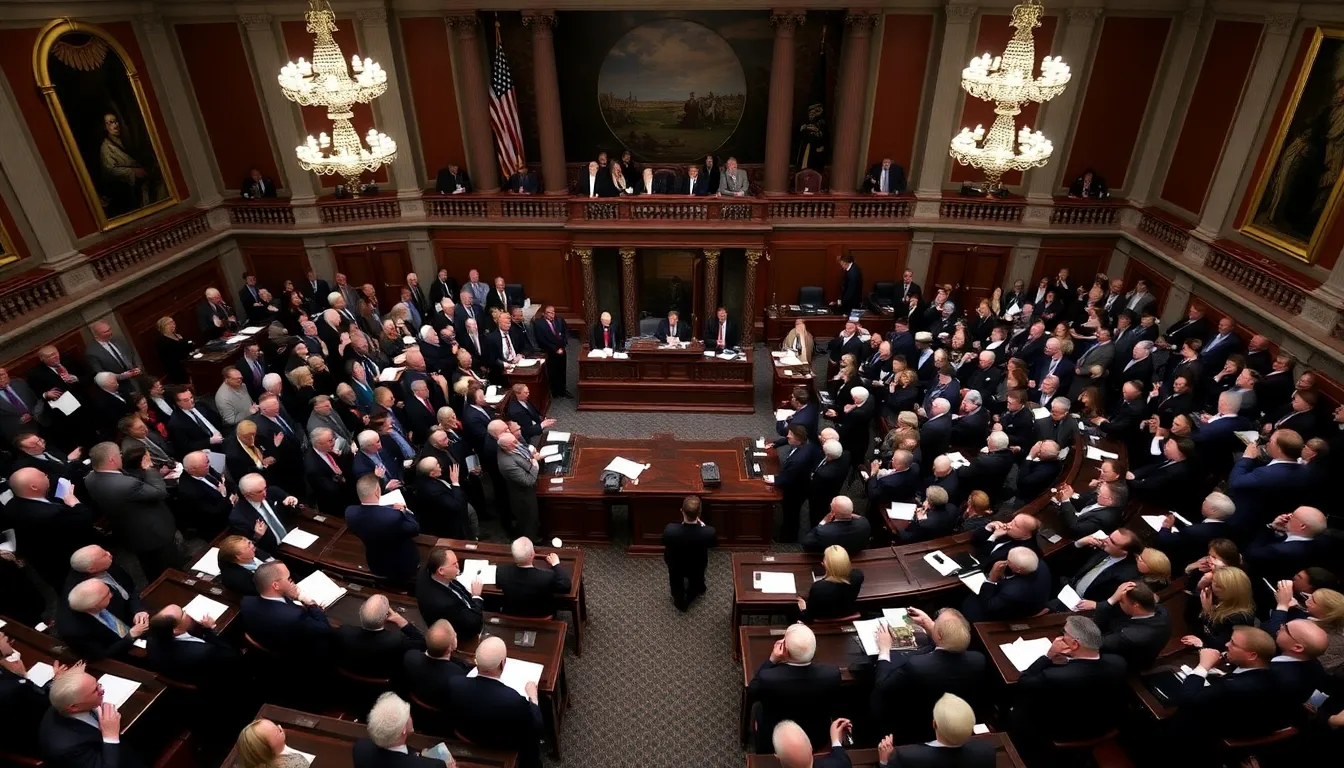
In the short term, citizens may see delays in processing government services, such as tax refunds, social security benefits, and visa applications. Businesses that depend on federal contracts or grants could also encounter cash flow issues, resulting in potential layoffs or reduced hours for employees. The uncertainty surrounding the shutdown may lead to decreased consumer confidence, impacting retail sales and overall economic activity.
- Federal employees and contractors facing unpaid leave or reduced hours.
- Businesses reliant on government contracts experiencing financial strain.
- Delays in essential services affecting daily life for citizens.
In the mid-term, the lingering effects of the shutdown could lead to a slowdown in economic growth, particularly in sectors such as construction, defense, and research. Furthermore, public sentiment may shift towards advocating for more robust government operations or reforms, presenting an opportunity for policymakers to address systemic issues. Industries that can adapt to the changing landscape, such as those offering private alternatives to government services, may find new opportunities for growth.
Overall, while the shutdown poses risks to daily life and economic stability, it also opens avenues for innovation and reform. Stakeholders must navigate these challenges carefully, as the landscape evolves in response to the political climate.
A: The government shutdown was triggered by a failure to reach an agreement on budget allocations, leading to a temporary halt in non-essential government services. A: Experts predict that the limited government shutdown will last for at least 10 days, coinciding with Congress’s scheduled break. A: The shutdown affects federal employees, contractors, and various services that rely on government funding, impacting numerous sectors. A: Services such as national parks, federal offices, and some regulatory agencies may be closed or operating at reduced capacity. A: Federal employees may not receive pay during the shutdown, but they are typically compensated once the government reopens.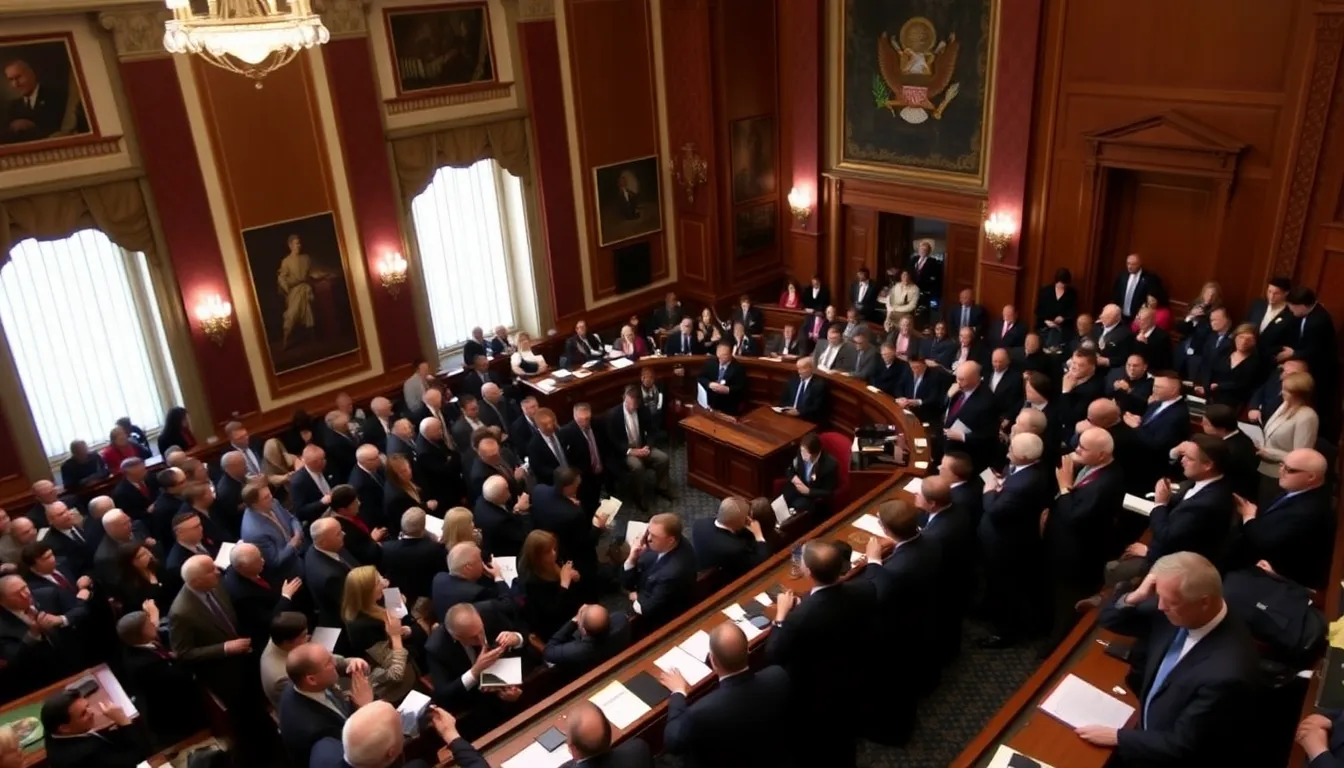
Frequently asked questions about the government shutdown
Key points and outlook on the government shutdown
The current limited government shutdown is expected to persist for at least 10 days, coinciding with Congress’s scheduled break. This situation raises concerns about the potential impact on federal services, economic stability, and public sentiment regarding government efficiency. As lawmakers return to their discussions post-break, the focus will be on finding a resolution that addresses budgetary disagreements while minimizing disruption to essential services.
<p Stakeholders should monitor the negotiations closely, as any delays in reaching an agreement could exacerbate the situation, leading to longer-term consequences for government operations and public trust.
- Watch for updates on negotiations as Congress reconvenes, which will be crucial in determining the length and impact of the shutdown.
- Consider the effects on federal employees and services, particularly those deemed non-essential, which may face prolonged uncertainty.
- Pay attention to public reaction and sentiment, as prolonged shutdowns can influence voter perceptions and future political landscapes.
- Keep an eye on economic indicators that may be affected by the shutdown, including consumer confidence and market stability.