
Many dual nationals are concerned that the new rules could complicate their status in the UK, particularly those who have relied on their dual citizenship for ease of travel and residency. The deadline for submitting applications under the previous regulations is set for December 31, 2023, further intensifying the rush to ensure compliance with the changing rules.
Government officials have indicated that the updated policies are designed to ensure that individuals with UK citizenship are more closely vetted, which has raised questions about the future of dual nationality in the country. This shift has led to increased inquiries at passport offices and online platforms, with many applicants seeking guidance on the new requirements.
Experts warn that the changes could lead to a backlog in processing applications as the deadline approaches. With many dual nationals eager to secure their UK passports, the situation highlights the broader implications of changing immigration policies and their impact on personal and familial ties.
Understanding the background of the new UK passport rules
The recent changes in UK passport regulations for dual nationals can be traced back to the broader context of the UK’s immigration policies, which have evolved significantly in the wake of Brexit. Following the 2016 referendum, the UK government aimed to establish a more controlled immigration system, and if you’re interested in more information about the implications of these changes, you can read about related developments.
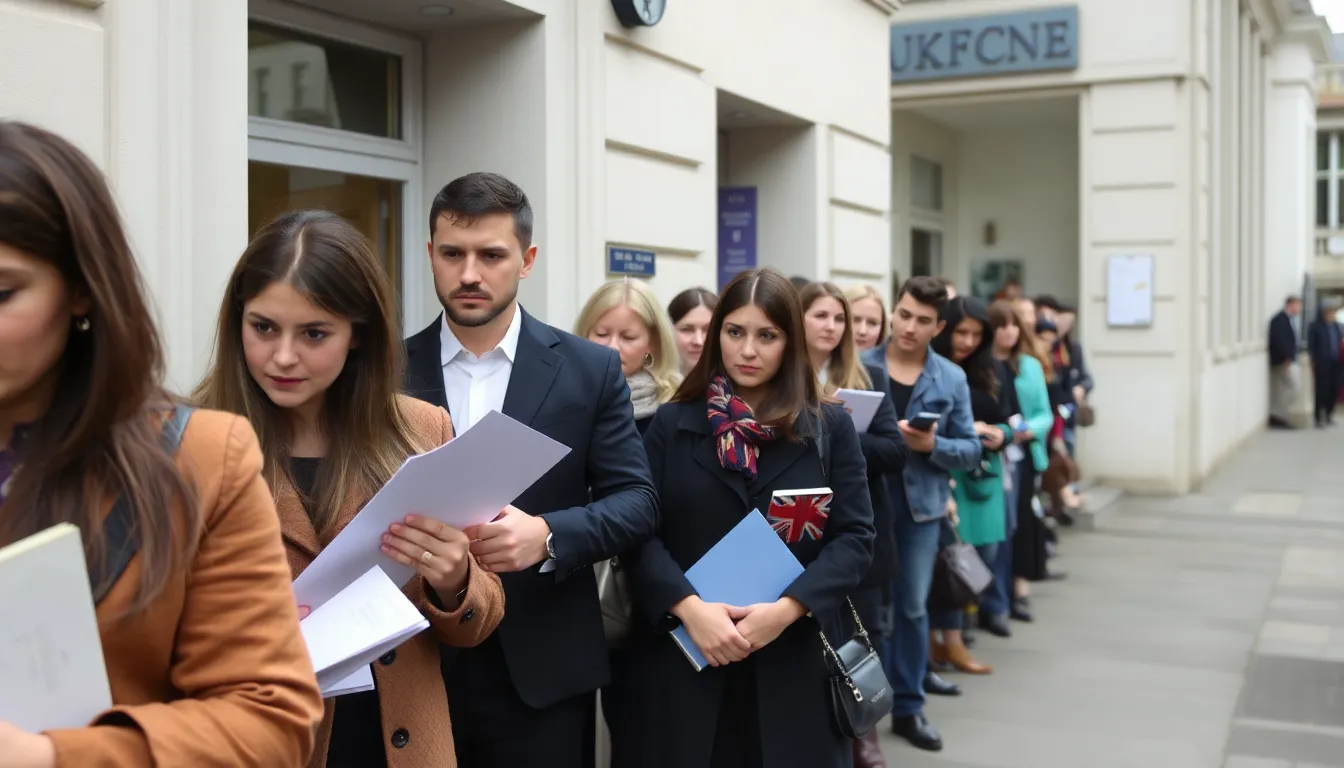
Historically, dual nationality was a complex issue in the UK, with varying degrees of acceptance and recognition over the years. The British Nationality Act of 1981 marked a pivotal moment, as it redefined citizenship and allowed for dual nationality under specific circumstances. However, the recent political climate has shifted focus towards stricter immigration controls, raising concerns among dual nationals about their status and rights.
Key milestones in dual nationality and passport regulations
Several key milestones have shaped the current landscape for dual nationals in the UK. The introduction of the EU Settlement Scheme in 2019 allowed EU citizens residing in the UK to apply for settled or pre-settled status, influencing the dual nationality discourse. Additionally, the UK’s new points-based immigration system, implemented in January 2021, further complicated matters for those holding multiple nationalities, as it introduced new criteria for residency and citizenship.
The impact of these changes has been profound, creating a sense of urgency among dual nationals to secure their UK passports before the new regulations come into effect. Many are now grappling with the implications of these rules, which could affect their ability to travel, work, and reside in the UK, as well as their access to public services and rights as citizens.
As the UK continues to navigate its post-Brexit identity, the evolving situation for dual nationals highlights the complexities of nationality and citizenship in a changing political landscape. The scramble for UK passports is not merely a bureaucratic challenge; it reflects deeper societal questions about belonging, identity, and the future of citizenship in the UK.
Key stakeholders and issues surrounding the passport changes
The recent changes to UK passport regulations have created a complex landscape for dual nationals. Key stakeholders include the UK government, dual nationals themselves, legal experts, and advocacy groups. Each of these actors has distinct interests and concerns regarding the implications of the new rules.
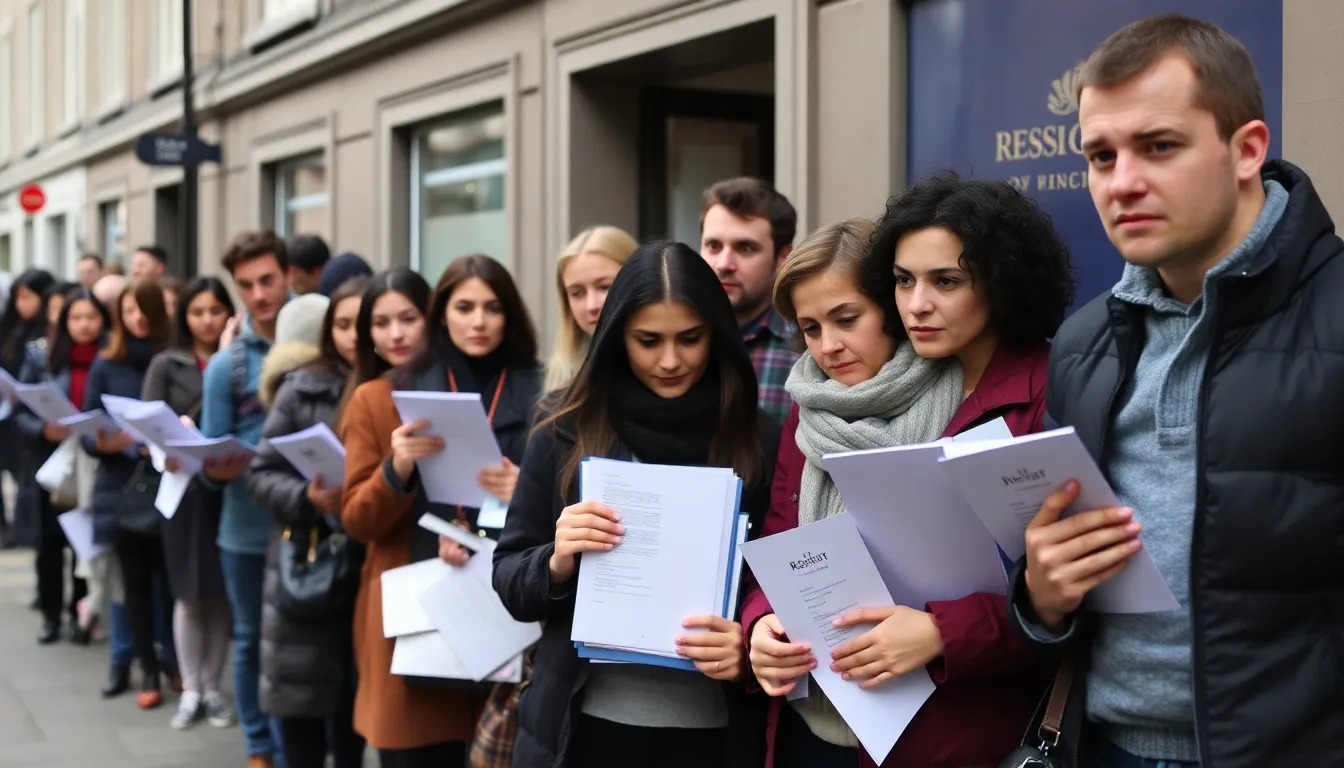
The UK government aims to streamline immigration processes and ensure national security, which may lead to stricter regulations for dual nationals. This shift could potentially affect thousands of individuals who hold citizenship in multiple countries, raising questions about their rights and obligations. The government’s focus on controlling immigration may conflict with the needs of these citizens, who often navigate multiple legal frameworks.
Dual nationals are at the center of this issue, facing uncertainty about their status and the potential loss of rights. Many are concerned about the implications for travel, residency, and access to public services, similar to concerns raised in other contexts such as regulations around vaping in cars with children.
- Legal Conflicts: The new rules may create conflicts with existing international agreements on dual nationality.
- Economic Implications: Changes could impact the workforce, particularly in sectors reliant on skilled dual nationals.
- Public Sentiment: There is a growing public debate about the fairness of the new regulations, affecting political discourse.
- Advocacy Efforts: Various organizations are mobilizing to support dual nationals and challenge the new rules.
As these stakeholders navigate the shifting landscape, the interplay of legal, economic, and social factors will be critical in shaping the future of dual nationality in the UK. The situation remains fluid, with potential for further developments as advocacy groups and legal challenges emerge in response to the new regulations.
The impact of new rules on dual nationals and the passport application process
The recent changes to UK passport application rules significantly affect dual nationals, particularly those holding citizenship from countries outside the EU. This group includes individuals from various regions such as Africa, Asia, and the Americas, who may now face increased scrutiny and longer processing times for their applications. The impact is felt most acutely by families who may be separated during the application process, as well as by individuals seeking to travel or work in the UK.
In the short term, dual nationals may experience delays in receiving their UK passports, potentially hindering their ability to travel for work or personal reasons. Industries such as tourism, international business, and education may see disruptions as employees and students grapple with the uncertainty of their travel documents. Additionally, the new rules could lead to increased demand for legal assistance and consultancy services as individuals seek guidance on navigating the application process.
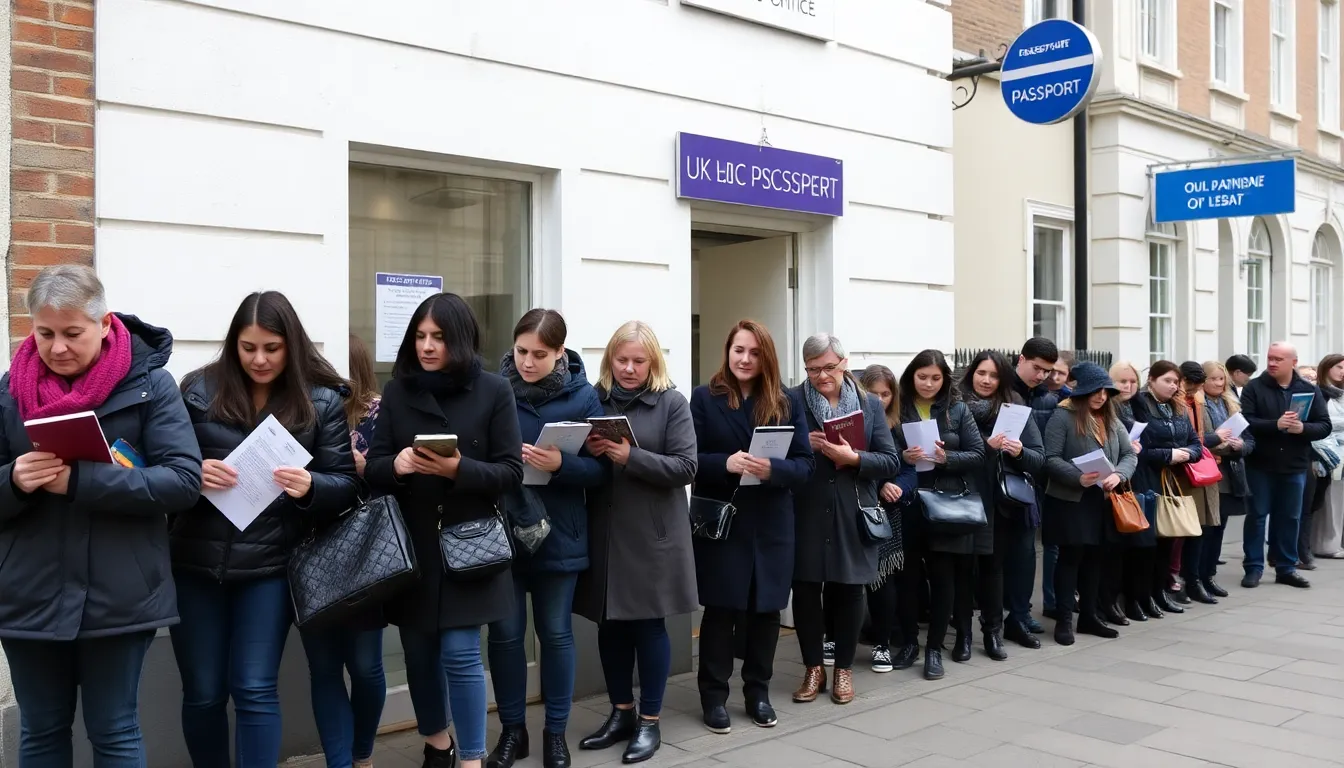
Mid-term effects may include shifts in policy as the UK government assesses the impact of these changes on its workforce and economy. Businesses that rely heavily on international talent may need to adapt their hiring practices or invest in support systems for employees facing passport delays. This could lead to a reevaluation of immigration policies and a push for reforms that streamline the application process for dual nationals.
- Increased application processing times may disrupt travel plans and business operations.
- Potential rise in demand for legal services as individuals seek assistance with complex application requirements.
- Opportunities for businesses to innovate solutions that help dual nationals navigate the new landscape.
While the immediate impacts present challenges, there are also opportunities for businesses to create services tailored to dual nationals’ needs. Companies that can provide efficient solutions for passport applications or offer legal support may find a growing market. Additionally, this situation could encourage dialogue around more inclusive immigration policies that better accommodate the realities of dual citizenship in a globalized world.
A: The new rules require dual nationals to provide additional documentation when applying for UK passports, leading to a more complex application process. A: Current passport holders may need to verify their citizenship status or provide updated information to comply with the new regulations. A: It’s advisable for dual nationals to consult the UK government’s official website or seek legal advice to ensure they meet the new requirements. A: Yes, there are specific deadlines for applications that dual nationals must adhere to in order to avoid delays in receiving their passports. A: Detailed information about the changes can be found on the official UK government website and through various immigration advisory services.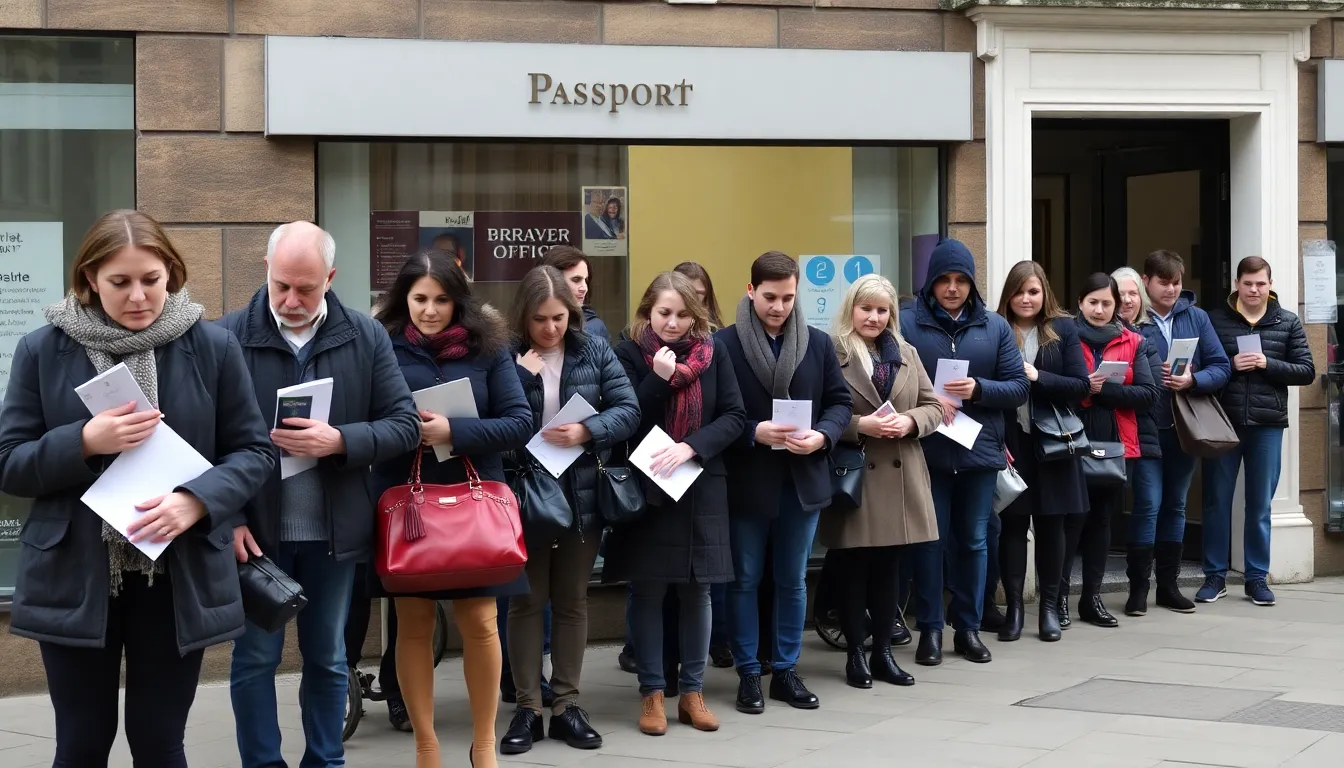
Frequently asked questions about UK passport changes
Looking ahead: Key takeaways and future implications
The recent changes in UK passport regulations for dual nationals are set to create significant challenges and opportunities. As individuals navigate the new rules, understanding the implications will be crucial for those affected. The scramble for UK passports reflects broader trends in nationality and mobility, highlighting the evolving landscape of citizenship in a globalized world.
With the new regulations in place, dual nationals will need to be proactive in managing their documentation. This shift may lead to increased demand for legal advice and support services as individuals seek clarity on their rights and options. Additionally, the impact on travel, residency, and employment opportunities will be significant, warranting careful consideration and planning.
- Monitor the processing times for UK passport applications, as increased demand may lead to delays.
- Stay informed about potential changes in immigration policies that could affect dual nationals in the future.
- Consider the implications of holding multiple citizenships on tax obligations and legal responsibilities.
- Engage with community resources and legal advisors to navigate the complexities of the new rules effectively.
- Evaluate the benefits of maintaining UK citizenship in light of personal and professional aspirations.