
The lawsuit, initiated by a group of affected passengers, claimed that Qantas had failed to provide timely refunds for travel vouchers that had expired or were not usable due to ongoing travel restrictions. The settlement, announced on October 10, 2023, aims to compensate thousands of customers who were impacted by these policies. For more on the implications for the travel industry, see our article on Wealth Inequality in Mexico.
This agreement highlights the ongoing challenges faced by airlines in managing customer relations during unprecedented times. As travel resumes post-pandemic, the resolution of this issue is crucial for Qantas, not only to restore consumer trust but also to maintain its reputation in a competitive market.
In addition to the financial implications, the settlement underscores the growing scrutiny on major airlines regarding their customer service practices during crises. Regulatory bodies and consumer advocacy groups are increasingly focused on ensuring that companies uphold fair treatment for passengers, especially in light of the significant disruptions caused by the pandemic. For further details on consumer protection, check our article on Understanding the Costs of the Attacks on Iran.
Understanding the background of the travel voucher system
The travel voucher system emerged as a response to the unprecedented impact of the Covid-19 pandemic on the global travel industry. As borders closed and flights were grounded, airlines faced an overwhelming number of cancellations, leading to significant financial strain. In Australia, Qantas, one of the nation’s flagship carriers, introduced travel vouchers as a means to compensate customers whose flights were canceled due to the pandemic. This approach aimed to retain customer loyalty while managing the cash flow crisis that the airline was experiencing.
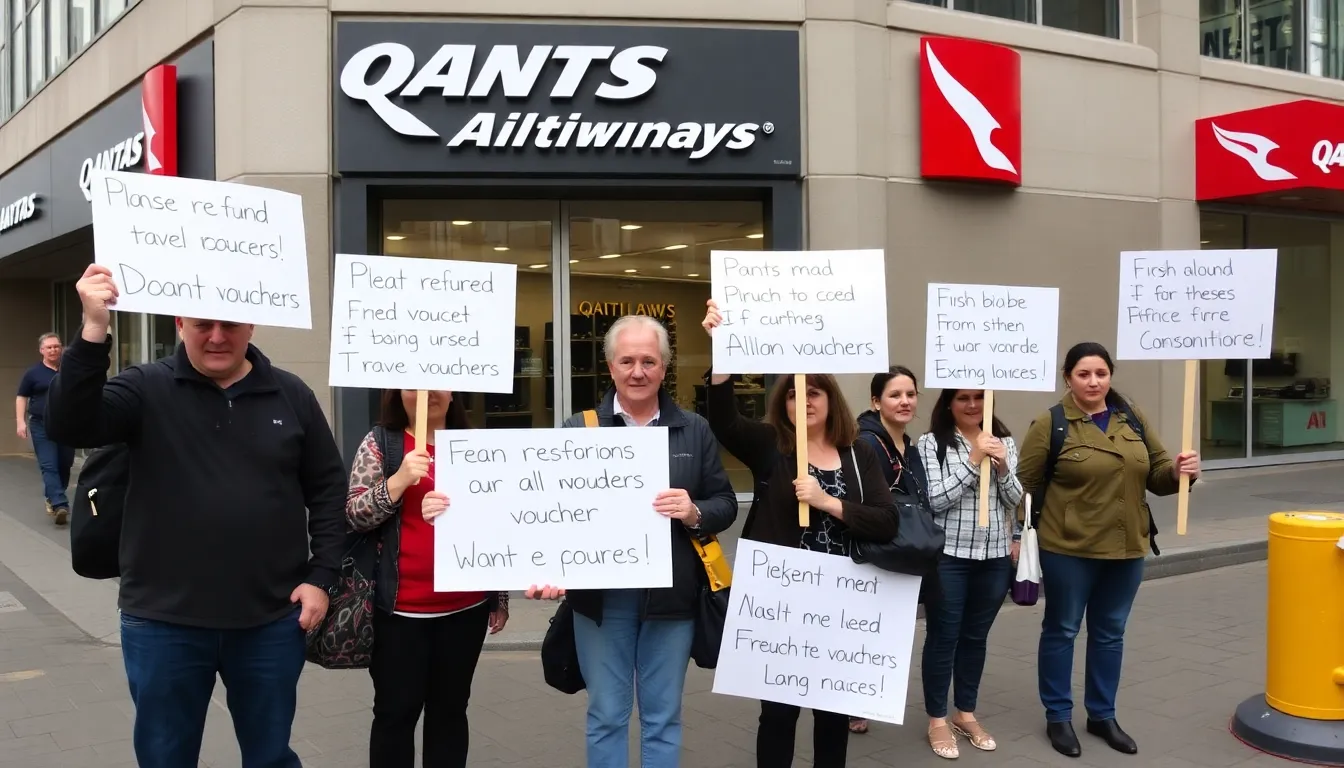
Initially, the travel vouchers were seen as a practical solution, allowing customers to rebook their travel plans once restrictions eased. However, as the pandemic persisted, many travelers found themselves unable to use these vouchers within the stipulated timeframes. This led to a growing number of complaints and demands for refunds, highlighting the limitations and frustrations of the voucher system. The situation was exacerbated by the fact that many consumers had invested significant amounts of money into their travel plans, only to be left in limbo.
Legal and Regulatory Challenges
The legal landscape surrounding travel vouchers became increasingly complex as consumer rights groups began advocating for refunds instead of vouchers. In 2021, the Australian Competition and Consumer Commission (ACCC) intervened, emphasizing that airlines must provide refunds for canceled flights, regardless of the circumstances. This marked a critical turning point in the ongoing dispute between Qantas and its customers, as regulatory bodies sought to enforce consumer protection laws in the face of evolving travel disruptions.
As a result of mounting pressure from both consumers and regulators, Qantas eventually agreed to pay $74 million to settle claims related to the travel voucher refunds. This settlement not only highlights the airline’s acknowledgment of its obligations to customers but also underscores the broader implications for the travel industry as it navigates the recovery from the pandemic. The case serves as a precedent for how airlines and other travel-related businesses will need to address customer grievances in the future, particularly in times of crisis.
Key stakeholders and issues surrounding the settlement
The recent settlement agreement between Qantas and the Australian Competition and Consumer Commission (ACCC) over the refund of Covid-19 travel vouchers highlights several key stakeholders and their interests. Qantas, as the national airline, aims to recover its reputation and financial stability after a tumultuous period during the pandemic. The ACCC represents consumer interests, ensuring that airlines adhere to fair trading practices and provide refunds as required by law.
Consumers, particularly those who purchased tickets and received travel vouchers during the pandemic, are also significant stakeholders. Their primary interest lies in receiving timely refunds for services that were not rendered due to travel restrictions. The settlement amount of $74 million is intended to compensate these consumers, reflecting the financial impact of the airline’s handling of voucher refunds.
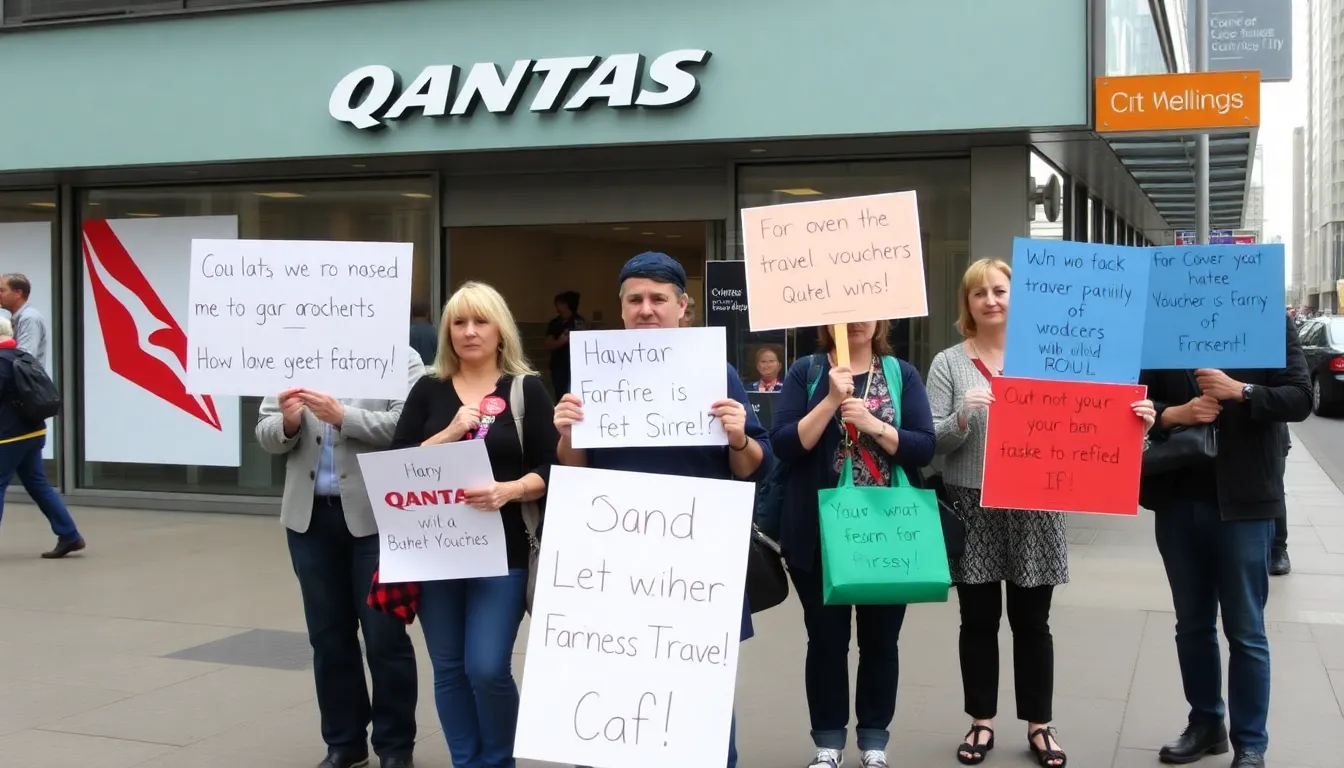
Additionally, the Australian government plays a role in this scenario, as it has a vested interest in the stability of the national airline and the broader tourism sector. The pandemic’s impact on travel has led to discussions about the need for regulatory oversight and support for the industry, balancing the interests of consumers and businesses.
- Legal compliance: Qantas must navigate the legal implications of consumer rights, ensuring compliance with Australian consumer law.
- Financial implications: The settlement affects Qantas’s financial health, as it must allocate funds to cover the refunds while maintaining operational viability.
- Consumer trust: Restoring trust among consumers is crucial for Qantas, as negative perceptions can lead to long-term damage to its brand.
- Regulatory scrutiny: The case may prompt increased scrutiny from regulatory bodies, potentially leading to stricter regulations in the airline industry.
- Industry impact: The outcome of this settlement could set a precedent for how other airlines handle similar situations in the future.
The financial and customer impact of the settlement
The recent settlement of $74 million by Qantas over Covid-19 travel voucher refunds has significant implications for various stakeholders. Primarily, affected groups include customers who purchased tickets and were issued travel vouchers during the pandemic. These individuals, many of whom are still awaiting refunds or resolution of their claims, will benefit directly from this agreement. Additionally, related businesses that depend on customer confidence can take insights from our coverage on the Paris trial of an Islam scholar to understand the importance of maintaining a good reputation.
In addition to customers, the travel and tourism industry as a whole will feel the effects. Airlines, travel agencies, and related businesses that depend on customer confidence and satisfaction are likely to see a shift in consumer behavior. As customers regain trust in travel companies, there could be a rebound in bookings and travel-related spending.
Short-term impacts may include an increase in customer inquiries and claims processing as Qantas works to fulfill its obligations under the settlement. This could lead to temporary strain on customer service resources. In the mid-term, as customers receive their refunds or vouchers, there may be a surge in travel bookings, particularly as global travel restrictions continue to ease.
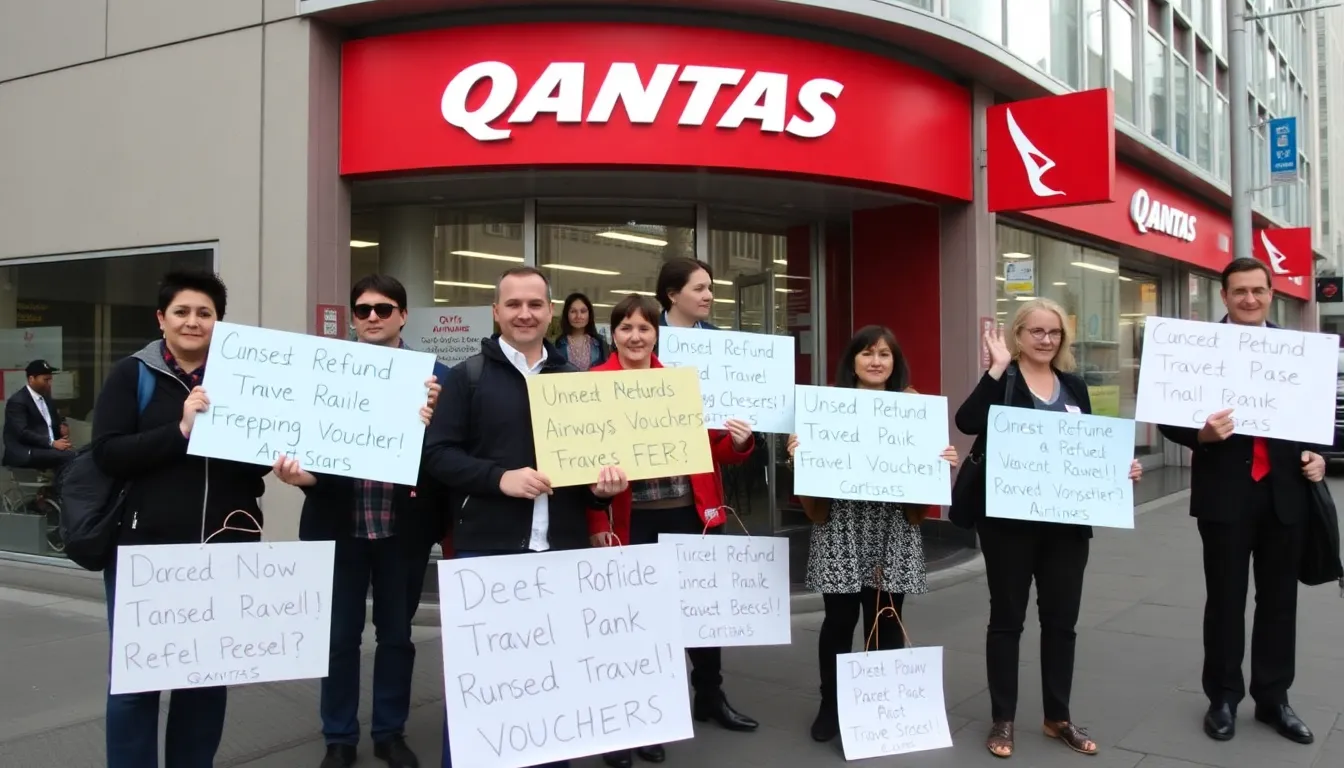
- Risks: Potential backlash from customers if Qantas fails to meet settlement terms.
- Opportunities: Enhanced brand loyalty and customer relations through effective communication and resolution.
- Industry Impact: Positive ripple effects on the wider travel sector as consumer confidence is restored.
Regions heavily reliant on tourism, such as Australia and New Zealand, may see a more rapid recovery in travel-related economic activity. This settlement could serve as a catalyst for policy discussions surrounding consumer rights and protections in the travel industry, pushing for more robust regulations to prevent similar situations in the future.
A: The settlement was prompted by legal challenges and customer complaints regarding the handling of travel vouchers issued during the Covid-19 pandemic. A: Customers who hold travel vouchers will be eligible for refunds, which may provide relief to those who were unable to travel due to pandemic restrictions. A: While specific timelines have not been disclosed, Qantas has indicated that it aims to process refunds as quickly as possible following the settlement. A: Yes, many airlines have faced similar legal challenges regarding travel vouchers and refunds due to the pandemic, leading to settlements in various cases. A: The $74 million payout may impact Qantas’s short-term financials, but it is seen as a necessary step to restore customer trust and avoid further legal issues.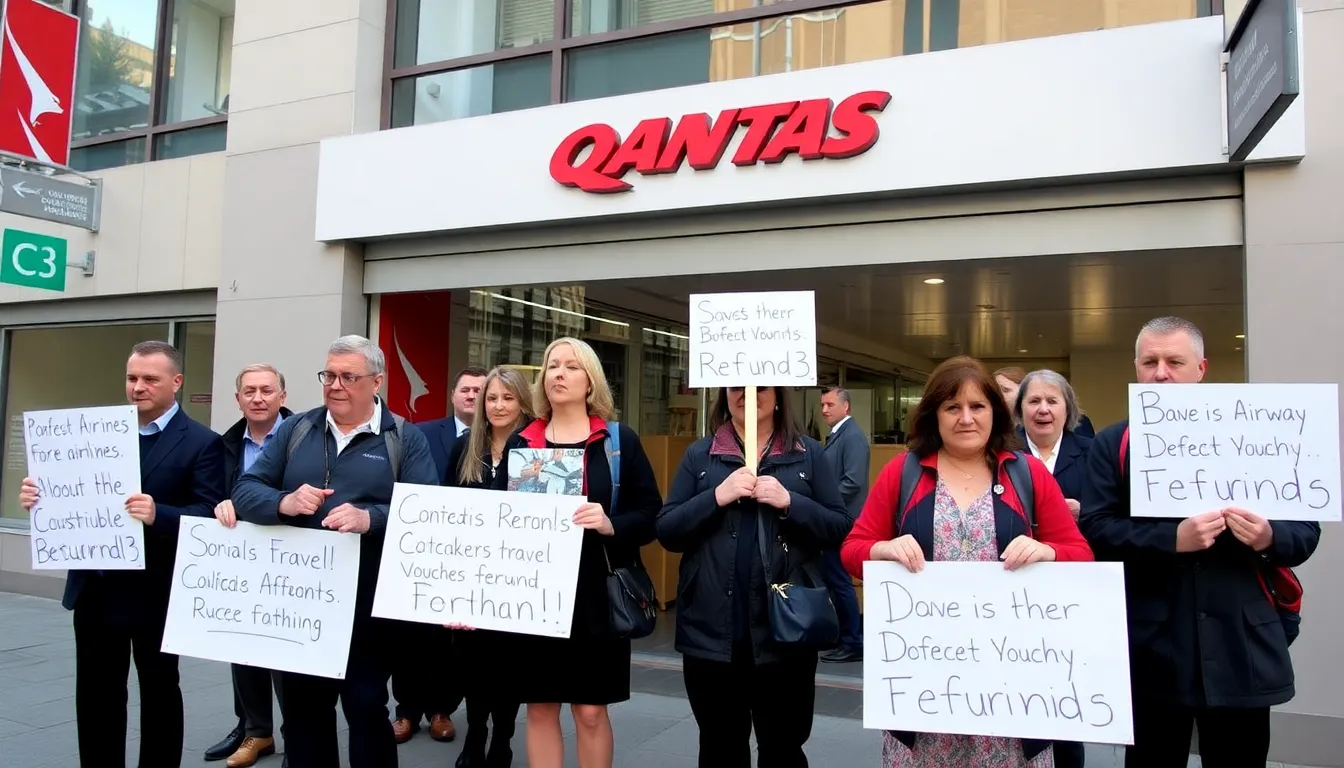
Frequently asked questions about the Qantas settlement
Looking ahead: implications of the settlement for Qantas
The recent agreement by Qantas to pay $74 million over Covid-19 travel voucher refunds marks a significant moment in the airline’s recovery trajectory. This settlement not only addresses the immediate concerns of affected customers but also sets a precedent for how airlines manage customer compensation in times of crisis. As the industry continues to navigate the aftermath of the pandemic, the implications of this settlement will resonate beyond just Qantas, potentially influencing policies across the aviation sector.
Moving forward, stakeholders will be keenly observing how Qantas implements the terms of the settlement and communicates with its customers. The effectiveness of these measures could impact customer trust and loyalty, which are crucial for the airline’s long-term success in a highly competitive market.
- Customer trust restoration: Qantas must prioritize transparency and responsiveness to rebuild customer confidence in its services.
- Operational adjustments: The airline may need to reconsider its policies regarding refunds and travel credits to prevent similar issues in the future.
- Industry-wide implications: Other airlines will likely reassess their own practices in light of this settlement, potentially leading to broader changes in customer compensation policies.
- Financial impact: The settlement’s financial burden could affect Qantas’s profitability in the short term, necessitating strategic adjustments to maintain fiscal health.
- Regulatory scrutiny: Increased attention from regulators could emerge, prompting airlines to enhance their compliance measures regarding consumer rights.