
The court’s decision, delivered on October 25, 2023, marks a rare instance of capital punishment being handed down for custodial deaths, particularly in the context of the pandemic. The judge highlighted the brutal nature of the crime, emphasizing that the actions of the policemen not only violated the law but also undermined public trust in the police force. In similar contexts, one can examine how other nations handle cases of law enforcement misconduct. The verdict has been met with mixed reactions, reflecting the ongoing debate over police brutality in the country.
Human rights organizations have welcomed the ruling as a step towards justice, calling for systemic reforms in policing practices. They argue that such cases are indicative of a larger pattern of abuse within law enforcement, especially during crises like the pandemic. The incident has spurred discussions on the need for greater oversight and accountability mechanisms to prevent similar occurrences in the future.
The families of the victims expressed relief at the verdict, viewing it as a long-awaited acknowledgment of their suffering. As the case garners national attention, it raises critical questions about the role of police during emergencies and the protection of citizens’ rights. The outcome of this case may influence future legal proceedings related to police conduct in India, potentially setting a precedent for how custodial deaths are addressed in the justice system. This ongoing evaluation of police accountability parallels discussions surrounding other sectors facing scrutiny.
Understanding the background of the Covid custody killings
The Covid-19 pandemic brought unprecedented challenges to countries worldwide, with India being one of the hardest-hit nations. As the virus spread, the Indian government implemented strict lockdown measures to curb the transmission of the disease. However, these measures also led to significant social unrest and highlighted existing issues within the law enforcement system, particularly regarding the treatment of individuals in custody.
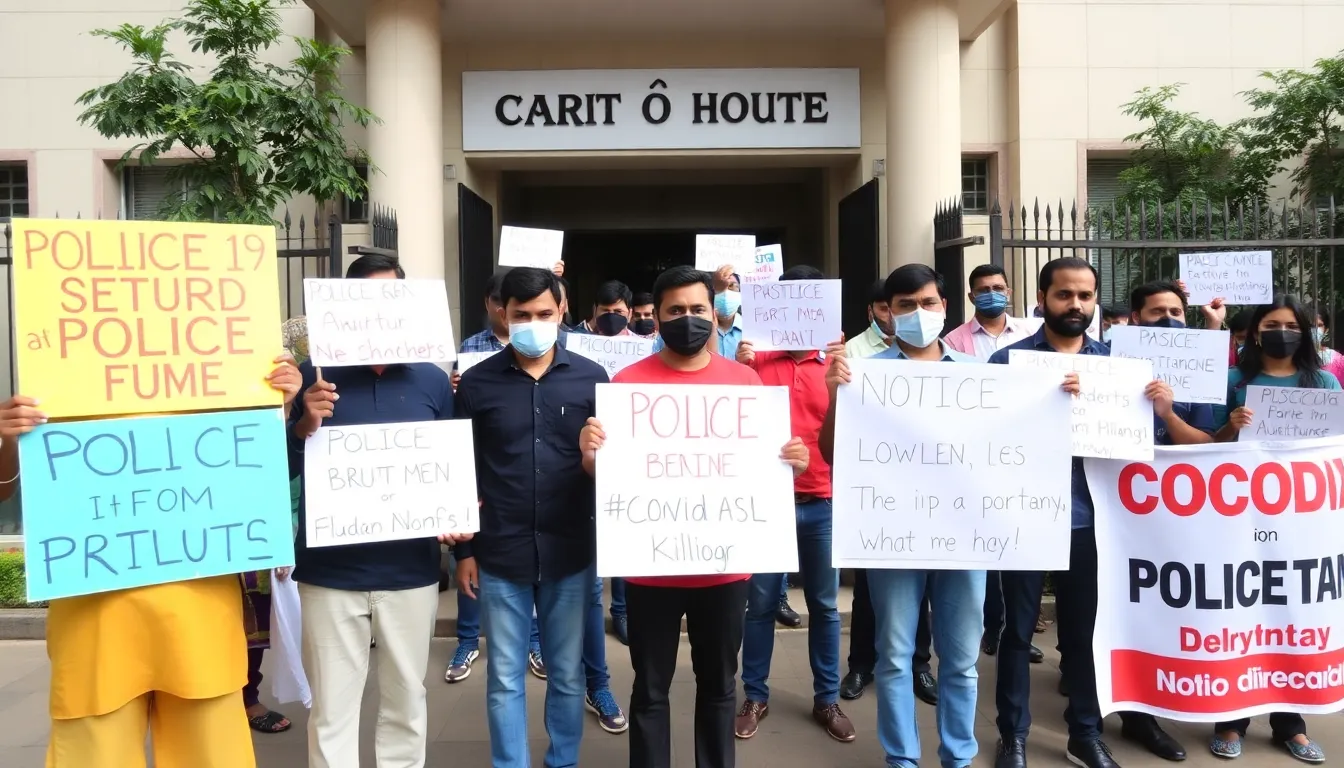
In the early months of the pandemic, reports emerged of police brutality as law enforcement agencies struggled to enforce lockdown regulations. Numerous incidents were documented where individuals were subjected to excessive force, leading to injuries and even fatalities. The situation was exacerbated by the lack of accountability within the police force, which often operated without oversight, raising concerns about human rights violations during this critical period.
Key incidents and legal ramifications
One of the most notable cases occurred in May 2020, when a father and son were allegedly beaten to death by police in Tamil Nadu after being accused of violating lockdown rules. This incident sparked widespread outrage and led to nationwide protests against police brutality. It also prompted calls for systemic reform within the Indian police force, highlighting the urgent need for accountability and better training for officers.
The recent sentencing of nine policemen to death in connection with Covid custody killings marks a significant milestone in the pursuit of justice for victims of police violence. This case reflects a growing recognition of the need to address the culture of impunity that has long plagued law enforcement in India. It also underscores the importance of judicial accountability in ensuring that such abuses of power do not go unpunished, particularly in times of crisis. These themes resonate with broader societal issues, akin to those highlighted in recent high-profile legal cases.
As society grapples with the aftermath of the pandemic, the implications of these events extend beyond individual cases. They raise critical questions about the role of law enforcement in a democratic society and the balance between maintaining public order and protecting human rights. The ongoing discourse surrounding police reform in India is likely to shape the future of policing and governance in the country.
Examining the implications for police accountability and justice
The recent sentencing of nine policemen to death in India over Covid custody killings has sparked significant discourse surrounding police accountability and the justice system. This case highlights the tensions between law enforcement agencies and the communities they serve, raising questions about the systemic issues that allow such abuses of power to occur.
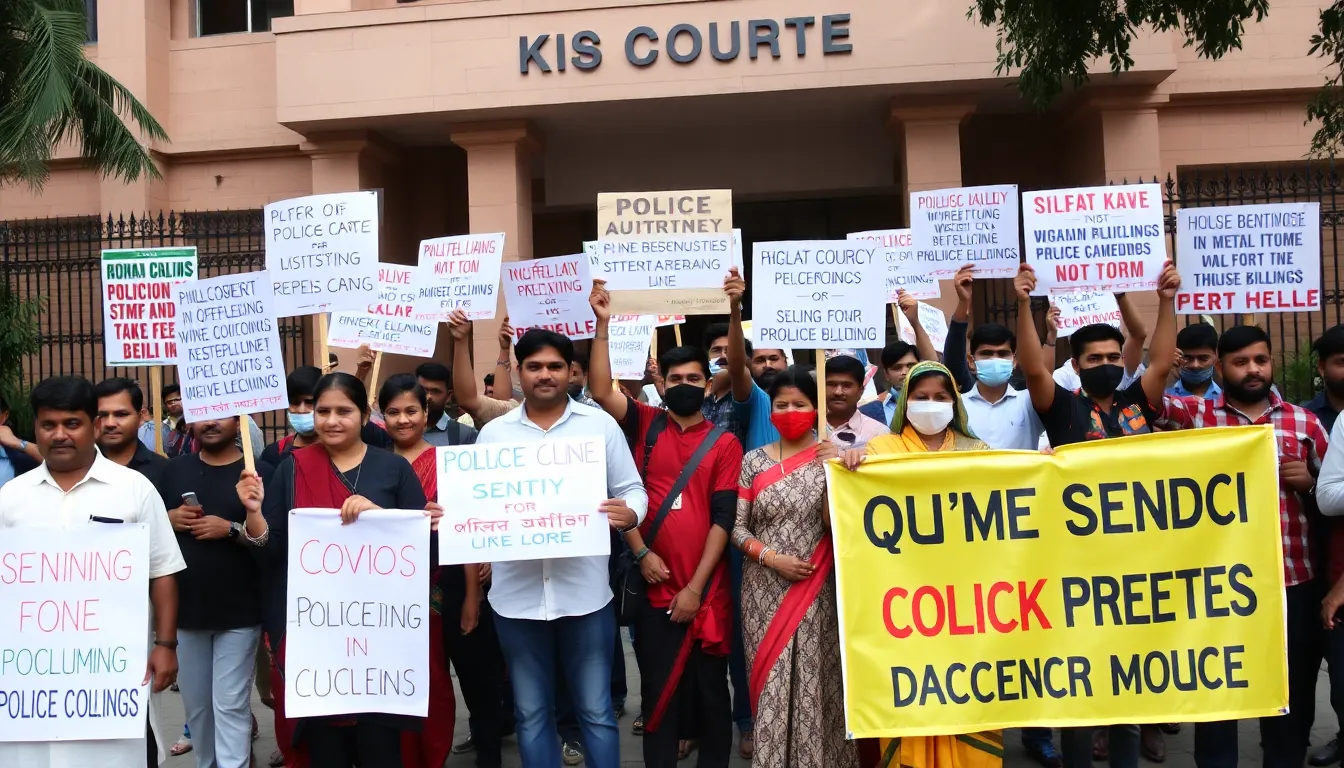
Key actors in this situation include the Indian government, law enforcement agencies, the judiciary, and civil society organizations. The Indian government has a vested interest in maintaining public order and trust in law enforcement, while law enforcement agencies must navigate the scrutiny of their actions and the implications of this ruling on their operational authority. Civil society organizations advocate for human rights and accountability, pushing for reforms to prevent future abuses.
Conflicts arise between the need for effective policing and the protection of individual rights. The death penalty for the policemen may serve as a deterrent to future misconduct, but it also raises ethical concerns about capital punishment and its application in cases involving state actors. Additionally, there is a trade-off between public safety and accountability, as communities may demand harsher penalties for police misconduct while simultaneously seeking to ensure that law enforcement remains effective in maintaining order.
- Legal implications: The ruling could set a precedent for how police misconduct is prosecuted in India, influencing future cases and legal standards.
- Economic considerations: Increased scrutiny on police practices may require additional funding for training and oversight, impacting budget allocations.
- Public perception: The case may affect trust in law enforcement, with potential long-term consequences for community-police relations.
- International scrutiny: Human rights organizations may increase pressure on India to reform its policing practices in light of this case.
- Impact on police morale: The fear of severe penalties may either deter misconduct or create a culture of fear among law enforcement personnel.
As this situation unfolds, it will be crucial to monitor the broader implications for police practices, legal reforms, and community relations in India. The interplay between justice and accountability will likely shape the future of policing in the country.
The impact of the verdict on victims’ families and public trust
The sentencing of nine policemen to death in India over Covid custody killings has profound implications for various groups, particularly the families of the victims. These families, who have endured immense trauma and loss, may find a sense of justice and closure through this verdict. However, the long-standing emotional and psychological scars may take longer to heal, affecting their daily lives and interactions within their communities.
Public trust in law enforcement and the judicial system is another significant area impacted by this verdict. The killings, which occurred during a time of crisis, raised serious questions about police conduct and accountability. This ruling could either restore faith in the justice system or exacerbate existing tensions between the public and law enforcement, depending on how the situation is perceived and managed moving forward.
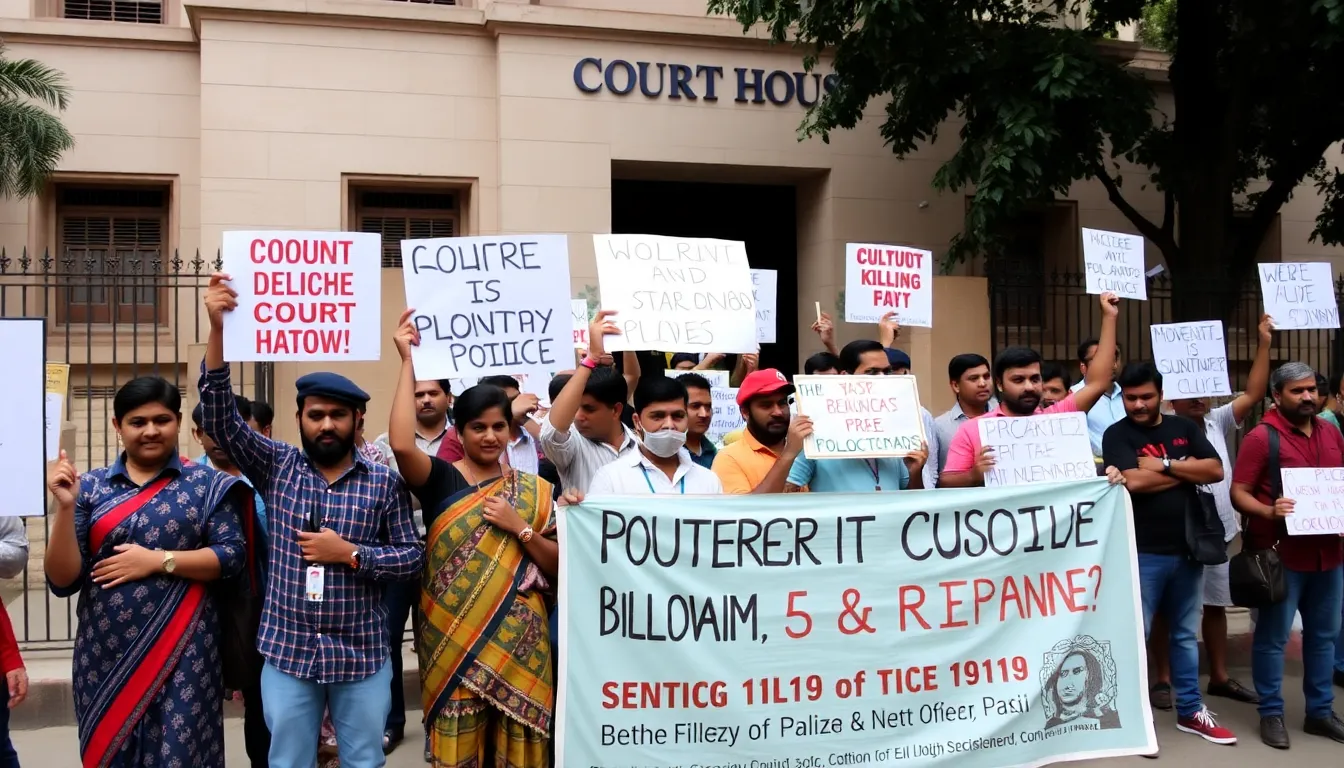
In terms of economic implications, businesses operating in regions known for police violence may face increased scrutiny and potential disruptions. The verdict could lead to protests or unrest, affecting local commerce. Conversely, there may be opportunities for businesses that advocate for social justice or provide legal support services, as public interest in these areas grows.
- Victims’ families: Seeking justice and closure.
- Public trust: Potential restoration or further erosion.
- Local businesses: Facing risks of disruption and new opportunities.
- Law enforcement: Under increased scrutiny and pressure for reform.
In the mid-term, this verdict may influence policy changes regarding police practices and accountability measures. Lawmakers might feel compelled to introduce reforms aimed at preventing future abuses, which could reshape the relationship between communities and law enforcement agencies. This could also lead to a broader dialogue about human rights in India, potentially impacting various sectors, including legal, social services, and public policy.
A: The policemen were sentenced for their roles in the unlawful killings of individuals during their custody amid the Covid-19 pandemic, which raised serious concerns about police conduct. A: This case sets a significant precedent for police accountability, indicating that unlawful actions by law enforcement can lead to severe penalties, including death sentences. A: Public reaction has been mixed, with some expressing relief at the accountability measures, while others are concerned about the implications of capital punishment. A: Yes, this case may prompt reforms in policing practices and policies to ensure better accountability and prevent future abuses. A: The convicted policemen have the right to appeal the verdict, and the legal process will continue as they seek to overturn their sentences.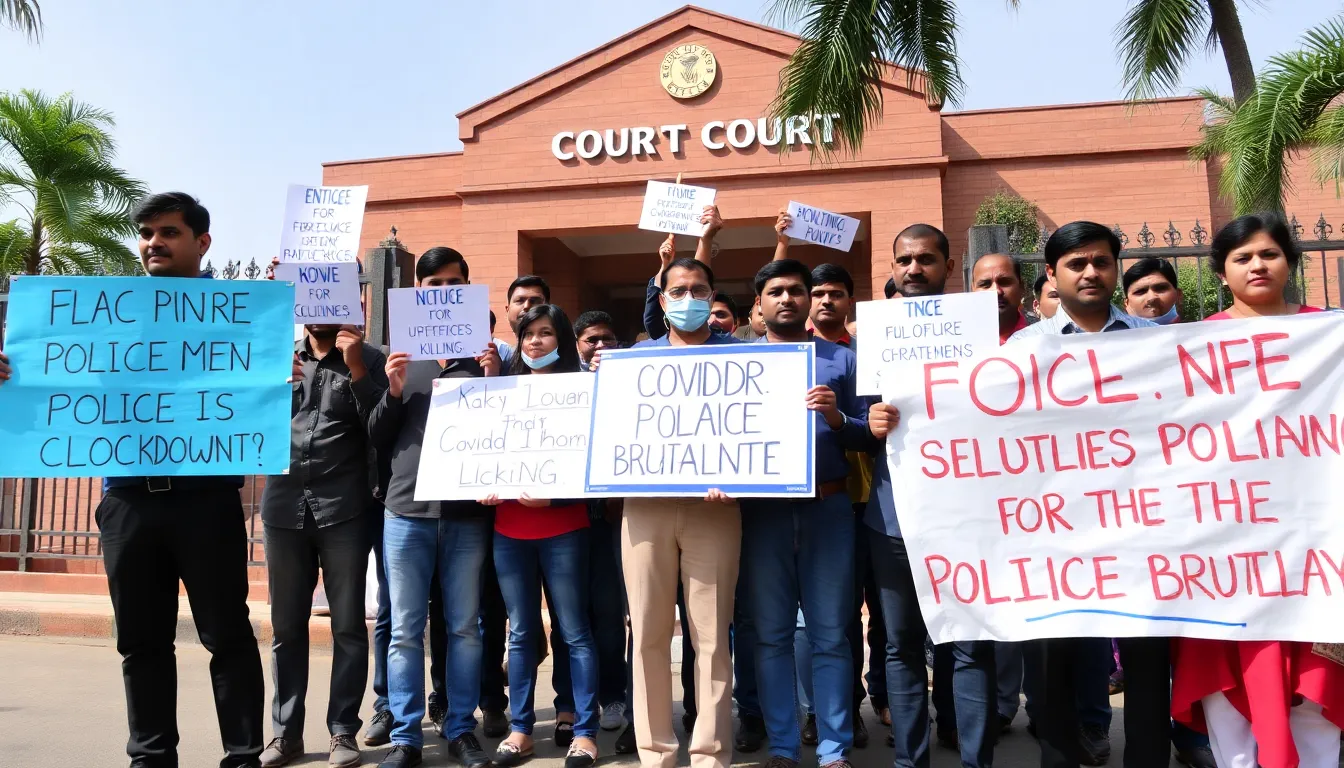
Frequently asked questions about the case
Key takeaways and future implications of the verdict
The sentencing of nine policemen to death for their involvement in custody killings during the Covid pandemic marks a pivotal moment in India’s approach to police accountability. This case underscores the ongoing challenges within law enforcement and the judicial system in addressing human rights violations. As the nation grapples with the implications of this verdict, it raises important questions about systemic reforms needed to prevent future abuses and ensure justice for victims.
Furthermore, this ruling could set a precedent for similar cases, encouraging victims and their families to seek justice while also prompting law enforcement agencies to reevaluate their practices. The broader societal implications of this case may influence public trust in the justice system and the police, highlighting the need for transparency and accountability in law enforcement.
- The verdict may inspire other victims of police brutality to come forward, potentially leading to more cases being prosecuted.
- This case could push for reforms in police training and oversight, aiming to prevent future abuses of power.
- Public perception of law enforcement may shift, emphasizing the need for improved community relations and trust-building efforts.
- The ruling may prompt a review of existing laws regarding police conduct and human rights protections in India.
- International attention on this case could influence global discussions on police accountability and human rights standards.