
The unrest began in March 2023, when thousands of citizens took to the streets demanding accountability and reform. Reports indicate that the security forces used excessive force to disperse the crowds, resulting in numerous injuries and fatalities. The situation escalated, prompting calls for an independent investigation into the actions taken by the government, similar to what was seen after previous protests.
Oli, who served as Prime Minister from 2018 to 2021, has denied any wrongdoing. His arrest marks a critical moment in Nepal’s ongoing struggle for democratic governance and human rights, as many view this incident as a test of the current administration’s commitment to justice and accountability. Political analysts suggest that this could lead to further unrest, as Oli’s supporters rally against what they perceive as political persecution.
The implications of this arrest extend beyond the immediate political ramifications, as it raises questions about the rule of law in Nepal. Observers are closely monitoring the situation, as the response from both the government and the public could shape the future of the country’s democratic institutions and civil liberties.
Understanding the events leading to the crackdown
The political landscape of Nepal has been tumultuous in recent years, marked by a series of protests and governmental changes. KP Sharma Oli, who served as Prime Minister from 2018 to 2021, has been a polarizing figure in this context. His tenure was characterized by a push for nationalism and a strong stance against external influences, particularly from India and China. This approach, while popular among some segments of the population, also led to significant dissent, particularly regarding issues of governance and human rights, reminiscent of the struggles faced by various movements in different contexts.
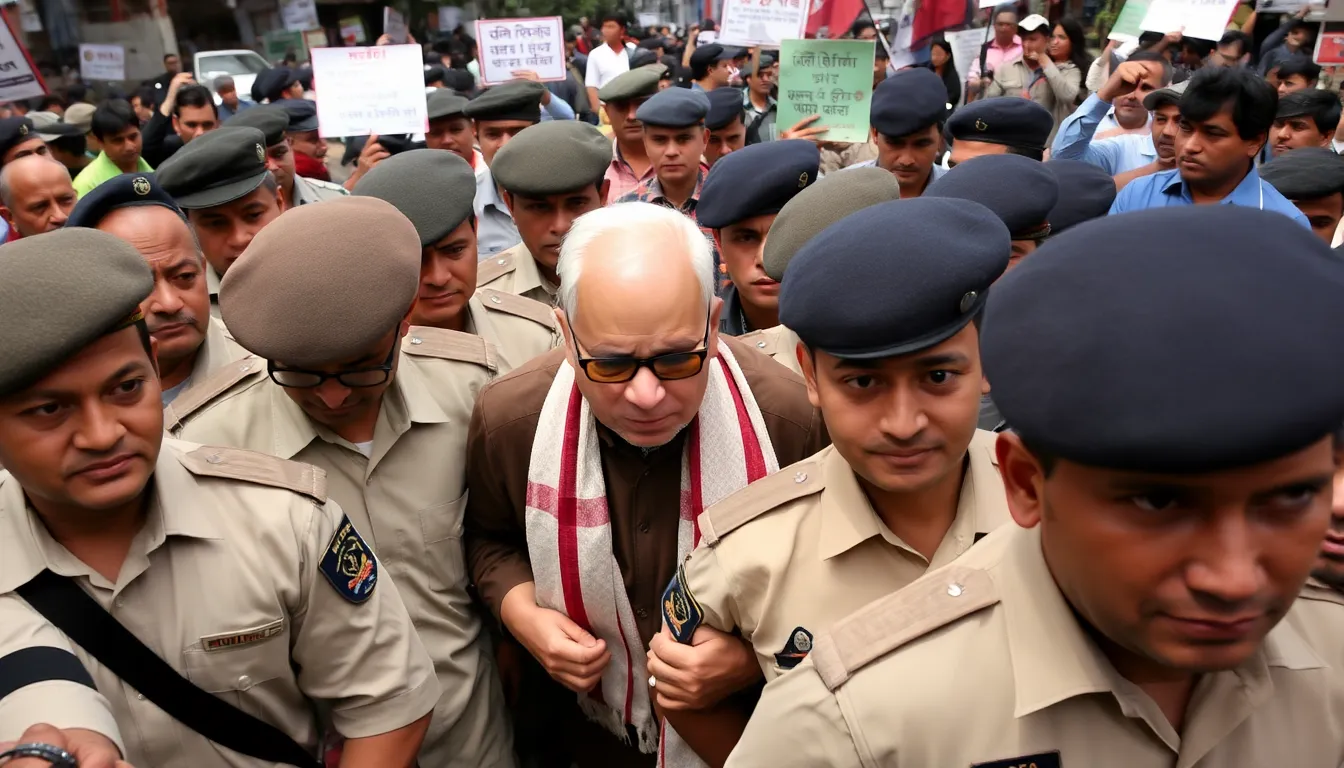
The immediate backdrop to the recent protests can be traced back to Oli’s controversial decisions, including the dissolution of the House of Representatives in December 2020. This move was met with widespread criticism and accusations of authoritarianism, igniting protests across the country. Activists and opposition parties rallied against what they perceived as a power grab, demanding a restoration of democracy and accountability in governance.
In the wake of these protests, the government’s response was swift and severe. Security forces clashed with demonstrators, leading to injuries and several fatalities. The crackdown raised alarm among human rights organizations, who condemned the use of excessive force against peaceful protesters. The situation escalated, prompting calls for an independent investigation into the government’s actions during the unrest.
Key Milestones in Recent Nepali Politics
Several key events have shaped the current political climate in Nepal. The end of the civil war in 2006 and the subsequent declaration of a federal democratic republic in 2008 marked significant milestones in the country’s journey towards democracy. However, the transition has been fraught with challenges, including political instability and frequent changes in leadership. The rise of Oli and his party, the Communist Party of Nepal (Unified Marxist-Leninist), in the 2017 elections was seen as a pivotal moment, but his controversial governance style has led to a fracturing of support and increased tensions within the political sphere.
Key stakeholders and implications of Oli’s arrest
The arrest of KP Sharma Oli, Nepal’s former prime minister, has sent shockwaves through the political landscape of the country. Several key stakeholders are involved, each with their own interests and potential implications stemming from this event. Among these stakeholders are the Nepali government, political parties, civil society organizations, and the general populace.
The Nepali government, currently led by Prime Minister Pushpa Kamal Dahal, has a vested interest in maintaining stability and public order. The government’s actions against Oli could be seen as an effort to assert authority and address public grievances regarding the protest crackdown. However, this could also lead to increased polarization among political factions, particularly between Oli’s supporters and the ruling coalition.
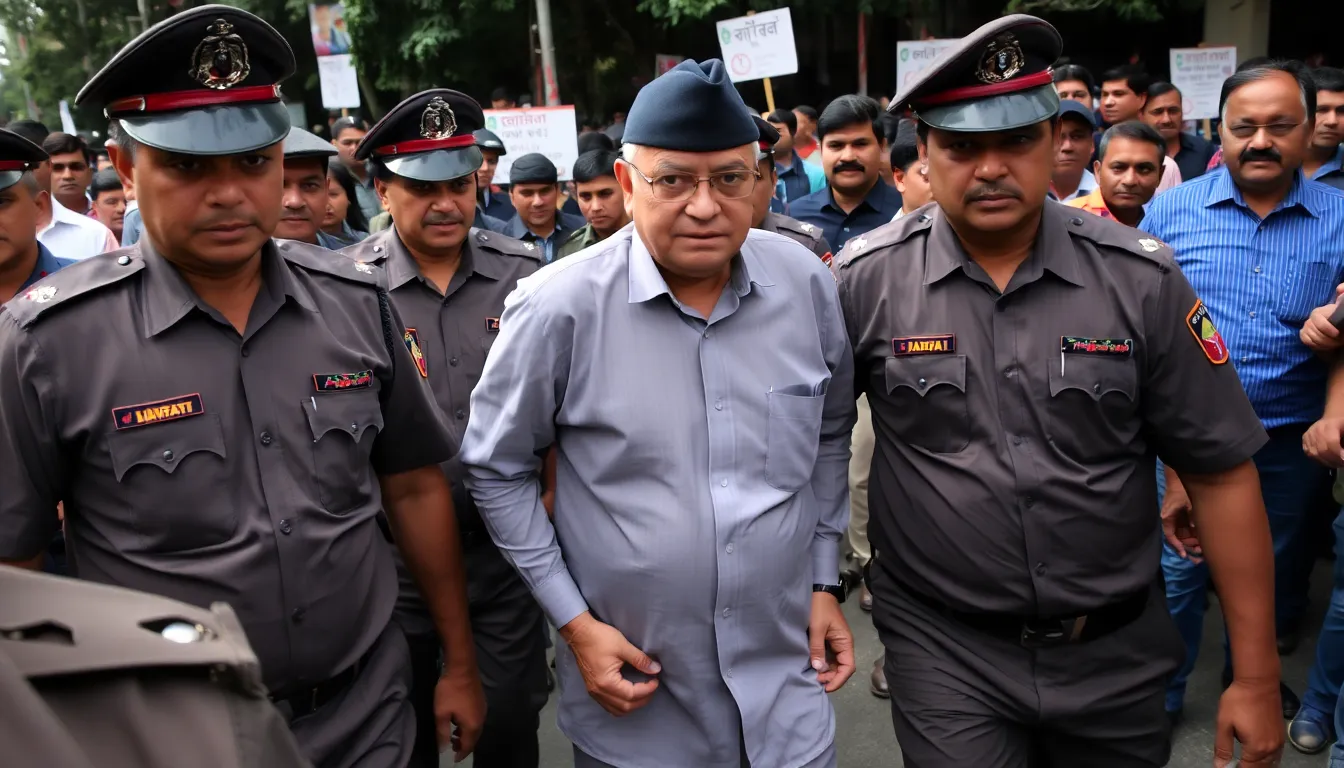
Political parties, especially those aligned with Oli, are likely to react strongly to his arrest. The Communist Party of Nepal (Unified Marxist-Leninist), of which Oli is a prominent leader, may mobilize its base in response. This could result in heightened tensions and potential unrest, as party members and supporters rally around Oli, viewing the arrest as politically motivated persecution.
- Public sentiment: The general populace may be divided on the issue, with some viewing Oli as a martyr for democracy while others see him as responsible for the violence during the protests.
- International response: The arrest may attract attention from international human rights organizations, which could lead to scrutiny of Nepal’s political climate and governance.
- Legal implications: The legal proceedings against Oli will be closely watched, as they may set precedents for future political accountability in Nepal.
- Economic considerations: Political instability could impact foreign investment and economic recovery efforts, as investors may be wary of the uncertain political environment.
In summary, the arrest of KP Sharma Oli is a multifaceted issue with various stakeholders affected. The unfolding events will likely shape Nepal’s political future, influencing not only domestic politics but also international relations and economic stability.
Potential effects on Nepal’s political landscape
The arrest of KP Sharma Oli, Nepal’s former prime minister, has significant implications for various groups and regions within the country. Political factions, civil society organizations, and the general populace are all poised to feel the repercussions of this event. The immediate impact is likely to be felt most acutely in urban areas where protests and political rallies are more common.
In the short term, the arrest may lead to increased political instability as Oli’s supporters mobilize to protest against what they perceive as a politically motivated action. This could disrupt daily life in major cities, leading to roadblocks and heightened tensions. Businesses, particularly those in sectors reliant on stability, such as tourism and retail, may experience a downturn as public demonstrations deter customers and disrupt operations.
In the mid-term, the situation could lead to a reevaluation of political alliances and party strategies. The ruling party may face pressure to address concerns about governance and human rights, potentially leading to policy changes. On the other hand, opposition parties may gain momentum, presenting both risks and opportunities in the political arena.
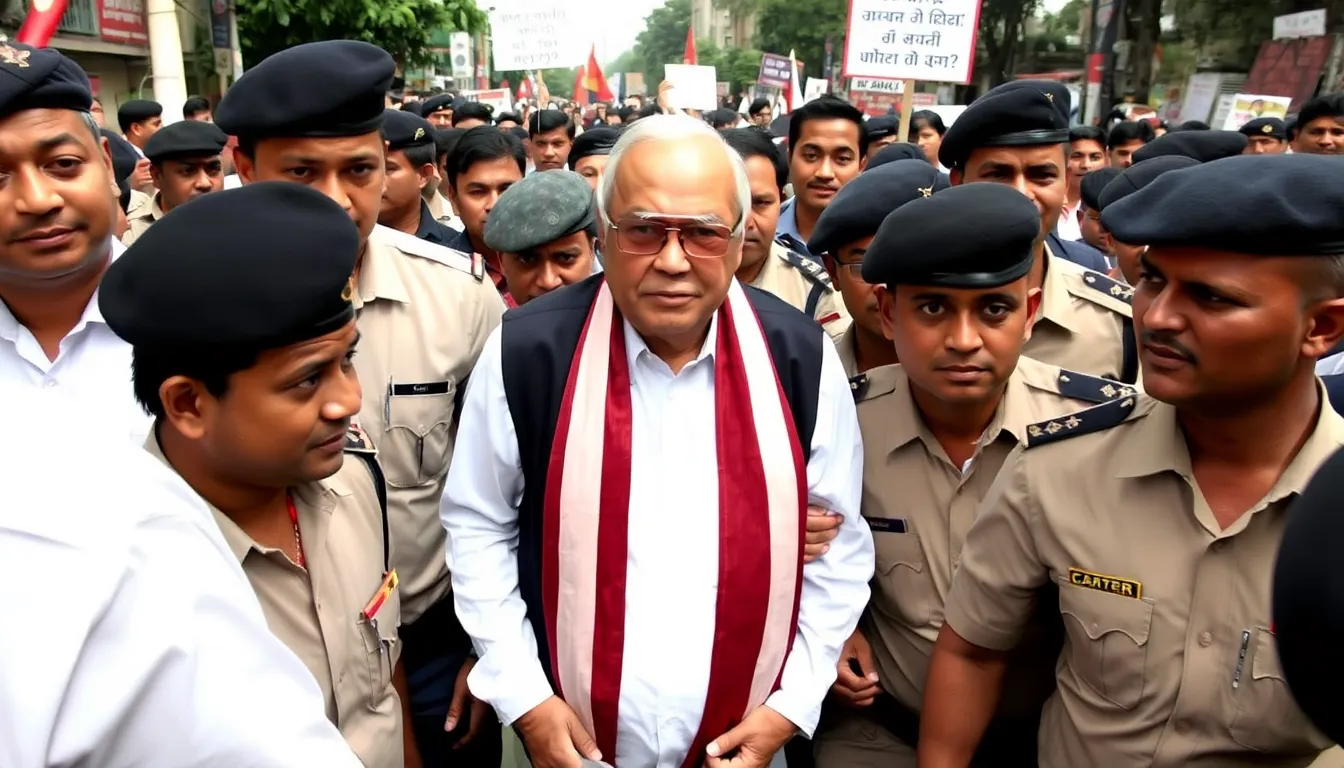
- Risks: Potential for increased civil unrest and violence, disruption of daily commerce, and a decline in investor confidence.
- Opportunities: A chance for political reform, greater civic engagement, and the emergence of new leadership within opposition parties.
Overall, the ramifications of Oli’s arrest extend beyond the political sphere, influencing economic conditions and the social fabric of Nepal. Stakeholders across various sectors must navigate this evolving landscape with caution and foresight.
A: KP Sharma Oli was arrested due to allegations of his involvement in a violent crackdown on protests that resulted in numerous casualties. The protests were sparked by widespread discontent with government policies. A: The charges against Oli include incitement to violence and failure to protect citizens during the protests. Authorities are investigating his role in the decision-making process during the crackdown. A: Public reaction has been mixed, with some supporting the arrest as a step towards accountability, while others view it as a politically motivated move to undermine his party. A: The arrest could lead to increased political instability, as it may deepen divisions within the ruling party and provoke further protests from Oli’s supporters. A: Yes, KP Sharma Oli is expected to face trial where evidence will be presented regarding his alleged involvement in the protest crackdown.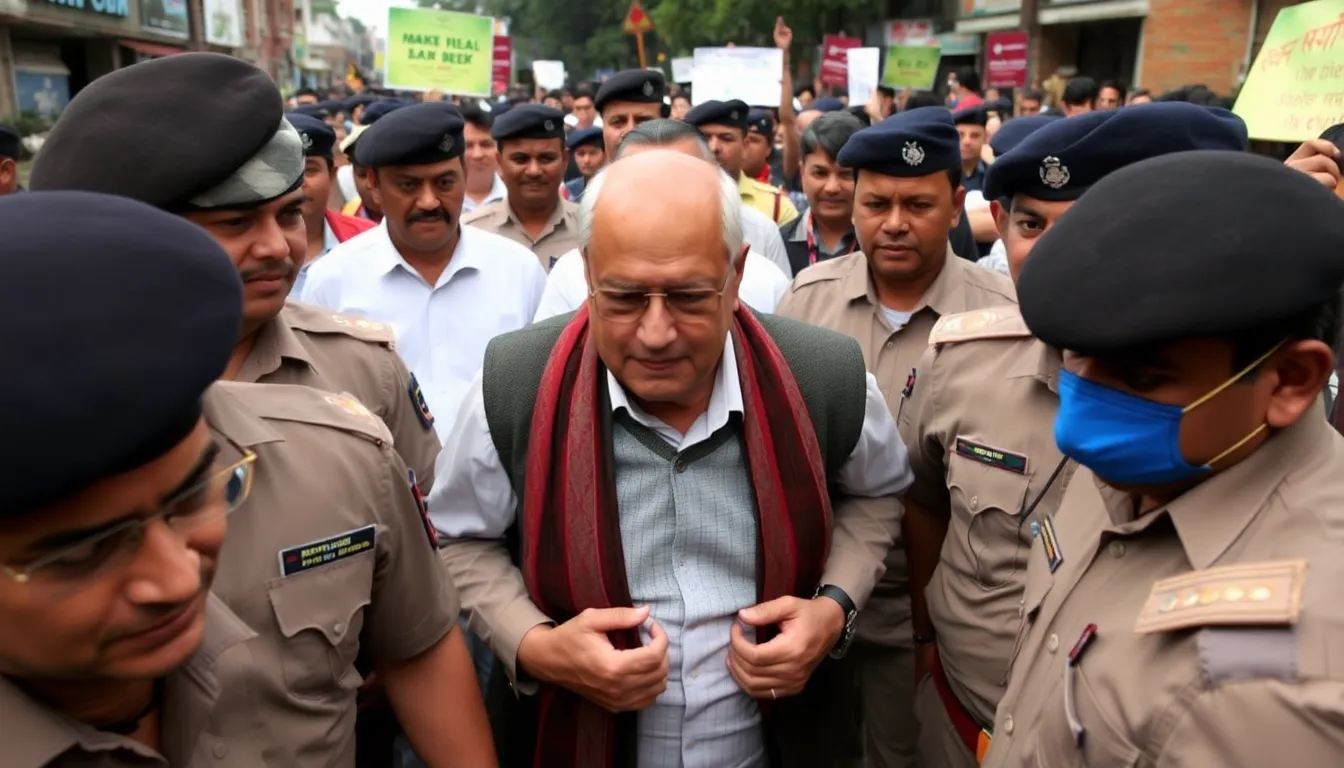
Frequently asked questions about the arrest
Looking ahead: key takeaways and future implications
The arrest of KP Sharma Oli marks a significant moment in Nepal’s political landscape, reflecting the ongoing tensions between the government and opposition forces. This development could lead to a reevaluation of political alliances and strategies as both sides navigate the aftermath of the protests and the crackdown. Observers should consider how this situation may affect public sentiment and the potential for further unrest.
As Nepal grapples with the implications of this arrest, the focus will likely shift to the judiciary’s role and the government’s response to civil liberties. The international community’s reaction may also influence domestic politics, particularly regarding human rights issues and governance standards in Nepal.
- Monitor the response of opposition parties and their strategies in light of Oli’s arrest.
- Watch for potential changes in public sentiment towards the government, especially among youth and activist groups.
- Observe how the judiciary handles the case and its implications for rule of law in Nepal.
- Consider the impact of international reactions on Nepal’s political stability and human rights practices.
- Evaluate the potential for future protests and movements advocating for political reform and accountability.