
The soldier, who has received numerous awards for bravery, including the Victoria Cross, was taken into custody on October 31, 2023.
This case is particularly significant as it marks a turning point in how Australia addresses allegations of war crimes by its military personnel. The Australian Defence Force (ADF) has been under scrutiny following a 2020 report by the Inspector-General of the Australian Defence Force, which detailed potential breaches of the law by special operations forces.
The implications of this arrest extend beyond the individual soldier, as it raises broader concerns about military oversight and the treatment of veterans. Advocacy groups have called for transparency and accountability, emphasizing the need for a thorough legal process to ensure justice is served.
As the legal proceedings unfold, the case is likely to impact public perception of the Australian military and its operations overseas. Observers are keenly watching how the government and military leadership respond to these allegations and what measures will be taken to prevent future incidents.
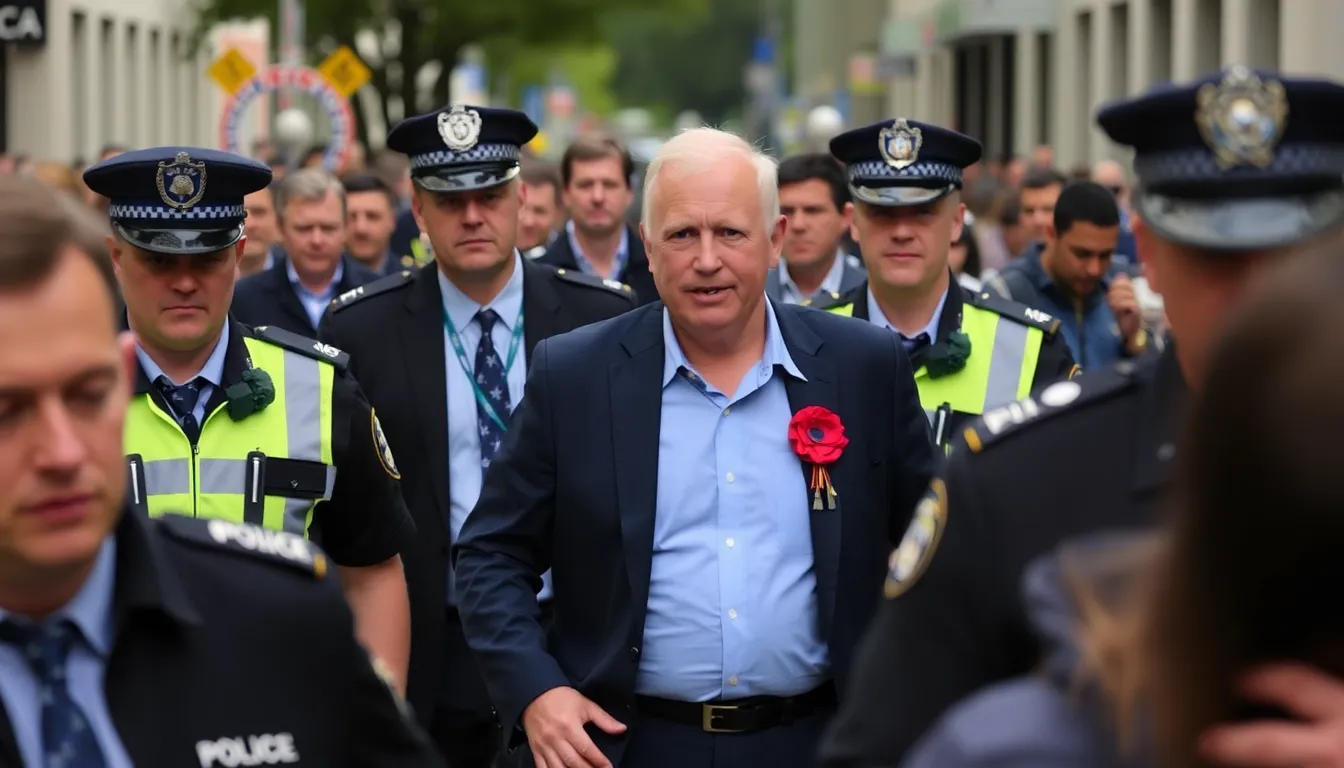
Understanding the background of the allegations
The recent arrest of Australia’s most-decorated living soldier has sent shockwaves through the nation, raising questions about military conduct and accountability. This incident is set against a backdrop of Australia’s involvement in various conflicts, particularly in Afghanistan, where allegations of war crimes have surfaced over the years. The Australian Defence Force (ADF) has faced scrutiny regarding its operations, with reports indicating that some soldiers may have engaged in unlawful killings during combat missions.
However, the modern era of warfare has introduced complexities that challenge traditional notions of heroism and honor, making the findings from the Brereton Inquiry particularly significant.
Key milestones in the investigation
In 2016, the Brereton Inquiry was launched to investigate allegations of war crimes committed by Australian special forces in Afghanistan. This inquiry aimed to uncover the truth behind reports of extrajudicial killings and mistreatment of prisoners. The findings, released in 2020, detailed numerous incidents that warranted further legal action, leading to increased public and governmental pressure for accountability. The arrest of the decorated soldier marks a significant turning point in this ongoing saga, as it signals a willingness to hold individuals accountable for their actions, regardless of their status or achievements.
The political landscape surrounding this issue is also crucial to understanding the current situation. The Australian government has faced criticism for its handling of military misconduct allegations, with calls for reforms to ensure that soldiers are held accountable for their actions. Public sentiment has shifted, with many Australians demanding justice for victims of war crimes, reflecting a broader societal push for ethical conduct in military operations.
As the legal proceedings unfold, the implications of this case extend beyond the individual soldier. It raises fundamental questions about the culture within the ADF, the training provided to soldiers, and the mechanisms in place to prevent and address misconduct. The outcome of this case may set a precedent for how Australia addresses military accountability in the future, shaping the nation’s approach to both domestic and international military engagements.
Analyzing the implications for military and legal frameworks
The arrest of Australia’s most-decorated living soldier over alleged war crimes has sparked significant discourse among various stakeholders, including military officials, legal experts, human rights organizations, and the general public. Each of these actors has distinct interests that influence their perspectives on the situation.
Military officials are primarily concerned with the implications this case may have on the reputation and integrity of the Australian Defence Force (ADF).
Legal experts and human rights organizations are focused on the legal ramifications of the arrest. They argue that it is crucial for justice to be served, not only for the alleged victims but also to uphold international law. This case could set a precedent regarding the prosecution of war crimes, emphasizing the importance of accountability for actions taken during armed conflict.
- Conflicts of Interest: The military’s desire to protect its image may conflict with the pursuit of justice for alleged war crimes.
- Legal Precedents: The outcome of this case could influence future prosecutions of war crimes involving Australian soldiers.
- Public Perception: The general public’s reaction may vary, with some supporting the soldier and others advocating for accountability.
- International Relations: Australia’s commitment to international law may be scrutinized, impacting diplomatic relations with other nations.
- Military Conduct Standards: This case may prompt a reevaluation of training and operational protocols within the ADF.
As this situation unfolds, the interplay between these stakeholders will be critical in shaping the narrative around military conduct and legal accountability. The outcomes may not only affect the individuals involved but could also reverberate through the broader frameworks governing military operations and human rights standards globally.
Potential impact on the Australian military community
The arrest of Australia’s most-decorated living soldier on allegations of war crimes has sent shockwaves throughout the military community. Veterans, active service members, and their families are grappling with the implications of this high-profile case, which raises questions about the conduct of military operations and the accountability of service personnel.
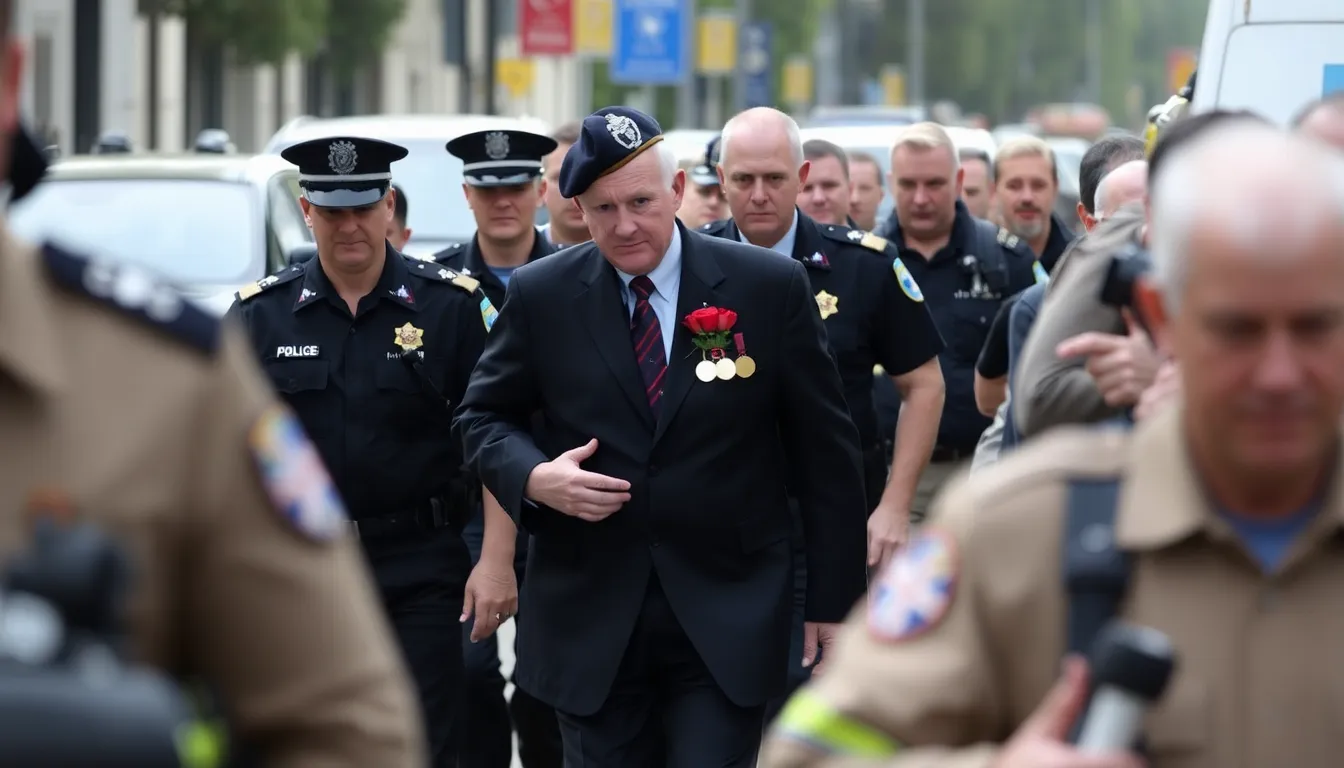
In the short term, this incident may lead to increased scrutiny of military practices and a potential shift in public perception regarding the Australian Defence Force (ADF). Many veterans may feel stigmatized or concerned about their own reputations as the case unfolds, which could affect their mental health and community ties.
Mid-term effects could include changes in military policy and training protocols. The ADF may be compelled to implement more stringent guidelines on engagement rules and ethical conduct, which could alter operational strategies. This could also lead to a reevaluation of how military history is taught and discussed within Australian society.
- Increased scrutiny on military operations and conduct.
- Potential changes in military training and policies.
- Impact on veterans’ mental health and community perceptions.
- Opportunities for advocacy groups to push for reforms.
- Possible shifts in public support for military funding and initiatives.
On the business front, defense contractors and industries associated with military operations may experience fluctuations in contracts and public support. Companies that prioritize ethical practices may benefit from heightened awareness, while those under scrutiny may face challenges in securing future contracts.
Overall, while the immediate impacts are likely to be challenging for the military community, there may also be opportunities for constructive dialogue about military accountability and reform, which could lead to a more transparent and ethical framework within the ADF.
A: The soldier is facing allegations of war crimes committed during military operations, including unlawful killings. The details of the charges are still being investigated. A: Public reaction has been mixed, with some supporting accountability for war crimes while others express concern over the implications for military personnel. A: This arrest could have significant implications for Australia’s military reputation, highlighting issues of accountability and conduct in combat situations. A: Yes, a trial is expected to take place, where evidence will be presented and the soldier will have the opportunity to defend against the allegations. A: Following the arrest, there will be preliminary hearings to determine the validity of the charges, followed by a potential court trial.
Frequently asked questions about the arrest
Key takeaways and future implications of the case
The arrest of Australia’s most-decorated living soldier over alleged war crimes marks a significant moment in the nation’s military and legal landscape. This situation not only raises questions about accountability within the armed forces but also invites scrutiny of the broader implications for veterans and military operations. As the legal proceedings unfold, the case may influence public perception of military conduct and the government’s handling of war crime allegations.
Furthermore, the case could prompt discussions about the support systems in place for veterans, especially those involved in contentious operations. It highlights the necessity for transparent investigations and the importance of upholding justice, not just for the accused but for the victims of alleged war crimes.
- Increased scrutiny of military operations and conduct may lead to reforms in how the Australian Defence Force addresses allegations of war crimes.
- The case could impact public trust in military institutions and their accountability mechanisms.
- Potential changes in policies regarding veteran support and mental health resources may arise as a response to the case.
- The unfolding legal process will likely draw significant media attention, influencing public discourse on military ethics.
- This situation may set a precedent for future cases involving military personnel and their conduct during service.