
The discovery of these plastics raises concerns about the environmental implications of waste management practices that were prevalent during that era. Items such as bottles, packaging, and other plastic products serve as a stark reminder of the ongoing challenges posed by plastic pollution in marine environments.
Local residents and environmentalists have expressed their alarm at the sight of these materials, emphasizing the need for more effective global strategies to combat plastic waste. The situation underscores the urgency of addressing not only current plastic production but also the legacy of past practices that have led to widespread pollution.
As these historical plastics continue to emerge, they reflect a broader issue of environmental stewardship and the responsibility of society to mitigate future pollution. For more insights on the social impact of pollution, check out our article on trash art and environmental debates.
Understanding the history of plastic production and waste management in Canada
The rise of plastic production in Canada can be traced back to the mid-20th century, a period marked by rapid industrialization and consumerism. In the 1960s, the Canadian economy was booming, and the demand for convenient, durable materials led to the widespread adoption of plastics across various sectors, including packaging, construction, and automotive industries. This era saw the introduction of single-use plastics, which quickly became popular due to their affordability and versatility.
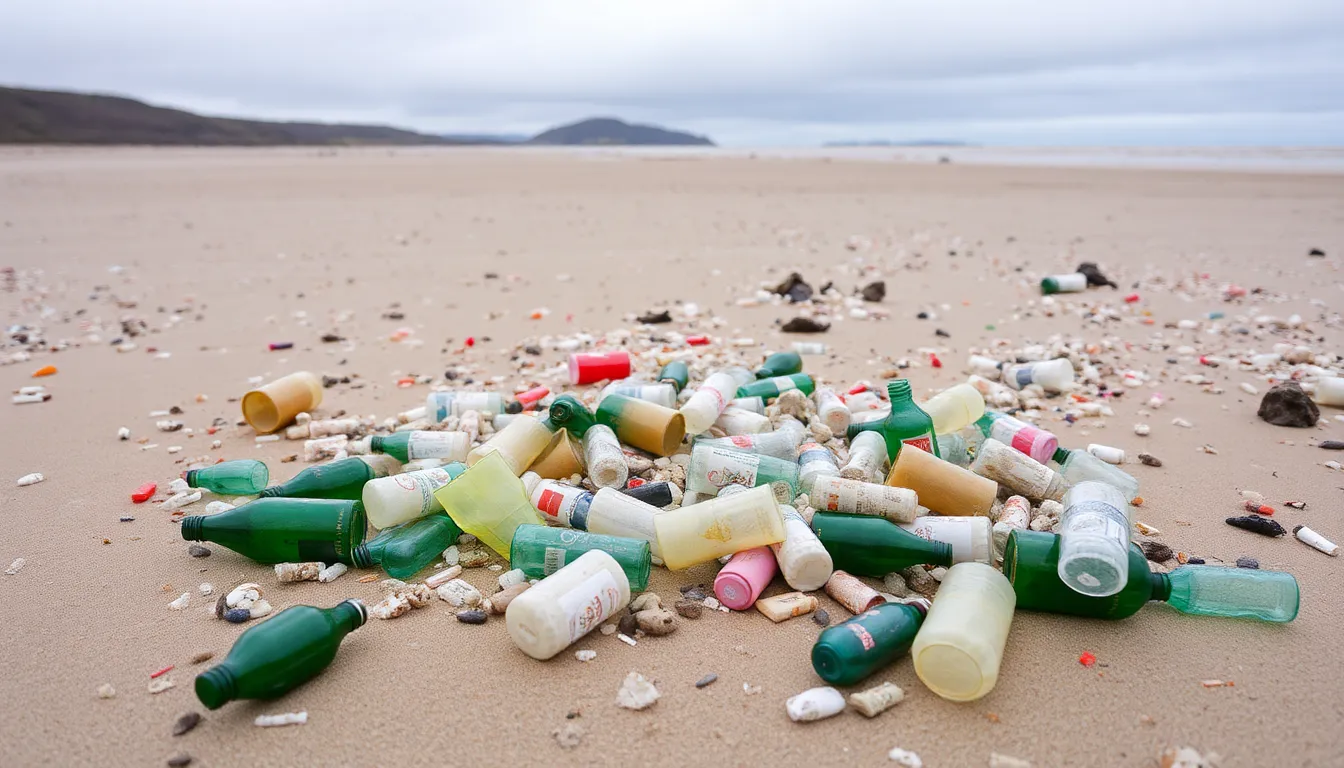
However, the environmental implications of plastic production and disposal were not fully understood at the time. The lack of stringent regulations and waste management strategies resulted in significant amounts of plastic waste being discarded improperly. Many communities relied on landfills as the primary method of waste disposal, and recycling programs were in their infancy, leading to a culture of disposability that has persisted over the decades.
As the years progressed, the consequences of plastic pollution became increasingly evident. By the 1980s and 1990s, environmental activists began to raise awareness about the detrimental effects of plastic waste on ecosystems and wildlife. Despite these warnings, plastic production continued to rise, fueled by globalization and the demand for cheap consumer goods. This growth was accompanied by a lack of effective policies to manage plastic waste, resulting in significant quantities ending up in oceans and waterways.
The Global Impact of Plastic Waste
Canada’s plastic waste issue is not isolated; it is part of a larger global crisis. Plastics produced in one part of the world can travel vast distances through ocean currents, leading to pollution in remote areas, such as the beaches of Orkney. The phenomenon of plastic debris washing ashore in distant locations highlights the interconnectedness of environmental issues and the need for comprehensive international strategies to address plastic pollution.
However, the legacy of decades of plastic production continues to haunt the environment, as evidenced by the discovery of plastic waste from the 1960s on remote beaches, serving as a stark reminder of the long-lasting impact of human consumption patterns. To learn more about the historical context of pollution, read our article on previous environmental challenges.
Examining the implications for marine life and local communities
The recent discovery of plastic debris from the 1960s on Orkney beaches highlights the ongoing challenges posed by marine pollution. Key stakeholders in this issue include local communities, environmental organizations, government agencies, and the broader public, each with distinct interests and concerns.
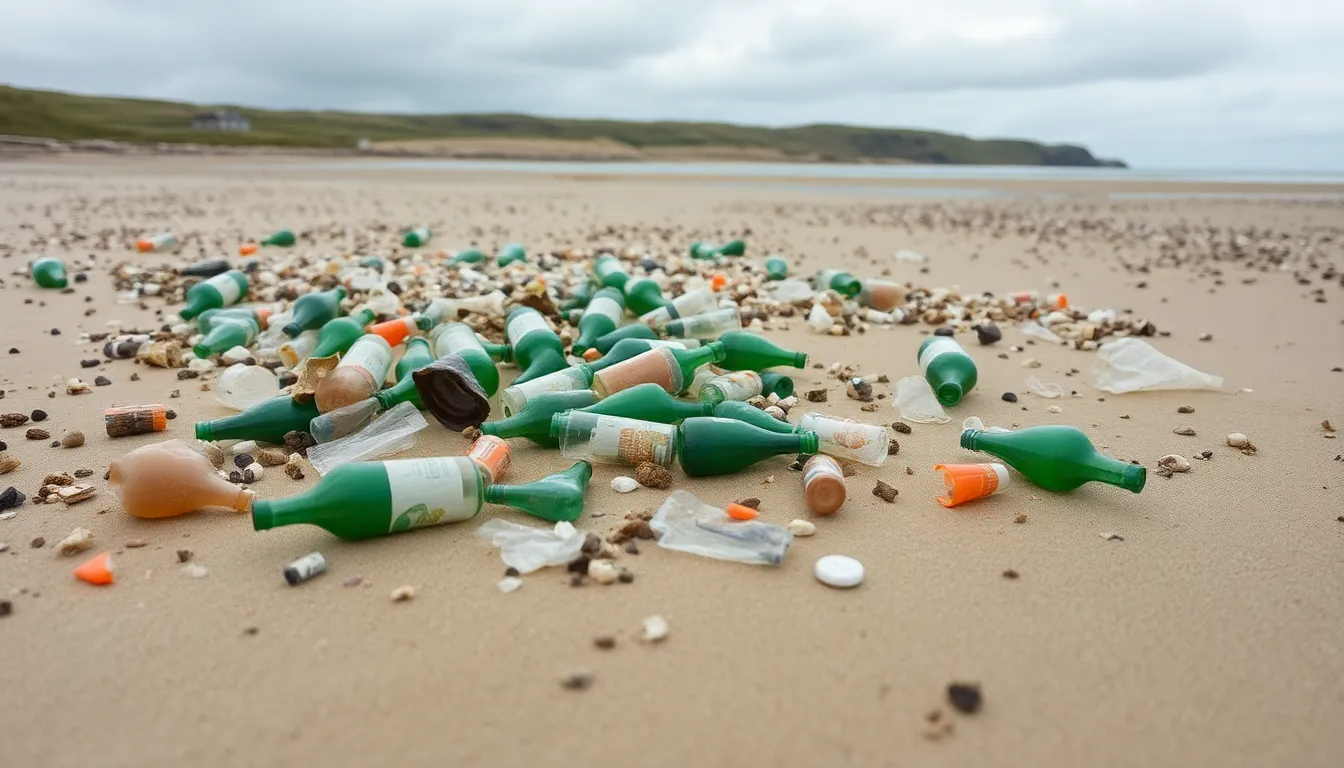
Local communities, particularly those dependent on fishing and tourism, are directly impacted by the presence of plastic waste. Their interests revolve around maintaining a clean environment that supports both their livelihoods and the health of local ecosystems. Environmental organizations, such as Greenpeace and the Marine Conservation Society, advocate for stronger regulations on plastic production and waste management, aiming to protect marine life from the harmful effects of pollution.
Government agencies face the challenge of balancing economic development with environmental protection. They must navigate legal frameworks that govern waste management and marine conservation while addressing public concerns about pollution. This situation creates a complex landscape of conflicts and trade-offs, as stakeholders push for different priorities.
- Environmental Impact: The accumulation of plastic poses significant risks to marine wildlife, potentially leading to long-term ecological damage.
- Economic Considerations: Local economies that rely on clean beaches and healthy marine environments may suffer from decreased tourism and fishing yields.
- Regulatory Challenges: Existing laws may not adequately address the historical context of pollution, complicating efforts to hold responsible parties accountable.
- Public Awareness: Increased visibility of these issues can lead to greater public engagement and pressure on policymakers to implement change.
Ultimately, the situation serves as a reminder of the far-reaching consequences of plastic pollution, necessitating collaborative efforts among stakeholders to devise effective solutions that safeguard both marine ecosystems and local communities. This interconnectedness mirrors the issues discussed in our piece about technology trends and environmental impact.
The effects of plastic pollution on the environment and tourism
The recent discovery of plastic waste from the 1960s on Orkney beaches highlights the far-reaching consequences of plastic pollution. This issue affects various groups, including local communities, environmental organizations, and the tourism industry. As plastic debris continues to wash ashore, it poses threats to marine life, disrupts ecosystems, and tarnishes the natural beauty that attracts visitors.
In the short term, local residents may experience a decline in beach accessibility and cleanliness, impacting daily life and recreational activities. Businesses reliant on tourism, such as hotels and restaurants, could face decreased visitor numbers as the perception of Orkney’s pristine environment diminishes. This could lead to financial losses and job insecurity within the tourism sector.
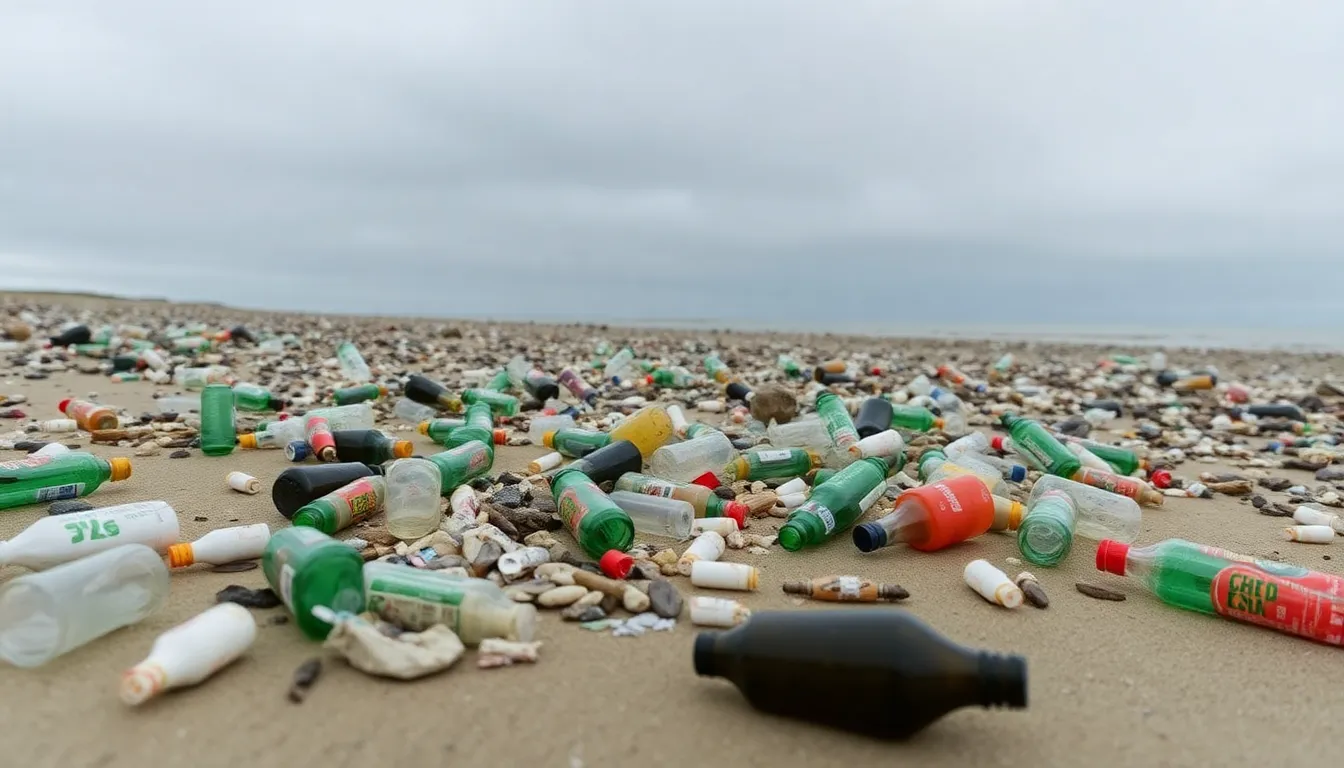
Mid-term impacts may involve increased pressure on local governments to implement stricter waste management policies and invest in cleanup efforts. Communities might rally for more sustainable practices, leading to a shift in local policies. However, this could also present opportunities for businesses focused on environmental sustainability, such as eco-tourism and waste management solutions.
- Risks: Decline in tourism, financial losses for local businesses, ecological damage.
- Opportunities: Growth in eco-friendly businesses, community engagement in sustainability efforts, potential for increased funding for environmental initiatives.
As awareness of plastic pollution grows, the affected groups may find themselves at a crossroads, where urgent action is necessary to protect both the environment and the local economy. The collective response to this issue could shape the future of Orkney and its surrounding regions, fostering a culture of sustainability and resilience.
A: Various types of plastic items were discovered, including bottles, packaging materials, and other debris that originated from the 1960s. A: Old plastic can break down into microplastics, which are ingested by marine organisms, potentially disrupting ecosystems and food chains. A: Efforts include increased recycling initiatives, public awareness campaigns, and stricter regulations on plastic production and disposal. A: Orkney’s economy relies heavily on tourism and fishing, both of which can be adversely affected by environmental pollution. A: While complete elimination is challenging, reducing plastic usage and improving waste management practices can significantly mitigate the problem.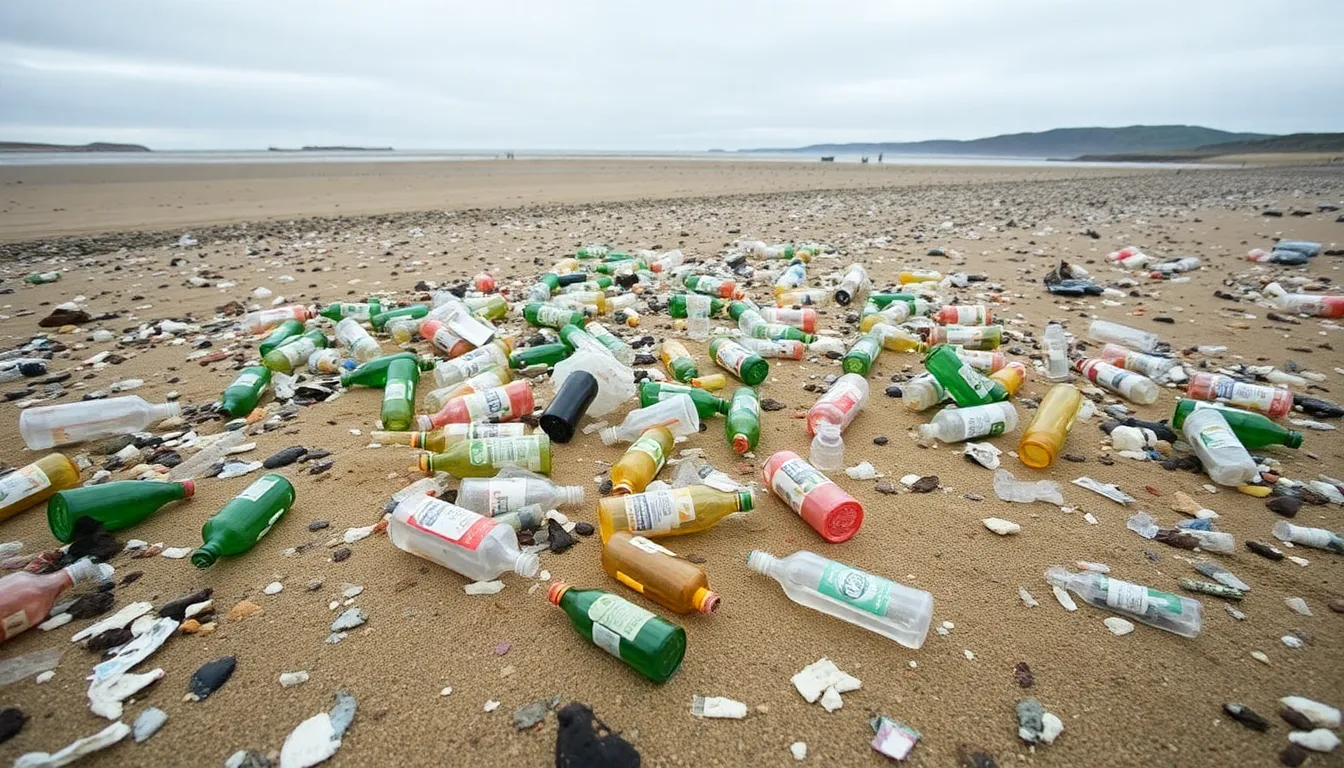
Frequently asked questions about plastic pollution
Key takeaways and future outlook on plastic waste management
The recent discovery of plastic waste from the 1960s on Orkney beaches underscores the long-lasting impact of plastic pollution on our environment. This incident serves as a stark reminder of the need for more effective waste management strategies and the importance of addressing the legacy of plastic that continues to affect ecosystems worldwide. As communities grapple with the implications of this pollution, it becomes increasingly clear that proactive measures are essential to mitigate future risks.
Looking ahead, it is vital to foster collaboration between governments, industries, and individuals to develop sustainable practices that can significantly reduce plastic waste. The situation also highlights the necessity for public awareness and education on the consequences of plastic use and disposal, as well as the importance of innovative solutions in waste management.
- Increased regulation: Expect stricter policies on plastic production and disposal to emerge as governments respond to public concern over environmental impacts.
- Innovation in materials: Watch for advancements in biodegradable alternatives that can help reduce reliance on traditional plastics.
- Community engagement: Local initiatives focusing on beach clean-ups and recycling programs may gain traction as communities seek to combat pollution.
- Global cooperation: International collaborations may strengthen, focusing on shared strategies for managing plastic waste and protecting marine environments.
- Public awareness campaigns: Increased efforts to educate the public about plastic pollution and waste reduction strategies are likely to become more prevalent.