
Recent events, such as the unveiling of Boston Dynamics’ Atlas robot in March 2023, have showcased impressive feats of agility and balance. Atlas can perform parkour-like maneuvers, demonstrating a remarkable ability to navigate obstacles. However, despite these advancements, many experts argue that true grace involves not just movement but also the ability to adapt and respond to unpredictable environments. For more on the implications of robotics on society, you might check out the article on misleading advertisements.
In academic circles, researchers are exploring the intersection of robotics and biomechanics to better understand how graceful movements can be replicated in machines. Studies published in journals like the Journal of Robotics and Autonomous Systems highlight the importance of fluid motion and the role of artificial intelligence in enhancing robotic performance. This research is crucial as it aims to bridge the gap between mechanical efficiency and the elegance seen in nature. If you’re interested in related topics, our article on questions about Saudi Arabia might offer some intriguing insights.
The implications of achieving graceful robots extend beyond aesthetics; they could revolutionize industries such as healthcare and service robotics. For instance, robots that can move gracefully could assist in rehabilitation therapies or perform delicate tasks in households. As the technology continues to evolve, the ethical and practical considerations surrounding the deployment of such robots will also come to the forefront. To learn more about technological advancements, you can explore our piece on abandoned oil tankers.
The evolution of robotics and aesthetics
The journey of robotics has been a fascinating interplay of technological advancement and artistic expression. From the early mechanical automatons of the 18th century, which mimicked human actions in a simplistic manner, to the highly sophisticated robots of today, the quest for creating machines that can move with grace has been a persistent challenge. Early inventors like Jacques de Vaucanson, who created a mechanical duck that could flap its wings and eat, laid the groundwork for the exploration of movement and aesthetics in machines.
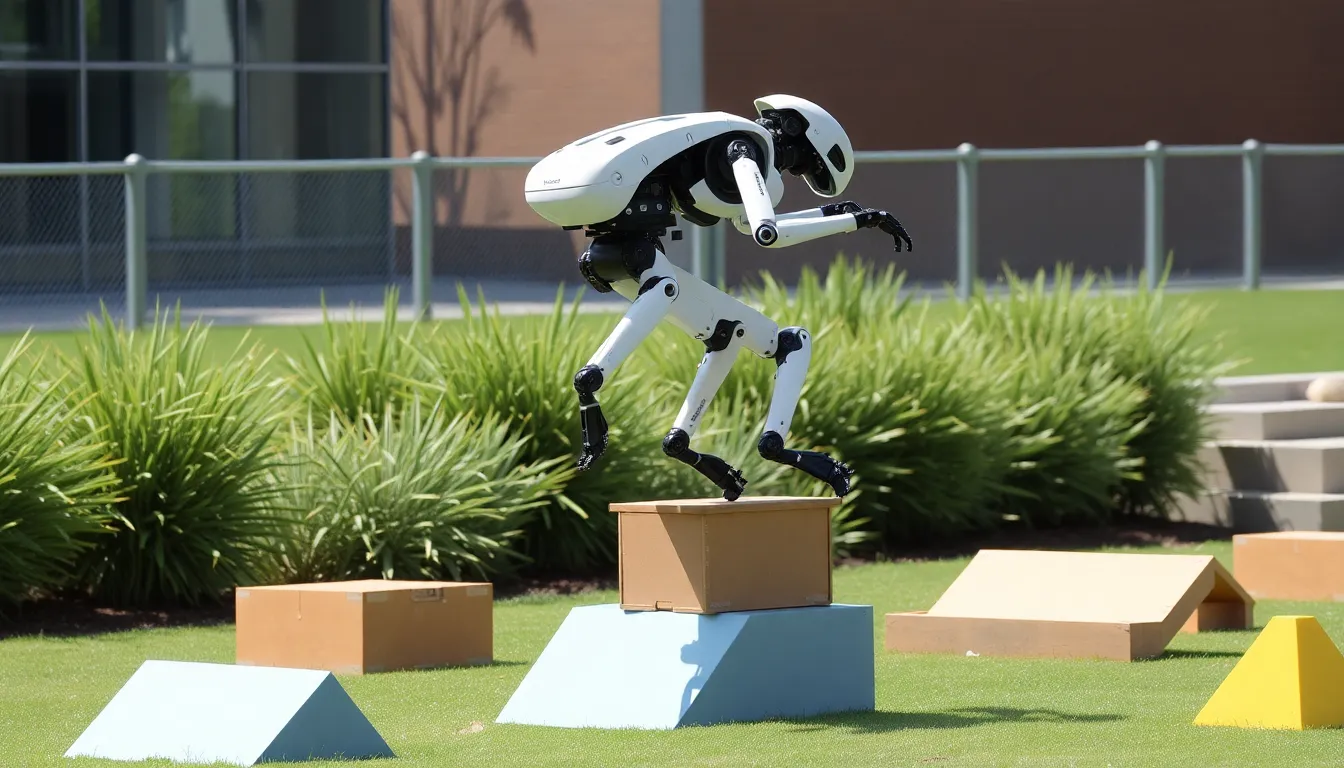
As the 20th century approached, the development of electronics transformed robotics, allowing for more complex movements and interactions. The introduction of servomechanisms and computer control systems enabled robots to perform tasks with precision. However, the focus was primarily on functionality rather than gracefulness. This shift was partly driven by the industrial revolution, where efficiency and productivity took precedence over elegance, leading to the creation of robots that could assemble cars but lacked any semblance of fluidity in their movements.
The intersection of art and technology
In recent decades, there has been a growing recognition of the importance of aesthetics in robotics. This shift is evident in fields like robotics art, where creators blend technology with artistic vision to produce robots that not only function but also evoke emotional responses. Events like the Robotic Art Exhibition showcase how artists are pushing the boundaries of robotics, exploring the delicate balance between mechanical precision and graceful movement. This intersection of art and technology raises questions about the nature of grace itself and whether it can be programmed into machines.
Additionally, advancements in artificial intelligence have opened new avenues for creating robots that can learn and adapt their movements over time. This has led to the development of robots that can dance, perform acrobatics, and even engage in sports, challenging the traditional notions of robotic movement. As these machines become more integrated into our daily lives, the debate surrounding their gracefulness reflects broader societal attitudes towards technology and its role in human experience.
The exploration of grace in robotics is not just a technical challenge; it is a reflection of our aspirations and fears about the future of human-robot interaction. As we continue to innovate and redefine what robots can do, the question remains: can robots ever truly embody grace, or will they always be seen as mere imitations of human elegance?
Key challenges in achieving graceful robotics
The pursuit of graceful robotics involves a complex interplay of various stakeholders, each with distinct interests. Researchers and engineers are at the forefront, driven by the desire to enhance robotic capabilities, improve human-robot interactions, and push the boundaries of technology. Their primary focus is on the development of algorithms and hardware that enable robots to move fluidly and respond to dynamic environments.
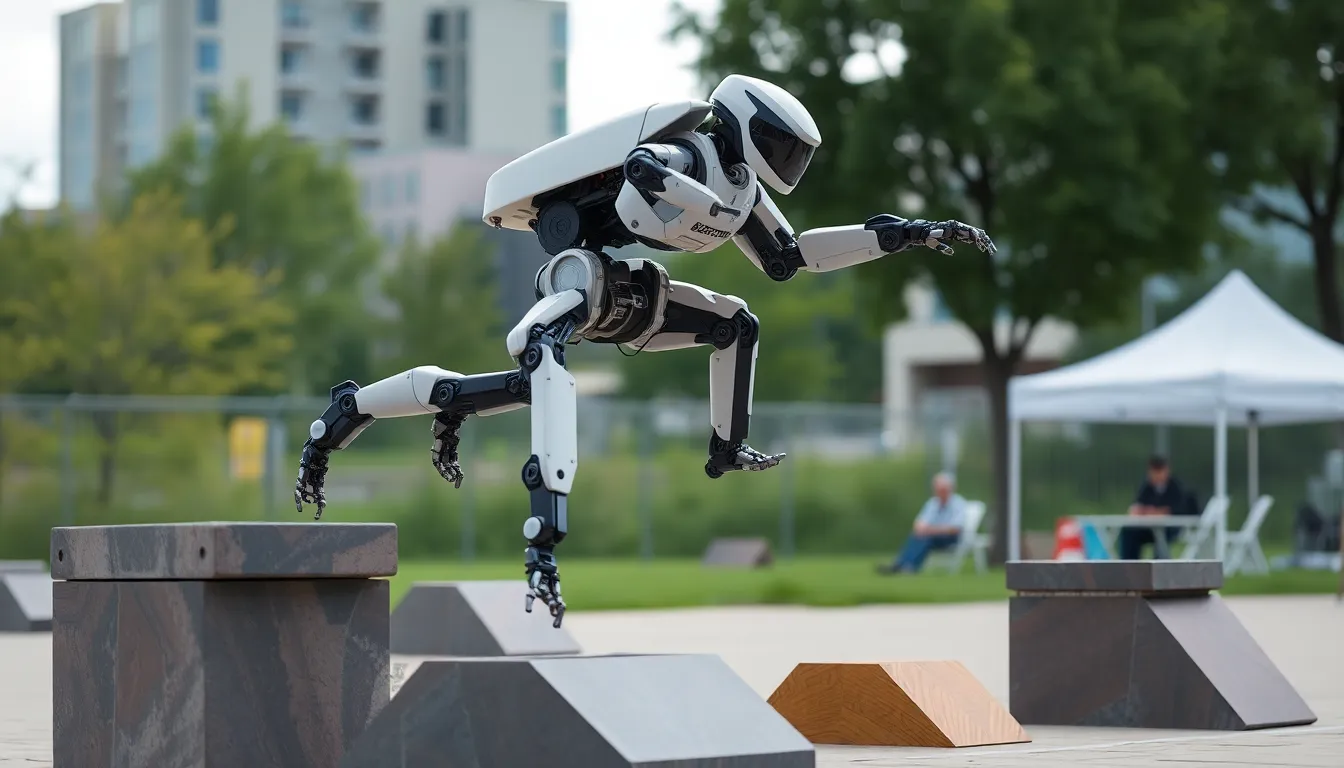
Companies in the robotics sector, such as Boston Dynamics and SoftBank Robotics, are also significant players. Their interests lie in commercial viability and market competitiveness. These organizations aim to create robots that not only perform tasks efficiently but also exhibit gracefulness to appeal to consumers and businesses alike. This creates a demand for innovative designs that can seamlessly integrate into everyday life.
Governments and regulatory bodies play a crucial role in shaping the landscape of robotics. They are tasked with establishing guidelines that ensure safety and ethical considerations in robotic applications. As robots become more prevalent in society, issues such as liability in case of accidents, data privacy, and the impact on employment must be addressed. This raises important legal questions about the accountability of robotic systems.
- Technological limitations: Current robotic systems often struggle with balance and fluid movement, which are essential for graceful operation.
- Economic factors: The high cost of developing advanced robotics may limit accessibility and slow down innovation.
- Public perception: The acceptance of robots as graceful entities is influenced by cultural attitudes towards technology and automation.
- Ethical considerations: The integration of robots into daily life raises questions about their role and the potential displacement of human workers.
As these stakeholders navigate their interests, trade-offs become evident. For instance, prioritizing rapid technological advancement may compromise safety and ethical standards. Conversely, a focus on regulation could stifle innovation and delay the development of graceful robotics. Balancing these competing interests is essential for the future of robotics and its integration into society.
How gracefulness affects user interaction and acceptance
The development of graceful robots has significant implications for various groups, including technology developers, consumers, and industries reliant on automation. As robots become more integrated into daily life, their ability to move and interact gracefully can influence user acceptance and satisfaction.
In the short term, industries such as healthcare, hospitality, and entertainment may see immediate impacts. For instance, robots designed for patient care that exhibit graceful movements can enhance patient comfort and trust. Similarly, in hospitality, robots that deliver services smoothly may improve customer experiences, leading to higher satisfaction rates.
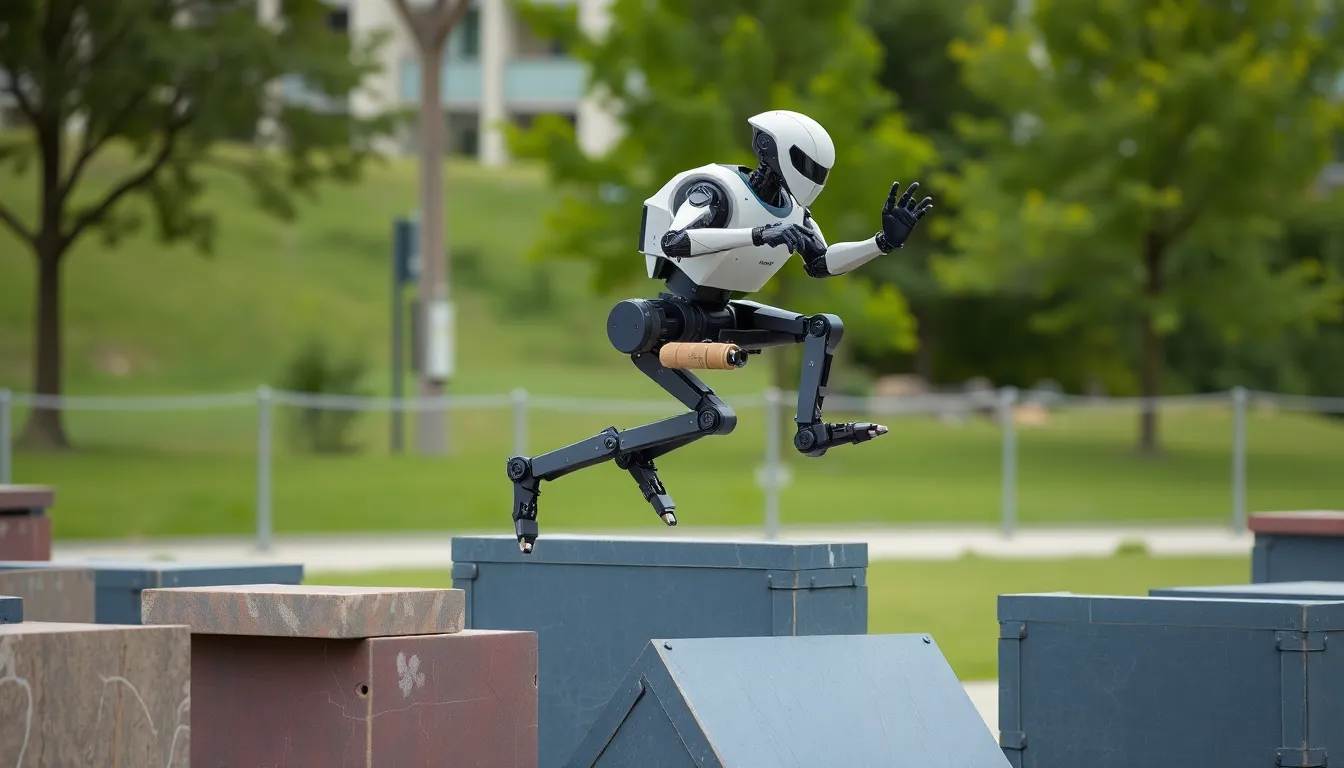
In the mid-term, as robots become more prevalent, there could be shifts in policy and business operations. Companies may need to invest in research and development to create robots that not only perform tasks but do so in a way that is aesthetically pleasing and user-friendly. This could lead to increased competition among tech firms and a potential reshaping of industry standards.
- Risks: The focus on gracefulness may divert resources from essential functionalities, leading to safety concerns.
- Opportunities: Companies that successfully develop graceful robots may gain a competitive edge, attracting more consumers and business partnerships.
- Impact on employment: As robots become more graceful, they may take on roles traditionally held by humans, raising questions about job displacement.
Regions with strong tech industries, such as Silicon Valley in the United States and various tech hubs in Asia, are likely to be at the forefront of this innovation. The cultural perception of robots in these areas may also shape how gracefully they are integrated into society, influencing public policy and funding for robotic research.
A: Yes, robots can be designed with graceful movements, but it requires advanced algorithms and precise engineering to mimic human-like fluidity. A: The main challenges include balancing weight distribution, optimizing joint movements, and programming complex motion patterns. A: Yes, robots like Boston Dynamics’ Atlas and Spot showcase impressive agility and grace in their movements. A: Gracefulness can enhance user experience, making robots more relatable and acceptable in various environments. A: Absolutely, AI can improve motion planning and control, allowing robots to adapt their movements dynamically for more graceful actions.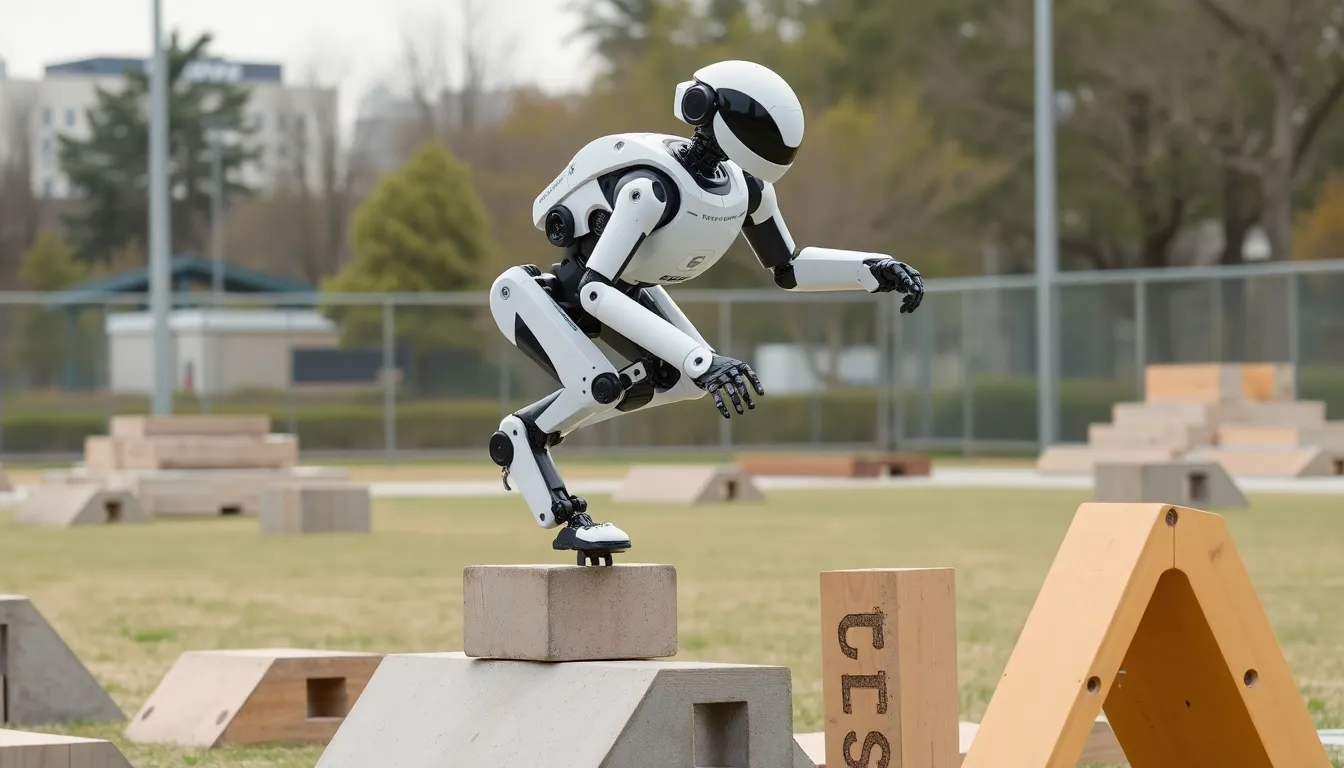
Frequently asked questions about robot gracefulness
Future prospects for graceful robots
The quest for graceful robots is not merely an aesthetic pursuit; it encompasses the broader implications of how machines can integrate into human environments and interact with people. As advancements in artificial intelligence and robotics continue to evolve, the potential for creating robots that move with elegance and fluidity becomes increasingly realistic. This evolution not only enhances the functionality of robots but also their acceptance in everyday life.
Looking ahead, the development of graceful robots may redefine various sectors, from healthcare to entertainment, where the ability to perform tasks with finesse could improve user experience and satisfaction. Observing trends in robotics design and application will be crucial in understanding how these machines can bridge the gap between human and machine interactions.
- Monitor advancements in AI algorithms that enhance robotic movement and adaptability.
- Watch for breakthroughs in materials science that contribute to lighter and more flexible robot designs.
- Consider the ethical implications of robots that mimic human grace and behavior in social contexts.
- Evaluate the potential impact of graceful robots in industries such as healthcare, where gentle interactions are essential.
- Stay informed about public perception and acceptance of robots that exhibit human-like grace and emotional intelligence.