
Key figures in this renewed interest include former Pentagon officials and military personnel who have come forward to share their experiences. Notably, Luis Elizondo, a former head of the Advanced Aerospace Threat Identification Program, has been vocal about the need for transparency regarding UFO sightings. His statements, alongside the Pentagon’s disclosures, have contributed to a growing movement advocating for further investigation into these phenomena.
The public’s reaction has been mixed, with some expressing skepticism while others are eager to explore the implications of potential extraterrestrial encounters. In particular, the scientific community has begun to take a more serious approach, with researchers calling for more rigorous scientific inquiry into the data collected from these encounters. This shift highlights a broader societal fascination with the unknown and the potential for groundbreaking discoveries.
As the debate continues, government agencies are under increasing pressure to provide more information and clarity on the subject. The establishment of the All-domain Anomaly Resolution Office in July 2022 reflects an institutional commitment to understanding these phenomena, suggesting that the conversation around UFOs is far from over. This evolving narrative not only captivates the public imagination but also raises important questions about national security and the nature of our universe.
Understanding the Historical Context of UFO Sightings
The fascination with unidentified flying objects (UFOs) has deep roots in American culture, dating back to the mid-20th century. The modern era of UFO sightings began in 1947 when pilot Kenneth Arnold reported seeing nine unusual flying objects near Mount Rainier, Washington. This incident not only sparked public interest but also led to the term “flying saucer” becoming part of the popular lexicon. The subsequent rise of UFO sightings across the United States created a cultural phenomenon that intertwined with the onset of the Cold War, as people began to speculate about the possibility of extraterrestrial life amidst fears of espionage and technological advancements. This topic continues to captivate audiences, reflecting ongoing curiosity about what lies beyond our world.
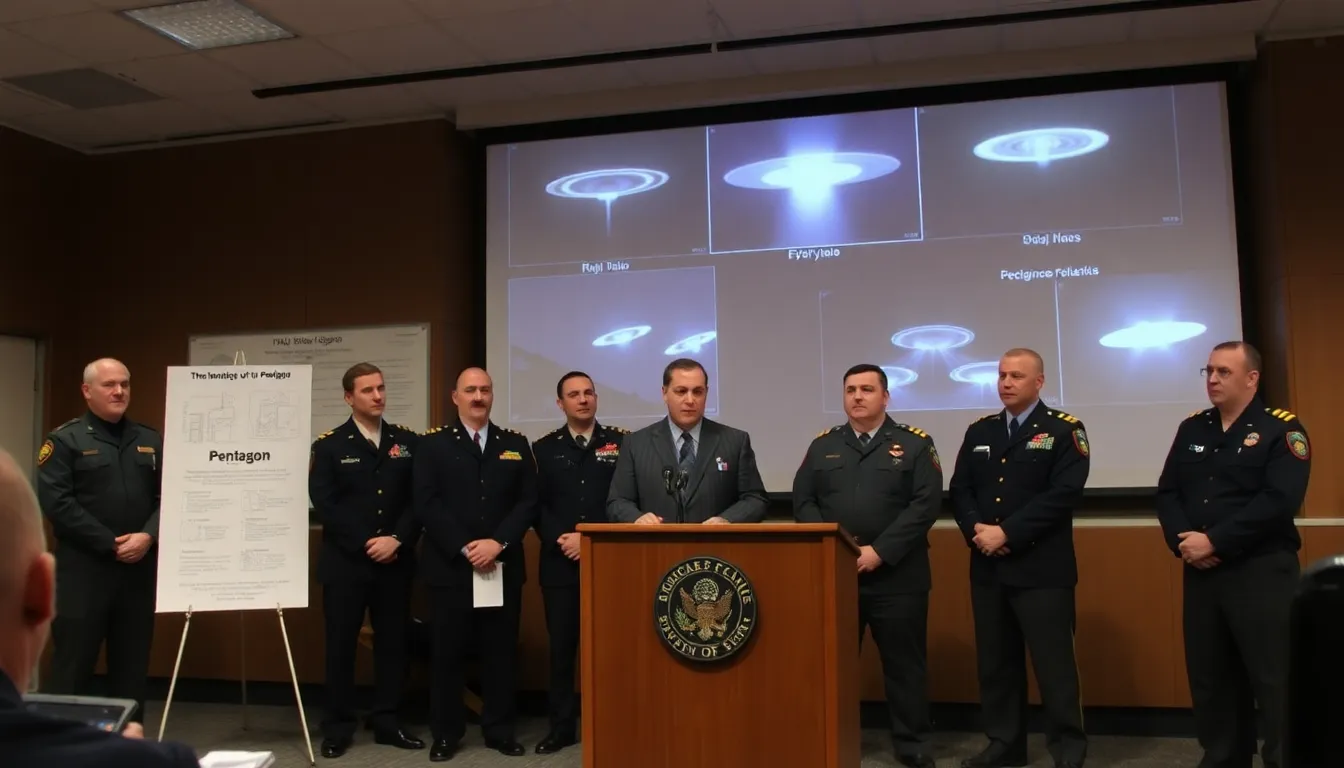
In the decades that followed, the U.S. government took a keen interest in the phenomenon, leading to several investigations, most notably Project Blue Book, which began in 1952. This initiative aimed to collect and analyze UFO reports, and while it concluded in 1969 that most sightings could be explained by natural phenomena or misidentifications, it also acknowledged that some cases remained unexplained. This governmental acknowledgment of the unknown contributed to a growing belief in the existence of extraterrestrial life and the potential cover-up of such knowledge.
Fast forward to the early 21st century, the topic of UFOs gained renewed attention when, in 2017, the New York Times published a report revealing the existence of a secret Pentagon program called the Advanced Aerospace Threat Identification Program (AATIP). This program investigated UFO sightings by military personnel, including the now-famous videos showing encounters with unexplained aerial phenomena (UAP). The release of these videos marked a significant shift in the government’s stance, as it moved from denial to a more open acknowledgment of the phenomenon.
Recent Developments and Public Interest
In 2020, the Pentagon officially released three videos captured by Navy pilots, further fueling public intrigue and debate about the nature of these encounters. The videos showed objects exhibiting flight characteristics that defied conventional understanding, prompting discussions about national security, technology, and the potential for extraterrestrial life. As a result, the U.S. Congress has since held hearings to address the implications of these sightings, emphasizing the need for transparency and further investigation into UAPs. This renewed focus has not only re-energized the public’s interest in UFOs but has also led to a broader conversation about the intersection of science, government secrecy, and the quest for knowledge beyond our planet.
Key Stakeholders and the Ongoing Debate Around UFOs
The recent release of UFO videos by the Pentagon has reignited interest and debate among various stakeholders, ranging from government agencies to private enthusiasts and researchers. Each of these groups has distinct interests that influence the narrative surrounding unidentified aerial phenomena (UAP).
At the forefront are government entities such as the Pentagon and NASA, which have a vested interest in national security and scientific exploration. The Pentagon’s involvement indicates a focus on potential threats posed by UAPs, while NASA’s interest leans towards understanding the phenomena from a scientific perspective. These conflicting priorities can create tension, as security concerns may overshadow scientific inquiry.
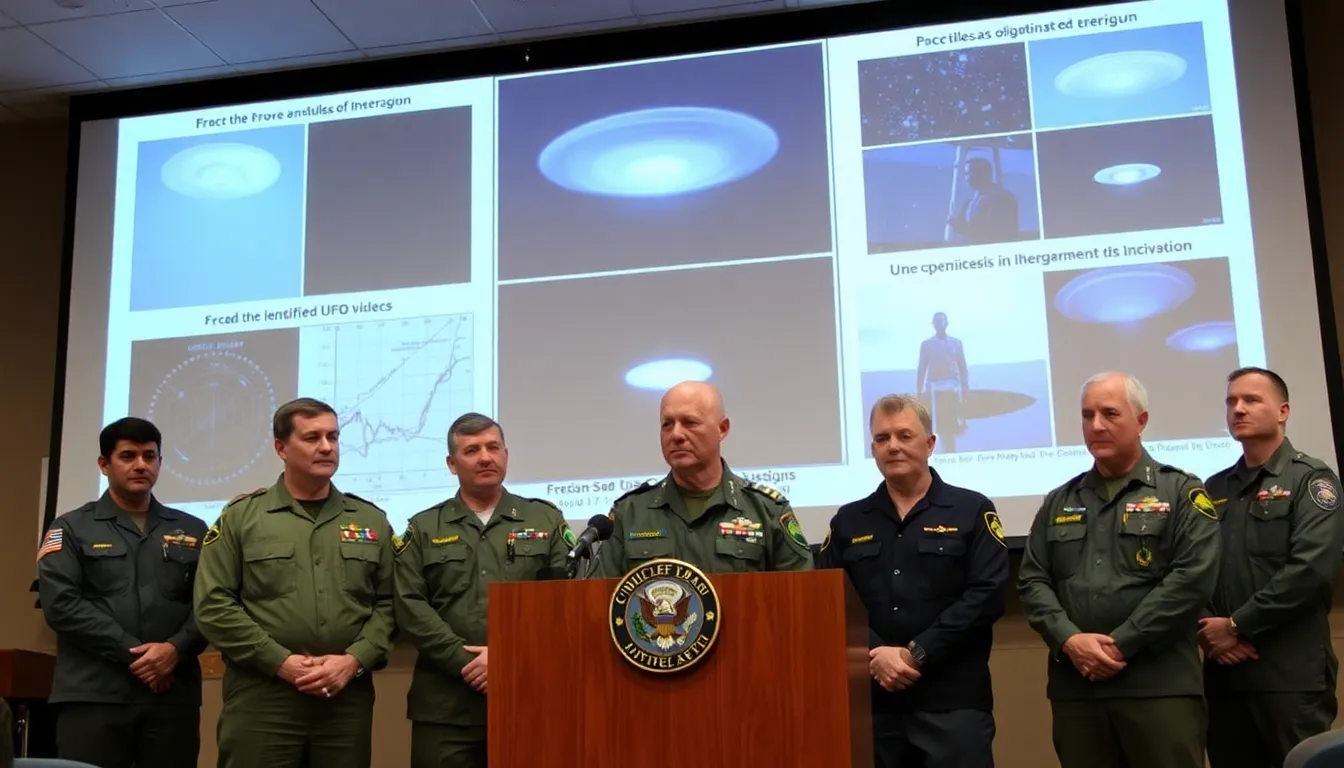
Private organizations and researchers also play a critical role in this discourse. Groups dedicated to UFO research, such as the Mutual UFO Network (MUFON), advocate for transparency and the collection of data related to UAP sightings. Their interests often clash with governmental secrecy, leading to calls for more open communication and access to information.
- National Security: The Pentagon aims to assess any potential threats that UAPs may pose to airspace and military operations.
- Scientific Inquiry: NASA and other scientific organizations seek to explore the implications of UAPs for our understanding of the universe.
- Public Interest: Enthusiasts and researchers advocate for transparency and the release of more information to the public.
- Legal and Ethical Issues: The debate around UAPs raises questions about privacy, surveillance, and the ethical implications of government secrecy.
Moreover, the economic implications surrounding UAP research cannot be overlooked. Funding for investigations and studies often hinges on public interest and government priorities, which can fluctuate based on political climates. As interest in UAPs grows, so too does the potential for economic investment in research and technology aimed at understanding these phenomena.
How the UFO Discourse Affects Public Perception and Policy
The recent release of UFO videos by the Pentagon has reignited public interest and debate surrounding unidentified aerial phenomena. This phenomenon affects various groups, including government agencies, researchers, and the general public. As curiosity peaks, industries such as entertainment, aerospace, and technology are also feeling the impact, leading to both risks and opportunities.
In the short term, the surge in UFO-related discussions may lead to increased funding for research and investigations into aerial phenomena. Government bodies may prioritize transparency and accountability, prompting policy shifts regarding national security and defense. This could also foster a more open dialogue about extraterrestrial life, encouraging scientific inquiry and collaboration.
Mid-term effects may include a shift in public perception towards a more accepting view of the unknown. This could influence educational curriculums, with an emphasis on critical thinking and scientific exploration. Additionally, businesses in the tourism and entertainment sectors might capitalize on the growing interest, offering themed experiences or events that cater to UFO enthusiasts.
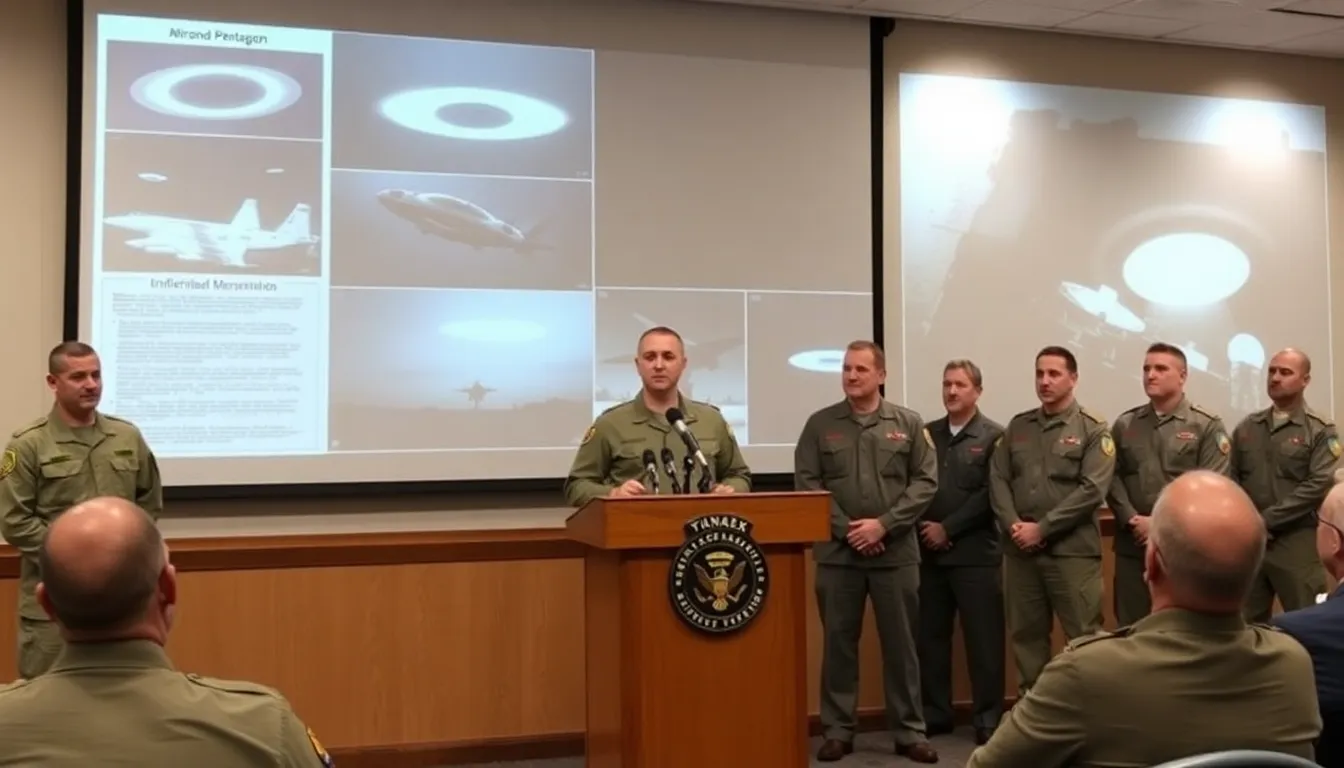
- Increased funding for research into UFO phenomena.
- Potential policy changes regarding transparency in government investigations.
- Growth in the tourism and entertainment industries focused on UFO experiences.
- Shift in public perception towards acceptance of the unknown.
However, there are risks associated with this heightened interest. Misinformation and conspiracy theories may proliferate, complicating public understanding and leading to potential panic or distrust in government institutions. It is crucial for credible sources to guide the discourse to mitigate these risks and harness the opportunities presented by this renewed fascination with UFOs.
A: The Pentagon UFO videos are a series of recordings released by the US Department of Defense that show unidentified aerial phenomena. These videos have reignited public interest in the possibility of extraterrestrial life. A: These videos are significant because they are official military footage that suggests there are objects in the sky that cannot be easily explained. They challenge existing understandings of aerial technology and security. A: Chasing aliens involved visiting key locations known for UFO sightings and interviewing experts in the field. The experience was both thrilling and enlightening, revealing a community passionate about uncovering the truth. A: Yes, many credible witnesses, including military personnel and pilots, have reported sightings of UFOs. Their testimonies add weight to the ongoing discussions about the existence of extraterrestrial life. A: The implications include potential shifts in national security policies, increased funding for UFO research, and a broader acceptance of the possibility of life beyond Earth.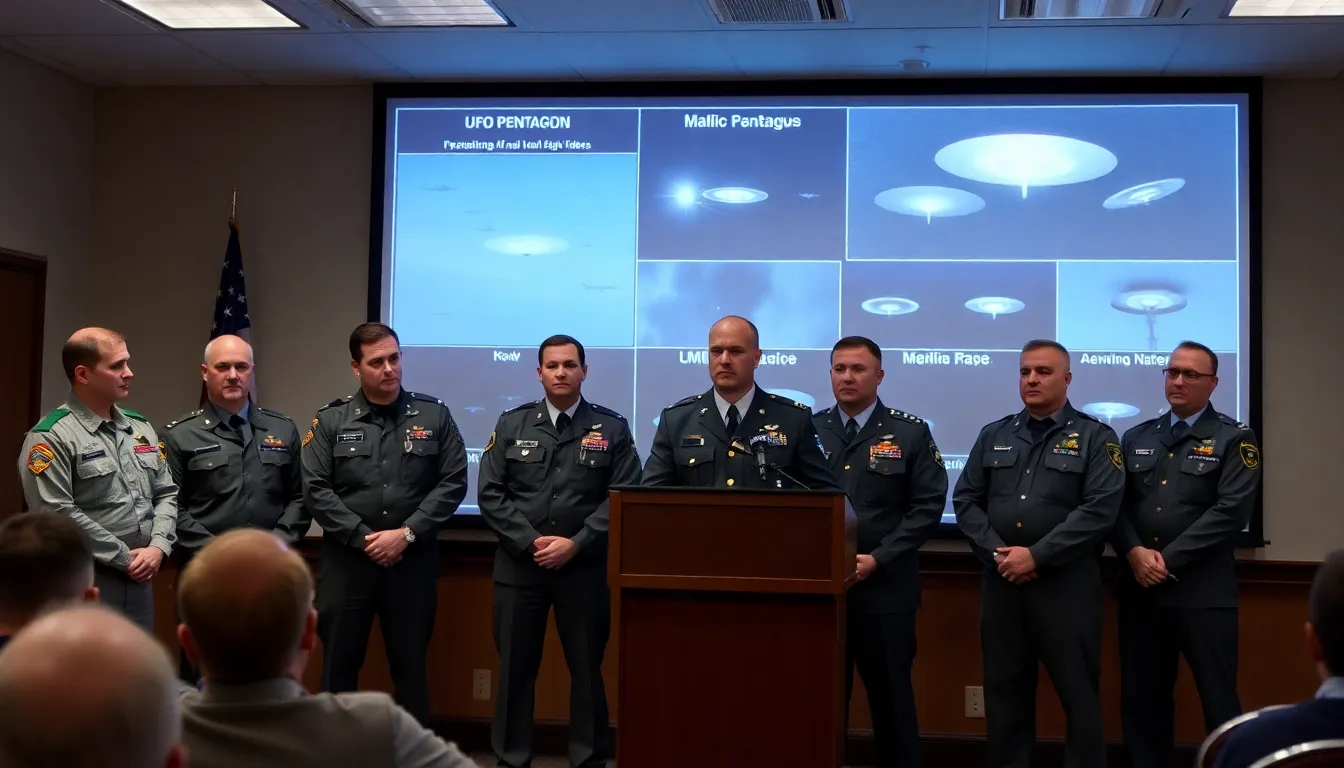
Frequently Asked Questions About UFOs and Alien Life
Key Takeaways and Future Outlook on UFO Investigations
The recent release of UFO videos by the Pentagon has reignited public interest and discourse surrounding unidentified aerial phenomena. This development not only highlights a shift in governmental transparency but also raises critical questions about national security, scientific inquiry, and the potential for extraterrestrial life. As investigations continue, the implications for both policy and public perception are profound.
As the landscape of UFO research evolves, it is essential to remain vigilant and open-minded. The intersection of military, scientific, and civilian perspectives will play a pivotal role in shaping our understanding of these phenomena and their potential impact on society.
- Increased Government Transparency: Future releases of information may lead to a more informed public and greater accountability in military operations.
- Scientific Collaboration: The growing interest in UFOs could foster partnerships between government agencies and scientific communities to investigate these phenomena rigorously.
- Public Engagement and Education: Enhanced outreach efforts could demystify UFOs, encouraging informed discussions and reducing stigma around the topic.
- Potential Policy Changes: Ongoing investigations may prompt new regulations regarding aerial surveillance and national security protocols.
- Exploration of Extraterrestrial Life: Continued interest in UFOs may accelerate funding and research into the possibilities of life beyond Earth.