
The FTD Brothers, a pair of siblings whose family has been deeply impacted by frontotemporal dementia (FTD), are at the forefront of raising awareness about this specific type of dementia. Their personal experience, following the diagnosis of their mother in 2016, has driven them to advocate for research and support for affected families. They emphasize the need for early diagnosis and intervention, which can significantly alter the course of the disease. For more information on related advancements, check out this article on research efforts.
Recent events, including a fundraising campaign launched by the FTD Brothers, have garnered attention and support from both local and national communities. By collaborating with organizations dedicated to dementia research, they aim to funnel resources into finding better treatment options and ultimately a cure. This initiative not only seeks to honor their mother’s struggle but also to provide hope for countless families facing similar challenges.
As the number of dementia cases continues to rise, the urgency for action becomes more pronounced. The FTD Brothers represent a growing movement that advocates for greater awareness, better funding for research, and improved support systems for families. Their efforts underscore the critical need for society to address the complexities surrounding dementia, ensuring that those affected are not left to navigate their journey alone.
Understanding frontotemporal dementia and its impact
Frontotemporal dementia (FTD) is a progressive neurological disorder characterized by changes in personality, behavior, and language abilities. Unlike Alzheimer’s disease, which primarily affects memory, FTD often manifests in younger individuals, typically between the ages of 40 and 65. This early onset can disrupt not only the lives of those diagnosed but also profoundly affect their families and communities, as the individual may still be in the midst of their career and family responsibilities.

The historical recognition of FTD as a distinct form of dementia has evolved over the last few decades. Initially, the symptoms were often misdiagnosed as psychiatric disorders, leading to delayed treatment and support. It wasn’t until the 1990s that researchers began to identify specific genetic markers associated with FTD, highlighting the importance of understanding the biological underpinnings of this condition. This shift in perspective has paved the way for more targeted research and potential therapeutic interventions.
The socio-economic implications of FTD
The socio-economic ramifications of FTD are significant. Families often face immense financial strain due to the cost of care, which can include long-term residential support and specialized therapies. Moreover, the emotional toll on caregivers can lead to burnout, affecting their health and well-being. As the population ages, the incidence of dementia, including FTD, is expected to rise, further stressing healthcare systems and necessitating urgent policy responses to better support affected families.
Key milestones in the journey to understand and combat FTD include the establishment of advocacy groups and increased funding for research. Organizations such as the Association for Frontotemporal Degeneration (AFTD) have played a crucial role in raising awareness and providing resources for families. Additionally, breakthroughs in genetic research have led to the identification of specific gene mutations linked to FTD, offering hope for future therapies that could alter the disease’s trajectory. Learn more about funding initiatives in this related article.
As the FTD Brothers race against the clock to find solutions for their family’s plight, their story is emblematic of the broader struggle faced by many dealing with this devastating condition. Their journey underscores the urgent need for continued research, public awareness, and support systems to address the challenges posed by frontotemporal dementia.
Key stakeholders in the fight against dementia
The battle against dementia is multifaceted, involving a range of stakeholders, each with their own interests and motivations. The FTD Brothers, a group of advocates raising awareness about frontotemporal dementia (FTD), represent a critical voice in this struggle. Their personal experiences with the disease drive their commitment to finding solutions and supporting affected families.
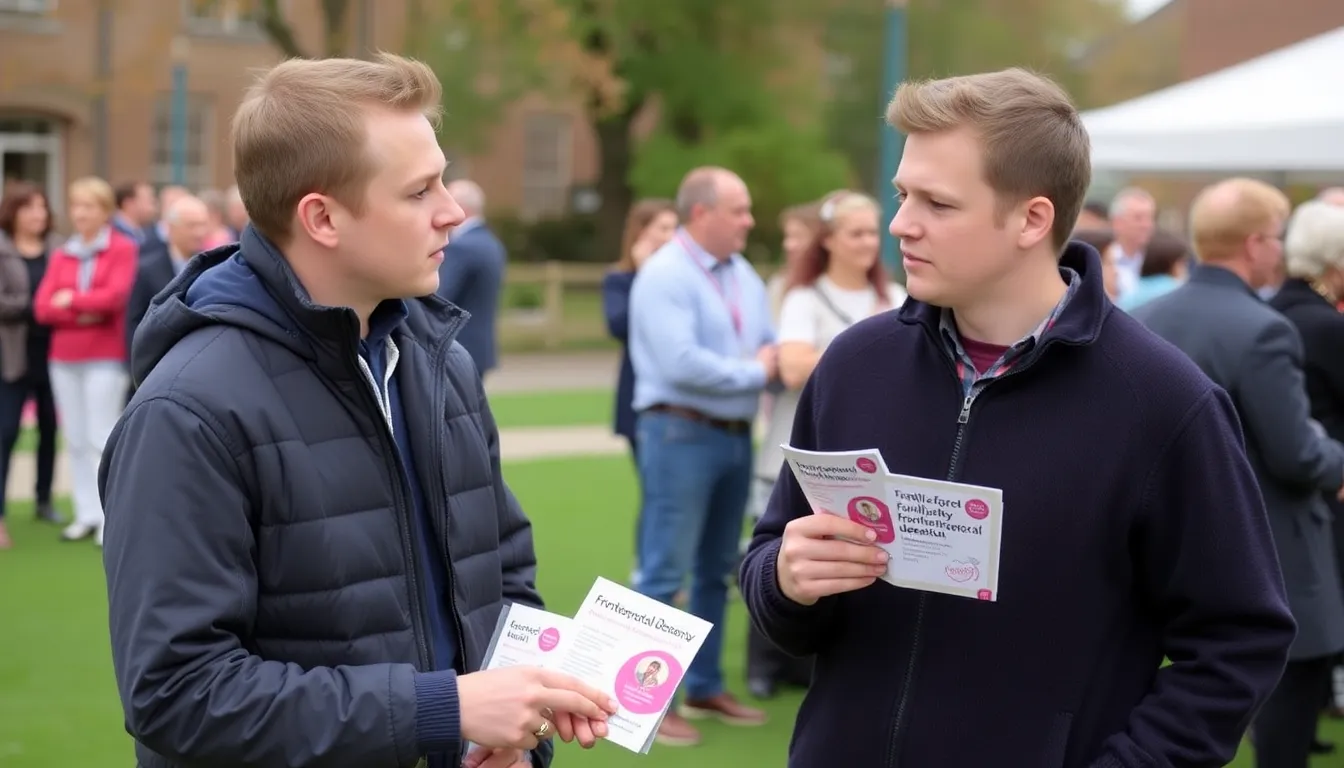
Among the primary actors are healthcare organizations, which are focused on developing effective treatments and care strategies for dementia patients. These organizations often collaborate with research institutions to advance scientific understanding and foster innovation in therapies. However, the competition for funding and resources can lead to tensions among different entities vying for the same grants and support.
Governments also play a crucial role in shaping policies related to dementia care and funding for research. Their interests typically align with public health goals, but budgetary constraints can create conflicts between the need for comprehensive care and the reality of limited resources. This often results in trade-offs that affect the quality and accessibility of care for individuals with dementia.
- Research Institutions: Focused on uncovering the biological mechanisms of dementia, yet may face challenges in securing adequate funding.
- Advocacy Groups: Work to raise public awareness and influence policy, but must navigate differing opinions on the best approaches to care and research.
- Families of Patients: Their experiences shape the demand for better care options, but they often struggle with the emotional and financial burdens of the disease.
- Pharmaceutical Companies: Invest in drug development but must balance profit motives with ethical considerations regarding patient welfare.
- Government Agencies: Tasked with implementing dementia policies, often face challenges in aligning resources with the growing needs of the population.
In summary, the landscape surrounding dementia care and research is complex, with various stakeholders holding differing perspectives and priorities. Understanding these dynamics is essential for fostering collaboration and driving progress in the fight against this devastating condition. If you want to delve deeper into the socio-economic impacts of such conditions, consider this informative piece on broader issues.
How dementia affects families and communities
Dementia is a condition that extends its reach far beyond the individual diagnosed, impacting families, caregivers, and entire communities. The FTD Brothers, who are racing against the clock to combat the effects of dementia, highlight the urgency of addressing this growing crisis. Families face emotional and financial burdens as they navigate the complexities of caregiving, while communities must adapt to support those affected.
In the short term, the immediate impact on families includes increased stress and anxiety, as caregivers often struggle to balance their responsibilities with their own personal lives. This can lead to a decline in mental health for both caregivers and patients. Industries related to healthcare, elder care, and support services see a rise in demand for resources, training, and innovative solutions to assist those impacted by dementia.
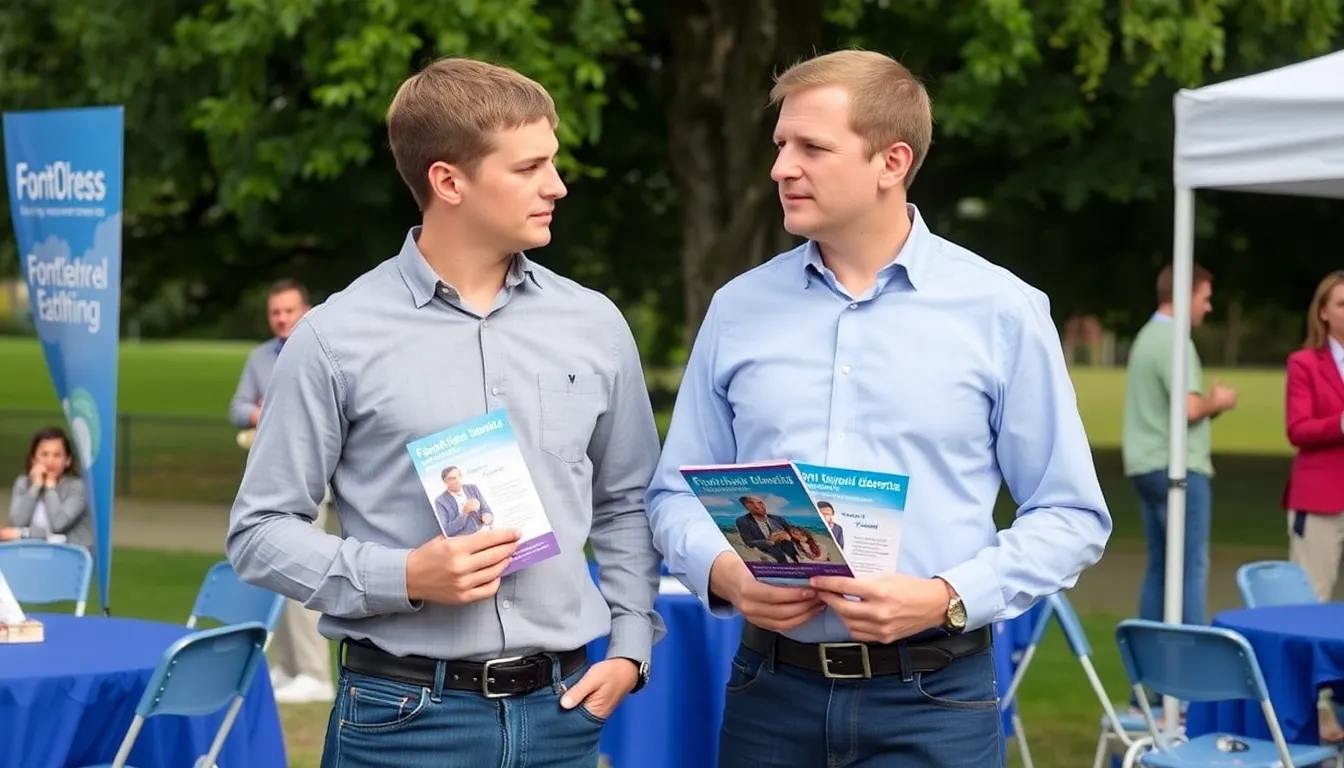
Mid-term effects are likely to manifest in shifts in policy and business practices. As the prevalence of dementia rises, there will be an increased push for government funding and support for research and community programs. Businesses may find opportunities in developing technologies and services that cater to the needs of dementia patients and their families, such as specialized healthcare products and caregiving tools.
- Increased demand for healthcare services and support systems.
- Potential growth in technology solutions addressing dementia-related challenges.
- Shifts in workplace policies to accommodate caregivers.
While the risks associated with the rise of dementia are significant, they also present opportunities for innovation and community engagement. By fostering partnerships between healthcare providers, businesses, and local governments, there is potential to create a more supportive environment for those affected by dementia, ultimately transforming challenges into avenues for positive change.
A: Frontotemporal dementia (FTD) is a group of brain disorders that primarily affect the frontal and temporal lobes, leading to changes in personality, behavior, and language. A: Supporting someone with dementia involves being patient, providing emotional support, and encouraging them to engage in activities that stimulate their mind. A: Researchers are exploring various treatments, early detection methods, and the genetic factors associated with dementia to improve outcomes for patients. A: You can raise awareness by sharing information, participating in local events, and supporting organizations dedicated to dementia research and care.
Frequently asked questions about dementia
Looking ahead: The future of dementia awareness and research
The journey of the FTD Brothers serves as a poignant reminder of the urgent need for increased awareness and research into dementia. Their personal experiences highlight the challenges faced by families dealing with this condition, emphasizing the importance of community support and understanding. As society grapples with the growing prevalence of dementia, it is crucial to foster a proactive approach in addressing both the medical and emotional aspects of the disease.
Future initiatives should focus on enhancing public knowledge about dementia, encouraging early diagnosis, and advocating for innovative research funding. By leveraging the stories of individuals like the FTD Brothers, we can inspire a collective effort to combat the stigma surrounding dementia and promote a more informed dialogue about its impact on lives and communities.
- Awareness Campaigns: Increased public awareness can lead to earlier diagnosis and better support systems for those affected by dementia.
- Research Funding: Continued investment in dementia research is essential for developing effective treatments and potential cures.
- Support Networks: Establishing robust community support networks can provide crucial emotional and practical assistance to families dealing with dementia.
- Advocacy for Care Policies: Advocating for better care policies can improve the quality of life for both patients and caregivers.
- Education Initiatives: Implementing educational programs in schools and workplaces can help destigmatize dementia and promote understanding.