
One of the key issues arising from these inflation figures is the effect on interest rates. The Federal Reserve, which has been monitoring inflation closely, is expected to deliberate on potential rate hikes in its upcoming meetings. Higher interest rates could lead to increased borrowing costs for consumers and businesses, affecting everything from mortgage rates to credit card interest. For further insights on price impacts, visit this related article.
Additionally, the rising inflation affects essential goods and services, with food and energy prices seeing significant increases. For instance, food prices rose by 5.5% compared to last year, while energy costs surged by 6.9%. These hikes can strain household budgets, forcing consumers to make difficult choices regarding their spending habits, particularly on necessities like food and fuel.
Moreover, the inflation figures highlight disparities in economic recovery across different sectors. While some industries, such as technology and finance, have shown resilience, others, particularly retail and hospitality, continue to struggle. This uneven recovery can lead to job instability and varying levels of economic confidence among consumers, a topic also discussed in this article.
Understanding the factors contributing to inflation
Inflation, the rate at which the general level of prices for goods and services rises, has been a persistent issue throughout economic history. Its roots can often be traced back to a combination of supply and demand dynamics, government policies, and external shocks. Understanding these factors is essential to grasping how the latest inflation figures affect everyday life.

Historically, inflation has been influenced by various milestones, including the oil crises of the 1970s, which led to skyrocketing prices and economic stagnation, a phenomenon known as stagflation. In more recent times, the COVID-19 pandemic disrupted supply chains and altered consumer behavior, creating a perfect storm for rising prices. As economies reopened, pent-up demand clashed with supply shortages, leading to inflation rates not seen in decades.
Political decisions also play a crucial role in inflation. Government spending, particularly during economic downturns, can inject liquidity into the economy but may also lead to inflationary pressures if not managed carefully. The recent stimulus packages aimed at mitigating the economic impact of the pandemic have raised concerns about long-term inflation, as increased money supply can devalue currency and drive prices higher.
The Role of Central Banks
Central banks, such as the Federal Reserve in the United States, are tasked with managing inflation through monetary policy. Their decisions on interest rates can either stimulate economic growth or cool down an overheating economy. The balancing act they perform is critical; raising rates too quickly can stifle growth, while keeping them too low for too long can exacerbate inflation. Recent adjustments in interest rates reflect ongoing efforts to combat rising prices while supporting economic recovery.
Key stakeholders affected by inflation trends
Inflation impacts a wide array of stakeholders, including consumers, businesses, governments, and financial institutions. Each group has distinct interests and concerns that shape their responses to changing economic conditions.
Consumers are often the most directly affected by inflation, as rising prices can erode purchasing power. Those on fixed incomes, such as retirees, may struggle more than others to maintain their standard of living. Additionally, low-income households may find it increasingly challenging to afford basic necessities, leading to heightened economic strain.
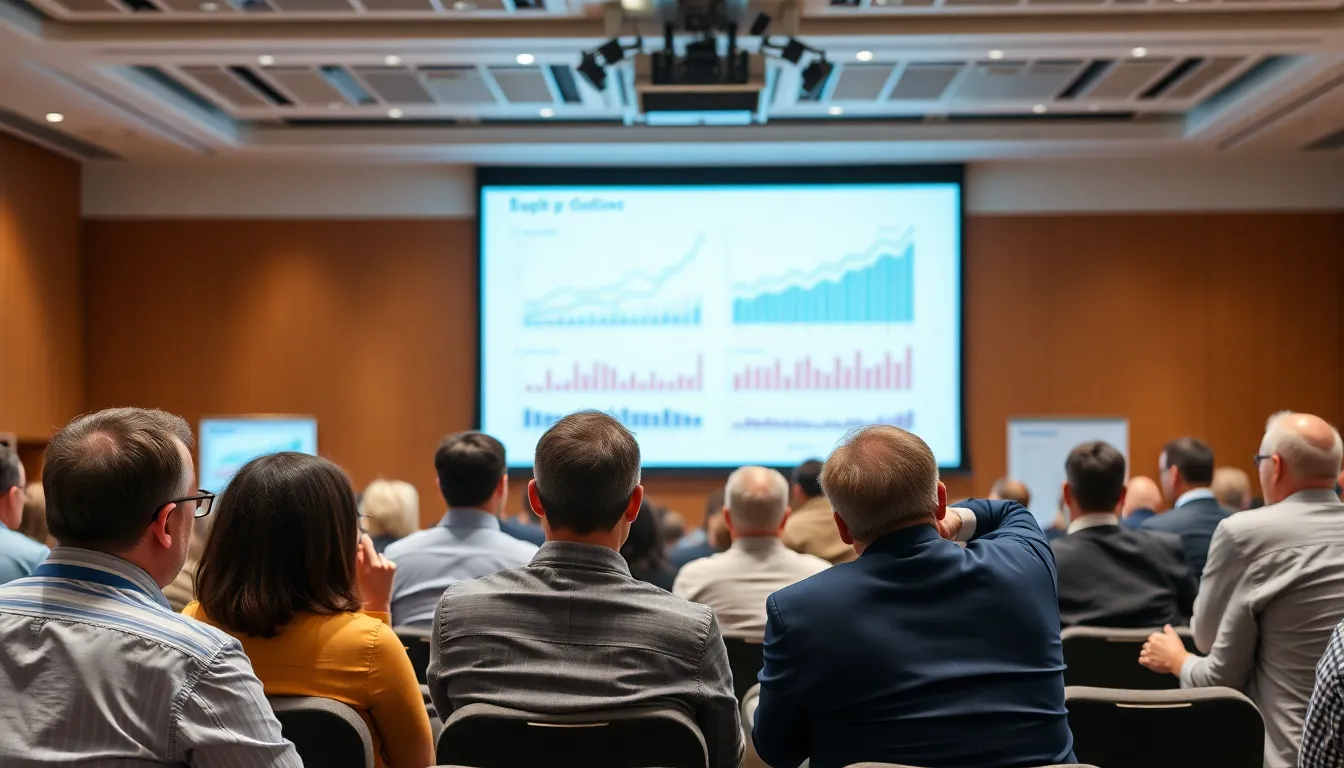
Businesses face their own set of challenges as inflation can lead to increased costs for raw materials and labor. This may prompt companies to raise prices, potentially leading to a decrease in consumer demand. Small businesses, in particular, may find it harder to absorb these costs compared to larger corporations, which can negotiate better terms with suppliers.
Governments are also key players in the inflation landscape. Central banks, such as the Federal Reserve in the United States, monitor inflation closely and may adjust interest rates to stabilize the economy. However, these decisions can create trade-offs; for instance, raising interest rates may control inflation but could also slow economic growth and increase unemployment.
- Consumers may face higher prices for essential goods and services.
- Businesses might reduce investment or cut jobs in response to rising costs.
- Governments may implement policies to mitigate inflation, impacting fiscal budgets.
- Financial institutions must adapt to changing interest rates and lending conditions.
- Global markets may experience volatility as countries react differently to inflationary pressures.
How inflation impacts consumers and markets
The latest inflation figures have significant implications for various groups, industries, and regions. Consumers, particularly those in lower-income brackets, are feeling the pinch as rising prices affect their purchasing power. Essential goods, such as food and fuel, have seen substantial price hikes, leading to increased financial strain for families trying to make ends meet.
Businesses are also grappling with the effects of inflation. Sectors reliant on raw materials, like construction and manufacturing, face higher costs, which may lead to increased prices for consumers. In the short term, this could result in reduced consumer spending as households prioritize essential expenditures, potentially slowing down economic growth.

In the mid-term, inflation could prompt policymakers to adjust interest rates in an effort to stabilize the economy. This may have a ripple effect on mortgage rates, making home buying less affordable for many. However, there are opportunities for some sectors, such as technology and renewable energy, that could thrive as companies seek innovative solutions to combat rising costs.
- Consumers: Increased prices for essentials leading to reduced purchasing power.
- Businesses: Higher operational costs affecting profit margins and pricing strategies.
- Policymakers: Potential interest rate adjustments impacting borrowing costs.
- Opportunities: Growth in sectors focusing on efficiency and innovation.
Regions heavily dependent on tourism may also experience fluctuations as travelers adjust their budgets in response to inflation. This could lead to a slowdown in recovery for local economies that have just begun to rebound. As consumers become more budget-conscious, businesses may need to adapt their strategies to retain customers and remain competitive.
A: Inflation can lead to higher prices for goods and services, which means you may pay more for everyday items like groceries and gas. A: Consider investing in assets that typically outpace inflation, such as stocks or real estate, to help preserve your purchasing power. A: Moderate inflation can stimulate economic growth by encouraging spending and investment, as people are more likely to buy now rather than later. A: Central banks may raise interest rates to combat high inflation, which can affect loans and mortgages, making borrowing more expensive. A: The current inflation rate can vary, so it’s important to check reliable financial news sources for the latest figures.
Frequently asked questions about inflation and its effects
Key takeaways and future outlook on inflation
The latest inflation figures highlight a complex economic landscape that affects consumers, businesses, and policymakers alike. As prices continue to fluctuate, understanding the implications of these changes is crucial for making informed decisions moving forward. The interplay between inflation rates, interest rates, and consumer behavior will shape the economic environment in the coming months.
Monitoring these trends can provide valuable insights into how to navigate potential challenges and seize opportunities. Awareness of inflation’s impact on purchasing power, savings, and investment strategies will be essential as individuals and businesses adapt to this evolving situation.
- Purchasing power erosion: As inflation rises, consumers may find that their money buys less, prompting a reassessment of spending habits.
- Interest rate adjustments: Central banks may respond with interest rate hikes, affecting loan costs and savings returns, which will require careful financial planning.
- Investment strategies: Inflation can influence asset classes; investors should consider diversifying portfolios to mitigate risks associated with rising prices.
- Wage negotiations: Workers may seek higher wages to keep pace with inflation, impacting labor markets and potentially leading to wage-price spirals.
- Long-term planning: Businesses should factor in inflation forecasts when making strategic decisions, from pricing to supply chain management.