
As of October 2023, the Department of Defense has announced collaborations with leading A.I. firms, including names like Palantir Technologies and Microsoft. These companies are expected to develop advanced systems for data analysis, surveillance, and decision-making processes that are critical to military operations. The urgency of these partnerships stems from increasing geopolitical tensions, particularly with nations that are rapidly advancing their own A.I. technologies. To explore more about the implications of technological advancements, check out related articles.
The Pentagon’s push for A.I. integration is not without controversy. Critics have raised concerns about the ethical implications of using artificial intelligence in warfare, particularly regarding autonomous weapons systems. Additionally, there are questions about data security and the potential for bias in A.I. algorithms, which could have significant ramifications in military applications.
This development comes amid a broader trend where governments worldwide are investing heavily in A.I. research and applications, signaling a shift in how military operations may be conducted in the future. The Pentagon’s initiatives are seen as a response to these global dynamics, aiming to leverage cutting-edge technology to enhance operational efficiency and effectiveness in combat scenarios.
Understanding the background of A.I. in defense
The integration of artificial intelligence (A.I.) into defense systems has evolved significantly over the past few decades. Initially, military applications of A.I. were limited to basic automation and data processing tasks. However, as technology advanced and the capabilities of A.I. grew, the Department of Defense (DoD) began to recognize its potential for enhancing national security. This shift marked the beginning of a new era where A.I. technologies could be leveraged for intelligence analysis, autonomous systems, and decision-making processes.

Historically, the U.S. military has been at the forefront of technological advancements, often leading to breakthroughs that have shaped modern warfare. The Cold War era saw the development of advanced computing systems, which laid the groundwork for today’s A.I. applications. In recent years, the rapid pace of innovation in the private sector has prompted the Pentagon to seek partnerships with leading A.I. companies to harness their expertise and accelerate the integration of these technologies into military operations.
Key Milestones in A.I. Defense Initiatives
Several key milestones have marked the Pentagon’s journey toward incorporating A.I. into defense strategies. In 2016, the DoD launched the Defense Innovation Unit (DIU) to foster collaboration with private tech companies and explore innovative solutions for defense challenges. This initiative was followed by the establishment of the A.I. Strategy in 2018, which emphasized the need for the U.S. to maintain a technological edge over adversaries. Furthermore, the National Defense Authorization Act has increasingly allocated funding for A.I. research and development, reflecting the growing recognition of its importance in national security.
As geopolitical tensions continue to rise, particularly with nations like China and Russia making significant strides in military A.I. capabilities, the urgency for the Pentagon to expand its classified work with A.I. companies has become paramount. This strategic pivot not only aims to enhance operational efficiency but also to ensure that the U.S. remains a leader in defense technology amidst an evolving global landscape.
Key stakeholders and issues in A.I. defense collaborations
The recent agreements between the Pentagon and various A.I. companies mark a significant shift in how defense operations may evolve. Key stakeholders in this landscape include the U.S. Department of Defense (DoD), private A.I. firms, and various governmental entities focused on national security and technology regulation.
The Pentagon’s primary interest lies in harnessing advanced A.I. technologies to enhance military capabilities, streamline operations, and maintain a competitive edge over global adversaries. Conversely, A.I. companies are motivated by lucrative government contracts and the opportunity to innovate within a sector that promises substantial growth. For an intriguing read, see how similar themes emerge in the context of the music industry.

However, these collaborations are not without conflict. There are pressing legal and ethical issues surrounding the use of A.I. in defense, particularly regarding accountability, transparency, and the potential for autonomous weapons systems. The implications of deploying A.I. in military contexts raise questions about compliance with international laws and humanitarian standards. Understanding these complexities can also apply to challenges in other sectors, such as the recent developments in the streaming industry.
- Accountability: Who is responsible for decisions made by A.I. systems in combat scenarios?
- Transparency: How can the public trust A.I. applications in defense if their workings are not disclosed?
- Regulation: What frameworks are necessary to ensure ethical A.I. deployment in military settings?
- Economic Interests: How will these partnerships affect the broader defense industry and its workforce?
- Geopolitical Tensions: Will advancements in A.I. escalate arms races among global powers?
As the Pentagon forges ahead with these partnerships, the balance between technological advancement and ethical considerations remains a critical focus. Stakeholders must navigate these complexities to ensure that A.I. development aligns with national and global security interests.
Potential impacts on national security and the tech industry
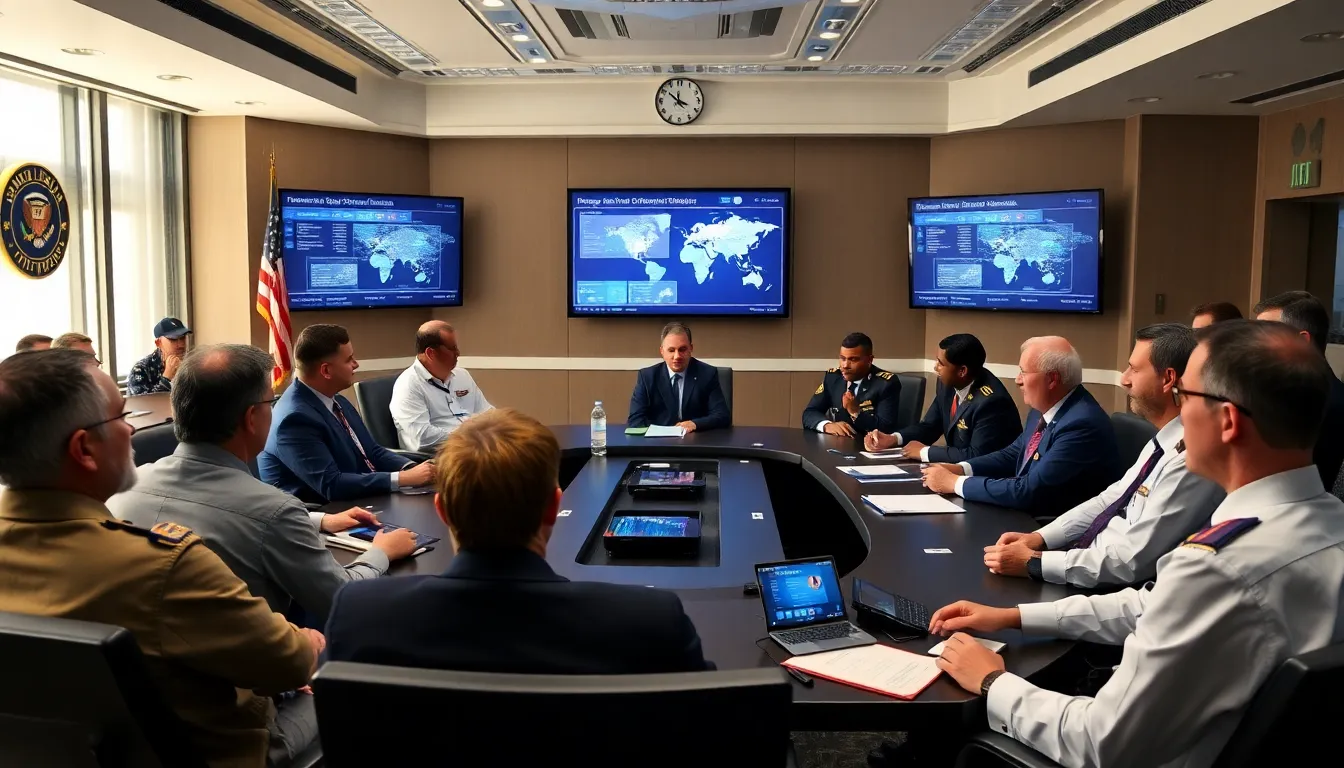
The recent agreements between the Pentagon and various A.I. companies signal significant shifts in both national security and the technology sector. Key stakeholders affected include defense contractors, technology firms, and government agencies. The infusion of A.I. into classified work could reshape the landscape of defense capabilities, impacting how military operations are conducted.
In the short term, businesses in the defense sector may experience increased demand for A.I. solutions, leading to a surge in contracts and potential job creation. This could benefit regions with a strong defense industry presence, such as Virginia and California, where many A.I. firms are located. Additionally, the tech industry may see a boost as companies pivot to meet the needs of the military, fostering innovation and collaboration.
However, there are risks associated with this expansion. Concerns about data security and ethical implications of A.I. in military applications may arise, potentially leading to public backlash. Furthermore, the rapid pace of A.I. development could outstrip regulatory frameworks, prompting calls for policy changes to ensure responsible use.
- Increased collaboration: A.I. firms may partner with defense contractors, leading to new business models.
- Job creation: Growth in A.I. projects may result in new employment opportunities in tech and defense sectors.
- Ethical concerns: The use of A.I. in military applications may raise questions about accountability and transparency.
- Regulatory challenges: The need for updated policies to manage the implications of A.I. in national security.
In the mid-term, the integration of A.I. technologies in defense strategies could lead to enhanced operational efficiencies and improved decision-making processes. This could not only bolster national security but also position the U.S. as a leader in military A.I. innovation on the global stage. However, the potential for an arms race in A.I. capabilities among nations could escalate tensions, necessitating diplomatic efforts to manage these developments responsibly.
A: The Pentagon aims to leverage advanced artificial intelligence technologies to improve its classified operations and enhance national security capabilities. A: These collaborations may lead to increased investment in A.I. technologies within the defense sector, potentially driving innovation and competition among tech firms. A: Yes, there are significant concerns about data security, privacy, and the ethical implications of using A.I. in military applications. A: While specific companies may not be disclosed due to the classified nature of the work, the Pentagon is engaging with leading A.I. firms known for their expertise in technology. A: A.I. can enhance decision-making, improve operational efficiency, and provide advanced analytics for various military applications.
Frequently asked questions about Pentagon’s A.I. deals
Insights on the future of A.I. in military applications
The recent agreements between the Pentagon and various A.I. companies signify a pivotal shift in how military operations may evolve in the coming years. By leveraging advanced technologies, the Department of Defense aims to enhance its operational capabilities, improve decision-making processes, and maintain a competitive edge in global defense strategies. This move not only underscores the growing importance of A.I. in national security but also raises questions about ethical implications and the future landscape of warfare.
As A.I. becomes increasingly integrated into military functions, stakeholders must remain vigilant about the potential consequences, both positive and negative. The collaboration between government and private sectors could lead to groundbreaking innovations, yet it also necessitates a thorough examination of governance, accountability, and the risks associated with deploying autonomous systems in conflict scenarios.
- Increased Investment: Expect a surge in funding for A.I. technologies within the defense sector, promoting innovation and research.
- Ethical Considerations: Watch for ongoing discussions about the ethical implications of A.I. in combat, particularly regarding autonomous weapons.
- Collaboration Models: Observe how partnerships between the Pentagon and tech firms evolve, potentially shaping future military procurement strategies.
- Operational Efficiency: Anticipate improvements in operational efficiency and decision-making speed through the integration of A.I. systems.
- Global Implications: Monitor how advancements in military A.I. may influence international relations and arms control agreements.