
The kit, estimated to be around six weeks old, requires specialized feeding and monitoring due to its vulnerable state. Caregivers are employing a tailored diet and a warm environment to mimic the natural conditions it would have experienced with its mother. The rehabilitation team emphasizes the importance of nurturing the kit to prepare it for potential release back into the wild, which is a crucial aspect of wildlife rehabilitation.
This incident highlights ongoing concerns about the survival of pine marten populations, which face threats from habitat loss and predation. As a species that plays a critical role in maintaining ecological balance, the decline in their numbers could have broader implications for forest ecosystems. The rehabilitation of this lone kit serves as a reminder of the challenges faced by wildlife in increasingly fragmented habitats.
Local wildlife organizations are collaborating to raise awareness about the plight of the pine marten and the need for conservation efforts. Educational initiatives aim to inform the public about the importance of protecting these animals and their habitats, reflecting the positive impact of community involvement in wildlife conservation.
Understanding the significance of wildlife rehabilitation
Wildlife rehabilitation has become an essential aspect of conservation efforts, particularly as human activities increasingly encroach on natural habitats. The plight of the pine marten kit, which now requires round-the-clock care following the death of its siblings, highlights the urgent need for effective wildlife rescue and rehabilitation programs. These initiatives not only aim to save individual animals but also contribute to the broader goal of maintaining biodiversity and ecological balance.
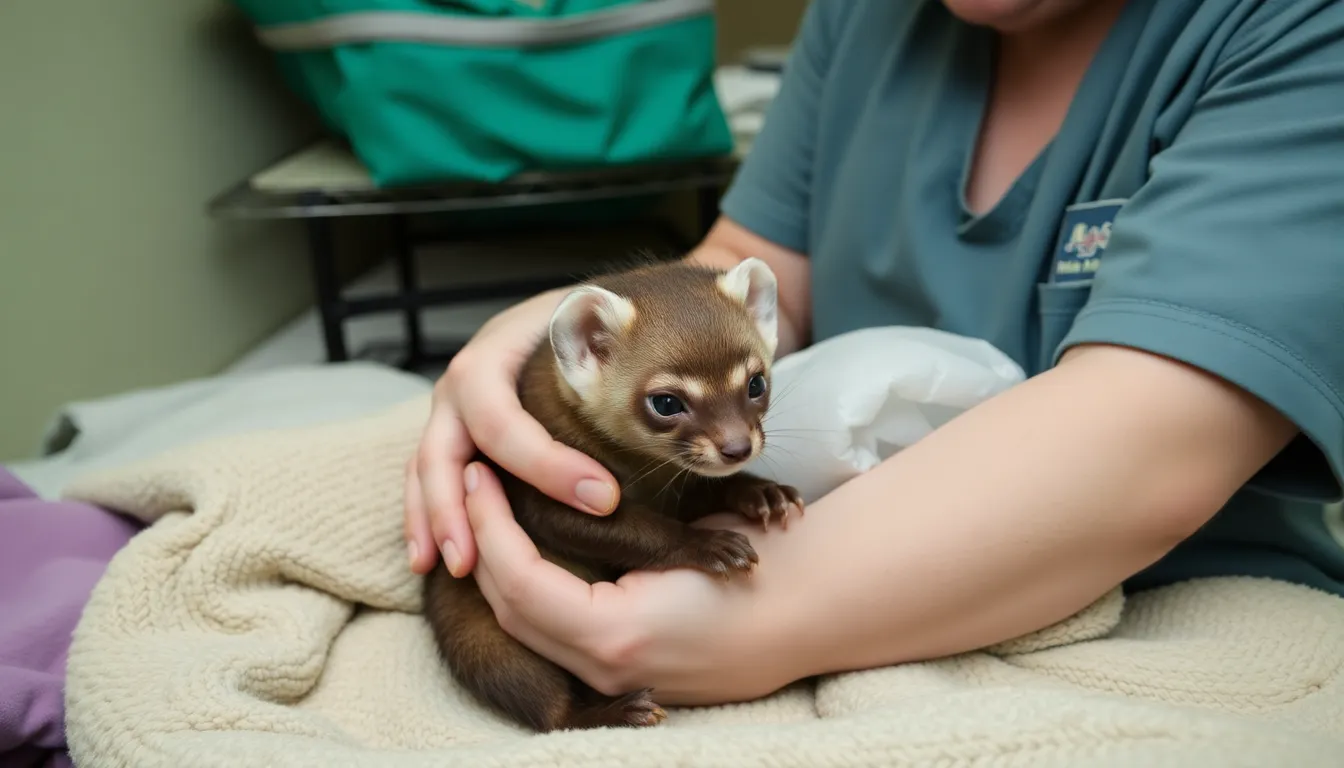
Historically, the pine marten, a small carnivorous mammal native to Europe and parts of Asia, faced significant threats from habitat loss, hunting, and persecution. Conservation efforts began to gain momentum in the late 20th century, leading to protective measures and a gradual increase in their populations in some regions. However, the challenges posed by climate change and urban expansion continue to put pressure on these animals, making rehabilitation programs even more critical.
In recent years, the rise in awareness about wildlife conservation has led to increased funding and support for rehabilitation centers. These facilities serve as lifelines for injured or orphaned animals, providing medical care, nutrition, and a safe environment until they can be reintroduced into the wild, similar to the case of the pine marten kit.
The role of community involvement
Community involvement plays a vital role in wildlife rehabilitation efforts. Local volunteers and organizations often collaborate with rehabilitation centers to provide resources, education, and support. This grassroots approach not only enhances the capabilities of rehabilitation efforts but also fosters a sense of stewardship among community members, encouraging them to protect and advocate for local wildlife.
Key challenges faced by wildlife rehabilitators in caring for orphaned animals
The recent case of a lone pine marten kit receiving round-the-clock care after the tragic death of its siblings highlights the critical role of wildlife rehabilitators. These individuals and organizations are often at the forefront of animal care, facing numerous challenges that impact both their operations and the well-being of the animals they serve.
One of the primary stakeholders in this scenario is wildlife rehabilitation organizations, which strive to provide care for orphaned or injured animals. Their interest lies in ensuring the survival and eventual release of these animals back into their natural habitats. However, they often encounter significant resource constraints, including funding, staffing, and access to veterinary care.
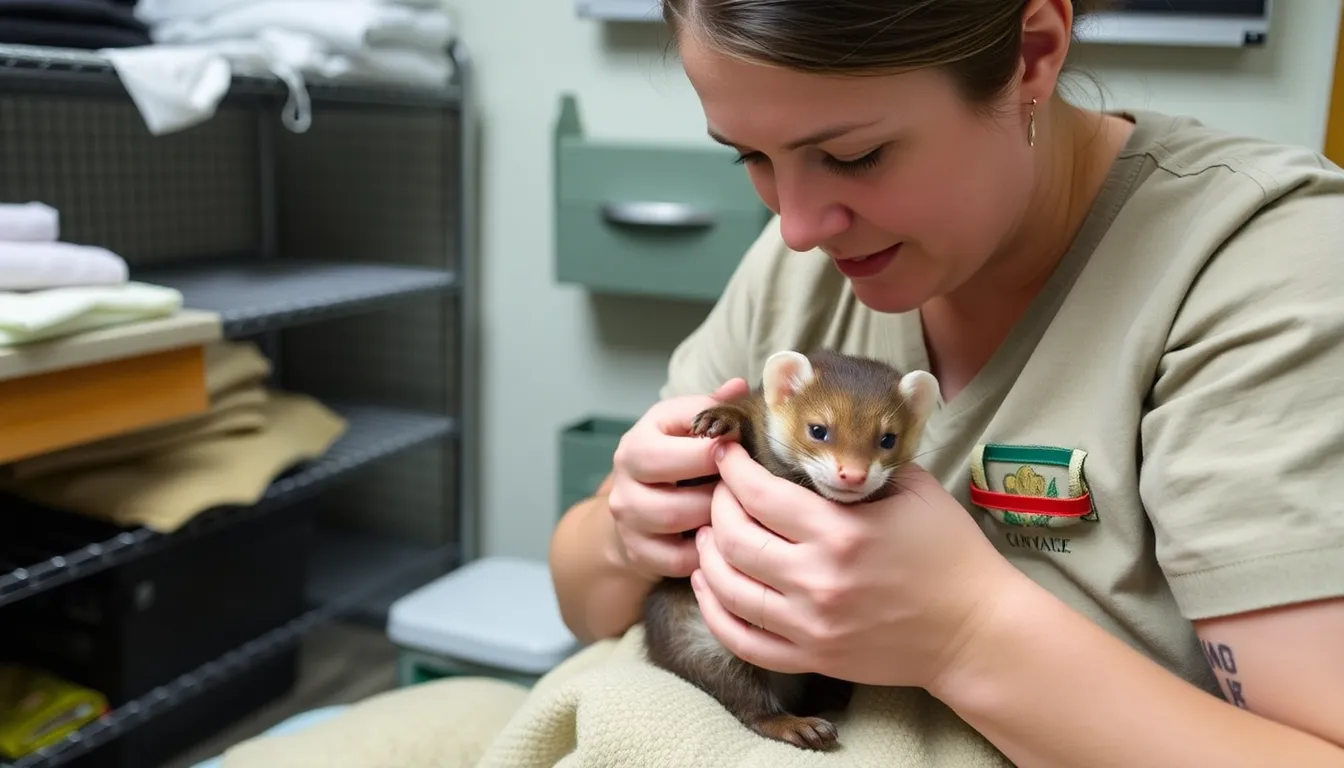
Another key actor is local government agencies responsible for wildlife conservation. These agencies have a vested interest in maintaining biodiversity and protecting vulnerable species like the pine marten. However, conflicts may arise between conservation goals and public interests, such as land development or hunting regulations, which can complicate rehabilitation efforts.
Additionally, the public plays a crucial role as both supporters and critics of wildlife rehabilitation practices. While many individuals advocate for the protection and care of orphaned wildlife, there can be misunderstandings regarding the complexities of rehabilitation and the challenges involved in raising animals in captivity.
- Resource limitations: Wildlife rehabilitators often operate on tight budgets, affecting their ability to provide comprehensive care.
- Legal regulations: Wildlife laws can complicate the rehabilitation process, particularly concerning the handling and release of certain species.
- Public perception: Misconceptions about wildlife care can lead to mixed support for rehabilitation efforts.
- Ecological balance: The introduction of rehabilitated animals back into the wild must consider potential impacts on local ecosystems.
In summary, the situation surrounding the orphaned pine marten kit underscores the intricate web of stakeholders involved in wildlife rehabilitation, each with their own interests and challenges. Understanding these dynamics is crucial for fostering effective conservation strategies and ensuring the survival of vulnerable species.
The implications for wildlife conservation and public awareness
The plight of the lone pine marten kit, which is receiving round-the-clock care after the tragic loss of its siblings, highlights the urgent need for wildlife conservation efforts. This situation affects various stakeholders, including wildlife rehabilitation organizations, conservationists, and local communities that rely on biodiversity for ecological balance.
In the short term, the incident raises awareness about the fragility of wildlife populations and the importance of protecting their habitats. Local businesses, particularly those in ecotourism and wildlife observation, may see increased interest as people become more aware of the challenges faced by species like the pine marten. This heightened awareness can lead to a surge in community involvement in conservation initiatives.
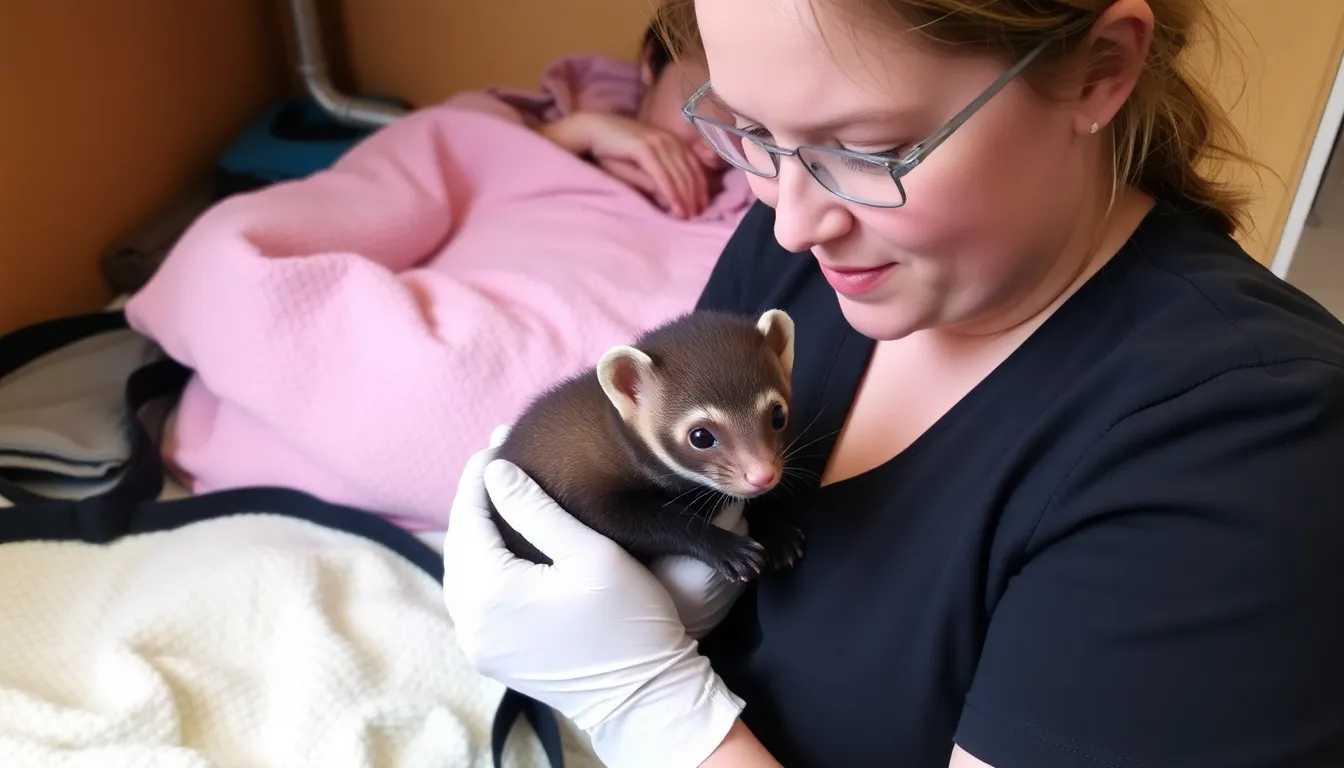
Mid-term impacts may include policy changes aimed at enhancing wildlife protection laws. As public concern grows, local governments might allocate more resources to conservation programs, potentially benefiting industries related to environmental management and sustainable tourism. However, this could also pose risks for certain sectors, such as agriculture or forestry, where stricter regulations might affect land use and economic activities.
- Increased public awareness about wildlife conservation issues.
- Potential policy changes that could impact land use and resource management.
- Opportunities for ecotourism and local businesses focused on wildlife education.
- Risks for industries that may face stricter environmental regulations.
Ultimately, the fate of the pine marten kit serves as a reminder of the interconnectedness of wildlife health and human activity. The response to this incident could shape future conservation strategies and community engagement efforts, fostering a culture of stewardship for local ecosystems.
A: The siblings of the pine marten kit sadly passed away, prompting the need for intensive care for the surviving kit. A: The kit is receiving round-the-clock care from wildlife rehabilitators who provide feeding, warmth, and medical attention as needed. A: Wildlife rehabilitation plays a crucial role in conserving species and educating the public about the challenges wildlife face in their natural habitats. A: If the kit is healthy and capable of surviving on its own, it may be released back into its natural habitat once it is old enough. A: People can support local wildlife rehabilitation centers through donations or volunteering and should contact professionals when they encounter injured or orphaned animals.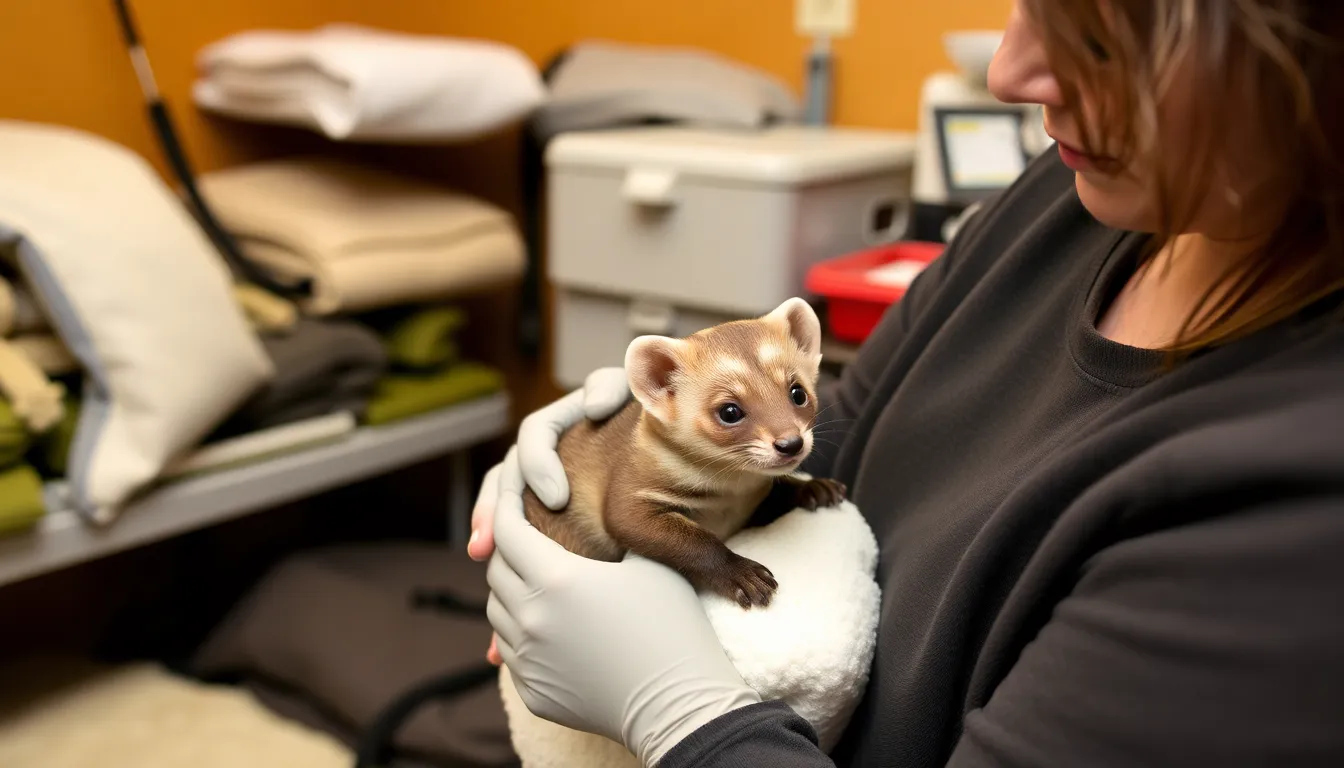
Frequently asked questions about wildlife rehabilitation
Future outlook for the pine marten kit and wildlife care
The recent loss of the pine marten kit’s siblings highlights the fragility of wildlife populations and the critical role of dedicated care in rehabilitation efforts. As the remaining kit receives round-the-clock attention, the situation underscores the importance of wildlife rescue organizations in mitigating the impacts of environmental threats and human activities.
Looking ahead, the care provided to this lone kit may serve as a vital case study for future wildlife rehabilitation efforts. The ongoing monitoring and nurturing of this young animal can provide valuable insights into the best practices for rearing orphaned wildlife, potentially improving survival rates for similar cases in the future.
- Increased awareness of the challenges faced by wildlife can drive public support for conservation initiatives.
- Successful rehabilitation of the pine marten kit could lead to more funding and resources allocated to wildlife care organizations.
- Monitoring the kit’s development will offer insights into the behavioral needs of orphaned pine martens.
- The situation may prompt further research into the causes of mortality in wildlife populations.
- Community involvement in wildlife care can foster a deeper connection between people and local ecosystems.