
The updated background checks will include a more thorough examination of criminal records, driving history, and other relevant personal information. Uber aims to ensure that only qualified individuals are allowed to operate as drivers on its platform, thereby fostering a safer environment for both passengers and drivers. This initiative reflects the company’s commitment to prioritizing safety amid increasing scrutiny from regulators and the public.
Industry experts suggest that these changes may set a new standard for ride-sharing companies, potentially influencing competitors to adopt similar practices. As Uber navigates regulatory pressures and public perception, the effectiveness of these background checks will be closely monitored. The company is also expected to communicate these changes to its users, emphasizing the importance of safety in its operations.
In addition to the new background checks, Uber plans to enhance its safety features within the app, including real-time monitoring and emergency response capabilities. These efforts are part of a broader strategy to rebuild trust with consumers and address safety concerns that have plagued the industry in recent years. As Uber moves forward, the impact of these measures on driver recruitment and passenger confidence remains to be seen.
Understanding the reasons behind Uber’s decision
Uber’s recent move to implement stricter background checks for its drivers comes in response to a series of incidents that have raised questions about passenger safety and driver accountability. Since its inception in 2009, Uber has revolutionized the transportation industry, but it has also faced criticism regarding its vetting processes for drivers. Over the years, various reports of criminal behavior among drivers have prompted public outcry and regulatory scrutiny.
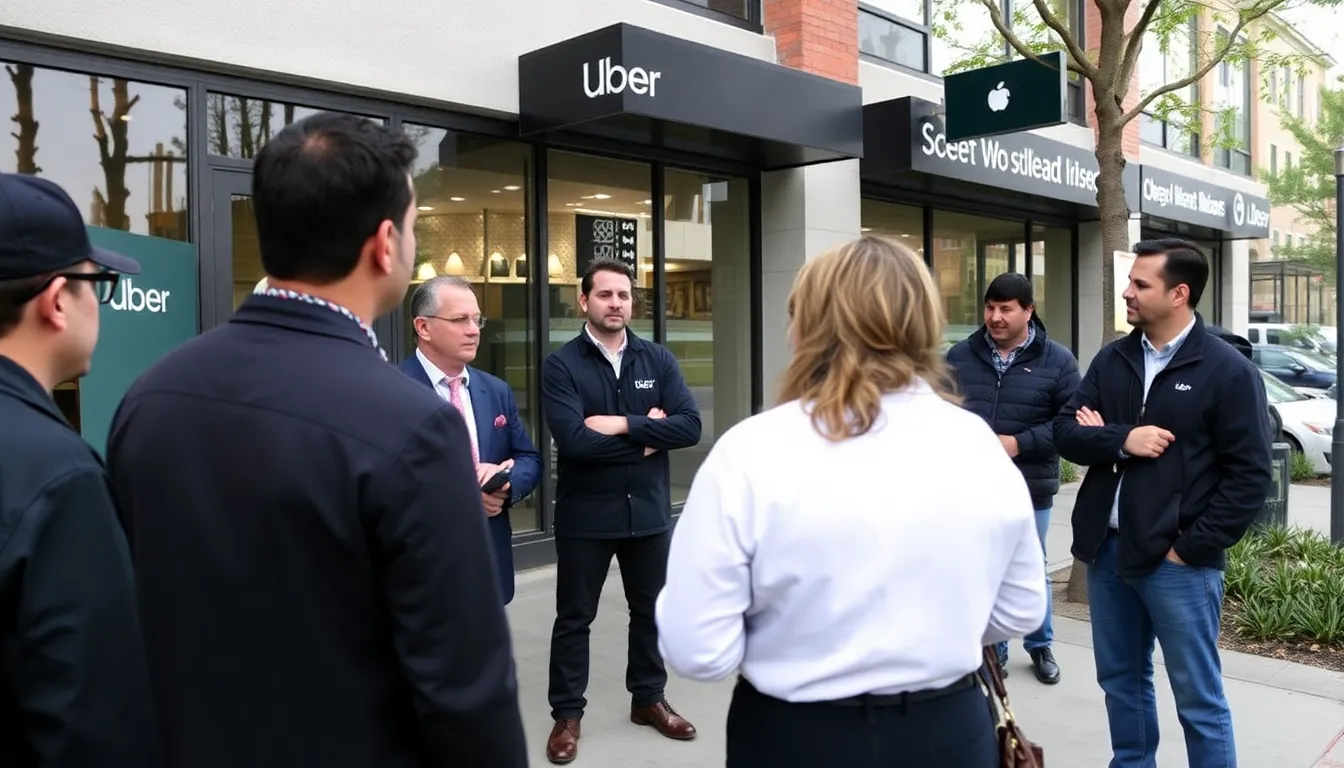
The political landscape surrounding ridesharing services has evolved significantly. Initially, Uber operated in a regulatory gray area, but as it expanded, local governments began to enact laws aimed at ensuring rider safety. These regulations often mandated more thorough background checks, similar to those required for taxi drivers. In 2017, a high-profile incident involving an Uber driver who was charged with assault further fueled calls for reform, highlighting the urgent need for improved safety measures.
Economic Implications of Background Checks
From an economic perspective, the introduction of stricter background checks could impact Uber’s operational costs. While enhanced vetting processes may lead to increased expenses, they are also likely to bolster consumer confidence, potentially attracting more riders. In a competitive market, safety is a paramount concern, and companies that prioritize it may gain a significant advantage. Furthermore, as more states implement regulations requiring rigorous background checks, Uber’s proactive stance may position it favorably against competitors.
Socially, the demand for safer ridesharing experiences has grown as public awareness of safety issues has increased. Advocacy groups have been vocal about the need for better protections for passengers, leading to a shift in consumer expectations. Uber’s decision to enhance its background checks reflects a broader societal trend toward prioritizing safety and accountability in the gig economy, where workers often operate with minimal oversight.
In conclusion, Uber’s decision to enact stricter background checks is a multifaceted response to historical incidents, evolving political pressures, economic considerations, and changing social attitudes toward safety in the ridesharing industry. As the company moves forward, it will be essential to monitor how these changes affect both driver recruitment and passenger trust.
Key stakeholders and issues surrounding the new background checks
As Uber implements stricter background checks for its drivers, several key stakeholders emerge, each with distinct interests and concerns. These include Uber itself, drivers, passengers, regulatory bodies, and advocacy groups. Understanding the dynamics between these actors is crucial for grasping the implications of this policy change.

Uber, as a primary stakeholder, aims to enhance its brand reputation and ensure passenger safety, which is vital for its continued growth and market competitiveness. Stricter background checks may help mitigate legal risks and improve user trust. However, this move may also result in a reduced pool of available drivers, potentially affecting service availability and wait times.
Drivers, on the other hand, have mixed reactions to the new checks. While many support measures that could enhance safety, others express concerns about the potential for increased barriers to entry into the platform. The financial and time costs associated with undergoing more rigorous screening processes could deter prospective drivers, impacting their earning opportunities.
Regulatory bodies play a significant role in this scenario, as they may impose requirements that drive Uber’s decision to enhance background checks. These entities are often tasked with ensuring public safety and may advocate for more stringent measures across the ride-sharing industry. However, they must balance these safety concerns with the economic implications of restricting driver access.
- Legal implications: Stricter checks could lead to legal challenges regarding discrimination or privacy violations.
- Economic impact: A smaller driver pool may lead to higher fares and longer wait times for passengers.
- Public perception: Enhanced safety measures could improve Uber’s image but may also raise questions about accessibility for marginalized groups.
- Driver retention: Increased checks may lead to higher turnover rates among drivers who feel unfairly scrutinized.
- Industry standards: Uber’s actions may set a precedent for other ride-sharing companies, influencing overall industry practices.
As these stakeholders navigate the complexities of the new background check policy, the interplay of their interests will shape the future of ride-sharing services and their regulatory landscape. The outcome may have lasting effects on user experience, driver dynamics, and safety perceptions within the industry.
Who will be affected by these new background checks
The implementation of stricter background checks for Uber drivers will have a broad impact on various stakeholders, including drivers, riders, regulatory bodies, and the overall transportation industry. As these changes take effect, the effects will ripple through urban areas where ridesharing services are heavily utilized.

Drivers will be directly affected as they may face increased scrutiny during the onboarding process. This could lead to longer wait times for new applicants and potentially a reduction in the number of available drivers in certain regions. In the short term, this may result in higher fares for riders due to decreased supply.
Riders, particularly those in urban settings, will experience both risks and benefits. On one hand, the stricter checks may enhance safety and trust in the platform, leading to a more secure riding experience. On the other hand, some users may find themselves waiting longer for rides as the pool of available drivers shrinks temporarily.
- Increased driver vetting may lead to a more reliable service.
- Potential rise in ride costs due to decreased supply of drivers.
- Regulatory bodies may impose new standards for ridesharing services.
- Opportunities for background check companies to partner with Uber.
In the mid-term, businesses that rely on ridesharing services for logistics or employee transportation may need to adjust their strategies. Companies could explore alternative transportation solutions or negotiate partnerships with other rideshare platforms that may not impose such stringent checks. Additionally, the policy changes may prompt other ridesharing companies to follow suit, leading to a shift in industry standards.
A: Uber’s decision was influenced by increasing safety concerns from riders and regulatory pressures to ensure driver reliability. A: The new checks will involve more thorough criminal history evaluations and regular updates to ensure ongoing compliance. A: Yes, existing drivers may need to undergo re-evaluation to continue their eligibility to drive for Uber. A: The stricter checks may slow down the recruitment process but are expected to enhance overall safety and trust in the platform. A: Uber assures that all background checks will comply with privacy laws and regulations to protect driver information.
Frequently asked questions about Uber’s background checks
Looking ahead at Uber’s safety initiatives and their implications
As Uber implements stricter background checks for its drivers, the ride-sharing giant is not only enhancing passenger safety but also setting a precedent for the industry. This move reflects a growing recognition of the importance of trust and security in the gig economy. By prioritizing thorough vetting processes, Uber aims to mitigate risks associated with driver misconduct and improve overall service quality.
The implications of these measures extend beyond immediate safety concerns. They may influence regulatory frameworks, shape consumer expectations, and impact driver recruitment strategies. As Uber navigates this evolving landscape, stakeholders will need to monitor how these changes affect operational efficiency and public perception.
- Increased trust among users: Stricter checks may lead to higher consumer confidence in ride-sharing services.
- Potential regulatory shifts: Other companies in the sector may feel pressured to enhance their safety protocols in response to Uber’s initiatives.
- Impact on driver recruitment: More rigorous background checks could limit the pool of eligible drivers, affecting service availability in certain areas.
- Long-term brand loyalty: A commitment to safety may strengthen Uber’s brand reputation and foster customer loyalty over time.