
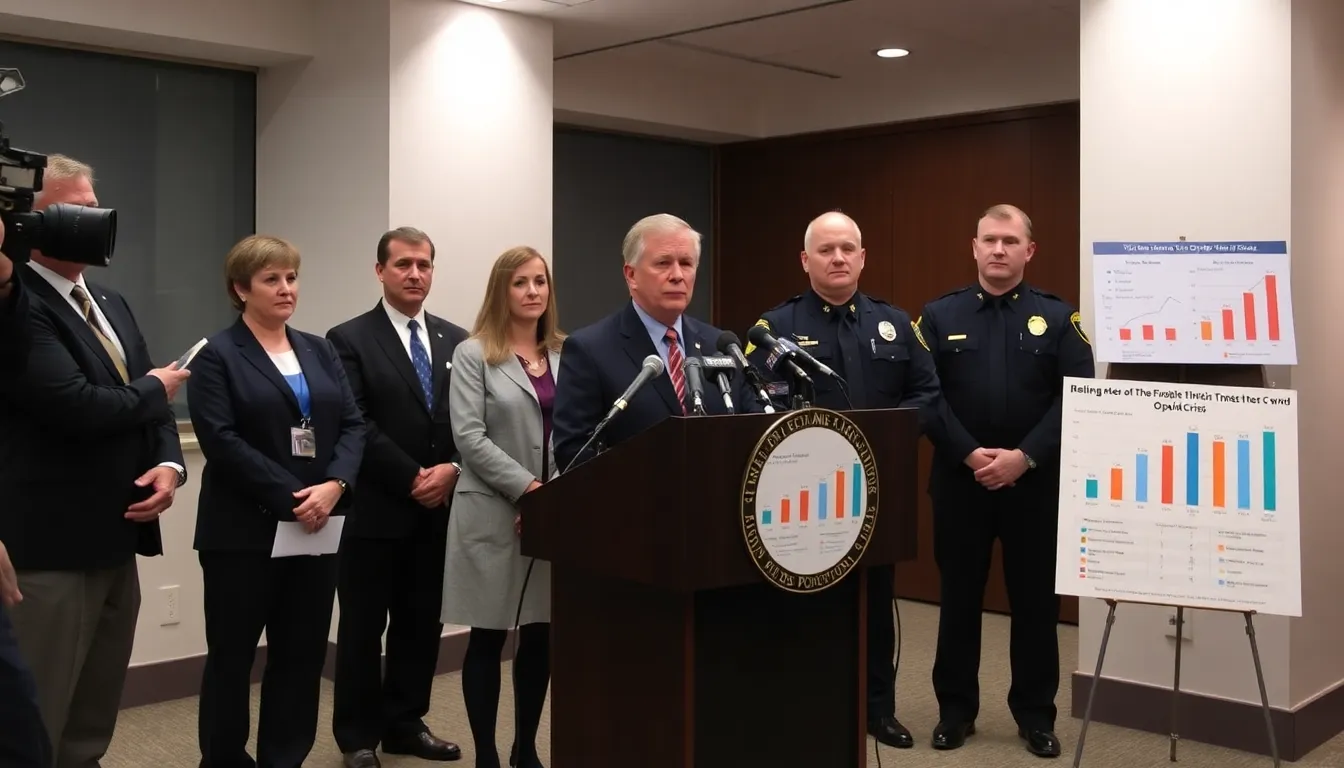
Law enforcement agencies and health officials are grappling with the challenges posed by Orphines, as they are often mixed with other substances, making them even more dangerous. The Drug Enforcement Administration (DEA) issued a public safety alert in February 2023, highlighting the urgent need for increased awareness and prevention measures to combat this growing threat, similar to what has been discussed in the context of Hantavirus and its connection to health crises.
Experts warn that the rapid spread of Orphines is exacerbating an already dire situation, particularly in regions that have been heavily affected by the opioid crisis. Communities are reporting a rise in emergency room visits and a strain on addiction treatment services, underscoring the urgent need for effective public health responses.
As the situation evolves, policymakers are being urged to take immediate action to address the proliferation of Orphines. This includes enhancing surveillance efforts, increasing funding for treatment programs, and implementing educational campaigns to inform the public about the dangers associated with these potent substances.
The historical background of opioid development and regulation
The opioid crisis in the United States has deep roots, tracing back to the late 19th century when morphine was first isolated from opium. Initially hailed as a miracle drug for pain relief, morphine’s addictive properties soon became apparent, leading to widespread addiction and the establishment of the first regulatory measures. The Harrison Narcotics Tax Act of 1914 marked a significant turning point, imposing restrictions on the sale and use of opiates and setting the stage for a complex relationship between pain management and addiction.

In the latter half of the 20th century, the pharmaceutical industry began to develop synthetic opioids, which were marketed as safer alternatives to natural opiates. The introduction of OxyContin in the 1990s by Purdue Pharma is often cited as a critical moment in the opioid epidemic. Promoted as a long-lasting solution for chronic pain, it was widely prescribed despite the company’s knowledge of its high potential for addiction. This led to a dramatic increase in opioid prescriptions and, subsequently, addiction rates across the country.
The rise of synthetic opioids
As the opioid crisis escalated, the market began to see a surge in synthetic opioids, including fentanyl and its analogs. These substances are significantly more potent than traditional opioids, leading to a sharp increase in overdose deaths. The emergence of orphines, a new class of synthetic opioids, has raised alarms among public health officials and law enforcement. Their rapid development and distribution reflect a troubling trend in the ongoing battle against opioid misuse and the challenges of regulation in an evolving landscape, much like the challenges faced by organizations dealing with crises.
Political and economic factors have also played a role in the opioid epidemic. Lobbying by pharmaceutical companies and a lack of stringent regulatory oversight have contributed to the widespread availability of opioids. Additionally, socioeconomic factors, such as unemployment and lack of access to healthcare, have exacerbated the crisis, particularly in rural areas where addiction rates are often higher. Understanding this historical context is crucial for addressing the current challenges posed by orphines and the broader implications for public health policy, similar to insights gained from discussions around mental health narratives.
Key stakeholders in the fight against Orphines
The emergence of Orphines, a new class of highly potent opioids, has raised significant concerns among various stakeholders. These include government agencies, healthcare organizations, law enforcement, and advocacy groups, each with distinct interests and roles in addressing the crisis.
Government agencies, such as the Drug Enforcement Administration (DEA) and the Food and Drug Administration (FDA), are primarily focused on regulating the manufacturing and distribution of Orphines. Their aim is to prevent misuse while ensuring that patients who genuinely need pain management have access to necessary medications. However, the challenge lies in balancing these regulatory efforts with the need for effective pain relief.

Healthcare organizations, including hospitals and clinics, are on the front lines of this crisis. They must navigate the complexities of prescribing opioids while adhering to guidelines that aim to minimize addiction risks. The interests of healthcare providers often conflict with the need to address patient pain adequately, leading to a delicate trade-off between patient care and public health safety.
- Law enforcement agencies are tasked with combating the illegal distribution of Orphines, which poses a significant challenge due to the drug’s potency and the sophistication of trafficking networks.
- Advocacy groups, representing both patients and those affected by addiction, push for policies that ensure access to treatment and support for individuals struggling with opioid dependence, often clashing with regulatory measures that may restrict access to necessary medications.
- Pharmaceutical companies are also key players, as they hold the responsibility of developing safer alternatives and ensuring that their products are not misused. Their interests may conflict with public health goals, particularly if profit motives lead to aggressive marketing of new opioid formulations.
The legal landscape surrounding Orphines is complex, with ongoing discussions about liability, regulation, and the responsibilities of manufacturers. Economic implications also arise, as communities grapple with the costs associated with addiction treatment and law enforcement efforts. The interplay of these factors creates a multifaceted environment where collaboration and conflict are both prevalent.
The potential impact of Orphines on communities and healthcare systems
The emergence of Orphines, a new class of opioids, poses significant risks to various groups, including individuals struggling with addiction, healthcare providers, and community organizations. Vulnerable populations, particularly those in regions with existing opioid crises, may face heightened exposure to these potent substances, exacerbating public health challenges.
Industries such as healthcare, law enforcement, and social services are likely to feel the immediate effects of Orphines. Hospitals may experience increased patient admissions due to overdoses, while first responders will need to adapt to the challenges of treating individuals affected by these opioids. Community organizations focused on addiction recovery may also need to ramp up their efforts to address the rising tide of addiction.
In the short term, daily life in affected regions may become more precarious, with increased instances of drug-related incidents impacting public safety. Businesses may face disruptions as employees deal with the fallout from addiction, leading to absenteeism and reduced productivity. Additionally, policymakers will have to respond quickly, potentially resulting in new regulations and funding initiatives aimed at combating the crisis.
- Increased healthcare costs: The financial burden on healthcare systems may rise significantly due to the need for emergency treatments and long-term addiction support.
- Strain on law enforcement: Police and emergency services may experience greater demands as they respond to overdose cases and related criminal activities.
- Opportunities for innovation: The crisis could spur advancements in addiction treatment and prevention programs, creating new avenues for healthcare providers and technology firms.
In the mid-term, communities may witness a shift in public perception regarding opioids and addiction, leading to stronger advocacy for mental health resources and prevention strategies. While the risks posed by Orphines are substantial, they may also catalyze a renewed commitment to addressing the opioid epidemic comprehensively, fostering collaboration among various sectors to mitigate the impact on society.
A: Orphines are a new class of synthetic opioids that are highly potent and have been linked to increased overdose deaths. Their chemical structure makes them particularly dangerous. A: Unlike traditional opioids, Orphines are designed to be more powerful and can lead to faster addiction and overdose. Their effects can be unpredictable. A: Governments and health organizations are implementing stricter regulations on opioid prescriptions and increasing awareness about the dangers of synthetic opioids like Orphines. A: Individuals with a history of substance abuse, those using prescription opioids, and vulnerable populations are at the highest risk of Orphine-related harm. A: Standard drug tests may not detect Orphines, as they are often not included in routine screenings. Specialized tests are required for accurate detection.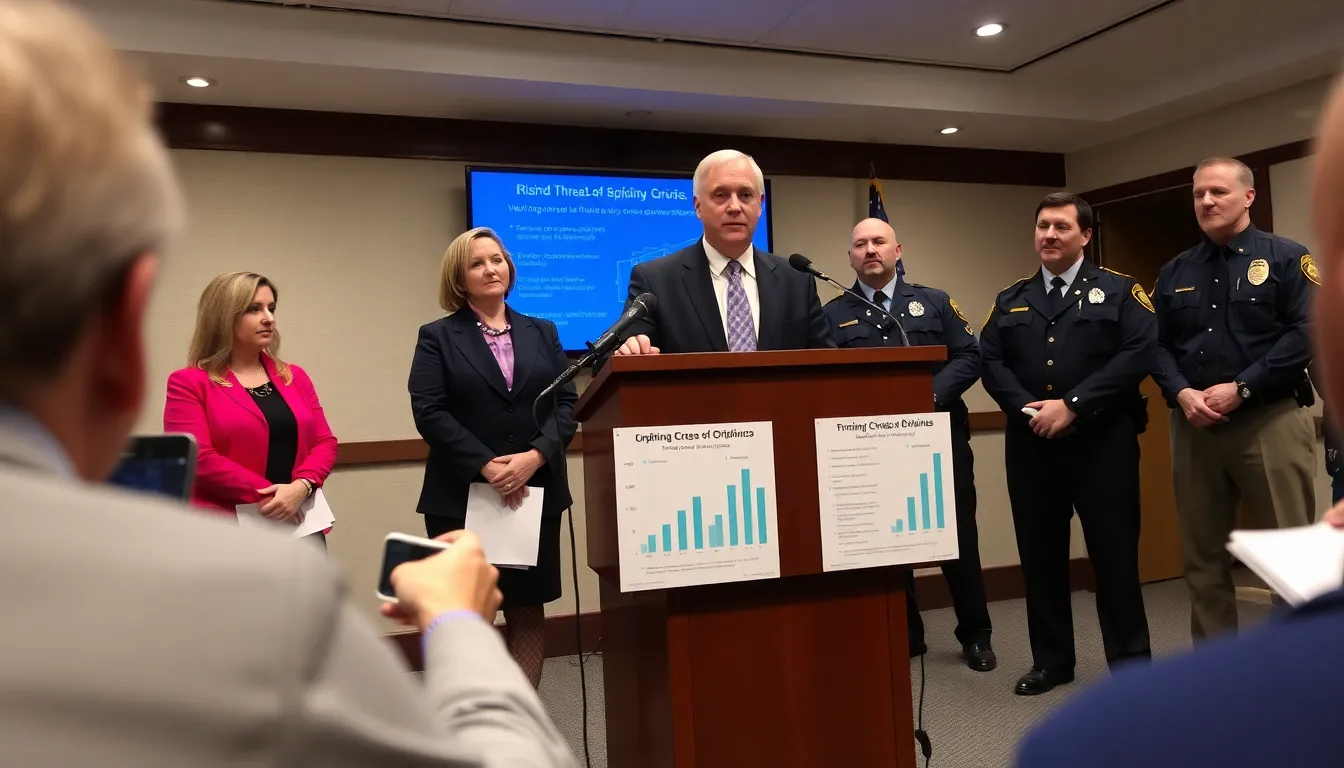
Frequently asked questions about Orphines
Future outlook on Orphines and opioid regulation
The emergence of Orphines as a new class of opioids poses significant challenges for public health and regulatory frameworks. As these substances gain attention for their potency and potential for abuse, it is crucial for policymakers, healthcare providers, and communities to adapt their strategies to mitigate the risks associated with these drugs. Understanding the implications of Orphines will be essential in shaping effective responses to the ongoing opioid crisis.
Monitoring trends in prescription practices, developing robust addiction treatment programs, and enhancing education around opioid use will be vital in addressing the threats posed by Orphines. Collaboration between government agencies, healthcare systems, and community organizations will be necessary to create a comprehensive approach to opioid regulation and prevention.
- Increased surveillance: Expect heightened monitoring of Orphine prescriptions and usage patterns to identify potential abuse early.
- Regulatory updates: Anticipate new regulations aimed at controlling the distribution and prescription of Orphines.
- Public health initiatives: Watch for increased funding and support for addiction treatment programs specifically targeting opioid use disorder.
- Education campaigns: Look for expanded educational efforts aimed at healthcare professionals and patients about the risks of Orphines.
- Research advancements: Keep an eye on ongoing research into safer alternatives and effective treatments for opioid addiction.