
In 2023, EastEnders star Shona McGarty spoke candidly about her own mental health challenges, emphasizing that these experiences are not limited to a select few but are common to many individuals. Her comments resonate with a broader trend in which celebrities use their platforms to advocate for mental health awareness, thereby encouraging fans and followers to seek help and support. Events such as Mental Health Awareness Week have further amplified these discussions within the industry.
The impact of these conversations is profound, as they not only provide a voice to those struggling but also foster a sense of community and understanding among viewers. According to a survey conducted by Mind in 2022, 70% of respondents indicated that seeing public figures discuss mental health issues made them feel less alone in their struggles. This highlights the importance of representation and openness in tackling mental health challenges.
As the dialogue continues to evolve, the entertainment industry faces the challenge of maintaining this momentum. Initiatives aimed at providing mental health resources and support for actors and crew members are becoming increasingly vital. The ongoing discussions led by stars like McGarty serve as a reminder that mental health is a universal concern, affecting individuals from all walks of life.
Understanding the background of mental health discussions in media
The portrayal of mental health in media has evolved significantly over the past few decades, reflecting broader societal changes in the understanding and acceptance of mental health issues. Historically, mental health was often stigmatized, with individuals suffering from mental illnesses portrayed as dangerous or unstable. This negative representation contributed to a culture of silence and shame surrounding mental health, preventing many from seeking help.

In the 1980s and 1990s, a shift began to occur as public awareness campaigns and advocacy groups emerged, promoting a more nuanced understanding of mental health. Television shows, including popular dramas like ‘EastEnders’, started to address mental health issues more openly, showcasing characters grappling with their mental well-being. This was a pivotal moment, as it allowed audiences to see reflections of their own struggles on screen, fostering empathy and understanding. Such narratives contributed significantly to breaking the stigma surrounding these issues and parallel such discussions as those found in articles on personal journeys and growth.
The Role of ‘EastEnders’
‘EastEnders’ has been particularly influential in tackling mental health narratives. The show has addressed various issues, from depression to addiction, often portraying characters in relatable situations that resonate with viewers. Key storylines, such as those involving characters like Dot Cotton and her struggles with grief and loneliness, have helped to highlight the importance of mental health discussions in everyday life. These portrayals have not only entertained but also educated the public, breaking down barriers and encouraging conversations around mental health, much like the discussions around the evolution of technology.
In recent years, the conversation has expanded further, with a growing recognition of the impact of social and economic factors on mental health. Issues such as unemployment, housing instability, and societal pressures have been shown to exacerbate mental health challenges. As a result, media representations now increasingly reflect these complexities, emphasizing that mental health is a universal concern that affects individuals from all walks of life.
Today, mental health discussions in media continue to evolve, with an emphasis on authenticity and representation. As more celebrities and public figures share their own mental health journeys, the stigma surrounding these issues diminishes. This cultural shift not only encourages individuals to seek help but also fosters a supportive environment where mental health can be openly discussed, making it a vital part of contemporary media narratives.
Key stakeholders and their roles in mental health advocacy
In the context of the mental health narrative surrounding ‘EastEnders,’ several key stakeholders play significant roles in shaping public discourse and policy. These include actors, mental health organizations, government agencies, and the media. Each group has distinct interests and influences that contribute to the broader conversation about mental health awareness and support.

One of the primary stakeholders is the cast of ‘EastEnders,’ particularly those who portray characters dealing with mental health issues. Their involvement not only raises awareness but also humanizes the struggles associated with mental health. Actors often share personal experiences, which can resonate with audiences and encourage open discussions about mental health challenges.
Another critical player is mental health organizations, such as Mind and the Samaritans. These organizations advocate for better mental health services and provide resources for individuals in need. Their interests lie in promoting mental health awareness, reducing stigma, and ensuring adequate funding for mental health programs. They often collaborate with media productions like ‘EastEnders’ to ensure accurate representation of mental health issues.
- Government agencies: They are responsible for creating policies that affect mental health services, including funding and accessibility. Their interest is in public health and the overall well-being of citizens.
- The media: Beyond ‘EastEnders,’ various media outlets play a role in shaping public perceptions of mental health. Their interest is in delivering compelling stories while balancing the need for responsible reporting.
- Community advocates: Local organizations and individuals often work to address mental health issues within their communities, focusing on specific demographics that may be underserved.
Conflicts may arise between these stakeholders, particularly regarding the portrayal of mental health issues in the media. While entertainment can raise awareness, it also risks oversimplifying complex issues or perpetuating stereotypes. Additionally, economic factors, such as funding cuts to mental health services, can create significant barriers to effective advocacy and support.
Understanding these dynamics is crucial for navigating the mental health landscape. By recognizing the various interests and potential conflicts among stakeholders, readers can appreciate the complexities involved in mental health advocacy and the importance of collaborative efforts to foster a supportive environment for those affected.
The impact of mental health narratives on audiences and society
The mental health story presented by EastEnders resonates with a diverse range of groups, including individuals struggling with mental health issues, their families, and communities. Additionally, mental health professionals and organizations are also significantly impacted as they navigate the public’s increased awareness and demand for support services.

In the short term, the portrayal of mental health in popular media can lead to increased conversations around mental health, reducing stigma and encouraging individuals to seek help. This can result in a surge of inquiries and service requests from mental health organizations, impacting their operational capacity and resource allocation.
In the mid-term, the sustained focus on mental health narratives can influence policy decisions, leading to increased funding for mental health initiatives and support programs. This shift may also encourage businesses to adopt more comprehensive mental health policies, creating healthier work environments and enhancing employee well-being.
- Risks: Potential oversimplification of mental health issues in media representations may lead to misconceptions.
- Opportunities: Enhanced collaboration between media, mental health organizations, and policymakers can create more effective outreach and support systems.
Regions with higher viewership of shows like EastEnders may experience a more pronounced shift in public attitudes toward mental health, influencing community support systems and local mental health initiatives. As awareness grows, businesses in various industries may recognize the importance of prioritizing mental health, leading to innovative solutions and services tailored to meet the evolving needs of their employees and customers.
A: Mental health representation is crucial as it helps to normalize conversations around mental health issues, making them more relatable and less stigmatized for viewers. A: Viewers can support mental health initiatives by participating in campaigns, sharing information on social media, and engaging in discussions about the topics presented in the shows. A: The entertainment industry is increasingly incorporating mental health training for actors and crew, as well as collaborating with mental health organizations to provide resources and support. A: Storytelling can significantly shape viewers’ perceptions by providing insight into the experiences of those with mental health challenges, fostering empathy and understanding. A: Yes, many organizations provide resources such as hotlines, support groups, and online information for individuals seeking help with mental health issues.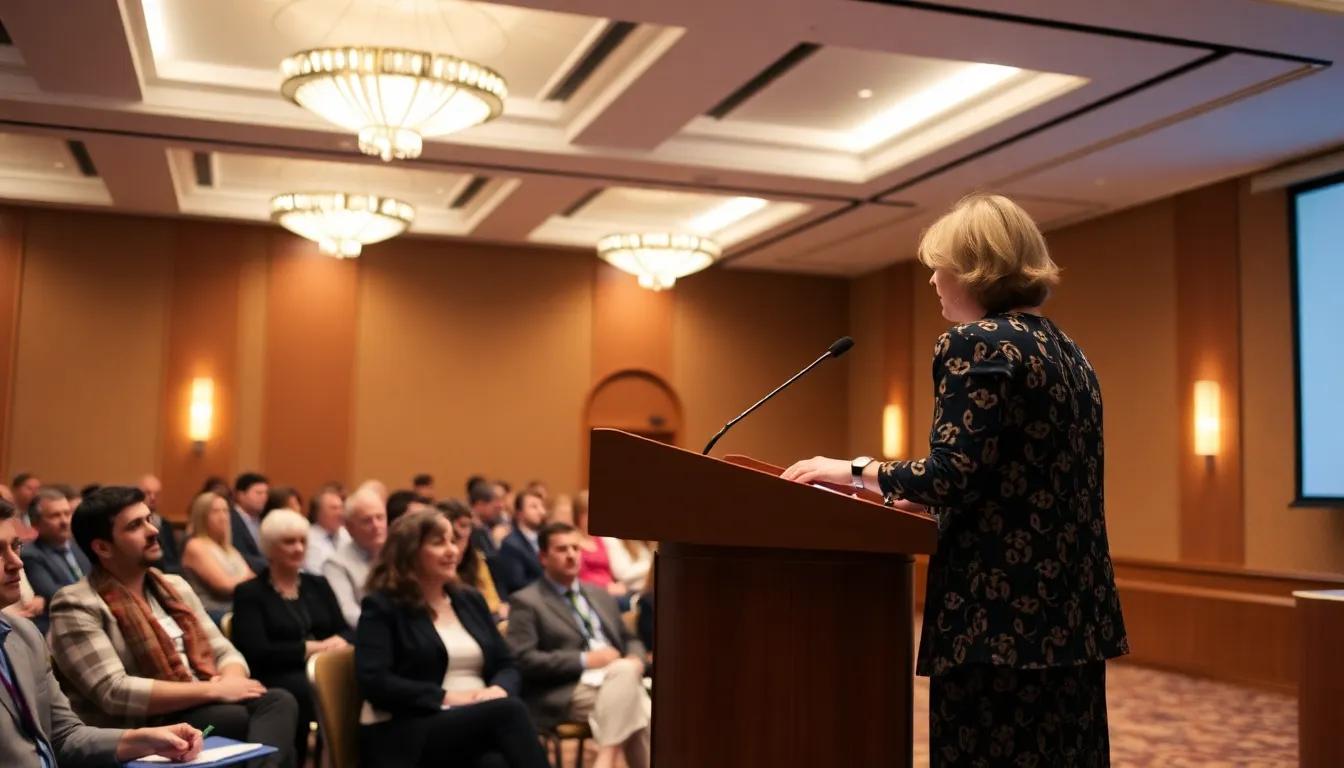
Frequently asked questions about mental health in entertainment
Key takeaways and future outlook on mental health storytelling
The narrative surrounding mental health, as highlighted by the EastEnders star, underscores the importance of representation and authenticity in media. By sharing personal experiences and challenges, actors can foster a deeper understanding of mental health issues among viewers, making the topic more relatable and less stigmatized. This approach not only encourages open dialogue but also empowers individuals to seek help and support.
As the entertainment industry continues to evolve, it is crucial to monitor how mental health is portrayed in popular media. The potential for storytelling to influence public perception and awareness is significant, paving the way for more inclusive and supportive environments for those facing mental health challenges.
- Increased representation: Expect to see more diverse portrayals of mental health issues in mainstream media, reflecting a broader range of experiences.
- Engagement with audiences: Interactive platforms may allow viewers to engage with mental health narratives, fostering community support and discussion.
- Collaboration with mental health professionals: Future productions might collaborate more closely with mental health experts to ensure accurate and sensitive representations.
- Impact on policy and awareness: Successful storytelling can lead to increased advocacy for mental health policies and initiatives, encouraging societal change.