
Emergency services responded quickly to the crash, working tirelessly to rescue survivors and transport the injured to nearby hospitals. Local authorities have confirmed that the majority of the deceased were passengers on the passenger train, highlighting the tragedy’s impact on families and communities. Investigations are currently underway to determine the cause of the collision, with preliminary reports suggesting possible human error or equipment failure, similar to issues raised by a recent construction crane collapse in Thailand.
The Thai government has expressed condolences to the victims’ families and pledged support for those affected by the disaster. Additionally, officials are reviewing safety protocols on the rail network to prevent similar incidents in the future. This collision marks one of the deadliest train accidents in Thailand’s history, raising concerns about railway safety standards across the country.
As the nation mourns the loss of life, residents have come forward to share their harrowing experiences, emphasizing the need for immediate action to improve rail safety. The tragedy has sparked a national conversation about transportation infrastructure and the responsibilities of railway operators to ensure passenger safety, which is crucial to preventing similar incidents highlighted in the recent landfill collapse in the Philippines.
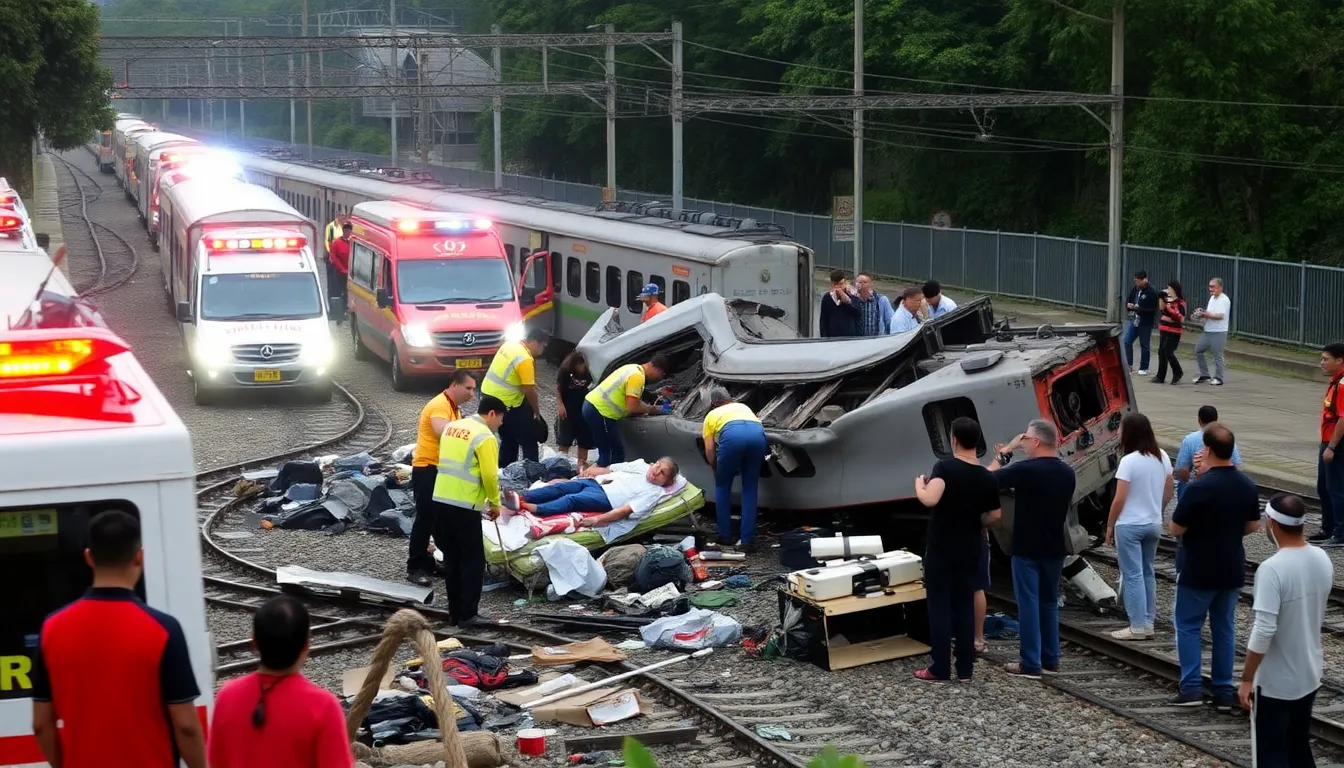
Background and context of train safety in Thailand
Train travel in Thailand has long been an integral part of the country’s transportation infrastructure, serving both urban and rural populations. However, the safety of this mode of transport has come under scrutiny, particularly in light of recent tragic incidents. The country’s railway system, which dates back to the late 19th century, has faced numerous challenges over the years, including outdated equipment, insufficient maintenance, and a lack of investment in modern safety measures.
Historically, Thailand’s railways were developed to enhance trade and connectivity, but over the decades, they have struggled to keep pace with the demands of a growing population and economy. The government has made efforts to upgrade the system, but these initiatives have often been hampered by budget constraints and bureaucratic inefficiencies. As a result, the railways have seen a series of accidents, raising concerns about the adequacy of safety protocols and the overall reliability of train services.
Recent Accidents and Safety Measures
In recent years, there have been several high-profile train accidents in Thailand that have highlighted the urgent need for reform. Incidents involving collisions, derailments, and infrastructure failures have resulted in numerous fatalities and injuries. In response, the Thai government has promised to improve safety standards and invest in modern technology. However, many residents remain skeptical about the implementation of these promises, fearing that without significant changes, more tragedies are inevitable.
The latest train crash that resulted in the loss of 32 lives has reignited public outrage and calls for accountability. Survivors and witnesses have described the scene as ‘terrifying,’ emphasizing the need for immediate action to prevent future disasters. As the nation mourns the victims, the focus shifts to whether the government will take the necessary steps to ensure that such a catastrophe does not happen again, echoing the concerns raised after the giant landfill collapse in the Philippines.
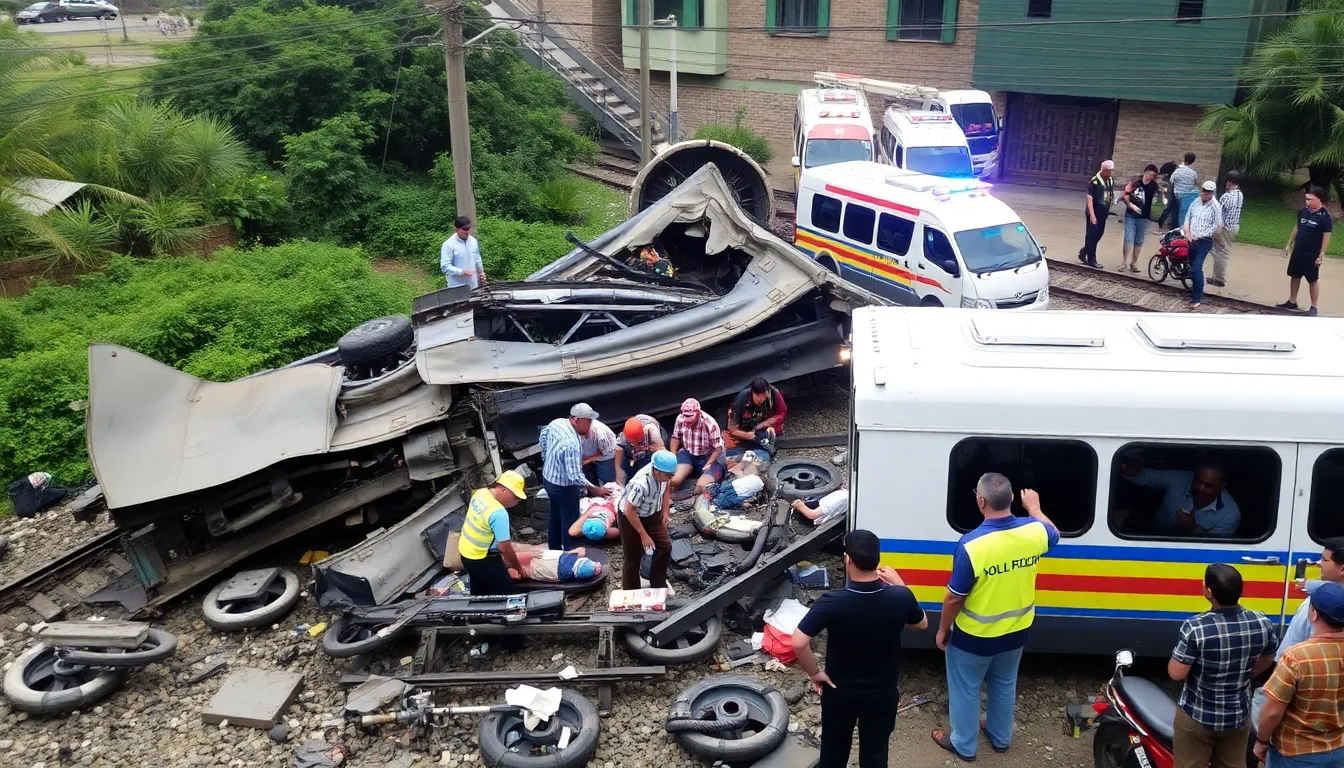
Key stakeholders and issues surrounding the crash
The tragic train crash in Thailand that resulted in the loss of 32 lives has drawn attention to various stakeholders involved in the incident. These include the Thai government, railway authorities, victims’ families, and local communities, each with distinct interests and concerns. Understanding these perspectives is crucial for comprehending the broader implications of the disaster.
One of the primary stakeholders is the Thai government, which faces pressure to ensure the safety of its transportation systems. The government has a vested interest in maintaining public confidence in rail travel, as it is a vital mode of transport for both citizens and tourists. Additionally, the government may need to address potential legal ramifications, including investigations into negligence or regulatory failures that could have contributed to the crash.
Railway authorities are another key player, tasked with the maintenance and operation of train services. Their interests lie in conducting thorough investigations to determine the cause of the accident and implementing measures to prevent future incidents. However, this may conflict with the need to maintain operational schedules and avoid disruptions that could affect revenue and public perception.
- Victims’ families: They seek justice and compensation for their losses, which may involve legal claims against the railway operators or government entities.
- Local communities: Residents near the crash site may be concerned about ongoing safety measures and the impact of such incidents on their daily lives.
- Legal implications: The crash raises questions about liability and accountability, highlighting the need for clear regulations governing railway safety.
- Economic considerations: The crash could have broader economic implications for the tourism sector and local businesses reliant on rail transport.
- Public safety advocacy groups: These organizations may push for reforms and stricter safety regulations in the railway industry.
In summary, the aftermath of the train crash reveals a complex web of interests and potential conflicts among various stakeholders. The resolution of these issues will be crucial in shaping the future of railway safety and public trust in Thailand’s transportation infrastructure.
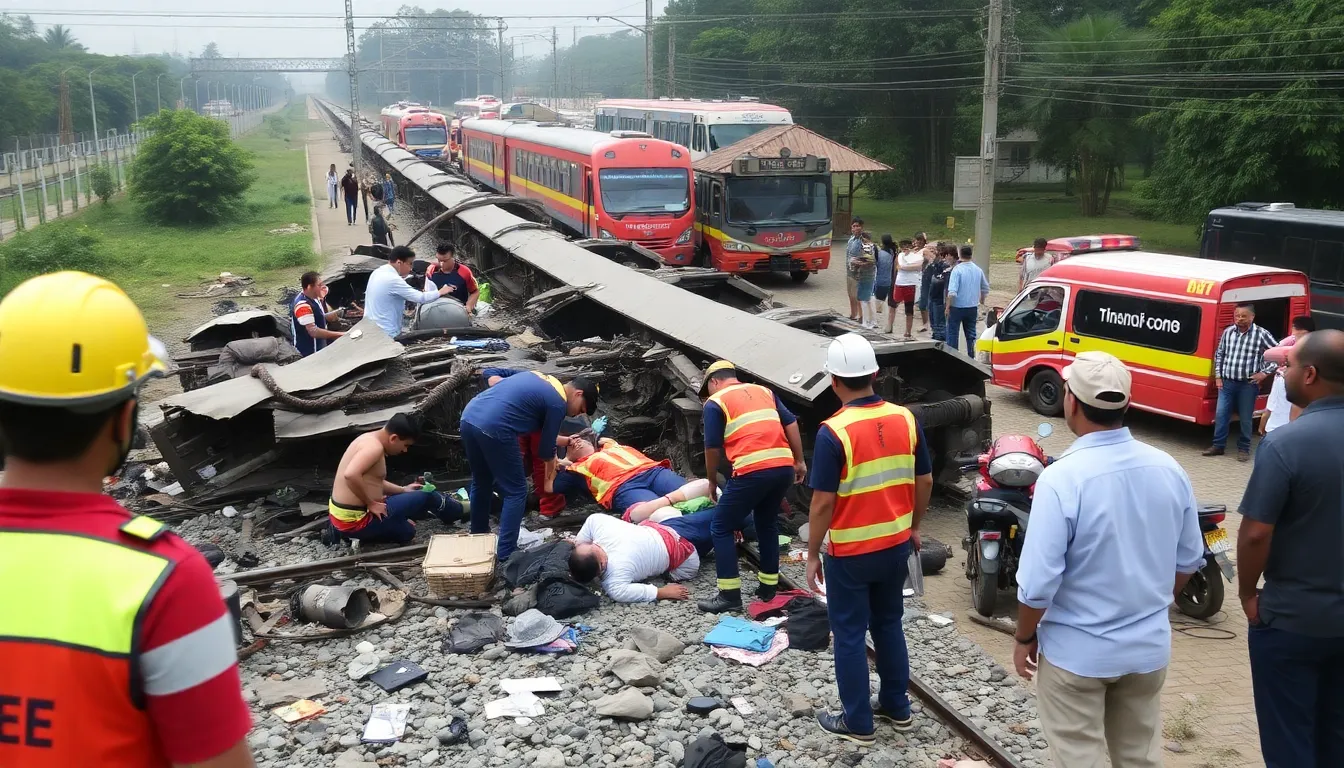
Impact on victims and the local community
The tragic train crash in Thailand has left a profound impact on various groups within the community. Families of the victims are facing unimaginable grief and loss, while survivors are dealing with physical and emotional trauma. Local businesses that depend on the railway system for transport and logistics are also feeling the repercussions of this disaster.
In the short term, daily life for residents in the affected areas has been disrupted. Many are grappling with the aftermath, including increased anxiety and fear regarding travel safety. Local transportation services may experience heightened scrutiny and calls for improvement, leading to potential policy changes aimed at enhancing safety regulations.
Mid-term impacts may include a decline in tourism as potential visitors may reconsider travel plans to the region. This could adversely affect local economies that rely heavily on tourism. Conversely, there may be opportunities for businesses involved in safety technologies and infrastructure improvements as the government and private sectors look to invest in safer transport systems.
- Emotional and psychological toll on victims’ families and survivors
- Disruption of local businesses reliant on rail transport
- Increased safety regulations and scrutiny on transportation systems
- Potential decline in tourism affecting local economy
- Opportunities for businesses in safety and infrastructure sectors
As the community begins to heal, the focus will likely shift towards ensuring such tragedies do not occur again. This may foster a renewed commitment to improving safety standards and investing in community resilience initiatives, ultimately shaping the future of transportation in the region.
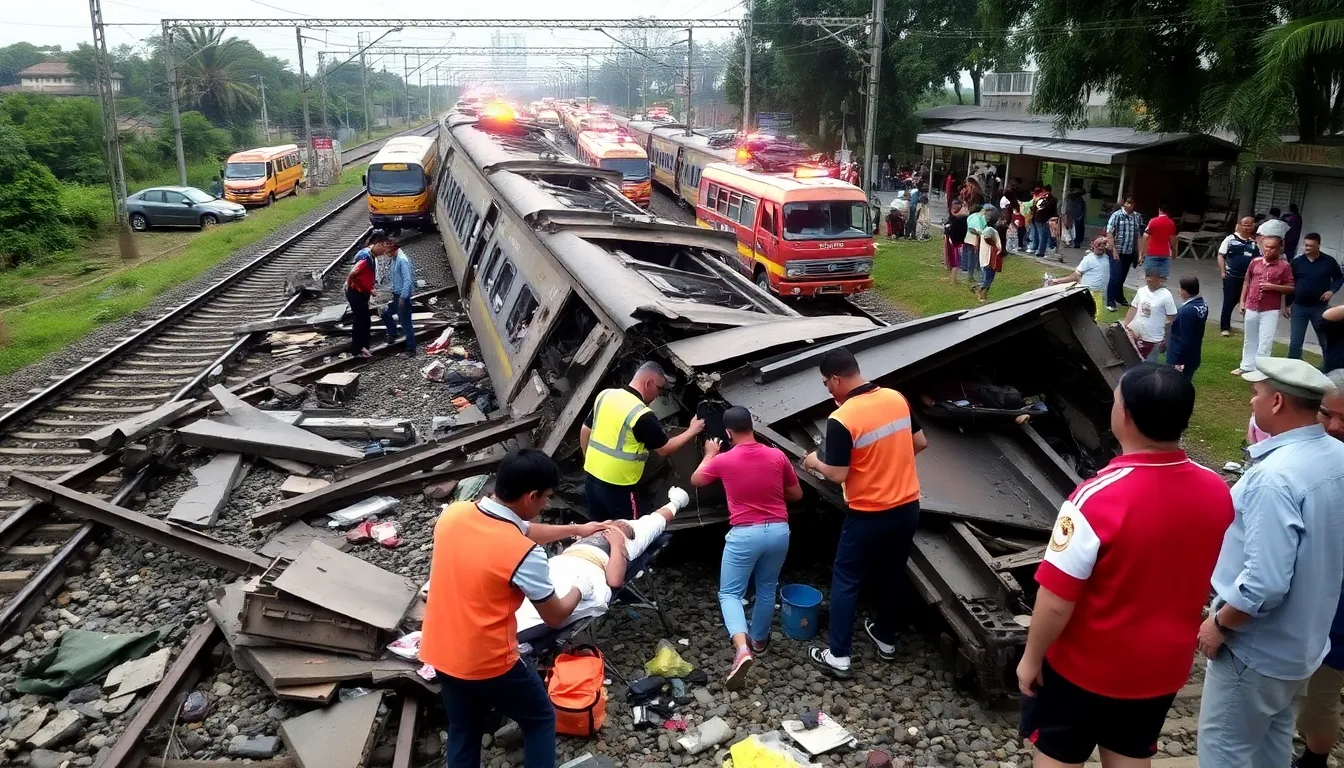
Frequently asked questions about the train crash
A: The investigation is ongoing, but initial reports suggest mechanical failure may have played a role in the tragic incident.
A: Local authorities are providing financial assistance and counseling services to the families affected by the crash.
A: Thailand has various safety regulations, but enforcement and maintenance have been questioned, especially after this incident.
A: Lawmakers are discussing potential reforms to improve train safety and prevent future accidents.
Insights and future outlook on train safety measures
The tragic train crash in Thailand, which resulted in the loss of 32 lives, underscores the urgent need for enhanced safety protocols within the rail transport system. As eyewitness accounts reveal the chaos and panic during the incident, it becomes imperative for authorities to reassess existing safety measures and implement more stringent regulations to prevent future disasters.
In the wake of this calamity, stakeholders must focus on improving infrastructure, increasing investment in technology, and fostering a culture of safety among both operators and passengers. The collective response to this incident may set a precedent for how train safety is prioritized in the region and beyond.
- Increased investment in rail infrastructure to ensure compliance with safety standards.
- Implementation of advanced technology for real-time monitoring of train conditions and passenger safety.
- Regular safety drills and training for staff to effectively manage emergencies.
- Enhanced communication strategies to keep passengers informed during crises.
- Collaboration between government bodies and private sectors to develop comprehensive safety regulations.